
Beef or Bison? Nutritionists Reveal Which One Is Better for You
Choosing between beef and bison can significantly impact your nutritional intake. Both are rich in protein and valuable nutrients, but subtle differences may favor one over the other depending on your health goals. This guide delves into their nutritional profiles, revealing insights from nutritionists to help you decide which meat aligns better with your dietary needs. Whether you’re focused on leaner cuts or exploring new flavors, understanding these meats’ nuances may enhance your culinary choices.
Calories and Fat: Which Meat Comes Out Leaner?

When comparing caloric and fat content, bison typically offers a leaner option. A serving of bison can have fewer calories and fat than a similar portion of beef, mainly when choosing grass-fed varieties. This makes it an appealing choice for those monitoring weight or seeking lower-fat solutions. However, selecting lean cuts of beef can provide a comparable alternative. It’s essential to consider portion sizes and cooking methods to maintain these benefits, such as grilling or broiling, which prevent unnecessary fat intake.
Protein Power: Is Bison the Better Builder?
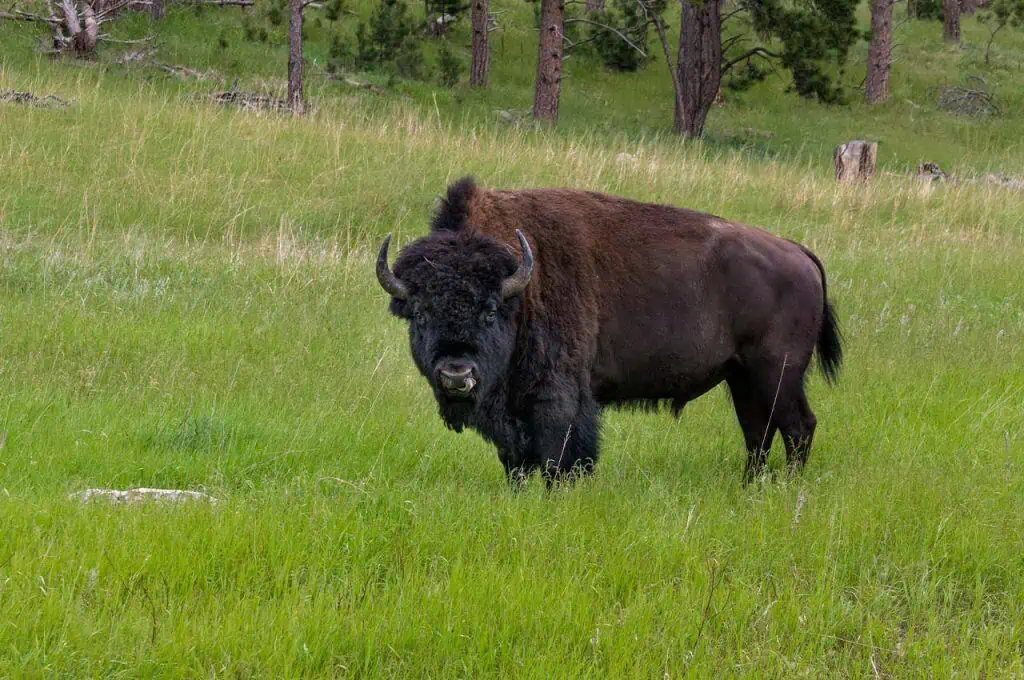
Both bison and beef are excellent protein sources, necessary for muscle development and repair. Bison may provide a slight edge with higher protein content per serving. This advantage assists those focusing on building muscle or maintaining a high-protein diet. Selecting quality meat, like grass-fed bison, can ensure optimum nutrient retention. To fully utilize protein delivery, cooking methods like roasting or slow cooking preserve the meat’s natural texture and flavor, making adhering to dietary goals more enjoyable.
Heart Health: What the Experts Recommend

Heart health remains a significant consideration when selecting meats. Many nutritionists lean towards bison due to its lower cholesterol levels and richer omega-3 fatty acids content compared to conventional beef. These factors positively influence cardiovascular health. Incorporating lean cuts and minimizing processed or fried preparations of either meat can further support heart health. Always look for meats that are organic or grass-fed to ensure cleaner, more nutritious options on your plate.
Taste Test: How Bison Compares to Beef

Bison’s flavor profile is distinct yet subtly aligned with familiar beef notes. It delivers a rich, slightly sweeter taste with a cleaner finish, often described as less gamey. These qualities make it an intriguing alternative for those looking to diversify their palate while maintaining familiarity. Cooking bison to medium-rare preserves its natural tenderness and flavor, allowing its unique taste to shine. Whether in hearty stews or light stir-fries, bison introduces an appealing twist to traditional beef dishes.
Environmental Impact: Which Meat Is Greener?

When evaluating the environmental impact of beef versus bison, consider the grazing practices and ecological footprint of each. Bison are typically raised on free-range pastures, promoting natural land recovery and biodiversity. This grazing method reduces soil erosion and supports carbon sequestration. Beef, on the other hand, often comes from feedlots, contributing to higher methane emissions and intensive land use. Choosing bison supports a more sustainable ecosystem, though both industries are working towards greener practices.
Price and Availability: Is Bison Worth the Switch?

Switching from beef to bison involves weighing cost against nutritional and environmental benefits. Bison tends to be more expensive due to its lower supply and grass-fed nature, which can elevate its price. It’s less commonly found in mainstream supermarkets, meaning availability might vary. However, bison offers a leaner protein with fewer calories and more omega-3 fatty acids, potentially justifying the cost. For those prioritizing health and ecological concerns, the higher price might prove worthwhile.
