
13 Expired Pantry Items You Should Toss But Most People Keep
Many kitchens harbor expired pantry items that quietly diminish the quality and safety of your meals. While some may hold sentimental value or be forgotten in the recesses of your shelves, knowing which items to discard can dramatically enhance your cooking experiences. Refreshing your pantry with viable ingredients ensures robust flavors, textures, and nutritional integrity. This guide identifies common expired products that tend to linger, helping you make confident decisions about what to keep and what to let go.
Stale Spices: Flavor Thieves
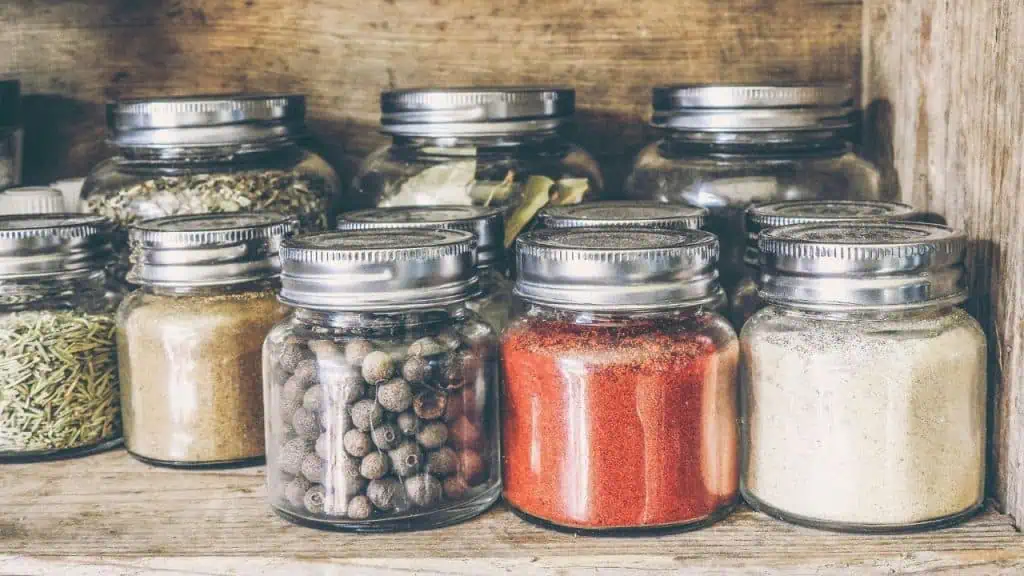
Spices are fundamental to elevating dishes, yet over time, their potency wanes. Stale spices lose their vibrant aroma and taste, becoming mere shadows of what they once were. Properly stored in cool, dark places, whole spices might last up to four years, while ground forms are often viable for less than two. To test freshness, crush a small amount in your hand; if the scent is faint, it’s time to replace them. Maximizing your spices’ impact ensures each dish resonates with depth and clarity.
Rancid Nuts: Hidden Health Risks
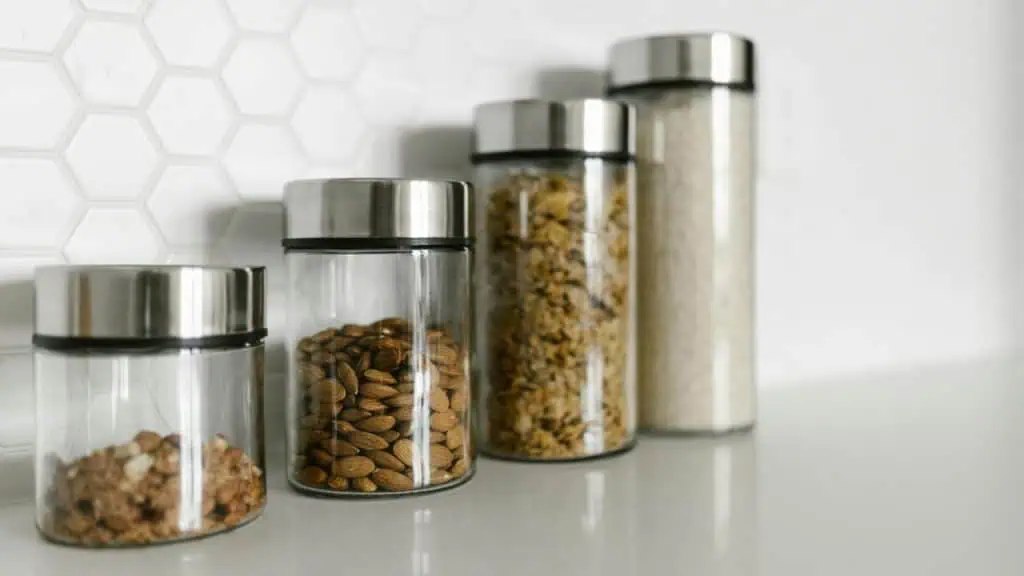
Nuts, revered for their nutritional benefits and robust flavors, are prone to going rancid due to their high oil content. Over time, exposure to oxygen and warm temperatures accelerates this process, leading nuts to develop a bitter taste and potentially harmful compounds. Store them in airtight containers in the refrigerator or freezer to prolong shelf life. If they emit a sharp or sour smell, discard them immediately. Keeping nuts fresh not only enhances flavor but also supports your health journey.
Canned Goods: Beyond the Expiry Date
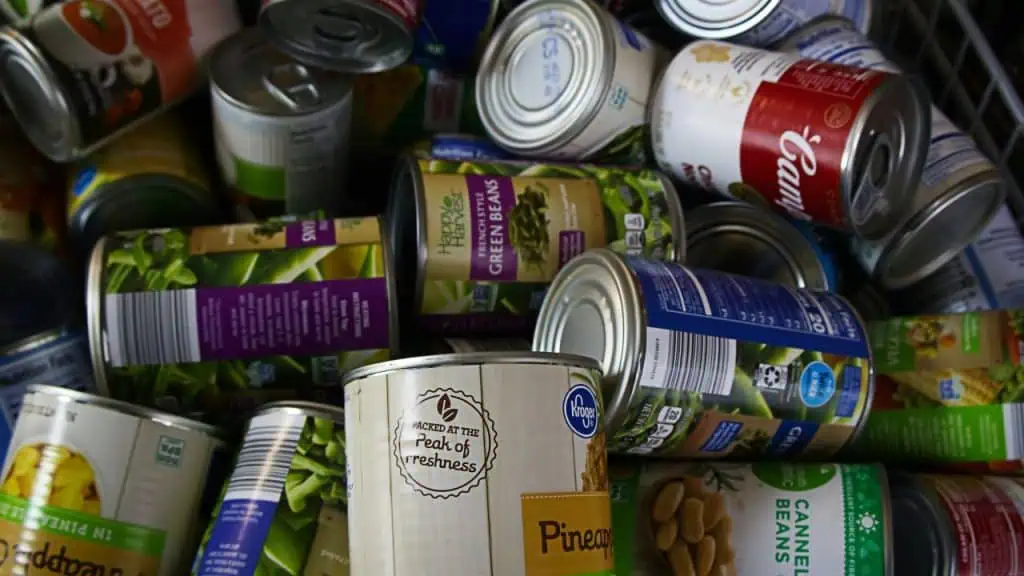
Canned goods are kitchen staples often overlooked for expiration dates. While generally long-lasting, they’re not impervious to time. Quality, texture, and nutritional value degrade, and in some cases, the integrity of the can itself can compromise food safety. Inspect for bulging, rust, or leaks before use. For guaranteed taste and safety, rotate stock and adhere to best-by dates. Proper vigilance ensures your pantry staples consistently deliver wholesome, satisfying meals.
Expired Baking Powder: Flat Results
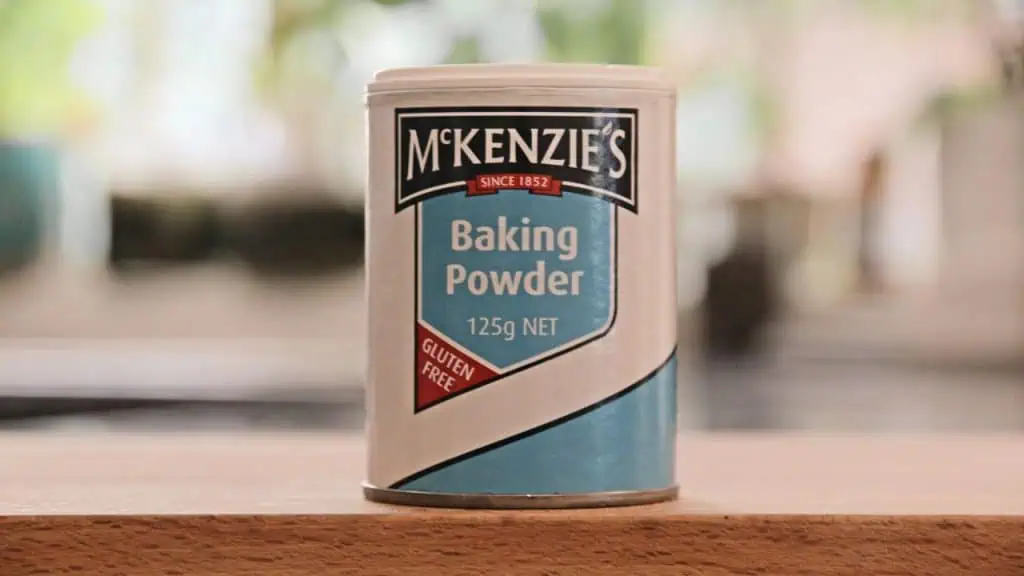
Baking powder is the secret leavening agent behind perfectly risen cakes and fluffy pancakes. Expired baking powder fails to deliver carbon dioxide, leading to dense, unappealing baked goods. Test its effectiveness by stirring a teaspoon into hot water; if it bubbles aggressively, it’s still active. Store baking powder in a cool, dry place in a tightly sealed container to prolong its lifespan. Keeping it fresh assures your baked creations achieve that desired lightness and aeration.
Old Flour: Breeding Ground for Bugs
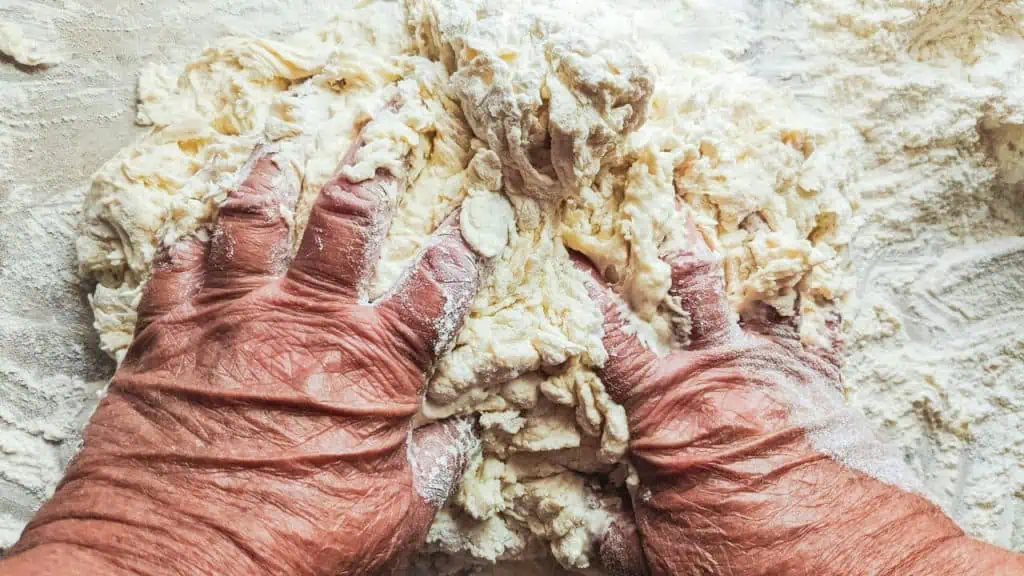
Flour can become a hidden home for pests as it ages, making it unsuitable for baking. To prevent unwelcome guests, store flour in airtight containers away from light and moisture. Regularly check for a sour or musty odor, a sign it’s time to dispose of it. Fresh flour ensures better texture and flavor, crucial for baking success.
Stale Oils: Oxidation Culprits
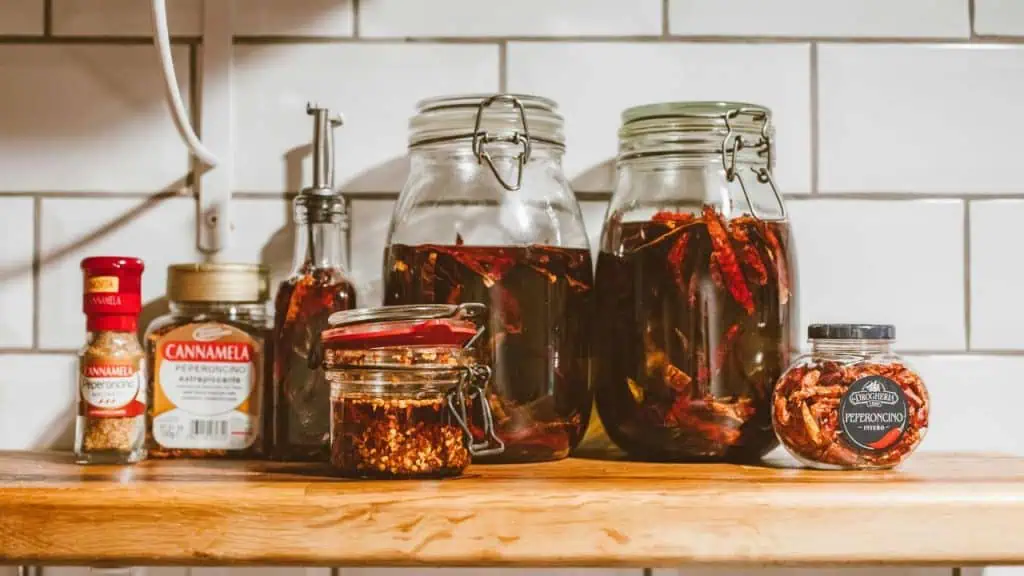
Oils lose their freshness and develop off-flavors when stored too long, due to oxidation. Check for changes in color and smell which indicate spoilage. For optimal shelf life, store oils in a cool, dark place, tightly sealed. Using fresh oil is essential for maintaining the integrity of your dishes, from dressings to sautés.
Wilted Tea Bags: Lackluster Brews
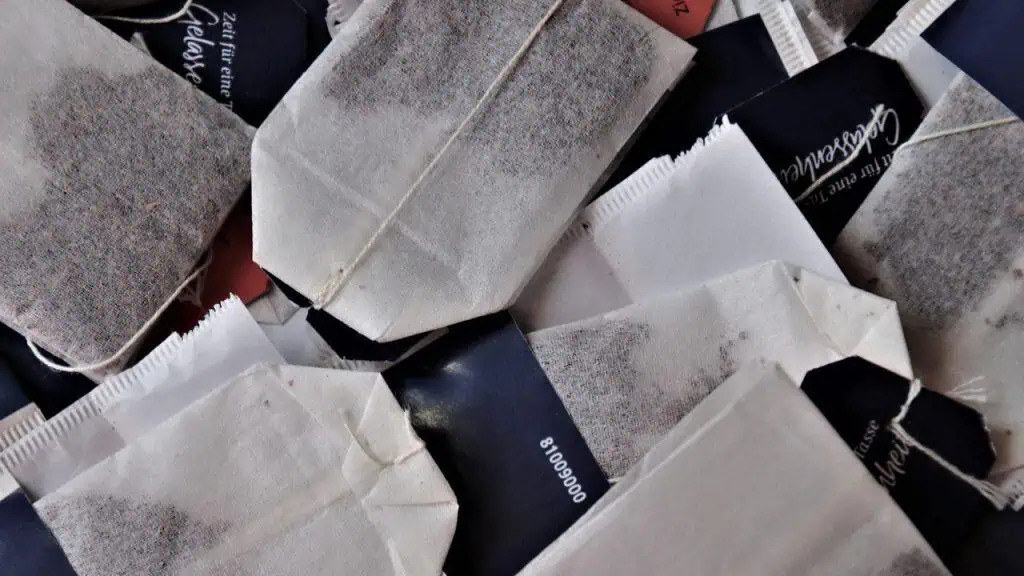
Tea bags lose potency over time, resulting in a flat and uninspiring cup. To ensure vibrant flavor, store tea in a cool, dark area, and use within a year of purchase. The complex aromas of fresh tea can transform a simple brew, highlighting its nuanced flavors and therapeutic qualities.
Aged Pasta: Nutrient Loss
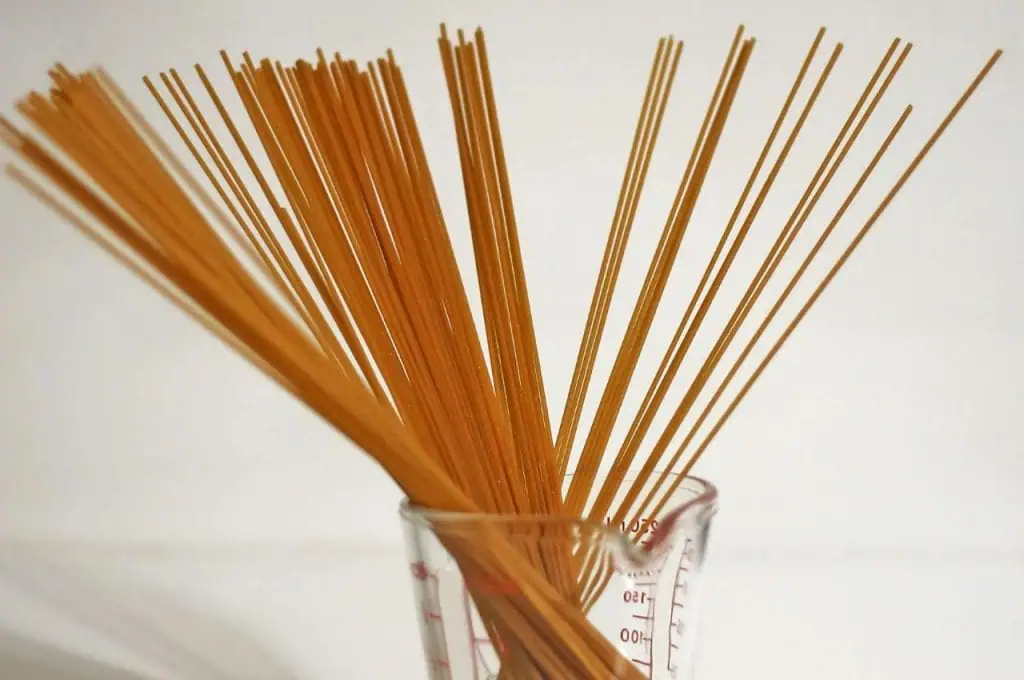
While dried pasta appears durable, it can lose nutrients and flavor over time. Inspect for discoloration or a stale odor as signs to discard. For optimal taste and texture, store in a cool, dry place. Fresh pasta retains its robust flavor and satisfying bite, essential for creating standout meals.
Ancient Rice: Texture Trouble
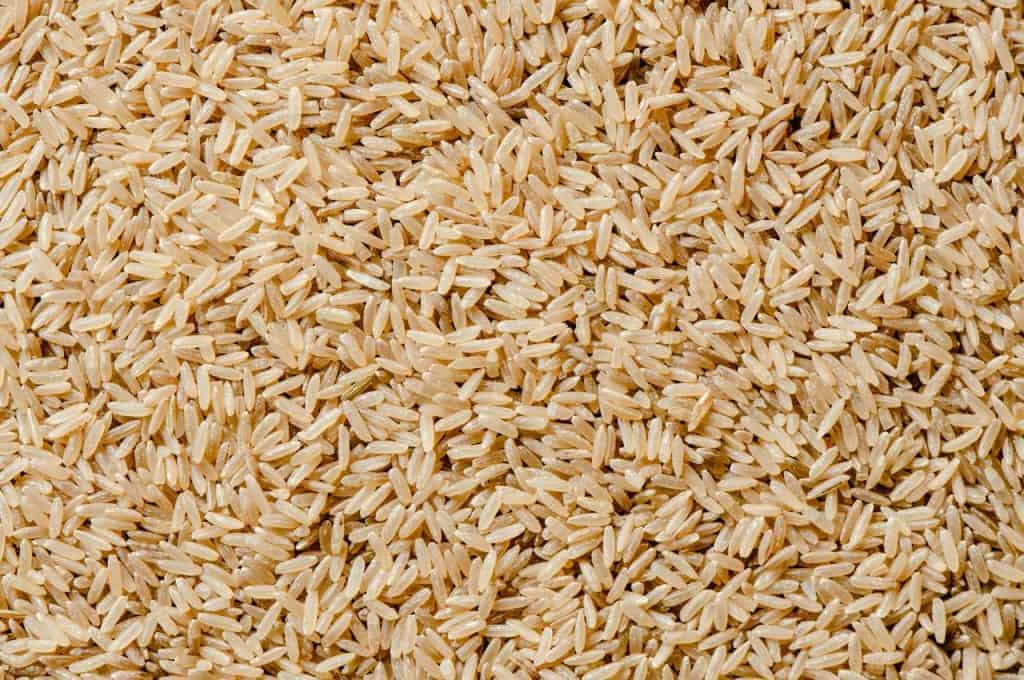
Old rice can become dry and hard, affecting the texture when cooked. It may also develop a musty odor, indicating it’s past its prime. Keep rice in an airtight container to preserve its freshness. Using fresh rice is crucial, as it absorbs flavors better and maintains the desired fluffy consistency.
Outdated Vinegar: Tart Turn
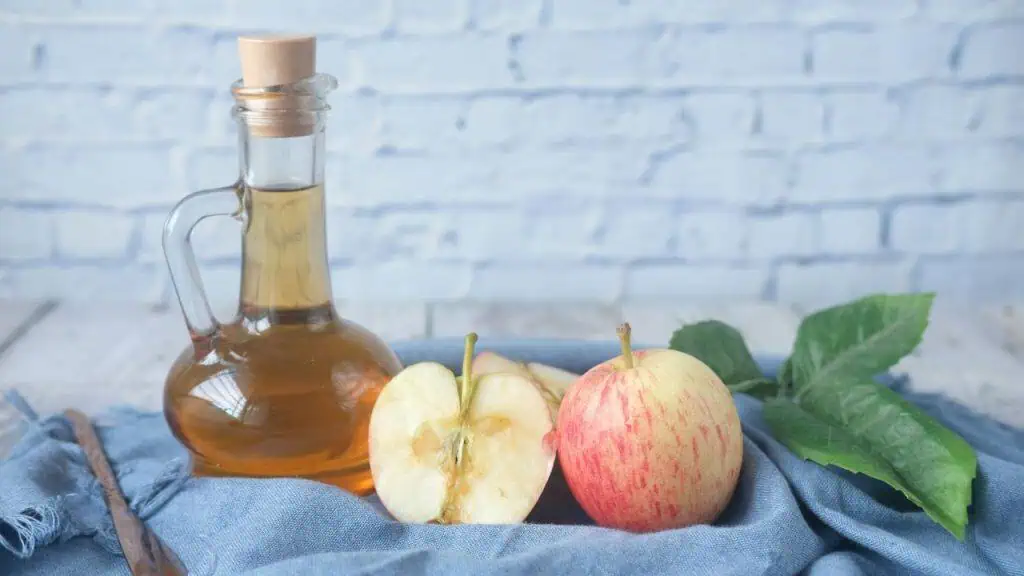
Vinegar may seem eternal, but it can lose its pungency and develop off-flavors over time. Check the date and give it a whiff before use. Old vinegar becomes murky and might emit a strange aroma, signaling it’s past its prime for cooking. Discard expired bottles to ensure your dressings and marinades retain their intended zest. Fresh vinegar should be sharp and clear, contributing brightness and acidity without unwanted bitterness.
Suspicious Condiments: Hidden Dangers
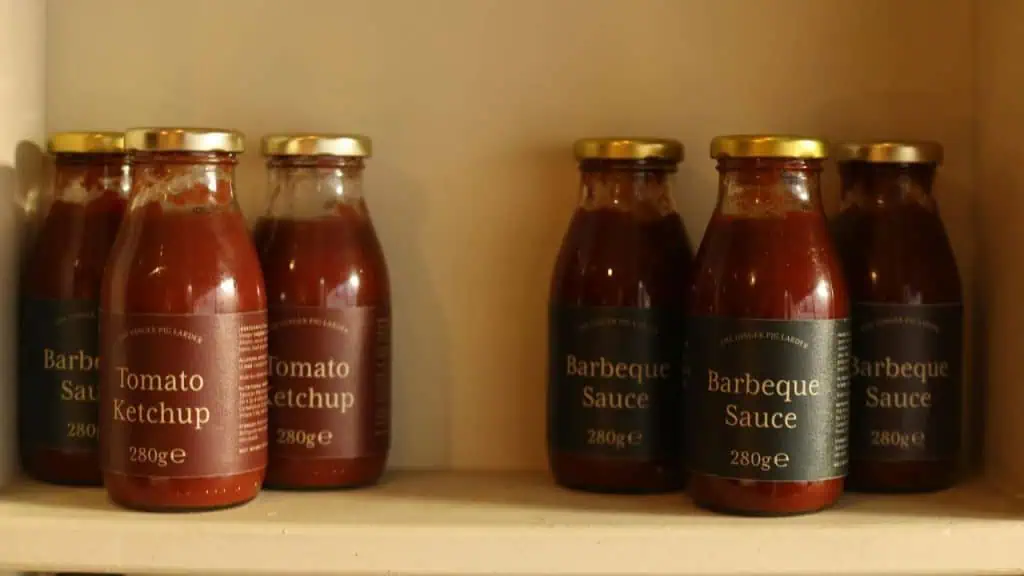
Condiments like ketchup, mustard, and mayonnaise often linger in the fridge long past expiration. Over time, they can develop mold or separate, affecting texture and taste. Enzymes and bacteria may proliferate, leading to potential food safety issues. Regularly audit your condiment collection, checking for discoloration or odd odors. Fresh condiments enhance dishes with vibrant flavors and stable textures, so replace them to keep your meals deliciously safe.
Bitter Coffee: Aroma Awry
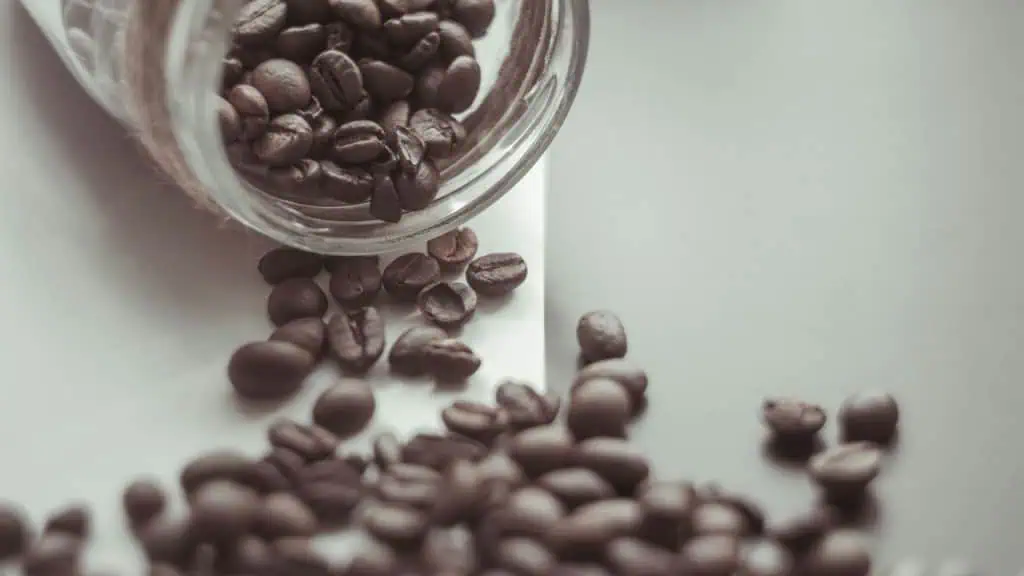
Coffee lovers should keep an eye on their bean supply, as old coffee can turn bitter. Stale beans lose their aromatic oils, leading to a flat, off-putting brew. Store coffee in an airtight container and use it within a reasonable timeframe to preserve its full-bodied flavor. Grinding just before brewing intensifies the experience, delivering a rich and aromatic cup. Toss outdated bags to maintain the quality of your morning ritual.
Expired Snacks: Chemical Changes
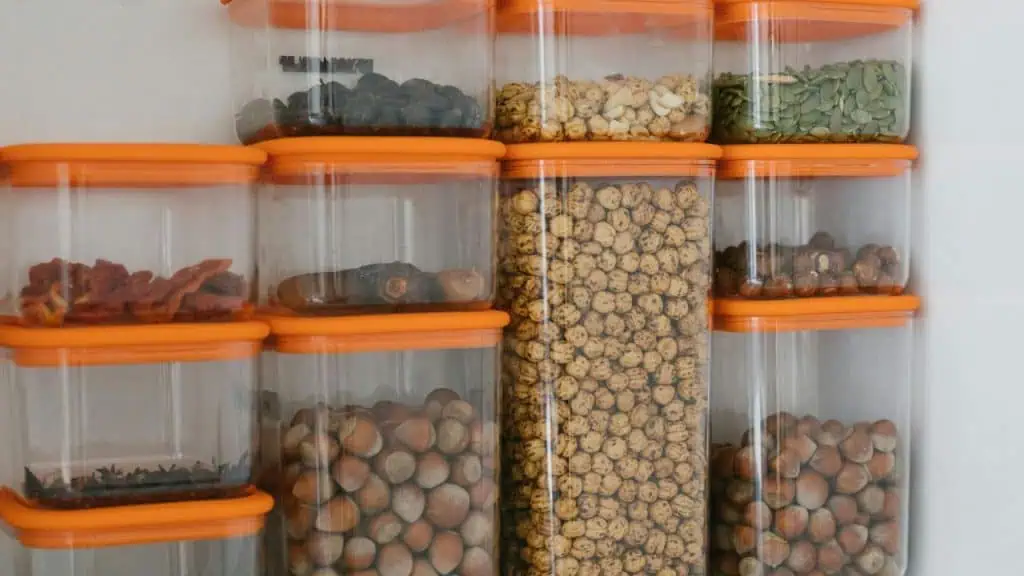
Snacks like chips and crackers gradually go stale and lose their crunch, often absorbing ambient odors from the pantry. Examine dates and feel for freshness. Expiry can lead to rancidity, especially in products containing oils. This process changes texture and impairs flavor. Regularly sort through your snack stash, retaining only crisp, fresh items. Ensuring freshness maximizes enjoyment and prevents waste, offering a satisfying snacking experience.
