
The Water Footprint: How Our Favorite Foods Depend on Hidden Rivers and Distant Farms
Every bite we take carries a story far bigger than what appears on the plate. Behind a handful of almonds or a bowl of rice lies an invisible network of rivers, rainfall, and irrigation systems stretching across the globe. Water is the silent ingredient in everything we eat, and understanding its journey from farm to fork opens our eyes to the true cost of our meals.
This awareness is not about guilt. It is about empowerment. When we recognize which foods demand the most water and which ones tread more lightly, we gain the ability to make choices that align with our values. Small shifts, like swapping beef for beans once a week or seeking out locally grown produce, can ripple outward in meaningful ways. Let’s explore the hidden water stories behind our favorite foods and discover how thoughtful eating can nourish both us and the planet.
Thirsty Crops: Almonds and Rice
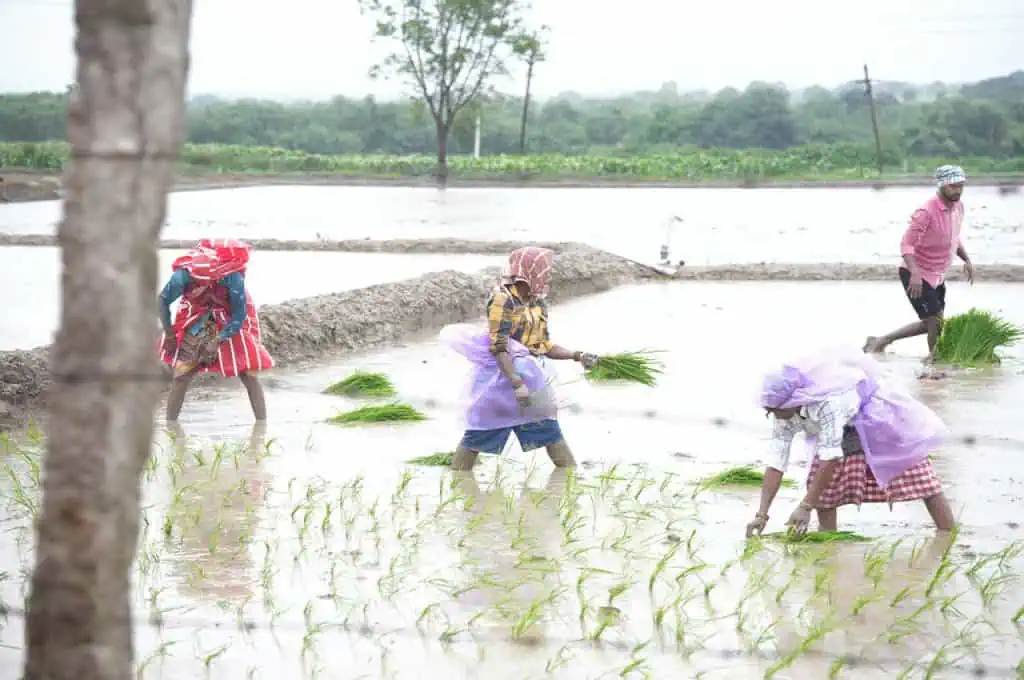
Almonds and rice are staples, yet they demand significant water. Almond trees, predominantly grown in arid regions, require consistent irrigation, straining resources. Rice paddies, thriving in water-saturated environments, also rank high in water needs. Selecting local or sustainable sources can reduce strain and improve outcomes.
Beef and Beyond: Water Cost of Proteins

Proteins like beef have substantial water footprints due to feed and care requirements. Beef production includes raising livestock and growing feed crops, heavily impacting water resources. Opting for poultry or plant-based proteins, which generally require less water, can balance our diets and lessen environmental pressure.
Virtual Water: Hidden Rivers and Trade
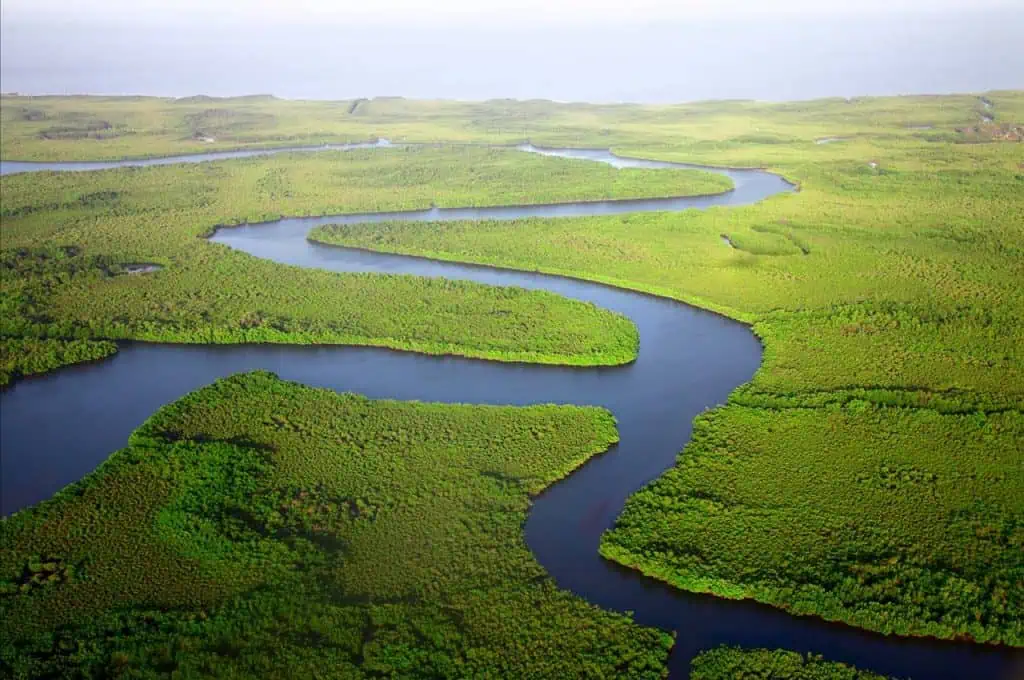
“Virtual water” represents the hidden water in traded goods, emphasizing global interdependence of water resources. When we buy imported foods, we’re tapping into distant water supplies. Being aware of this can guide us toward more sustainable consumption patterns, supporting local agriculture and conserving global water.
Drought on the Table: Food vs. Scarcity

Drought affects food availability, raising challenges for future meals. Water-efficient cooking methods and careful ingredient selection can mitigate these impacts. Growing awareness about water scarcity influences how we cook and consume, encouraging practices like reducing waste and prioritizing drought-resistant crops.
Rethinking Diets: Shaping Water Sustainability

Choosing foods with lower water footprints can significantly contribute to water sustainability. Prioritize plant-based ingredients, as nuts, beans, and grains generally require less water than meat and dairy. Consider the origins of your ingredients; foods grown in water-stressed regions have a higher environmental impact. Integrate local and seasonal produce into your meals, minimizing transportation and encouraging responsible water practices in nearby farms. These dietary adjustments not only conserve water but also introduce diverse flavors and nutrients to your table.
Innovations in Irrigation: Tech Solutions
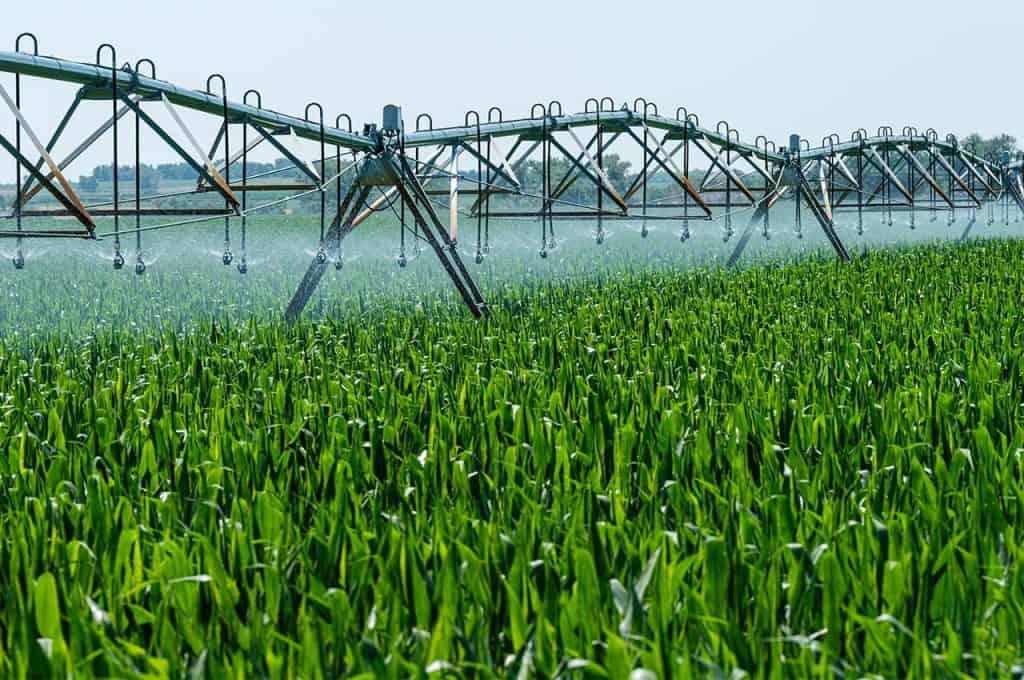
Modern irrigation technologies are transforming agriculture, making it more water-efficient. Precision irrigation, like drip systems, targets root zones, reducing waste and enhancing plant health. Sensor technology and smart systems enable farmers to monitor soil moisture in real-time, applying water only when necessary. These innovations minimize runoff and evaporation, ensuring water is used judiciously. Embrace these advancements in your garden or support farms that adopt sustainable practices, contributing to a future where food and water coexist harmoniously.
The Future Plate: Eating with Water in Mind

Embracing water-conscious eating involves selecting foods that are sustainable in terms of water usage. Opt for vegetables, legumes, and grains over animal-based products, which typically consume more water. When feasible, choose products from sustainable sources and organic farms utilizing effective water management. Experimenting with ancient grains like quinoa and millet, known for their resilience and low water requirements, can diversify your diet. By adjusting your plate, you support a system that values water conservation alongside culinary satisfaction.
