
The Top 10 Countries With Iconic Cuisine
Culinary exploration invites us to savor the heart of diverse cultures. Each country offers unique flavors and techniques that define its iconic cuisine. This guide delves into the top culinary destinations, providing insights into traditional dishes, ingredients, and preparation methods that make these cuisines globally renowned. Whether it’s the intricate layers of Greek moussaka or the bold zest of Mexican mole, each section is crafted to inspire home cooks to embrace and replicate these treasured culinary traditions.
Greece: A Feast of the Gods

Greek cuisine is characterized by its simplicity and balance of flavors. Key ingredients like olive oil, lemon, and oregano transform dishes into refreshing taste experiences. Mastering traditional recipes like souvlaki and tzatziki begins with understanding the importance of freshness and quality. Greek salads, for instance, rely on ripe tomatoes, crisp cucumbers, and creamy feta for their vibrant profile. Embrace grilling techniques to infuse meats with smokiness and serve dishes paired with a table of shared mezze, creating a communal and wholesome dining atmosphere.
Italy: Land of Pasta and Passion

Italian cuisine is rooted in freshness and regional diversity. Central to its appeal is the art of pasta-making, where achieving the perfect al dente bite becomes a culinary skill. Key ingredients include tomatoes, basil, and parmesan, crafting rich and aromatic sauces for dishes like spaghetti al pomodoro. Mastering risotto involves patience, stirring continuously to release starches, resulting in a creamy texture. Each Italian meal celebrates simple yet profound flavors, emphasizing the harmony between ingredients and regional specialties.
Mexico: Spice and Soul

Mexican cuisine delights with its robust flavors and vibrant ingredients. Essential elements such as chilies, corn, and beans form the backbone of traditional dishes. Understanding spice combinations is crucial; for example, in mole, delicate balance is achieved through complex blends. Techniques like slow-roasting tomatillos for salsa verde enhance the natural sweetness, while fresh lime juice adds brightness to dishes. Embrace this cuisine’s depth by experimenting with regional specialties, from Oaxaca’s smoky moles to the fresh ceviches of the coast.
Portugal: Oceanic Flavors Unleashed

Portuguese cuisine captures the essence of the sea, with seafood taking center stage. Dishes such as bacalhau, prepared in myriad ways, highlight the versatility of salted cod. Mastering the art of marinating with herbs like coriander and delicate seasonings enriches dishes like cataplana de marisco, an indulgent seafood stew. The balance of earthy spices such as piri-piri, alongside fresh citrus notes, creates a dynamic flavor profile. Emphasize traditional techniques like grilling sardines, keeping culinary heritage alive in every bite.
Spain: Tapas and Tradition

Spanish cuisine embraces the art of sharing through tapas, small plates that offer a rich introduction to regional flavors. Emphasize the authentic use of olive oil, garlic, and paprika. Start with classics like patatas bravas, defined by crispy potatoes draped in a robust tomato sauce. Master the perfect tortilla Española, ensuring smooth layering of thinly sliced potatoes and eggs cooked to a lush finish. The key to successful tapas lies in balancing flavors, textures, and temperatures, fostering a convivial atmosphere through the variety placed on the table.
Turkey: A Bridge of Tastes

Turkey’s culinary landscape is a fusion of Middle Eastern and Mediterranean influences, offering dishes like kebabs and meze. Focus on perfecting a traditional döner kebab, emphasizing marination in yogurt, garlic, and spices for meat that is tender and flavorful. Meze, small appetizer-style dishes, highlights ingredients like eggplant, smoky from the grill, and chickpeas in creamy hummus. Attention to the contrasting flavors and textures, from the tartness of pickled vegetables to the smooth richness of yogurt, creates a tapestry of tastes that showcases Turkey’s diverse heritage.
Indonesia: Spice Islands Heritage

Indonesian cuisine is renowned for its vibrant use of spices, reflecting a rich cultural tapestry through dishes like rendang and nasi goreng. Aim for depth and complexity in rendang by slow-cooking beef in a medley of ginger, lemongrass, and coconut milk until it reaches a tender caramelization. Nasi goreng relies on the balance of sweet soy sauce, called kecap manis, alongside shallots, garlic, and chili for a satisfying fried rice. Embrace the multifaceted flavor profiles, with an emphasis on blending spices to create warmth and richness indicative of Indonesia’s heritage.
France: Elegance on a Plate

French cuisine marries technique with elegance, providing an array of classic dishes like coq au vin and ratatouille. For coq au vin, focus on layering flavors; sear chicken pieces until golden and simmer them slowly with red wine, mushrooms, and onions to achieve a velvety sauce. Capture the essence of ratatouille by maintaining the integrity of each vegetable, gently cooking zucchini, eggplant, and peppers until they meld smoothly. Precision in technique and respect for high-quality ingredients are paramount, encapsulating France’s nuanced approach to elevated dining.
Japan: Art of Culinary Perfection

Japanese cuisine prioritizes harmony, emphasizing balance in flavor, color, and presentation. Start with sushi, perfecting the art of sushi rice using a delicate blend of vinegar, salt, and sugar to accompany fresh, carefully sliced fish. Engage in the subtleties of umami with heartwarming miso soup, made by dissolving miso paste in dashi stock for a nourishing depth. Tempura requires precision frying, maintaining a light and airy batter for vegetables and seafood at just the right temperature. The discipline and respect for ingredients highlight the sophistication of Japanese dining.
China: Diverse and Delicious
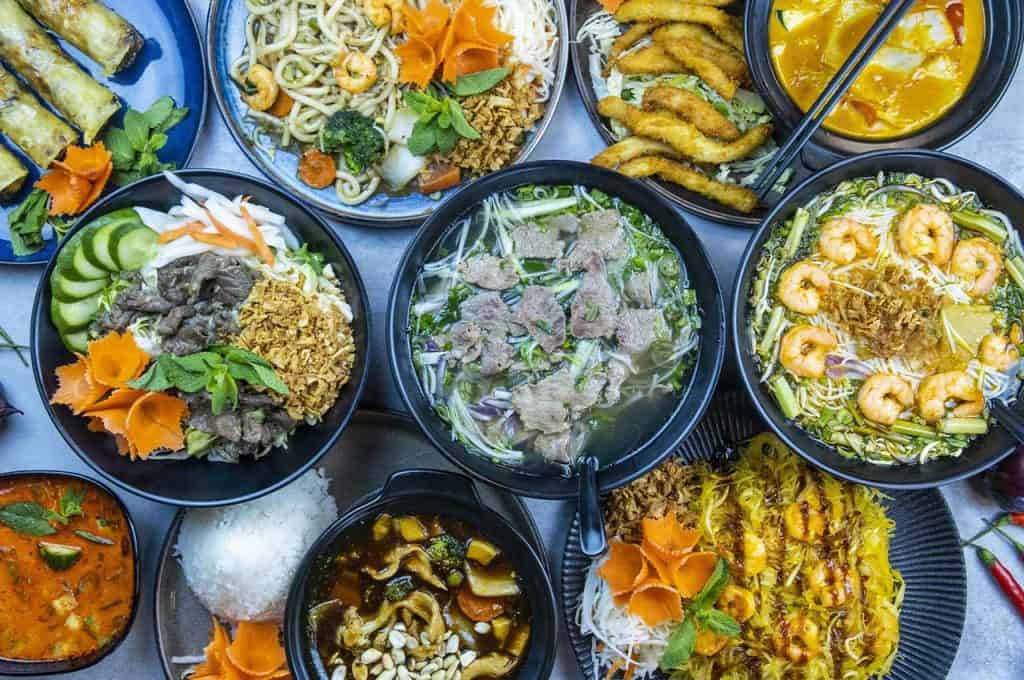
Chinese cuisine is renowned for its vast diversity, with each region offering unique flavors and techniques. Mastering stir-frying—a hallmark of Chinese cooking—involves high heat and quick motion to lock in nutrients and flavors. For perfect results, cut ingredients uniformly to ensure even cooking. Dive into dumplings, where delicate wrappers mean thin, elastic dough that properly encloses fillings. Aromatics like garlic and ginger form the backbone of many dishes, enhancing umami-rich soy sauces and vinegars. Embrace balance by pairing tastes and textures, such as crispy with tender, or sweet and sour.
