
The Simpsons Predicted These 7 Foods Becoming Mainstream
For decades, The Simpsons has had an uncanny ability to mirror future trends, often disguising sharp observation as humor. Food is one area where the show’s predictions feel especially accurate. What once seemed ridiculous, excessive, or purely cartoonish slowly worked its way into real kitchens, restaurants, and grocery stores. Through repetition and satire, the show normalized eating habits long before they became culturally accepted. These seven foods were treated as jokes at first, but time proved that Springfield was simply ahead of the curve.
Artisanal Donuts

Long before gourmet donut shops filled city blocks, The Simpsons elevated donuts into an object of obsession. Homer’s fixation transformed a basic pastry into a symbol of indulgence and identity. The exaggerated focus on frosting, toppings, and visual appeal foreshadowed the rise of artisanal donut culture, where presentation matters as much as taste. What started as a running gag eventually aligned with real-world trends, as donuts evolved from cheap breakfast items into customizable, boutique desserts people actively seek out.
Craft Beer Culture

Duff Beer was created as a parody of bland, mass-produced lagers, yet its cultural impact hinted at something bigger. The show’s constant beer references highlighted how deeply drinking culture was woven into everyday routines. Over time, audiences gravitated toward variety, flavor, and identity in beer, leading to the craft beer boom. While Duff mocked sameness, it also predicted a world where beer became a lifestyle choice, not just a product, consumed casually but discussed seriously.
Fast-Food Obsession
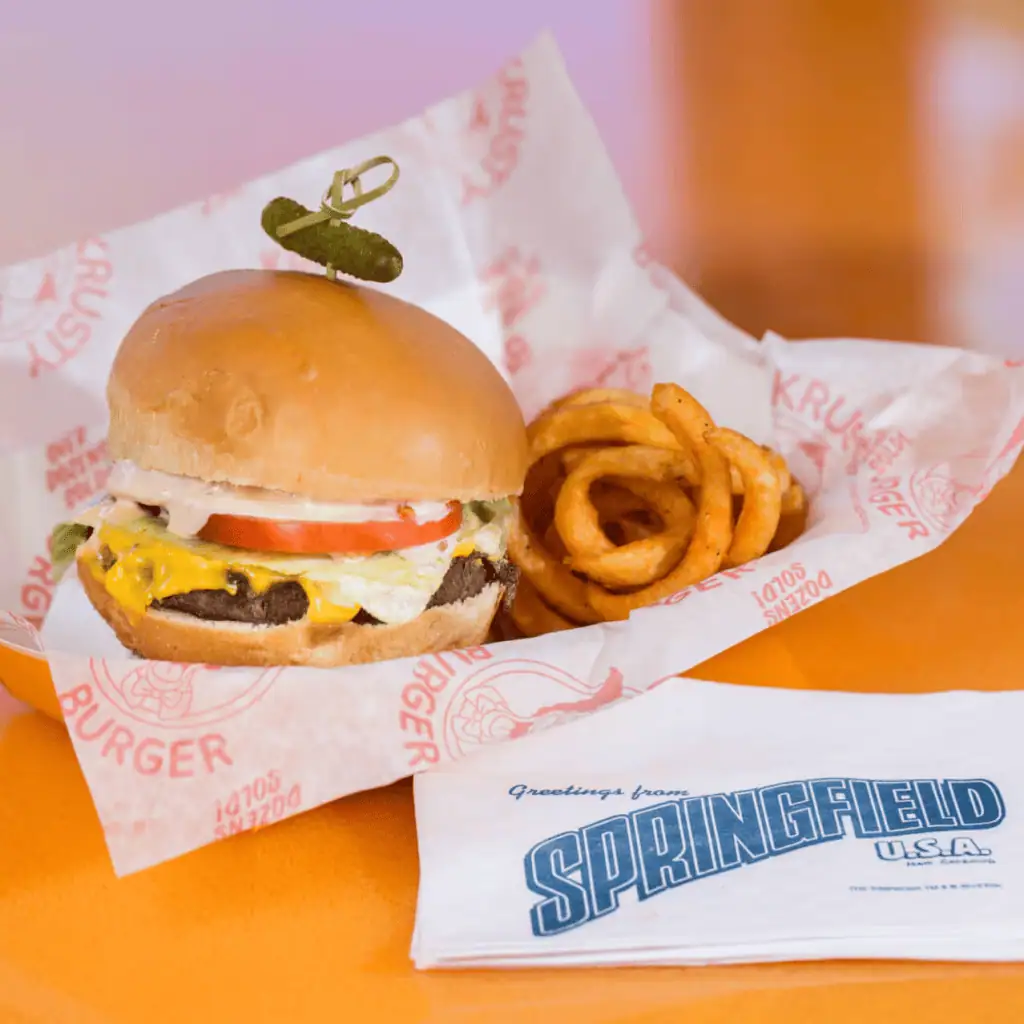
Krusty Burger exaggerated fast food’s worst qualities: grease, marketing tricks, and questionable nutrition yet audiences recognized the familiarity. The show predicted how fast food would become more than convenience, evolving into emotional comfort food. Today’s reality reflects that insight, with fast-food chains leaning into nostalgia, indulgence, and limited editions. The Simpsons understood early that people would knowingly embrace fast food’s flaws, valuing satisfaction and consistency over health ideals.
Over-the-Top Meat Portions

Homer’s love for massive pork chops, ribs, and steaks once felt absurd, but it quietly anticipated portion inflation. The show normalized oversized servings as desirable and satisfying rather than excessive. In real life, restaurants followed suit, offering larger cuts and indulgent platters as markers of value. What was once cartoon exaggeration became expectation, reinforcing the idea that abundance equals enjoyment, especially when it comes to meat-centered meals.
Sugary Frozen Drinks

The Squishee was portrayed as a colorful, brain-freezing novelty, consumed obsessively and without restraint. At the time, it seemed like pure satire, but it predicted the rise of frozen sugary drinks as everyday treats. Slushies, blended drinks, and oversized frozen beverages became staples at convenience stores and chains. The show captured how visual appeal and sugar-driven indulgence would outweigh concerns about excess, turning novelty drinks into routine cravings.
Comfort Food as Emotional Therapy

The Simpsons consistently linked food to emotional regulation, showing characters eating ice cream, pizza, or snacks during stress or sadness. This portrayal normalized emotional eating long before it entered mainstream conversation. Today, comfort food is openly discussed as coping behavior, not secret indulgence. The show predicted a cultural shift where food isn’t just fuel, but emotional support, consumed intentionally for comfort rather than purely hunger.
Late-Night Convenience Eating

Springfield’s constant access to hot dogs, nachos, and convenience-store food hinted at a future where eating schedules would loosen. Characters ate whenever hunger struck, regardless of time or setting. This foreshadowed today’s on-demand food culture, driven by delivery apps and 24-hour availability. What once seemed lazy or indulgent became normal, as modern lifestyles embraced flexibility and instant access over structured mealtimes.
