
The Rise of the Plant-Based Plate: How Veganism Is Redefining Our Meals
Veganism is increasingly redefining the culinary landscape, offering diverse and creative alternatives to traditional meals. This shift reflects broader societal changes, driven by health consciousness, environmental concerns, and ethical considerations. By embracing plant-based ingredients, home cooks can explore vibrant flavors and textures that encourage both nutritional balance and culinary innovation.
Plant-Based Choices: A Cultural Shift
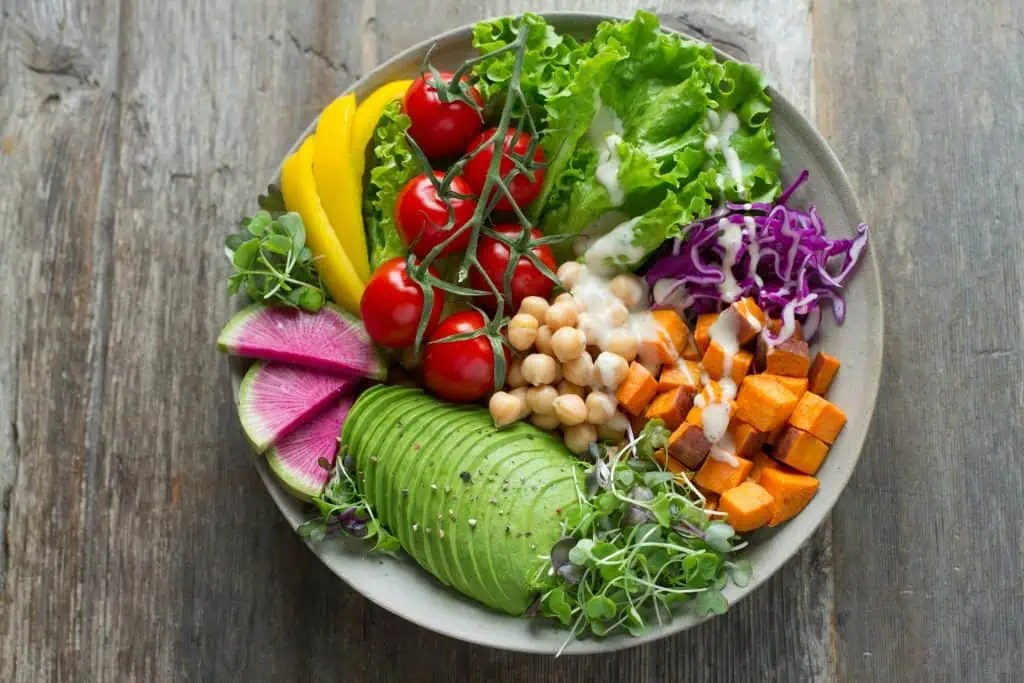
The surge in plant-based diets marks a significant cultural change, with more people seeking flavorful, meat-free dishes. Cuisines worldwide are being adapted to include vegan variations, highlighting ingredients like jackfruit, tofu, and legumes.
As grocery stores expand their plant-based offerings, it becomes easier to find high-quality products that inspire culinary creativity and meet diverse dietary needs.
Health Perks Fueling the Vegan Buzz
The health benefits of a vegan diet are a compelling factor for many. By focusing on whole foods such as vegetables, grains, nuts, and seeds, people often report improvements in energy levels and digestion.
These ingredients are rich in essential nutrients, fiber, and antioxidants, supporting heart health and reducing inflammation. Emphasizing fresh, seasonal produce can also enhance meal quality and satisfaction.
Meat-Free Meals for a Greener Planet
Choosing plant-based meals contributes significantly to environmental sustainability. Plant agriculture generally requires fewer resources compared to livestock production, reducing greenhouse gas emissions and conserving water.
By incorporating more grains, beans, and locally-sourced vegetables into daily meals, individuals can make a positive impact on the planet while enjoying delicious, nutrient-rich dishes.
Trends and Ethics: A Social Perspective
Veganism today is shaped by trends that emphasize ethical consumption and animal welfare. Increased transparency in food sourcing empowers consumers to make informed choices aligned with their values.
Innovative startups and chefs are devising creative, palatable alternatives, translating ethical principles into accessible and enjoyable dining experiences. This broader awareness encourages dialogue on food production and consumption.
Gen Z and the New Culinary Frontier
Gen Z has rapidly embraced plant-based eating, seeing it as both a culinary adventure and a lifestyle commitment. As digital natives, they access a wealth of online resources, learning techniques and discovering new ingredients at an impressive pace. They’re drawn to vibrant dishes that showcase fresh produce, whole grains, and legumes, using elements like smoky tofu or roasted chickpeas for depth. They experiment with flavors, infusing traditional recipes with contemporary twists, think lentil Bolognese or mushroom ‘steak’ with chimichurri.
These home cooks prioritize health and are unafraid to step outside conventional boundaries, paving the way for innovative plant-based cuisines.
Sustainability: The Modern Diet’s Core
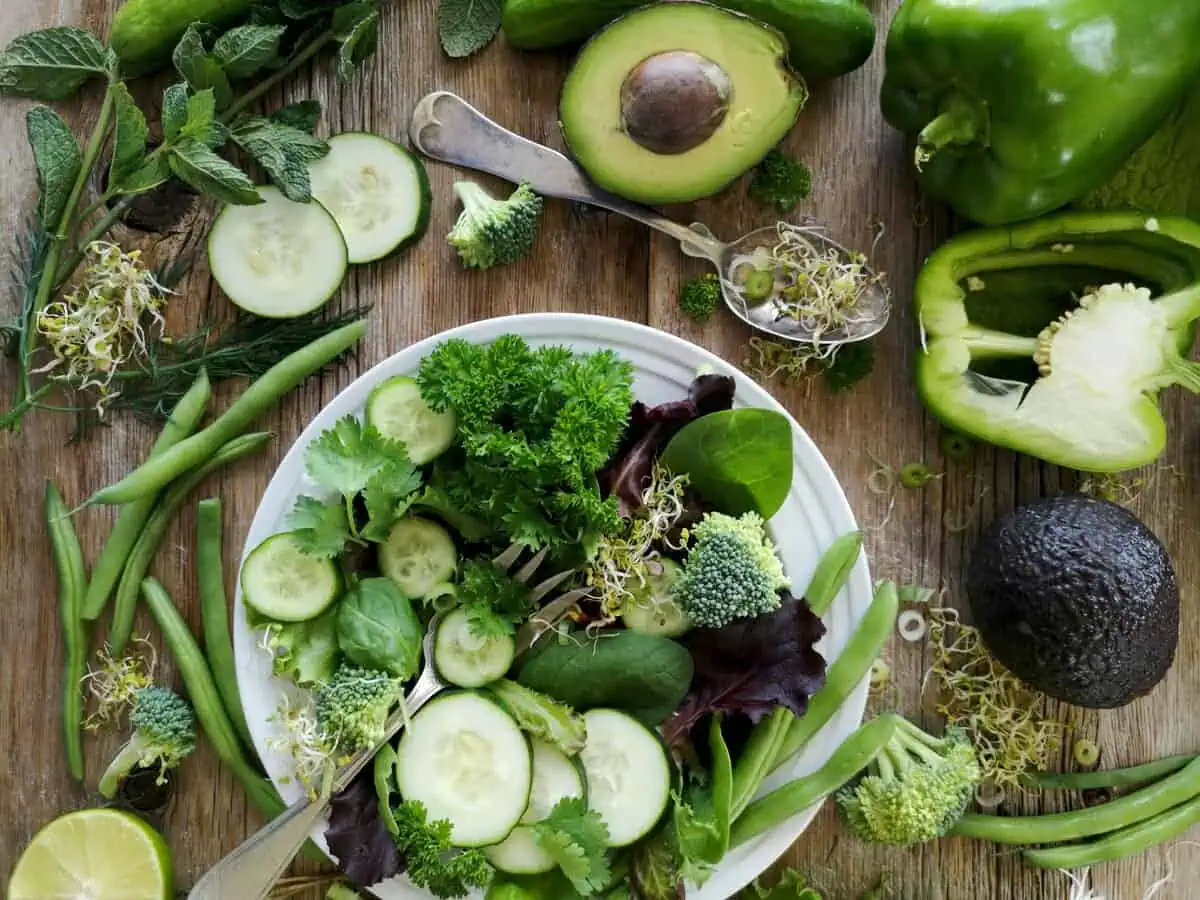
Sustainability has become a central tenet of the modern diet, particularly within plant-based circles. Adopting veganism significantly reduces one’s carbon footprint as plant production generally requires fewer resources than animal farming. This shift encourages a wider variety of crops, like quinoa, millet, and hemp seeds, fostering biodiversity.
Home cooks are learning to value seasonal produce, enhancing freshness while supporting local agriculture. Cooking techniques such as pickling, fermenting, and dehydrating help eliminate waste and preserve ingredients. By focusing on sustainability, every dish contributes to a more mindful and environmentally-friendly lifestyle.
