
Pre-Diabetic? Avoid These 9 Common Breakfast Pitfalls
For those managing pre-diabetes, breakfast choices are crucial in maintaining stable blood sugar levels. Understanding common breakfast pitfalls is key to making healthier decisions. This guide emphasizes mindful ingredient selection and preparation techniques to help avoid these traps. By focusing on more balanced options, you can start your day with energy and nutritional balance that supports your health goals.
The Pancake Predicament

Pancakes can be a breakfast favorite, but their refined flour and sugar content can spike blood sugar levels. To make them more suitable, consider using whole grain or almond flour, which offer more fiber and protein. Incorporate mashed bananas or unsweetened applesauce for natural sweetness and moisture, reducing the need for added sugars. Cooking them in a non-stick skillet with minimal oil can also help maintain a healthier preparation. Top with fresh fruit or a dollop of Greek yogurt rather than syrup for a nutritious boost.
Pastry Perils to Watch

Pastries often combine refined carbs and sugars that may overwhelm your system. Opt for alternatives like whole grain muffins, which introduce more fiber and less sugar. Incorporating ingredients such as carrots, zucchini, or nuts adds texture and nutrition. Make use of spices like cinnamon or nutmeg to impart flavor without added sugars. If baking at home, control sugar levels by experimenting with natural sweeteners like stevia or honey in moderation, and enjoy them alongside protein-rich foods to balance blood sugar.
Sugary Cereals: A Sweet Trap

Sugary cereals may seem convenient, but they’re often loaded with hidden sugars that lead to energy crashes. Seek out high-fiber, whole-grain cereals, checking labels for those with minimal added sugar. Pairing cereal with unsweetened almond or soy milk can provide a lower-carb, lactose-free option. Topping cereal with a handful of nuts or seeds can add healthy fats and protein, keeping you fuller longer and aiding in stabilizing blood sugar levels. Choose a balanced serving size to avoid overconsumption.
Toast with Hidden Sugars

Toast can be another tricky choice if not made wisely. Opt for whole grain or sprouted bread, which offers more fiber than white bread. Be cautious with spreads, avoiding sugary jams and opting for almond butter or avocado. These alternatives provide healthy fats and protein. Enhance flavor with a squeeze of lemon or a sprinkle of herbs instead of sugary toppings. Choosing savory over sweet can keep your blood sugar more stable, offering a satisfying and health-conscious start to your day.
Beware of Breakfast Smoothies

Breakfast smoothies often hide an overwhelming amount of sugar, even those labeled as “healthy.” Focus on making your own using whole fruits like berries, which are lower in sugar compared to tropical options. Add leafy greens such as spinach for fiber and balance. Opt for unsweetened almond milk or water as a base, skipping any added sweeteners. A spoonful of natural nut butter or a handful of seeds can introduce healthy fats and protein. By controlling ingredients, you maintain flavor and nourishment without overloading on sugar.
Coffee Drinks Loaded with Sugar

Coffee drinks often become sugar traps with flavored syrups, whipped cream, and sweetened milks. When preparing your morning cup, opt for black coffee or espresso to reduce added sugars. If you prefer milk, choose unsweetened plant-based options or skim milk, which provide creaminess without unnecessary calories. Infuse natural flavors using ground cinnamon or vanilla extract. This keeps your coffee energizing while aligning with blood sugar goals. Mastering this balance supports both health and morning ritual enjoyment.
Granola Bars: Not Always Healthy
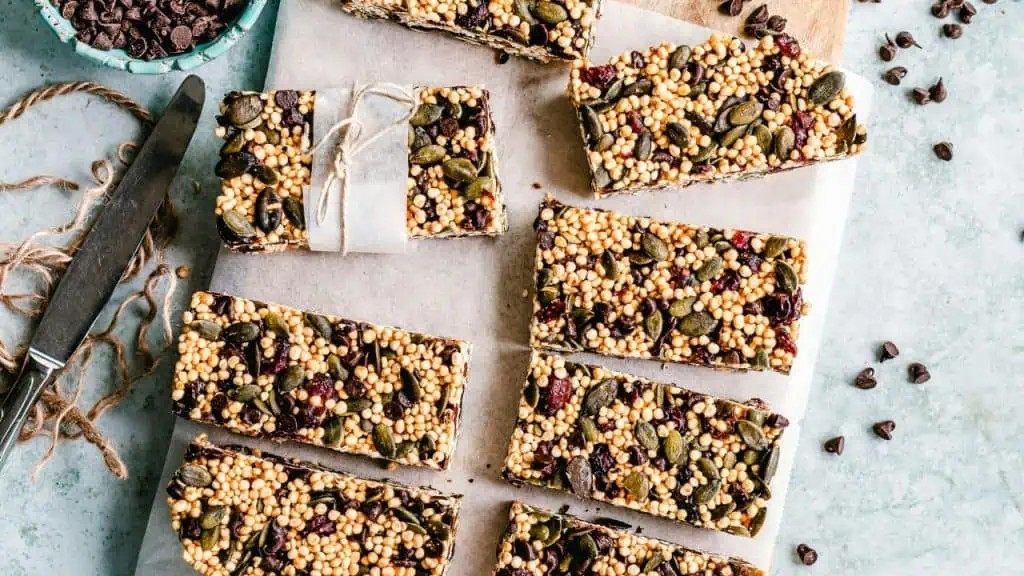
Many granola bars masquerade as health foods but are laden with sugars and artificial ingredients. Selecting ones with minimal, recognizable ingredients is key. Look for bars rich in nuts, seeds, and fibers, with natural sweeteners like dates or honey in moderation. Consider making your own using oats, almonds, and a touch of maple syrup. This ensures both control over content and satisfaction. Paying attention to labels and ingredients helps maintain energy levels while supporting better health decisions.
Fruit Juices: Sugar in Disguise

Fruit juices, even those labeled natural, concentrate sugar into a deceptively small serving. Instead of store-bought versions, enjoy whole fruits to benefit from natural fibers and reduced sugar impact. If craving juice, dilute it with water or club soda to lessen sugar concentration and enhance hydration. This approach provides vital nutrients while minimizing sugar intake. Remaining mindful of portion size and content helps integrate fruit flavors healthily into a balanced diet.
Yogurt Cups: Check the Labels

Flavored yogurt cups can contain as much sugar as desserts, often overshadowing their probiotic benefits. Selecting plain, unsweetened yogurt is the best choice, allowing for control over added flavors with fresh fruit or a drizzle of honey. Adding nuts or seeds enhances texture and nutritional value, prioritizing both satisfaction and health. This approach empowers you to enjoy yogurt’s benefits without the accompanying sugar pitfalls, making snack time genuinely nourishing.
