
One Soup, One Uprising: The Story Behind a Revolutionary Recipe
Let’s be real—when you think of a soup that could start a movement, borscht probably isn’t the first thing that comes to mind. But this bright purple, beet-loaded bowl of goodness is way more than just an old family recipe. For generations, people across Eastern Europe have turned to borscht because it’s cheap, filling, and packed with tangy, earthy flavor. It’s the kind of dish that warms you up on a cold day and stretches a tiny food budget into a meal that feeds the whole table. But here’s where it gets interesting: borscht has recently stepped out of the kitchen and into the spotlight as a symbol of protest, pride, and togetherness. Yep, a soup went viral—and not just for its taste.
So what turned a humble beet soup into an international icon? It all started with a simple cooking video that lit up social media, sparking a wave of home cooks, artists, and even political leaders to take notice. Suddenly, people everywhere were chopping beets, simmering broth, and sharing their own twists on borscht—from spicy Mexican versions to earthy mushroom takes. Murals appeared on city walls, grocery stores couldn’t keep beets in stock, and one thing became clear: this wasn’t just about soup anymore. It was about community, resilience, and the power of a shared meal to send a message. Ready to dive into the story? Grab a spoon—this gets good.
Why Borscht? A Soup Steeped in History
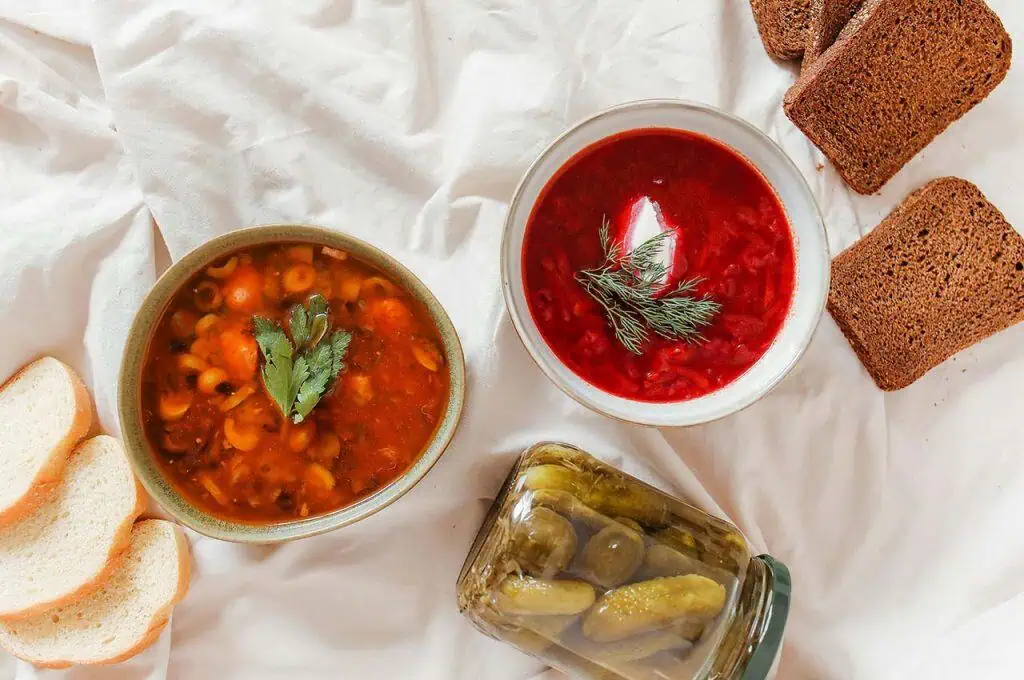
Borscht boasts a rich heritage, with roots in Eastern European culinary traditions. This deeply nourishing soup has long been a staple, appreciated for its economical ingredients and invigorating flavors. The combination of earthy beets, tangy vinegar, and aromatic dill creates a complex profile that reflects its diverse cultural influences. Its adaptability allows it to resonate across borders, making it a dish that not only warms the table but also unites communities with its historical significance.
The Viral Video That Lit the Flame
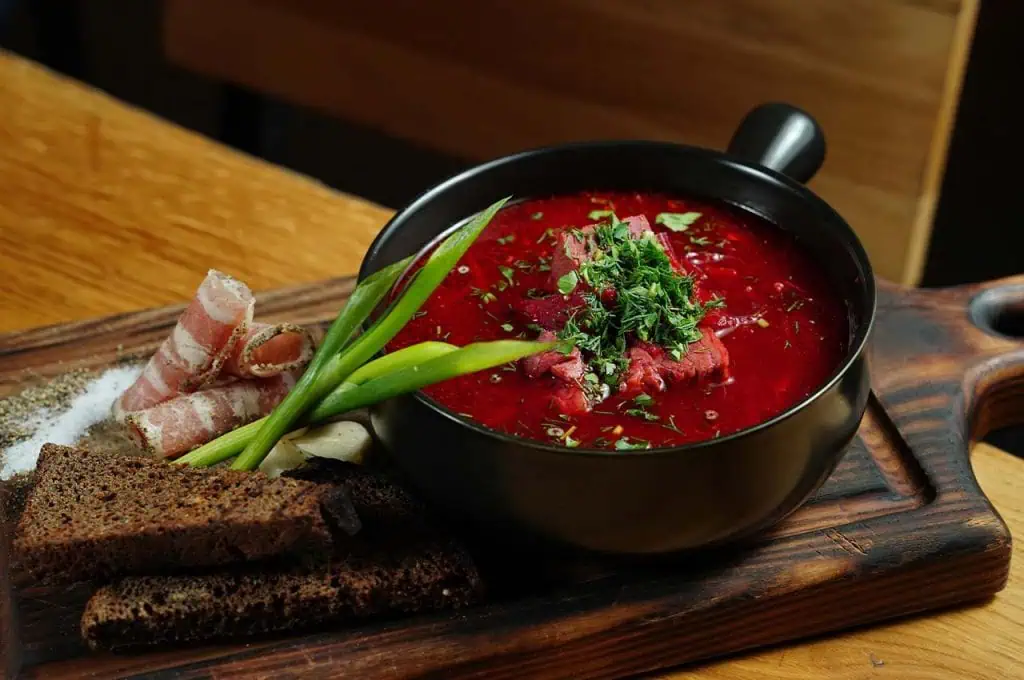
A viral video showcasing a borscht cooking demonstration sparked renewed interest in this cultural classic. The visual storytelling highlighted the dish’s simplicity and depth, captivating viewers and inspiring a surge of culinary curiosity. Home cooks flocked to recreate this colorful soup, emphasizing authenticity while exploring their own creative twists. The attention on borscht brought both its culinary and cultural qualities to the forefront, transforming it into a symbol of shared heritage and renewed activism.
The Science of Soup and Solidarity
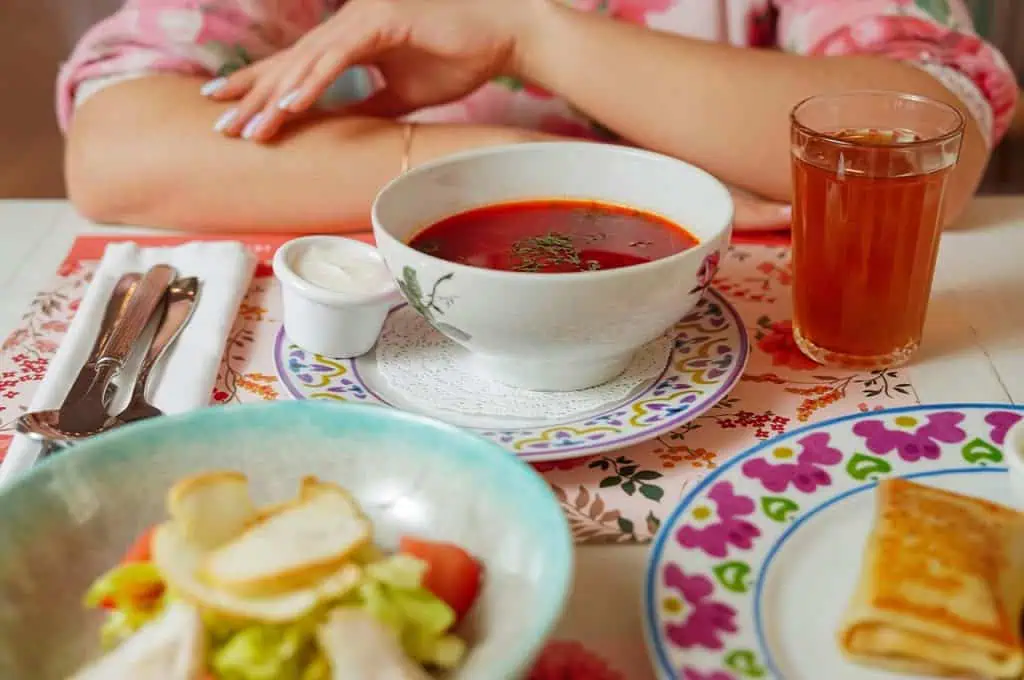
Understanding the chemistry behind borscht reveals why it’s more than just a meal; it’s an experience. The dish’s vibrant hue comes from betalains, powerful antioxidants in beets, while the balance of acids and sweetness enhances its restorative properties. Each ingredient, from the savory onions to the subtle caraway seeds, plays a crucial role in its comforting wholesomeness. Through its careful crafting, borscht becomes a symbol of solidarity, embodying the nourishing bond between people and traditions.
Art, Activism, and Borscht Murals
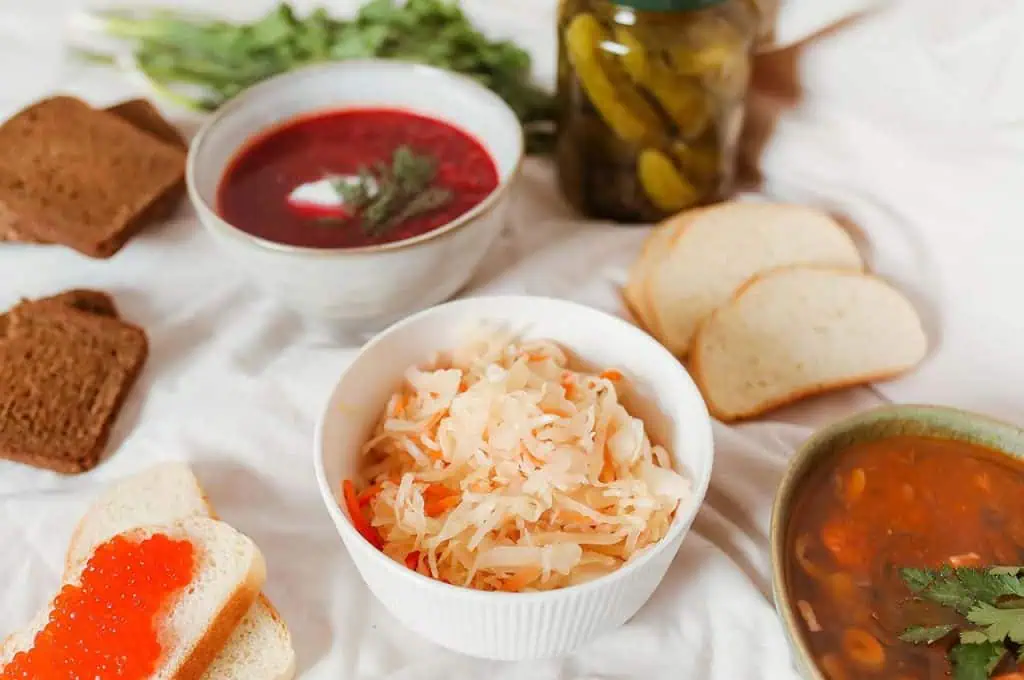
Borscht transcends the bowl, inspiring art and activism through murals that celebrate its cultural resonance. Artists have captured its vivid palette and historical significance on public canvases, reinforcing its role as a culinary and social icon. These murals stir dialogue, reflect collective memory, and honor the rich stories tied to this humble dish. By blending visual art with gastronomy, borscht murals highlight the enduring unity fostered through shared meals and shared struggles.
Global Kitchens Join the Protest
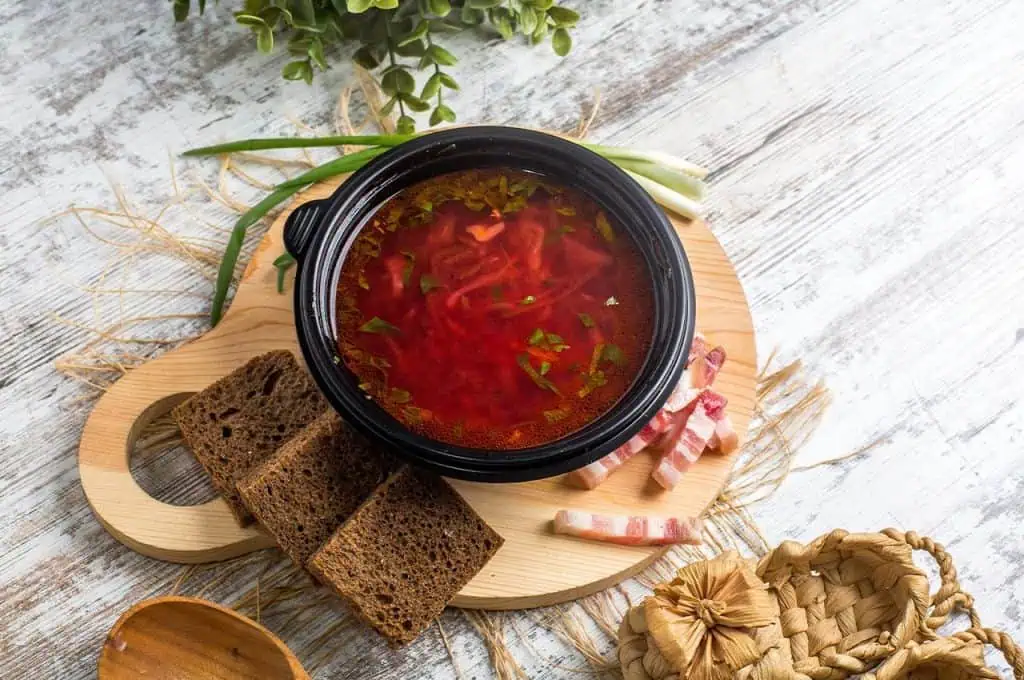
Around the world, kitchens became centers of activism as chefs and home cooks united with one pot at a time. The humble soup evolved into a symbol, showcasing the power of grassroots movements. In diverse regions, cooks shared techniques to highlight local ingredients, promoting regional flavors while fostering a sense of unity. From spicy chilies in Mexico to earthy mushrooms in Eastern Europe, each version of the soup provided a platform for personal expression, unifying with its comforting warmth. This culinary collaboration effectively showcased the global reach and relevance of the protest.
Political Leaders Take Notice
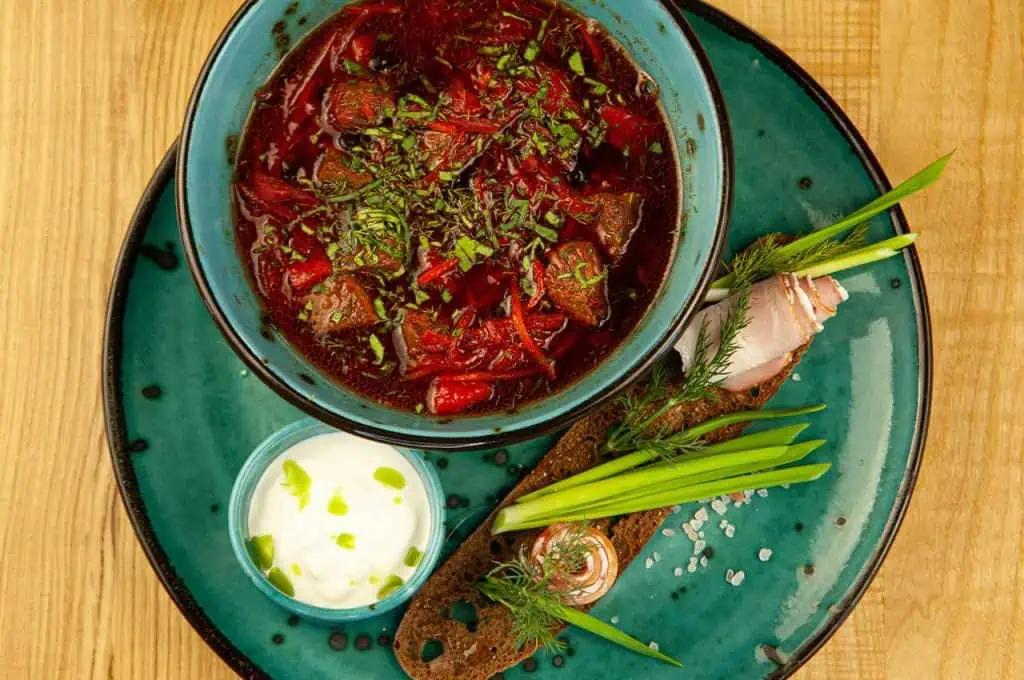
The widespread adoption of the soup recipe by citizens did not go unnoticed by governments. As more voices joined the movement, the aroma of simmering broths wafted into political discussions. Leaders were forced to acknowledge the calls for change embodied in each steaming bowl. The simple, yet strategic act of cooking this dish made a clear statement: food can be both sustenance and a powerful tool for dialogue. By engaging with a universally relatable medium, the movement earned its place in policy considerations, demanding a response from those in power.
Economic Impact: Soup Sales Soar

As the revolutionary soup gained popularity, its economic impact became evident. Sales of key ingredients skyrocketed, providing a boost to local farmers and suppliers. Markets reported increased demand for organic vegetables, heirloom varieties, and spices. Artisanal bread makers and local butchers also saw a surge in business as consumers sought complementary products. This culinary movement not only fueled a social cause but also invigorated regional economies. The ripple effect of this dish illustrated the interconnectedness of food systems, highlighting how a simple recipe could influence broader economic landscapes.
Recipes, Remixed and Remembered
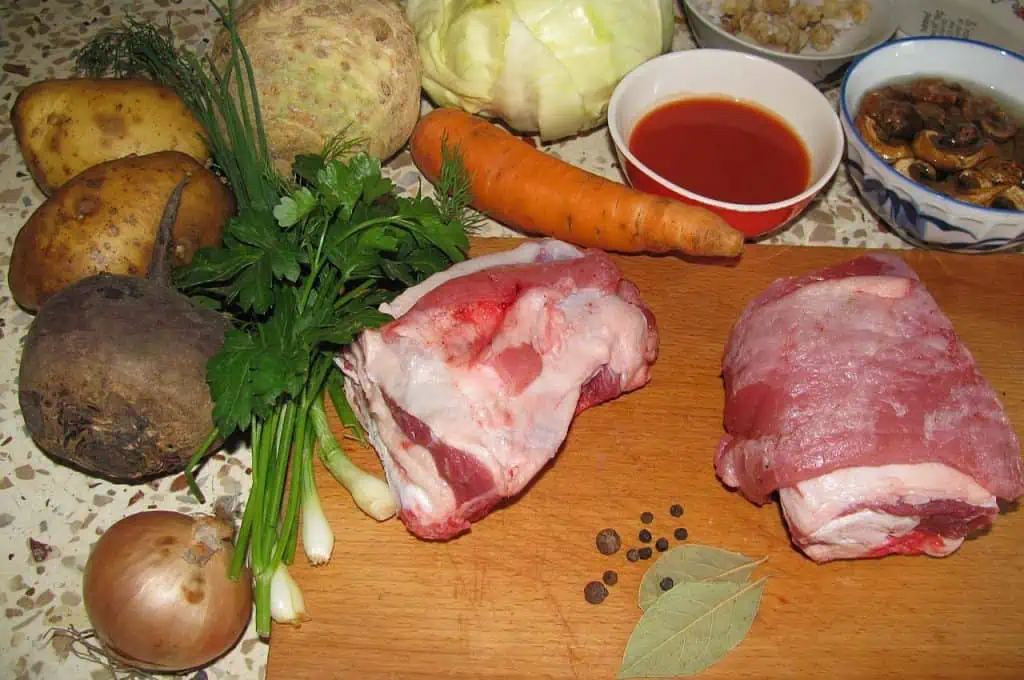
With its rise, the soup inspired creativity, leading to countless remixes and personalized versions. Across social platforms, cooks shared their adaptations, turning the classic into a canvas for innovation. Additions like roasted garlic, lemon zest, or a dash of exotic spices provided new layers of flavor, ensuring the dish remained dynamic and culturally inclusive. Cooks used variations to honor culinary traditions while contributing to a collective story. This adaptability highlighted the enduring nature of the recipe, celebrating its roots while inviting creative expression, making each version a shared memory in the movement.
From Soup to Symbol: What’s Next?
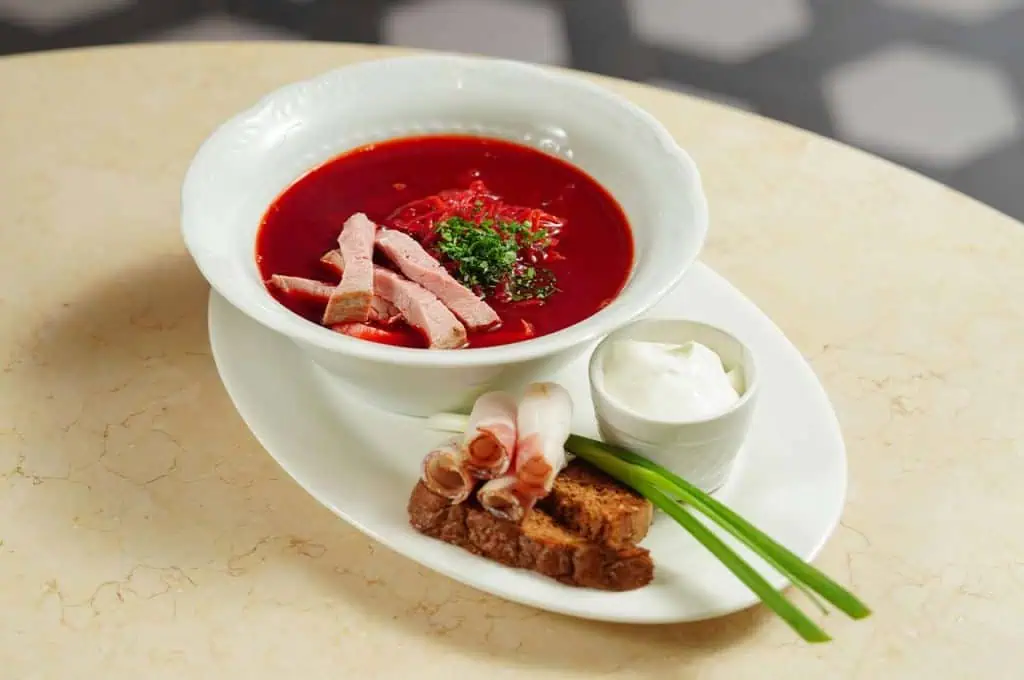
As the culinary momentum grew, attention turned to the future implications of this symbolic recipe. Beyond the kitchen, it now served as an ongoing reminder of collective power and resilience. The movement inspired similar initiatives, harnessing the same principles for diverse causes. Looking forward, dialogues started about how food can continue to unite and advocate for change in different contexts. This soup, much more than a fleeting trend, established its role as a lasting icon for culinary activism, demonstrating that humble dishes can lead to meaningful discourse and tangible progress in communities worldwide.
