
My Grandad’s 40-Year-Old Fish and Chips Recipe Never Fails: People Beg Me for It Every Time
Recreating the authentic taste of a traditional British fish and chips shop requires more than just a deep fryer; it demands a specific understanding of batter chemistry and potato starch. According to culinary historians, the combination of fried fish and chips became a staple of the British working class in the mid-19th century and remains a cultural icon today.
This 40-year-old family recipe relies on techniques that prioritize temperature control and moisture management to achieve a specific texture that modern fast-food versions often lack. We analyzed the science behind cold carbonation in batter and the starch-to-sugar ratio of various potato types to explain why this particular method consistently produces superior results.
This guide breaks down the essential steps to mastering a meal that has remained virtually unchanged for decades.
Choosing the Right Fish and Preparation
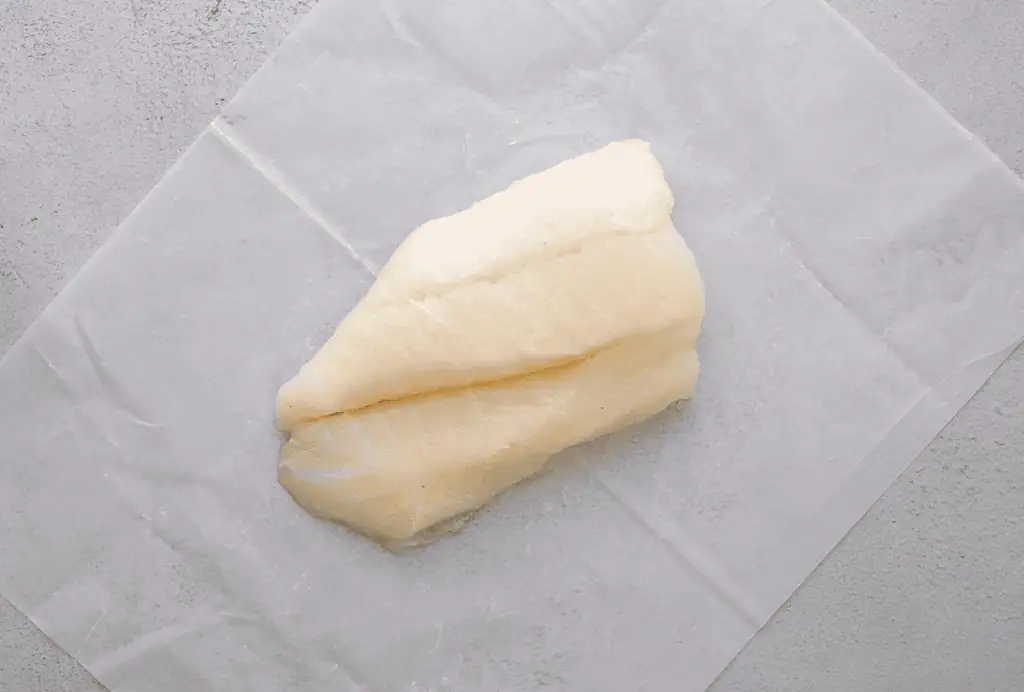
The foundation of a great fish and chips dish begins with selecting high-quality white fish like Atlantic cod or haddock, which are prized for their firm, flaky texture. According to seafood industry standards, the fish must be thoroughly patted dry with paper towels to ensure the batter adheres properly during the frying process. If the surface of the fish is even slightly damp, steam will build up under the coating, causing the batter to become soggy and detach from the flesh.
Our family method involves a light dusting of seasoned flour before dipping the fillets into the liquid batter to create a dry interface for better grip. Using sustainably sourced, thick-cut fillets ensures that the fish remains succulent and moist while the exterior undergoes a rapid transformation into a golden, crispy shell.
The Secret to Shatteringly Crisp Batter
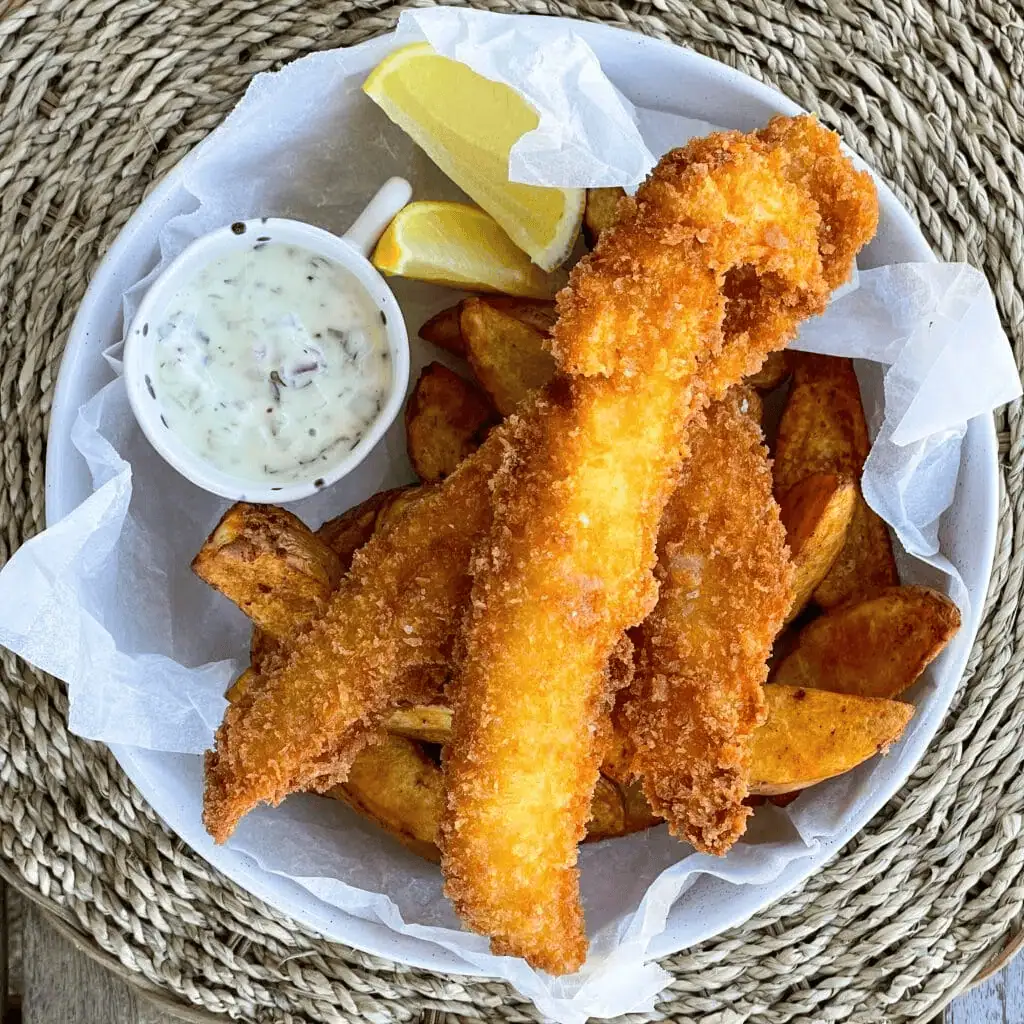
The hallmark of my grandad’s recipe is a batter made with ice-cold carbonated liquid, such as ale or sparkling water, which introduces tiny air bubbles into the mixture. When this aerated batter hits the 180°C oil, the bubbles expand and create a light, honeycomb structure that is much crispier than a standard milk-based coating. According to food science reports, using a high-protein flour like bread flour can make the batter too chewy, so we utilize a mix of all-purpose flour and cornstarch for a delicate crunch.
It is crucial to mix the batter just before frying to keep the carbonation active and to avoid over-mixing, which develops gluten and results in a bread-like texture. This specific ratio of cold liquid to dry ingredients is what creates the “shatter” effect that makes people beg for the secret behind the recipe.
The Triple-Cooked Chip Method
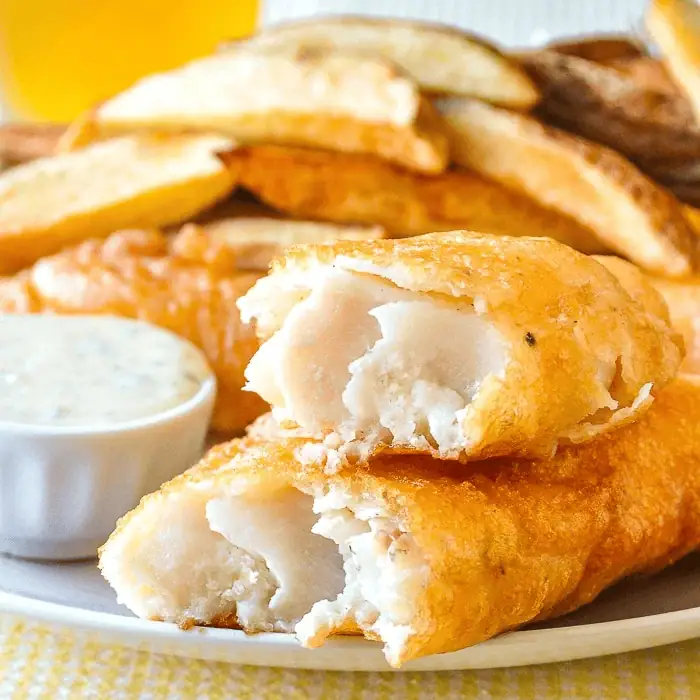
A perfect chip should be golden and crunchy on the outside while remaining as fluffy as a baked potato on the inside. We use Russet or Maris Piper potatoes because their high starch content allows for a superior texture when compared to waxy varieties like red-skinned potatoes. The process starts with parboiling the cut chips in salted water until the edges are slightly frayed, which creates more surface area for the oil to crisp up later.
After boiling, the chips are chilled to remove moisture before undergoing a two-stage frying process at different temperatures to lock in the internal steam. According to professional chefs, this “triple-cooking” method is the industry gold standard for achieving a chip that stays hot and crispy for a significant amount of time after leaving the fryer.
Temperature Control and Oil Selection
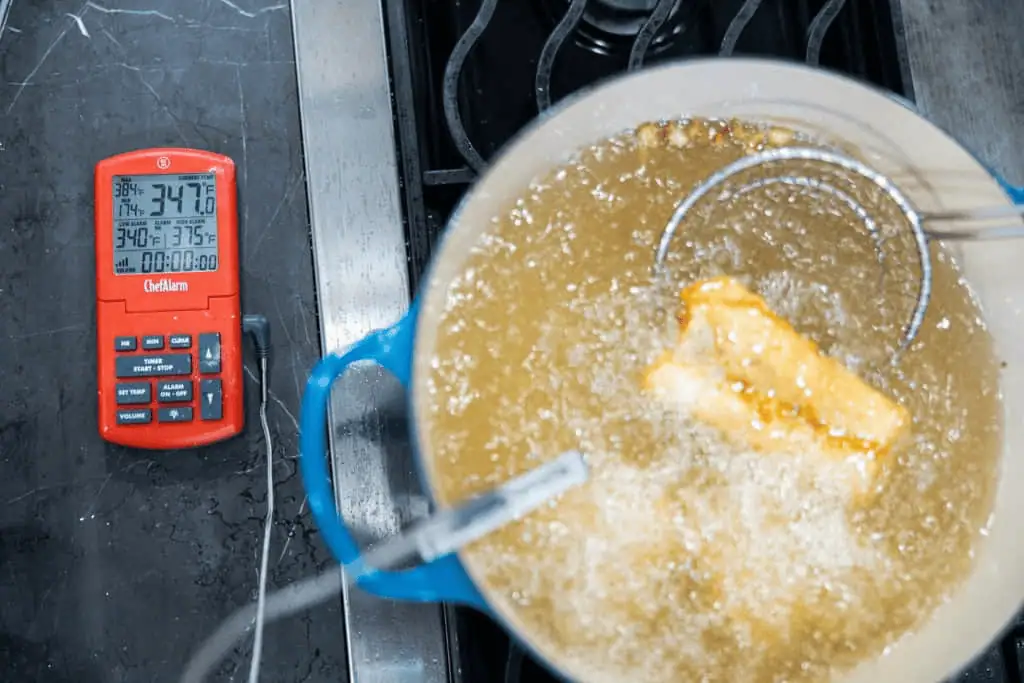
Maintaining a consistent oil temperature is perhaps the most critical technical aspect of this 40-year-old recipe. We recommend using a high-smoke-point oil such as peanut or sunflower oil, which can withstand the high heat required without breaking down or adding unwanted flavors. Using a digital thermometer is essential, as dropping the fish into oil that is too cool will result in a greasy, oil-soaked batter that lacks the necessary crunch.
Conversely, oil that is too hot will burn the exterior before the fish inside has reached the safe internal temperature of 63°C. This careful balance of heat ensures that the batter seals instantly, creating a pressurized cooking environment inside that gently steams the fish to perfection in under seven minutes.
The Final Touch: Proper Seasoning and Sides
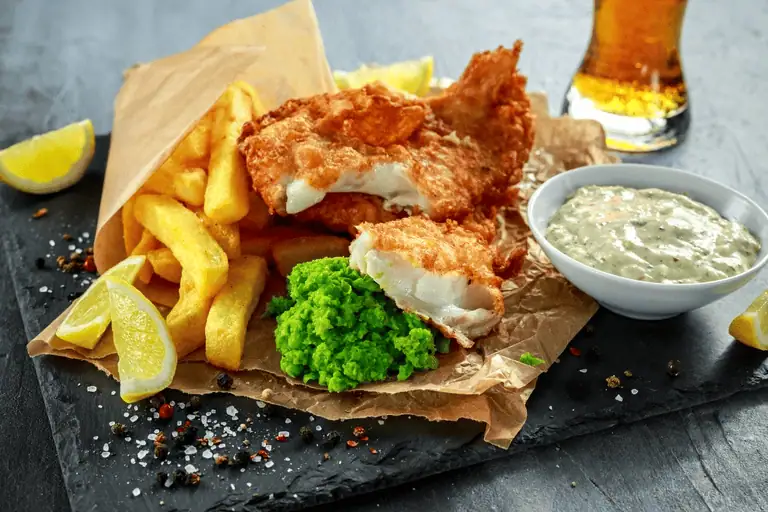
In the world of traditional fish and chips, the seasoning and sides are just as important as the main components. According to British culinary traditions, the meal should be generously seasoned with sea salt and high-quality malt vinegar immediately after being removed from the oil while the surface is still hot. The acidity of the vinegar cuts through the richness of the fried coating, providing a balanced flavor profile that highlights the sweetness of the fresh fish.
Traditional accompaniments like mushy peas, made from marrowfat peas, and a tangy tartar sauce add necessary textural contrast to the plate. Following these final steps ensures that the meal feels complete and authentic, honoring a 40-year-old legacy that continues to impress every person who sits at the family table.
