
Matcha vs Coffee: What Nutritionists Say You Should Sip
When comparing matcha and coffee, the focus often shifts between taste and tradition. Yet, an essential perspective is the nutritional value each brings to your day. Both beverages offer unique properties that cater to different lifestyle needs. Understanding these differences can help you decide what better suits your morning routine. Whether you’re drawn to the boldness of coffee or the subtlety of matcha, a closer look at their nutritional profiles can guide your choice.
Caffeine Showdown

Caffeine content is a key differentiator between matcha and coffee. A standard cup of coffee typically delivers around 95 milligrams of caffeine, while matcha provides a more moderate dose of approximately 35 milligrams per serving. This variance can significantly impact your energy levels and focus. Matcha’s gradual release of caffeine, combined with L-theanine, promotes a relaxed alertness. In contrast, coffee offers a more immediate, intense stimulation, ideal for those needing a quick boost.
Antioxidant Power
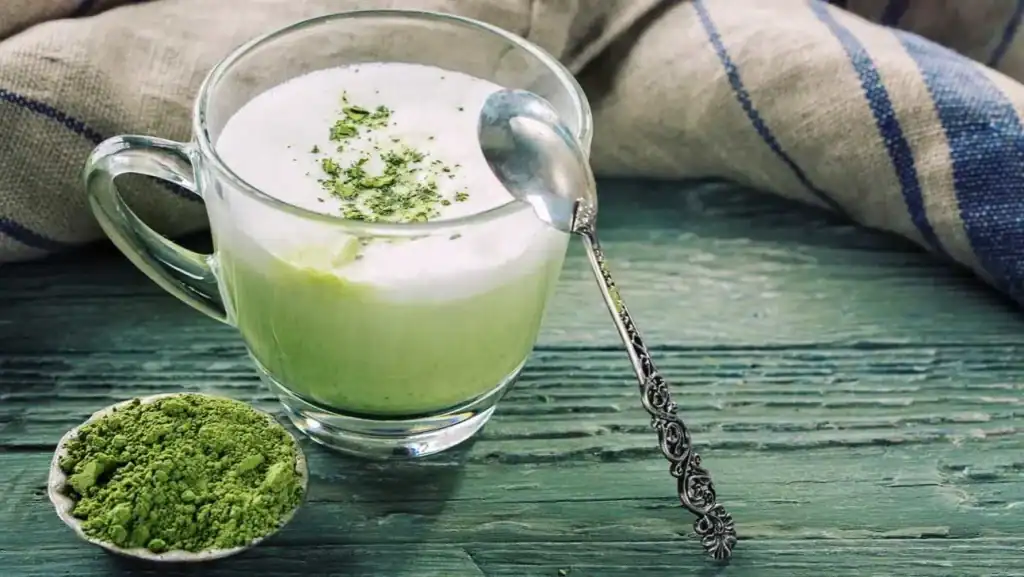
Matcha boasts a high concentration of catechins, a type of antioxidant, with EGCG being the most prominent. These compounds are linked to numerous health benefits, including heart health and inflammation reduction. Coffee also offers a rich supply of antioxidants, primarily chlorogenic acids, which contribute to its health-boosting reputation. Deciding between the two may depend on your specific nutritional goals, but both serve as commendable sources of antioxidants.
Calm Energy vs Jitters

The presence of L-theanine in matcha is a distinctive advantage, working synergistically with caffeine to promote gentle energy and concentration without the common jitters associated with coffee. This amino acid fosters a calm alertness, ideal for sustained focus and productivity. On the other hand, coffee’s quick caffeine release can lead to a sharper peak and subsequent crash, making it more suitable for short-term energy spurts. Your preference for energy might guide which beverage you choose.
Nutritional Benefits

Beyond caffeine and antioxidants, matcha is rich in vitamins such as A, C, and E, along with trace minerals like zinc and magnesium, which support overall well-being. Coffee, while lower in these micronutrients, is credited with supporting metabolic health due to its impact on glucose regulation. The choice between the two may rest on individual health needs and personal dietary goals. Incorporating either thoughtfully can enhance not only flavor but also the nutritional profile of your daily regimen.
Impact on Mental Health

Both matcha and coffee can influence mental clarity and focus, yet they do so differently. Matcha contains L-theanine, a compound that promotes relaxation without drowsiness, often resulting in a calm focus. This can help reduce anxiety and improve overall mental well-being. Coffee, rich in caffeine, offers a rapid spike in alertness and may boost mood temporarily, but can lead to jitteriness or crashes in sensitive individuals. Nutritionists suggest choosing based on individual tolerance to maintain mental stability.
Weight Management

For those interested in weight management, both beverages offer benefits. Matcha is rich in catechins, particularly EGCG, which can enhance metabolism and fat oxidation during exercise. Coffee is known for its ability to temporarily boost metabolism through caffeine content, potentially aiding in calorie burning. However, it’s crucial to avoid sugar-laden versions of either beverage. Nutritionists recommend opting for plain or mildly sweetened drinks to maximize health benefits and support weight loss goals.
Digestion and Gut Health

The impact of matcha and coffee on digestion varies. Matcha is gentle on the stomach and rich in antioxidants, contributing to a balanced gut microbiome. Its chlorophyll content may also aid in detoxification. Conversely, coffee can sometimes irritate the stomach or exacerbate acid reflux due to its acidity. However, it might stimulate bowel movements for some, aiding digestion. Nutritionists generally advise individuals with sensitive digestive systems to opt for matcha to avoid potential discomfort.
