
Inside an 80-Year-Old U.S. Army Food Ration Can From 1941: Here’s What Soldiers Ate
Long before lightweight packaging and modern Meals Ready-to-Eat, U.S. soldiers depended on compact canned rations built primarily for durability and long shelf life. A recently opened 80-year-old Army ration can from 1941 offers an unusually clear window into what service members consumed at the outset of World War II. These early field rations were not designed with culinary appeal in mind. Instead, they were engineered for survival, efficient transport, and high caloric density under unpredictable combat conditions. Examining one today reveals more than preserved food, it reflects the logistical realities, technological limits, and strategic priorities that shaped wartime provisioning.
The C-Ration System
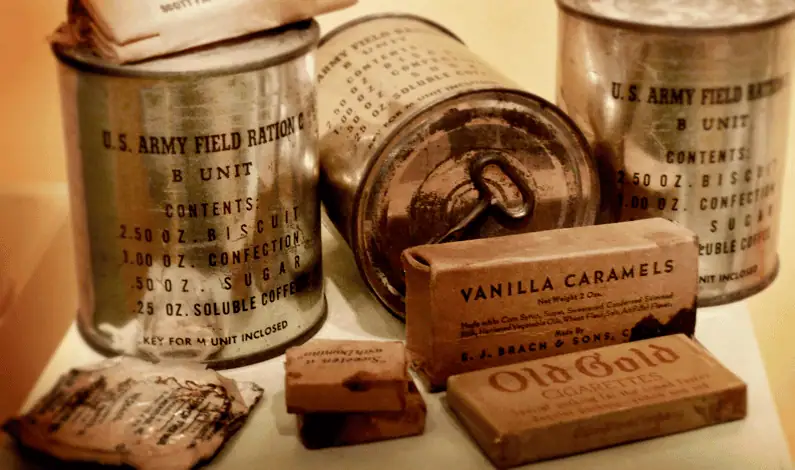
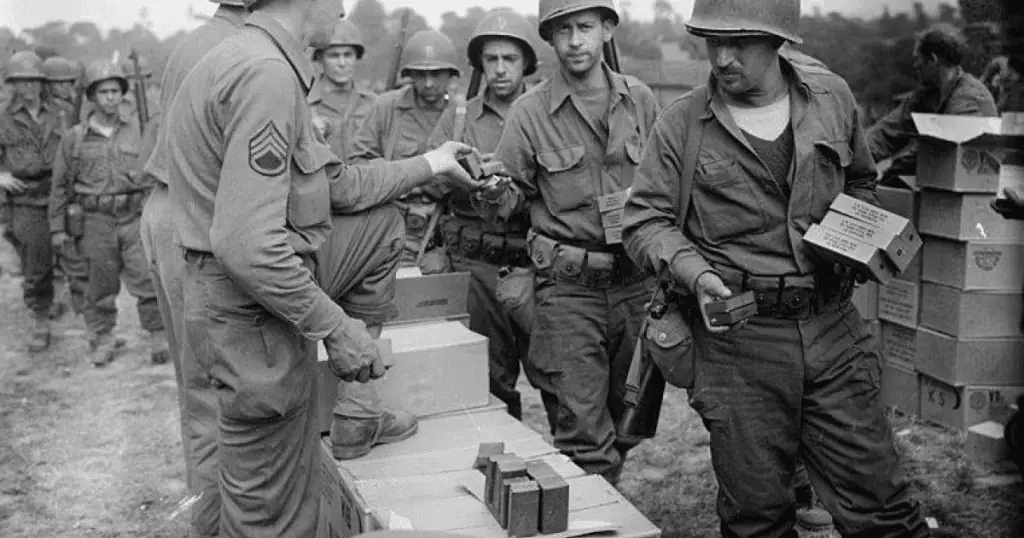
In 1941, the U.S. Army issued what became known as the C-ration, a canned, individually portioned field meal created specifically for combat conditions during World War II. Each unit typically included a meat entrée, crackers or bread components, and small extras such as coffee, sugar, or cigarettes in some distributions. By modern standards, the cans were heavy and bulky, but they were engineered for durability, long storage, and resistance to rough handling. The design emphasized portability and reliability above comfort. These early wartime rations reflected a military priority focused on practicality, calorie delivery, and logistical efficiency rather than taste or convenience.
What Was Inside the 1941 Can
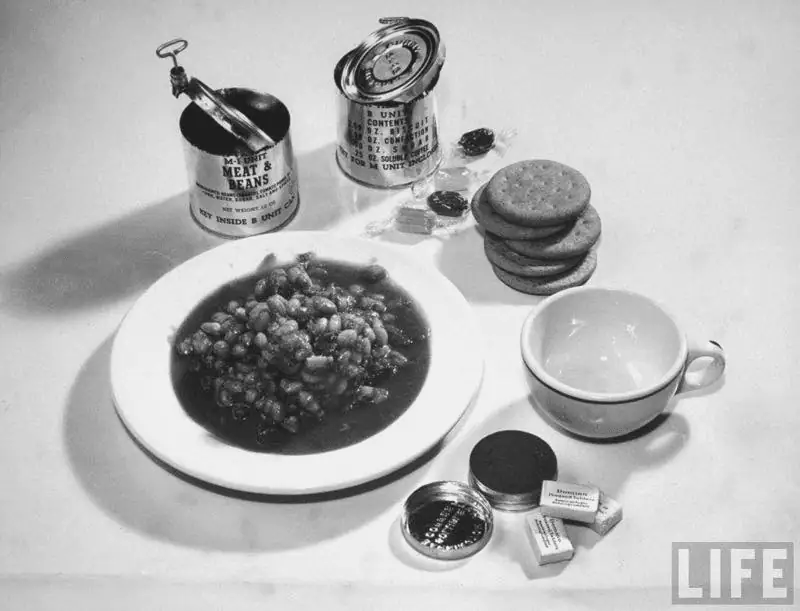
An 80-year-old ration can from 1941 typically contains preserved meat such as beef stew, pork, or hashed mixtures packed tightly in gravy or rendered fat to extend shelf life. Some versions also included dense biscuits, chocolate bars, or powdered drink mixes packaged separately. The ingredient lists were simple and functional, emphasizing protein, fat, and caloric density to sustain soldiers in demanding environments. Flavor options were limited, and seasoning was minimal. The purpose was not culinary variety or comfort, but dependable energy. Every component was selected to withstand transport, temperature changes, and unpredictable field conditions without spoilage.
Shelf Life and Preservation
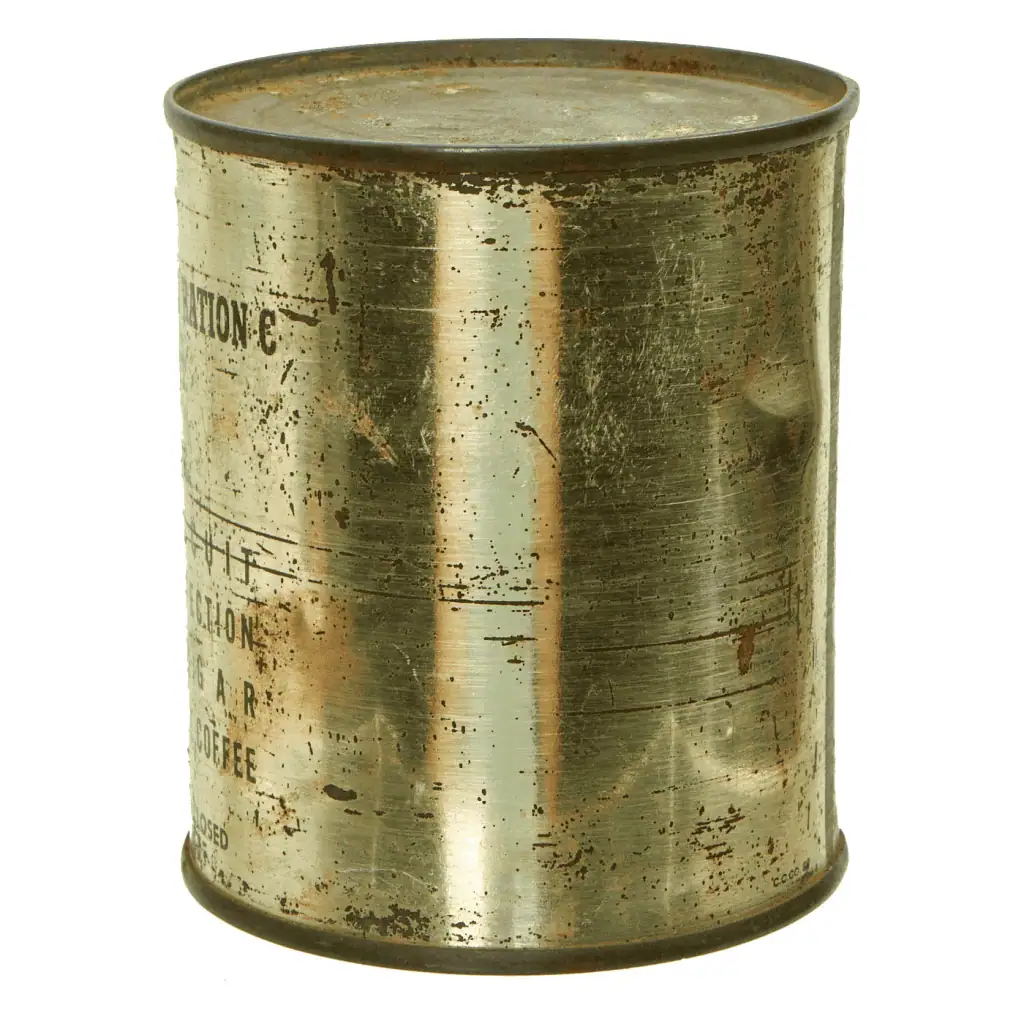
Military canned rations from the early 1940s were engineered with remarkable longevity in mind. Heat processing and vacuum sealing techniques allowed the contents to remain technically edible for years when stored in stable conditions. While safety could be maintained under proper circumstances, nutritional quality and flavor inevitably declined over time. Opening a can eight decades later offers a glimpse into early twentieth-century preservation science and wartime production standards. These rations were not created for taste longevity, but for stability and safety. Shelf life, transport durability, and contamination prevention were prioritized above all other considerations.
Caloric Needs of Soldiers
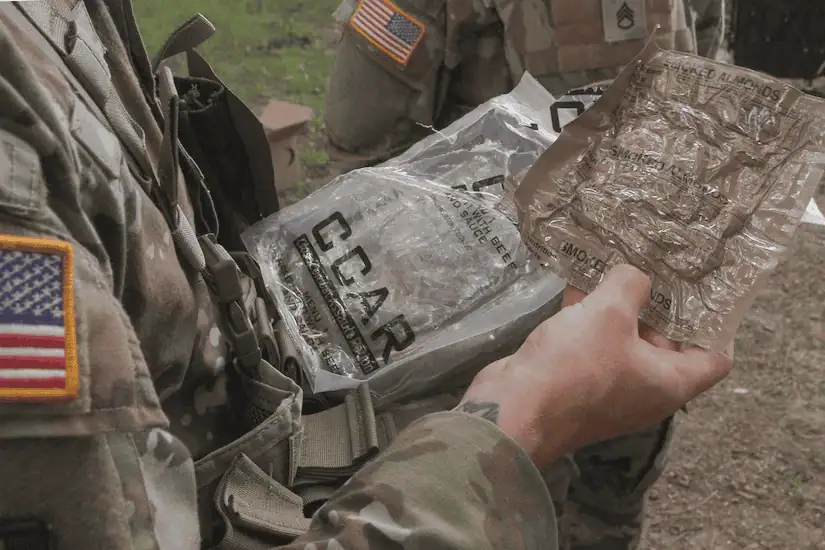
During World War II, soldiers operating in physically demanding and often extreme conditions required substantial daily energy intake. Military guidelines frequently estimated needs between 3,000 and 4,000 calories per day, particularly for troops engaged in active combat or sustained movement. Early C-rations were designed to deliver dense, portable calories in compact, durable packaging that could survive transport and storage. While the meals were not always praised for taste, they were structured to maintain endurance and strength. Limited variety sometimes caused “menu fatigue,” yet the overall caloric balance reflected the military’s growing understanding of nutritional demands under prolonged physical stress.
From C-Rations to Modern MREs
The 1941 ration can marks an early stage in the development of structured military food systems. As decades passed, the U.S. military refined packaging to reduce weight, introduced broader menu selections, and invested in improving flavor and texture. Today’s Meals Ready-to-Eat (MREs) represent years of research into nutrition science, morale support, and logistical efficiency. Modern field meals are designed not only for sustenance, but also for psychological comfort and dietary balance. Examining an 80-year-old ration highlights the evolution from strictly functional wartime provisions to carefully engineered systems built to sustain both performance and morale.
