
How Menu Innovation Is Fueling Restaurant Reinvention in 2026
In 2026, restaurants are redefining themselves through inventive menus that cater to evolving consumer tastes. As food trends shift, eateries harness creativity and innovation to meet demand for novelty and quality. This transformation focuses on understanding diners’ desires, utilizing technology, and experimenting with new ingredients. Such approaches are propelling the industry into a fresh era of culinary exploration, emphasizing flavor, sustainability, and unique dining experiences.
Post-Pandemic Palates: Craving Novelty
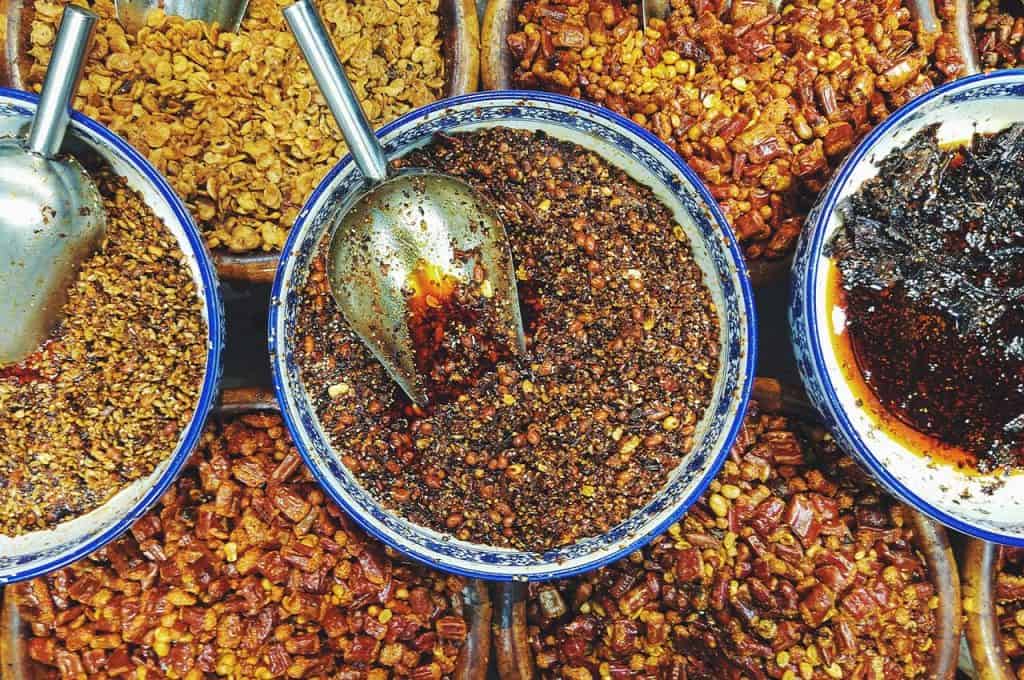
The post-pandemic diner seeks excitement and bold flavors, driving chefs to create unexpected combinations. This period of culinary curiosity pushes boundaries with global spice blends and unfamiliar textures, appealing to adventurous tastes. By incorporating elements from different cuisines, combined with local ingredients, restaurants enhance their offerings. This approach not only attracts diners eager for new experiences but also fosters a deeper appreciation for diverse culinary traditions.
AI and Data Shape Tomorrow’s Menu

Artificial intelligence is revolutionizing menu development by analyzing consumer preferences and predicting trends. Restaurants employ data-driven insights to fine-tune dishes, ensuring they resonate with diners. AI assists in optimizing ingredient lists for both taste and sustainability, while also personalizing menu suggestions. This technological advancement enables eateries to stay ahead of the curve, fostering a dynamic relationship with patrons who seek not just to eat but to be delighted by innovation.
Rethinking Meat Alternatives

The exploration of meat alternatives is at the forefront of culinary innovation in 2026, driven by environmental consciousness and health trends. Chefs are experimenting with plant-based proteins and lab-grown meats, creating dishes that mimic traditional textures and flavors. Techniques such as fermentation and smoking elevate these ingredients, offering satisfying depth. By redefining classic recipes with these alternatives, restaurants appeal to a broader audience while promoting sustainability.
Limited-Time Menus: Marketing Gold

Restaurants utilize limited-time menus as a strategic tool to generate buzz and draw in curious diners. These exclusive offerings create a sense of urgency, enticing guests to try avant-garde dishes before they disappear. By rotating themes, inspired by seasonal ingredients or current events, eateries maintain a vibrant and dynamic menu. This approach not only piques interest but also encourages repeat visits, as patrons anticipate the next culinary surprise.
Fusion Flavors Without the Gimmick

In 2026, the art of culinary fusion has matured beyond trendiness, focusing on authentic cross-cultural techniques. Chefs prioritize understanding each cuisine’s essence before seamlessly integrating flavors. Picture a Japanese-Peruvian ceviche where pristine yellowtail is marinated in a yuzu and aji amarillo blend, each element adding depth without overpowering. Mastery involves balancing acidity, heat, and umami, ensuring that dishes remain respectful to their origins while offering a novel experience. This evolution avoids the pitfalls of superficial mash-ups and highlights a genuine appreciation for diverse culinary traditions.
Functional Foods in Fine Dining
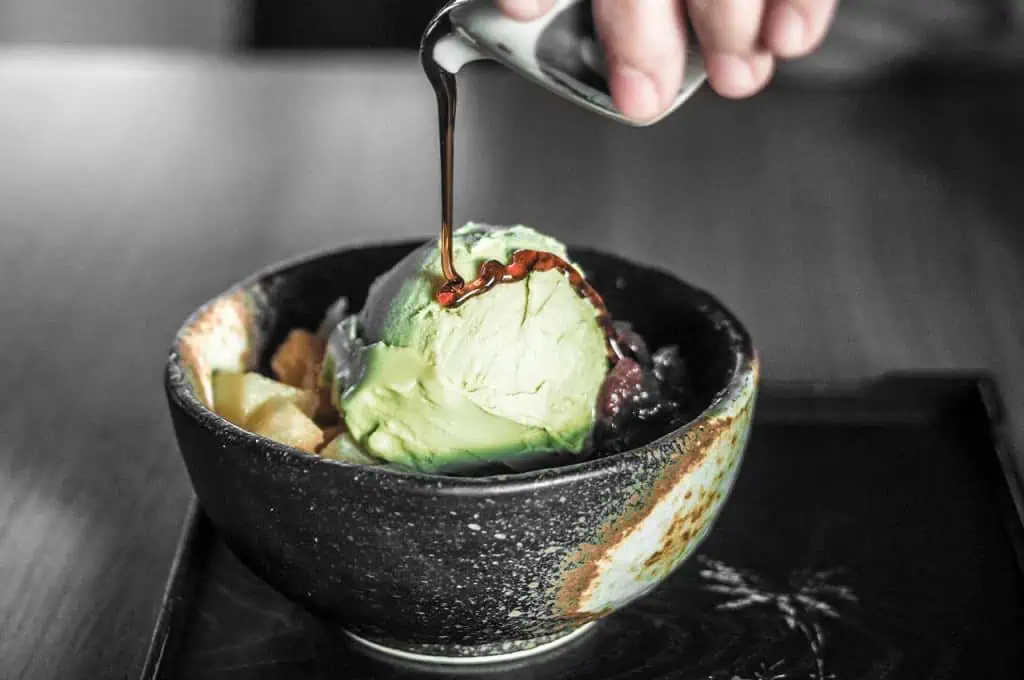
The integration of functional foods into fine dining elevates both health and gastronomy. Ingredients known for their nutritional attributes, such as turmeric and matcha, are crafted into gourmet presentations without sacrificing flavor. A turmeric-infused risotto paired with char-grilled vegetables combines anti-inflammatory benefits with luxurious creaminess. Chefs are meticulous, balancing flavors to enhance not only taste but also wellness. This thoughtful incorporation into dishes reflects a refined approach where health is interwoven with indulgence, transforming dining from mere pleasure to a holistic experience.
Fast Casual Meets Quality

In the fast casual scene of 2026, quality is no longer compromised for speed. Restaurants are leveraging techniques like sous-vide and flash freezing to deliver gourmet-inspired meals efficiently. Imagine a perfectly tender sous-vide chicken breast topped with a vibrant chimichurri, ready in mere minutes. The emphasis is on sourcing premium ingredients and employing quick yet effective cooking methods. This approach respects the consumer’s time while providing a culinary standard on par with higher-end establishments, demonstrating that convenience and quality can coexist harmoniously.
Future Menus: Customization & Storytelling

Menus in 2026 become canvases for personalized dining experiences, inviting diners to engage in their own culinary journey. Through technology, guests customize ingredients and preparation methods, creating unique dishes aligning with individual tastes and dietary needs. Menus offer interactive storytelling, where origins of ingredients and inspirations are shared, deepening the connection between the diner and the dish. This dynamic structure not only emphasizes personalization but also educates, transforming meals into immersive stories that resonate beyond the palate.
