
Gen Z’s ‘Fridge Cigarette’ Diet Coke Habit
The rise of the ‘Fridge Cigarette’ trend has intrigued many, particularly as it relates to Gen Z’s relationship with Diet Coke. This habit, likened to a refreshing ritual, involves taking a break with a chilled Diet Coke straight from the fridge. While seemingly harmless, this trend has sparked discussions among health experts about the implications of frequent low-calorie soda consumption. It’s crucial to examine what drives this craze and the potential dietary consequences connected to it.
What Is the ‘Fridge Cigarette’ Trend?
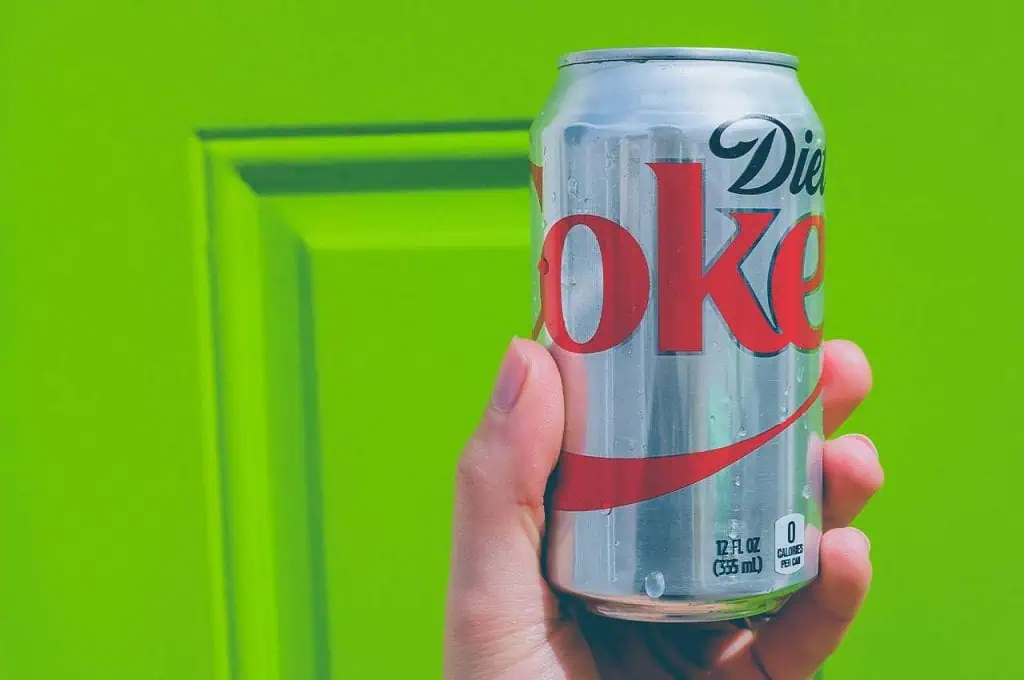
The ‘Fridge Cigarette’ trend refers to taking intentional breaks to enjoy a cold Diet Coke as a means of relaxation. This practice mirrors cigarette breaks but offers an ostensibly healthier alternative. Instead of smoking, individuals savor the carbonated chill of Diet Coke, using it as a quick escape from daily routines. The trend is popular on social media, where it’s shared as both a lifestyle choice and a quirky, caffeine-laden indulgence.
Why Gen Z Loves Diet Coke

Gen Z’s attraction to Diet Coke stems from more than just taste; it embodies a sense of nostalgia and rebellion. The sleek branding and established presence in pop culture make it a relatable choice. Additionally, Diet Coke offers a caffeine boost without the sweetness overload, appealing to health-conscious young adults who might be avoiding high-sugar drinks. The fizzy, crisp nature ties into Gen Z’s desire for instant refreshment and sophistication.
Caffeine and Aspartame Concerns

Diet Coke’s caffeine content provides a quick energy lift, but excessive consumption can lead to jitters and disrupt sleep patterns. Aspartame, the primary sweetener, has been scrutinized for potential health risks, though current research deems it safe in moderate amounts. Long-term effects of high consumption remain a subject of ongoing study, making it important to balance enjoyment with awareness. Moderation and educated choices are central to mitigating health concerns.
The Illusion of Zero Calories
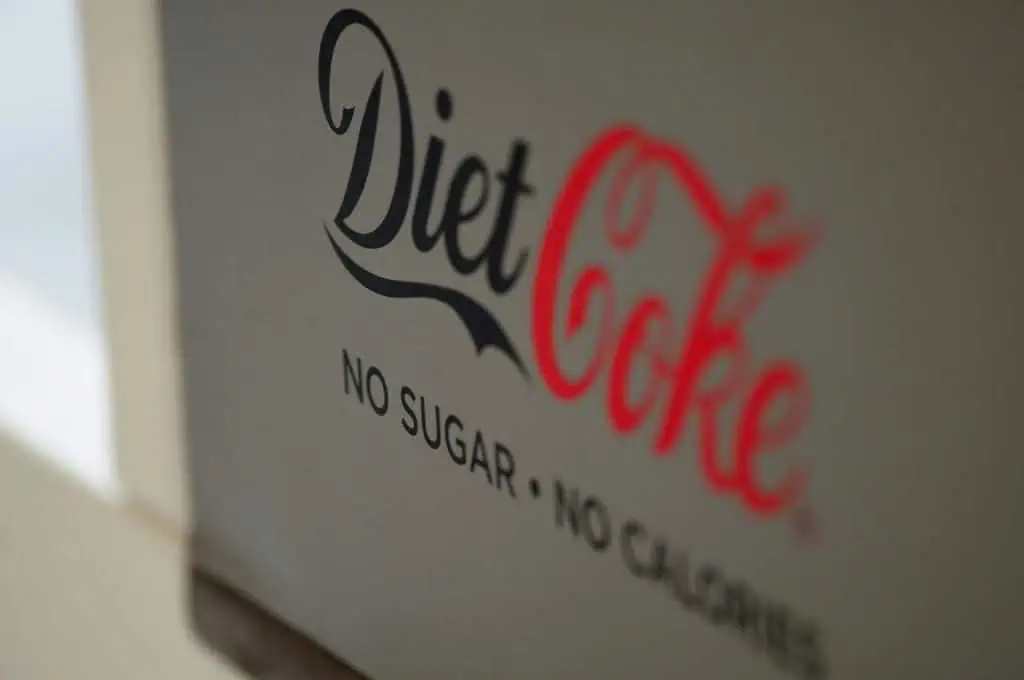
Zero-calorie sodas like Diet Coke create an allure of guilt-free consumption, yet this can be misleading. The absence of calories doesn’t equate to nutritional value, and the ritualistic usage may encourage neglect of healthier dietary choices. Relying on artificial sweeteners can impact taste preferences, making naturally sweet foods less appealing. Understanding the psychological impact of zero-calorie labeling encourages more mindful eating habits and beverage choices.
Marketing and Mental Health Appeal
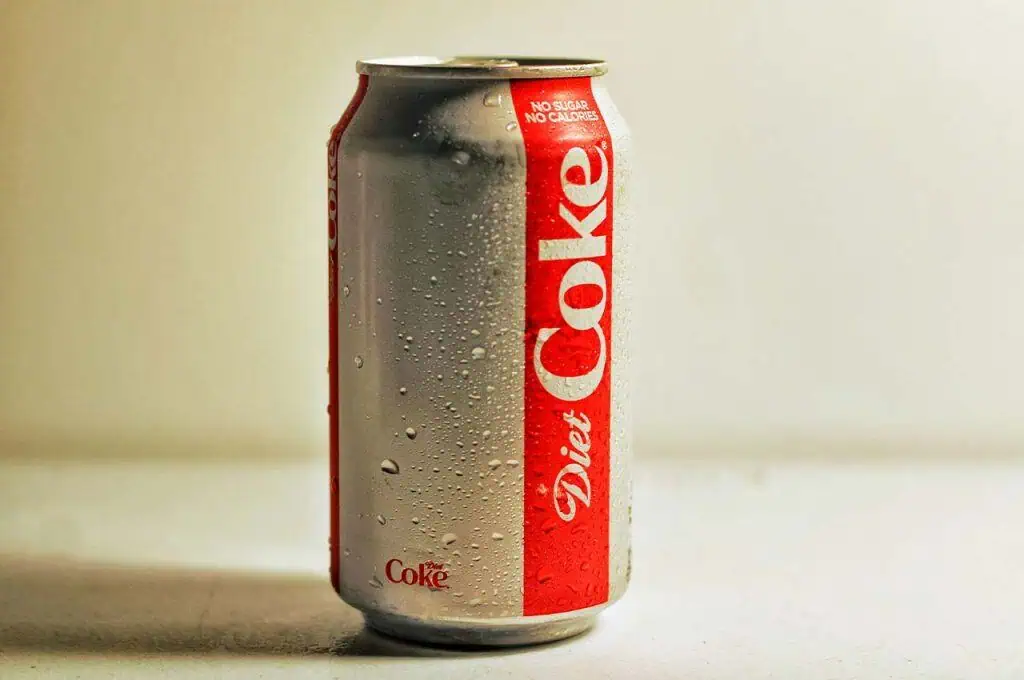
Diet Coke’s branding resonates with Gen Z through sleek packaging and a strong social media presence, presenting itself as a trendy lifestyle choice. The marketing often aligns with themes of individuality and self-expression, making it particularly appealing to younger consumers. However, reliance on Diet Coke for a quick mood lift or as a symbol of identity may obscure potential impacts on mental well-being. When a beverage becomes a comfort tool, it underscores the need to explore healthier coping mechanisms beyond carbonated refreshments.
Impact on Appetite and Nutrition
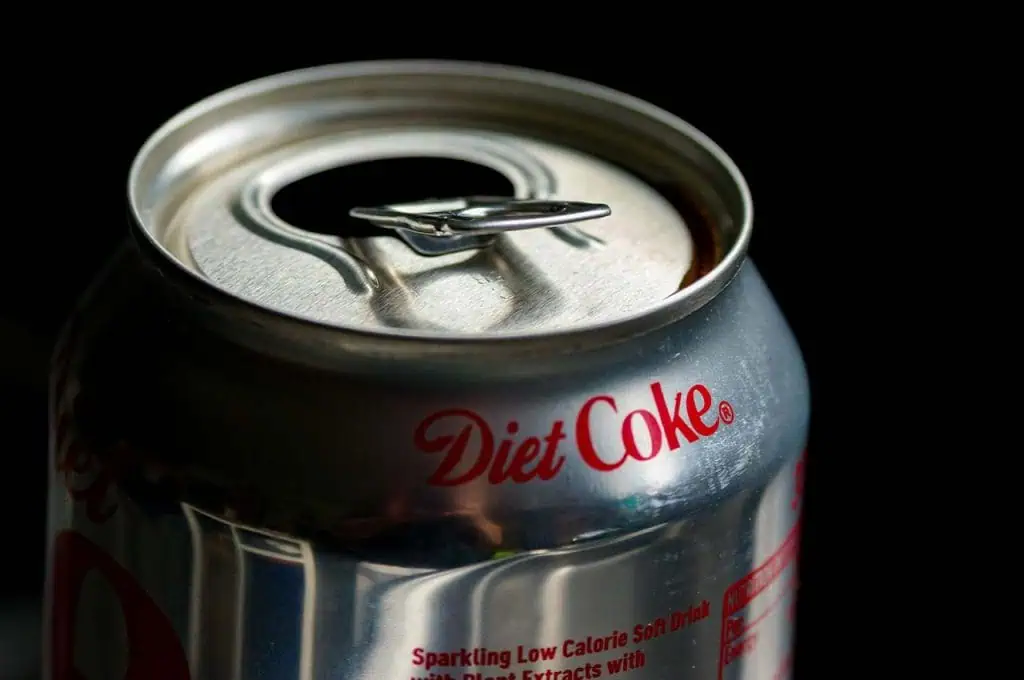
Consuming Diet Coke regularly can influence hunger cues and dietary habits. The artificial sweeteners in Diet Coke may confuse the body’s natural hunger signals, potentially leading to increased cravings for sweet or high-calorie foods. Despite being calorie-free, habitual consumption might displace more nutritious beverages, resulting in reduced intake of essential nutrients. To maintain a balanced diet, it’s crucial to understand how such drinks fit into an overall nutritional plan, considering their non-nutritive nature.
Experts on Daily Diet Coke

Health experts express concern over the daily intake of Diet Coke, pointing to the potential long-term effects of artificial sweeteners and caffeine. Regular consumption is linked to metabolic changes and potential cardiovascular risks, emphasizing moderation. Experts suggest evaluating why one gravitates towards Diet Coke frequently—is it habit or genuine preference? Recognizing these patterns can lead to more mindful consumption, encouraging individuals to assess the drink’s role within a wider dietary context as part of a balanced lifestyle.
Healthier Drink Alternatives
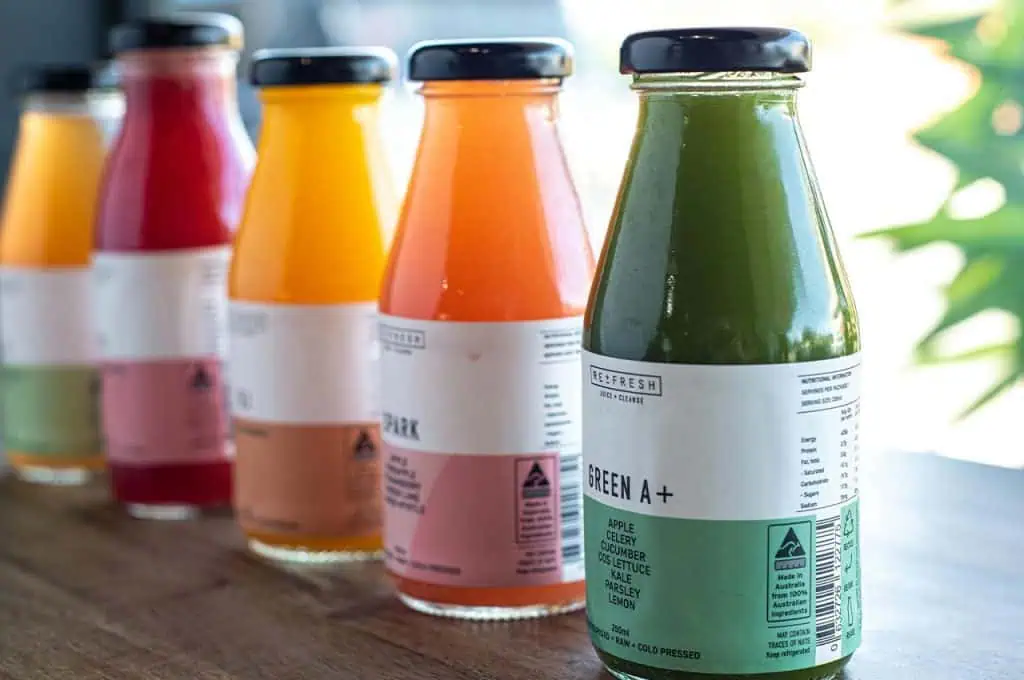
For those seeking alternatives, infused waters and herbal teas offer refreshing options without artificial additives. Infused water, flavored naturally with fruits or herbs, provides hydration with a hint of sweetness or zest. Herbal teas bring a soothing variety of flavors, often accompanied by health benefits tied to specific herbs. Kombucha, a fermented tea rich in probiotics, presents another nutritious choice. These alternatives support hydration needs and can satisfy taste preferences, promoting well-being with minimal processing and additives.
