
From Ethiopia to Espresso: The Ancient Origins of Coffee
The story of coffee begins on the African continent, where the first aroma of roasted beans wafted through the air. This beloved beverage has traveled far from its origins, shaping cultures and morning routines worldwide. Understanding the journey from Ethiopia’s highlands to espresso machines everywhere offers rich insights into coffee’s transformation from a local stimulant to a global staple.
Kaldi and the Energized Goats

Legend has it that coffee was first discovered by an Ethiopian goat herder named Kaldi. Observing his goats frolicking with unusual energy after consuming red cherries from a particular bush, Kaldi shared his findings with local monks. Intrigued, the monks brewed a concoction from the beans, finding it kept them alert during long prayer sessions. This early encounter with coffee’s energizing properties marks the beginning of its journey.
Sufi Rituals and Yemeni Brew
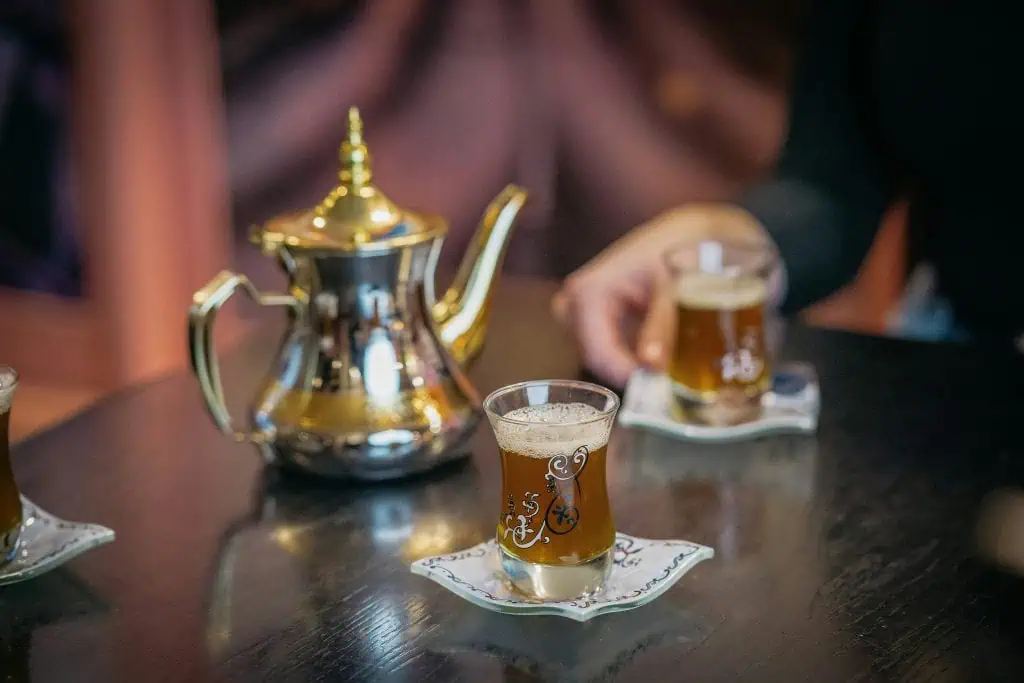
In Yemen, Sufi mystics adopted coffee in the 15th century as an aid to concentration and spiritual activities. They brewed a dark, robust drink from roasted beans, creating rituals that highlighted coffee’s social and spiritual importance. This brewed beverage allowed the Sufis to remain awake for lengthy religious observances, thus integrating coffee into practices that celebrated community and devotion.
Arabia’s First Coffee Houses

The emergence of coffee houses in the Arabian Peninsula during the 16th century marked a significant cultural shift. Known as ‘qahveh khaneh,’ these establishments became hubs of conversation, commerce, and culture. They offered a space for diverse social interactions, amplifying coffee’s role beyond a simple drink. The atmosphere of these venues fostered intellectual discourse and shaped social trends across the region.
Ottoman Empire’s Coffee Legacy

The Ottoman Empire embraced coffee with great enthusiasm, transforming it into a symbol of sophistication and hospitality. It was during this era that the art of coffee preparation was refined, using cezves to brew thick, frothy Turkish coffee. This method emphasized the drink’s rich flavor and fragrant aroma, establishing coffee as an integral part of court life and social gatherings across the empire.
Europe’s Coffee Revolution

The spread of coffee into Europe marked a transformative period in culinary history. Initially arriving through Venetian trade routes in the 16th century, coffeehouses swiftly became central to social and intellectual gatherings across the continent. These “penny universities,” so called for the cost of a cup, offered stimulating environments where ideas flourished. Brewing methods evolved, with French and Italian innovations enhancing the coffee experience. The introduction of espresso machines in the 19th century further refined Europe’s coffee craftsmanship, emphasizing robust flavors and aromatic richness, and paving the way for modern coffee culture.
