
Fantasy Feasts & Sci-Fi Snacks: How These Foods Shaped Generations
The allure of gastronomy often transcends our reality, influencing various realms of storytelling. In both fantasy and science fiction, food becomes a vehicle for imaginative exploration, offering insights and connections to culture, character, and narrative depth. By analyzing how authors and creators use food, we can better appreciate its role in crafting rich, immersive worlds. Whether through the hearty fare of medieval-inspired fantasy or the sleek, innovative bites of high-tech futures, these culinary elements are essential to the genres we love.
The Enchantment of Food in Fantasy Worlds

In the tapestry of fantasy, food serves as both sustenance and narrative device, anchoring stories in a sense of authenticity. Hearty stews, rustic breads, and exotic fruits frequently illustrate cultural nuances of imagined realms. Techniques such as roasting over open flames or slow-cooking in cauldrons highlight an earthy connection between characters and their environment. The layers of flavor and texture in these meals—crunchy crusts, tender meats, aromatic spices—reflect the complexity of the worlds they inhabit, offering readers a delicious window into the lives of fantastical beings.
Sci-Fi Snacks: A Taste of the Future

Sci-fi cuisine often mirrors technological advancements, offering glimpses into possible culinary futures. Lab-grown meats, nutrient-dense capsules, and synthetic beverages challenge traditional notions of dining. These foods emphasize efficiency and innovation, sometimes sacrificing tradition for novelty or necessity. The textures and flavors are enhanced through futuristic preparation methods like 3D printing or molecular gastronomy. Such forward-thinking snacks not only tantalize the imagination but also invite reflection on our current and future dietary possibilities and the evolving relationship between technology and food.
Iconic Dishes from Imagined Worlds

Memorable meals from fictional realms often leave an indelible mark on popular culture. Dishes like lembas bread or blue milk are crafted to be instantly recognizable, with distinct textures and taste profiles that contribute to their allure. These foods often integrate unique spices or unexpected ingredients that evoke curiosity. Their preparation might involve ancient techniques or futuristic gadgets, symbolizing the blending of the familiar and the extraordinary. By indulging in these creations, fans experience a tangible connection to the beloved stories and characters.
The Role of Food in World-Building
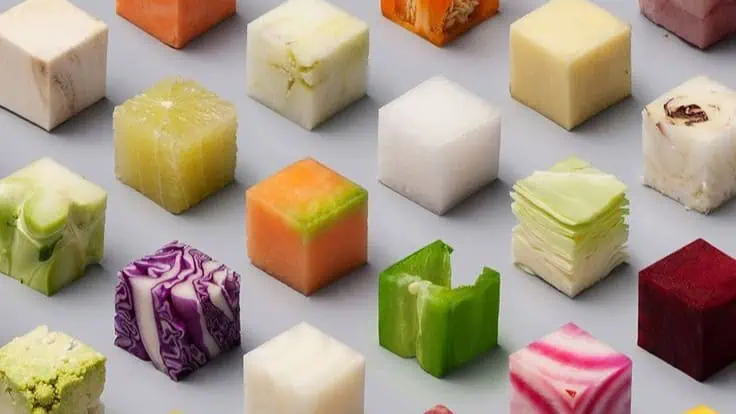
Food acts as a powerful tool in world-building, offering insight into social structures, technologies, and traditions. Through dining customs, meal compositions, and ingredient availability, authors convey societal values and power dynamics. Whether it’s the formality of a royal banquet or the simplicity of a foraged meal, each dish can reflect class distinctions, resource distributions, and trade relationships. The flavors, presentation, and rituals surrounding food service enrich narratives by grounding the fantastic in relatable human experiences, enhancing the credibility and depth of the imaginary worlds.
Food as a Cultural Reflection in Fiction

Food in fiction often mirrors cultural values, providing a lens into a world’s society and its people. In literary classics, meals symbolize community, social hierarchies, and tradition. For instance, the lavish banquets in fantasy epics reveal a culture’s prosperity and emphasize themes of power or unity. Details, like the spicing of a dish or methods of preparation, highlight regional storytelling, enriching the narrative with texture and flavor. Understanding these culinary constructs enhances our appreciation of the text’s world-building, showing how such creations are rooted in real-world gastronomies.
