
Eating for Endometriosis: 8 Foods That Calm Inflammation
Managing endometriosis through a balanced diet can effectively reduce inflammation and discomfort. By incorporating certain foods known for their anti-inflammatory properties, you can support your body’s natural healing processes. Here, we explore eight nutrient-rich foods that can play a crucial role in calming inflammation and promoting overall well-being in the context of endometriosis.
Discover the Power of Salmon
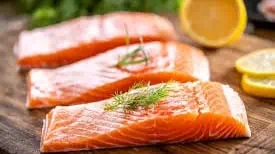
Rich in omega-3 fatty acids, salmon is an excellent choice for reducing inflammation. Opt for wild-caught varieties, which offer higher levels of beneficial fats. When preparing, consider grilling or baking with a simple seasoning of lemon, garlic, and herbs to enhance its natural flavor without overpowering its delicate flesh. Pair with whole grains or a side of steamed vegetables to create a balanced and nourishing meal.
Turmeric: The Golden Healer
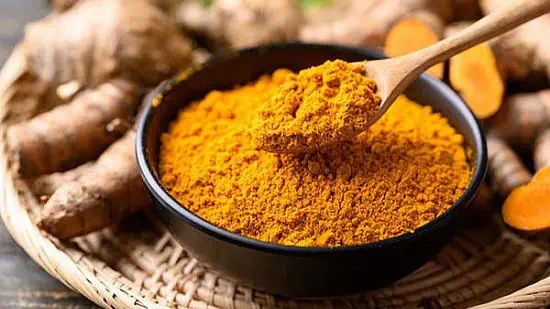
Renowned for its anti-inflammatory properties, turmeric can be easily incorporated into your diet. Choose fresh turmeric root or high-quality powder, adding it to soups, stews, or smoothies. For enhanced absorption, combine turmeric with black pepper and a healthy fat like olive oil. Its vibrant color and earthy taste not only boost the visual appeal of your dishes but also contribute to your well-being.
Leafy Greens: Nature’s Anti-inflammatory
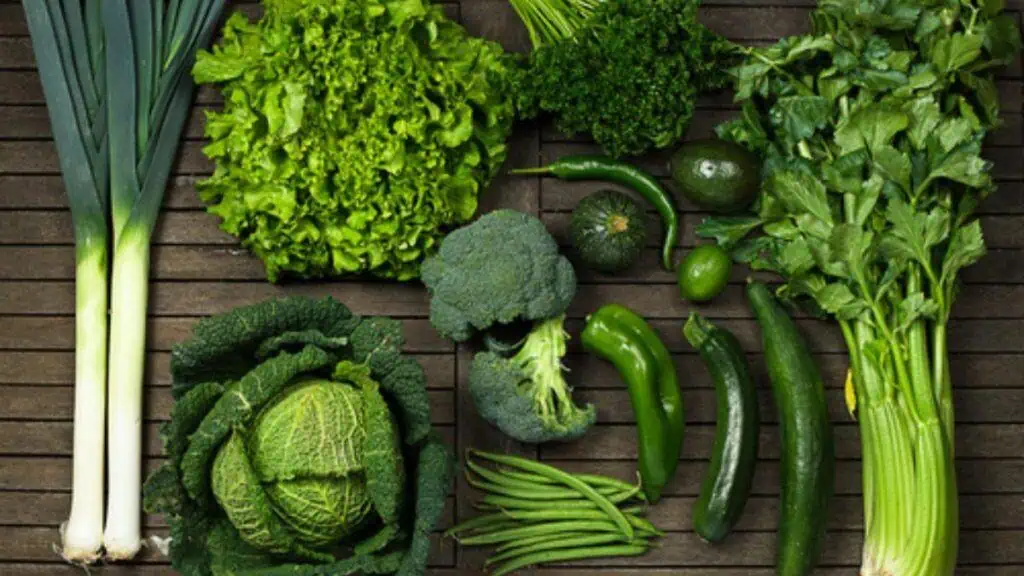
Leafy greens like spinach, kale, and Swiss chard provide essential vitamins and phytonutrients that combat inflammation. Aim to consume a variety of these greens throughout the week. Whether you prefer them raw in salads or gently sautéed with garlic and olive oil, their versatility and nutrient density make them an indispensable part of an endo-friendly diet.
The Berry Boost: Berries and Endo

Bursting with antioxidants, berries like blueberries, strawberries, and raspberries are excellent for reducing inflammation. Fresh or frozen, they’re easy to include in your diet—sprinkle them over yogurt, blend into smoothies, or enjoy as a snack. Their natural sweetness and vibrant colors bring both flavor and visual interest to meals, supporting your health in a delightful way.
Avocados: Fat That’s Good for You
Avocados offer a rich source of monounsaturated fats, which are beneficial for reducing inflammation associated with endometriosis. These creamy fruits are packed with antioxidants such as vitamin E that help protect cells from oxidative stress. To maximize their benefits, slice fresh avocado into salads or mash it into a spread for whole grain toast. Including avocados in your diet regularly can elevate both flavor and nutritional profile, providing satiety while being gentle on the digestive system. Their versatility makes them an easy addition to various dishes, enhancing both taste and health.
Walnuts: A Crunchy Ally
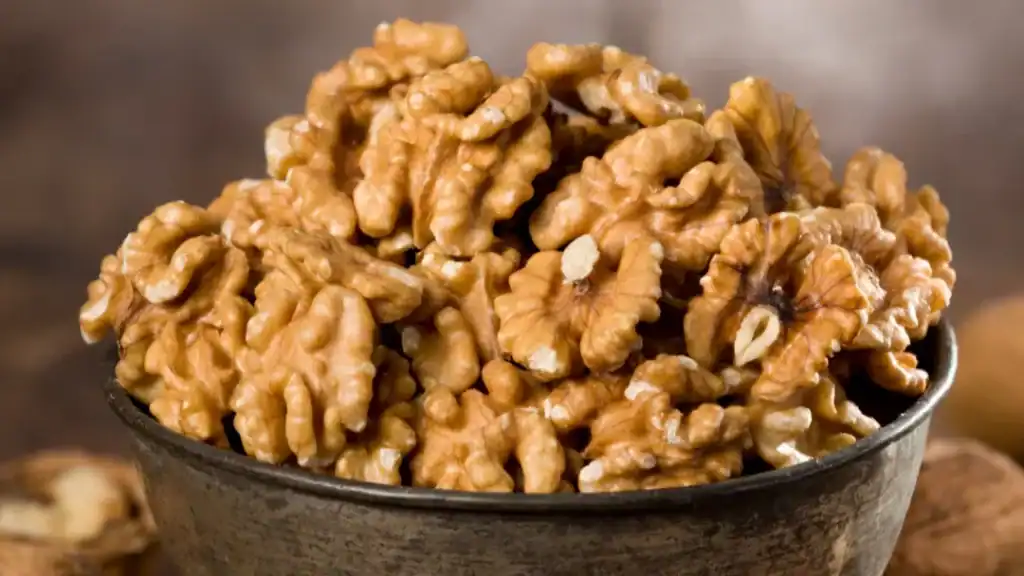
Walnuts are a powerhouse of omega-3 fatty acids, which are renowned for their anti-inflammatory properties. These nuts also provide a satisfying crunch and are rich in fiber, supporting overall gut health. To incorporate walnuts into your diet, try toasting them lightly to bring out their natural flavors, then sprinkle over salads or mix into yogurt. Finely chopping them can make a hearty crust for baked proteins like chicken or fish. Regular consumption can help combat inflammation related to endometriosis while adding texture and complexity to meals.
Olive Oil: Liquid Gold for Health
Olive oil, particularly extra virgin, is celebrated for its potent anti-inflammatory effects thanks to its wealth of polyphenols and monounsaturated fats. Use it as a foundational ingredient in dressings or drizzle it over cooked vegetables to enrich flavor profiles. Heating olive oil over a gentle flame preserves its beneficial compounds, making it ideal for sautéing. Its subtle yet distinct taste enhances dishes while actively supporting heart and cellular health. Integrate olive oil routinely into your cooking to leverage both its taste and inflammation-reducing benefits.
Ginger: Spice That Fights Inflammation
Ginger is a robust spice famed for its ability to combat inflammation, making it perfect for those managing endometriosis symptoms. Its gingerol compounds provide a natural anti-inflammatory effect. Grate fresh ginger into soups or tea for a warming undertone, or use it as a seasoning for roasted vegetables and stir-fries. Ginger’s pungency harmonizes well with both sweet and savory dishes, allowing for creative culinary exploration. Regular inclusion of ginger not only adds flavor and zing but also contributes to an anti-inflammatory diet.
