
Dark vs. Milk Chocolate: A Flavor Face-Off You Can’t Ignore
Let’s settle this once and for all: dark chocolate or milk chocolate? It’s a debate as passionate as pineapple on pizza or crunchy vs. smooth peanut butter. Some people love the bold, intense, slightly bitter kick of dark chocolate. Others swear by the sweet, creamy, melt-in-your-mouth comfort of milk chocolate. And honestly? Both sides have a point.
Dark chocolate is packed with antioxidants and complex flavors that can taste like fruit, spice, or even coffee. Milk chocolate brings the nostalgia—think childhood candy bars, holiday treats, and that smooth, sweet hug in every bite. The good news? You don’t have to pick a side. Understanding what makes each one special can actually make you a better cook and a smarter shopper.
So what’s really inside that shiny wrapper? In this article, we’re breaking down the key differences between dark and milk chocolate—from ingredients and flavor profiles to health benefits and the best ways to use each in your kitchen. You’ll learn why dark chocolate has that rich, deep taste (hint: more cocoa, less sugar), why milk chocolate is creamier (thank you, milk powder), and how to choose high-quality bars with minimal additives. We’ll also explore which chocolate works best for baking, ganache, or just snacking, plus a little cultural tour of who loves what around the world. Whether you’re Team Dark, Team Milk, or happily both, this guide will help you enjoy every last bite. Grab a square (or two) and let’s dive in.
Ingredients: What’s Inside the Bar?

Dark chocolate primarily consists of cocoa mass, cocoa butter, and sugar, with a higher percentage of cocoa solids compared to milk chocolate. This gives it a richer, more complex taste. Milk chocolate, meanwhile, includes milk powder or condensed milk, alongside cocoa butter and sugar, resulting in a sweeter, creamier flavor. Checking the ingredient list is crucial; high-quality chocolate should have minimal additives, allowing the cocoa’s natural profile to shine through without interference.
Flavor Profile: Bold Meets Smooth

Dark chocolate is known for its robust, deep flavor that ranges from bitter to slightly sweet, with notes that can include fruit, spice, or even floral undertones. Its complexity appeals to those who appreciate a more intense chocolate experience. Milk chocolate, on the other hand, offers a mellower, smoother taste with its creamy texture and sweeter notes, making it accessible and versatile for a wider audience. These differences in taste provide diverse opportunities for pairing and culinary use.
Health Face-Off: Guilt-Free Indulgence?

Dark chocolate is often lauded for its potential health benefits, attributed to its higher cocoa content, which provides antioxidants known as flavonoids. These may support heart health and improve cognitive function. Milk chocolate contains calcium and vitamin D due to its milk content, but tends to be higher in sugar. Opting for chocolate with at least 70% cocoa can maximize health benefits, though moderation is key for either choice to avoid excess sugar and fat intake.
Best Uses: Cooking with Cocoa
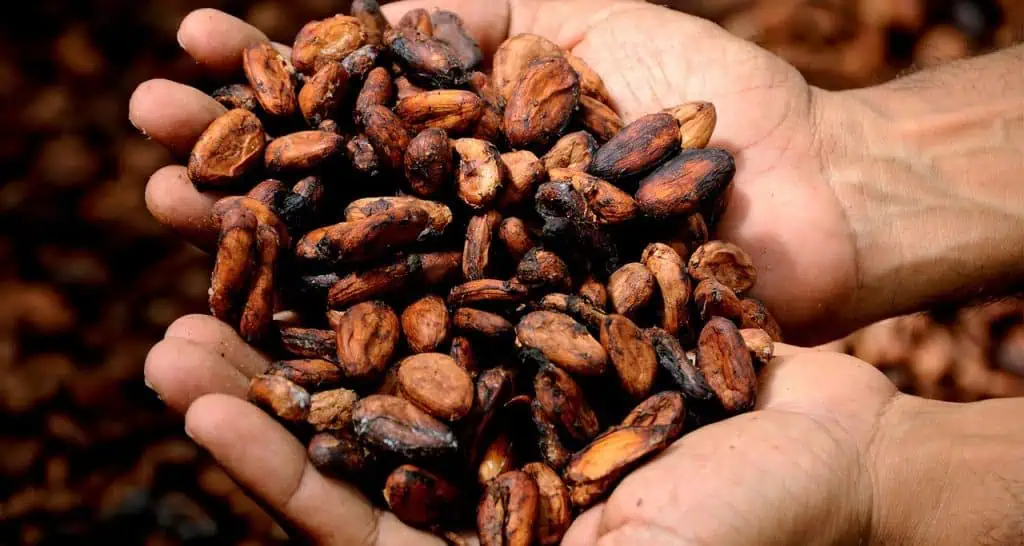
Dark chocolate excels in baking robust desserts like flourless cakes or rich brownies, where its intensity can stand out. It pairs well with bold flavors such as orange, coffee, or spices like chili. Milk chocolate is ideal for creamier dishes such as mousses or ganache, where its sweetness and smoothness enhance the richness of the dessert. Understanding these roles allows for creative and effective use of both chocolates in cooking, maximizing their unique properties.
Cultural Popularity: Around the World

Dark and milk chocolate enjoy varied popularity across different cultures, each bringing unique tastes to the forefront. Dark chocolate is revered in regions like Europe, where its rich cocoa content aligns with sophisticated palates, often paired with wines or used in gourmet desserts. Meanwhile, milk chocolate is favored in North America and the UK, celebrated for its creamy sweetness and versatility in confections. Understanding these preferences can elevate your chocolate choices, guiding pairings and applications that cater to diverse global tastes.
The Childhood Connection: Sweet Memories

Milk chocolate often evokes childhood nostalgia, its creamy sweetness tied to memories of holiday treats and after-school snacks. The milder flavor appeals to younger palates, offering a comforting delight. Conversely, dark chocolate may remind some of their first “grown-up” taste, a gateway to more complex flavors. Recognizing these connections enables you to recreate those cherished moments in your cooking, whether you’re crafting a velvety chocolate milkshake or a sophisticated dark chocolate torte, tying flavor to emotion.
