
Could Bread Be Making Cities Hotter?
Urban environments face unique challenges, especially with rising temperatures. Recent research highlights an unexpected contributor to urban heat: bread baking. Understanding how everyday activities, including those seemingly innocuous like baking, contribute to the urban heat island effect is crucial in addressing climate concerns. This exploration into the connection between bread and city heat offers insights into more sustainable urban living.
Understanding Urban Heat Islands

Urban heat islands (UHIs) are areas that experience significantly warmer temperatures than their rural surroundings. This phenomenon is caused by factors such as dense building materials, reduced vegetation, and increased energy consumption. The trapped heat leads to higher temperatures, impacting environmental health and residents’ comfort. Understanding UHIs involves examining how various elements of urban planning and everyday activities increase thermal output, contributing to prolonged heat retention in cities.
The Bread-Baking Connection

Commercial and artisanal bread-baking operations contribute surprisingly to urban heat. The process requires high temperatures over extended periods, releasing heat into the environment. In dense urban areas, multiple bakeries operating simultaneously can significantly increase local temperatures. This effect is exacerbated by poor ventilation and inadequate heat management in many older buildings. Recognizing this unexpected source of heat can lead to more holistic approaches in urban planning and temperature regulation.
Surprising Sources of Urban Heat
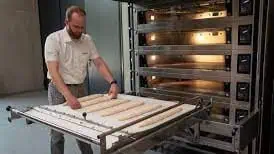
Beyond bread-baking, other less obvious activities contribute to urban heat. Commercial cooking, industrial processes, and even excessive air conditioning are significant sources. Each adds heat either directly through expelling warmed air, or indirectly by increasing energy consumption. Identifying these diverse heat sources helps in developing strategies that can mitigate their impact. Addressing these activities requires a careful balance between maintaining essential services and reducing urban heat emissions.
Innovative Solutions to Cool Cities
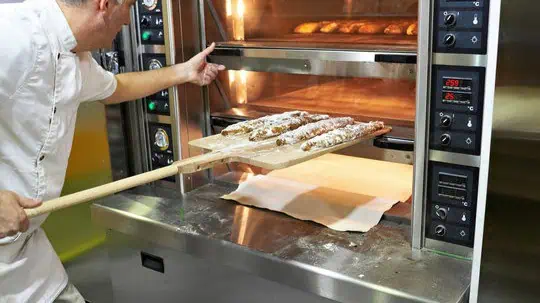
Strategies to reduce urban heat focus on both reducing existing heat sources and enhancing cooling methods. Implementing reflective roofing, increasing urban greenery, and redesigning city landscapes can effectively cool urban areas. For activities like bread-baking, improving insulation, investing in energy-efficient appliances, and altering operational schedules can reduce heat output. Collaborative efforts between city planners and industries are essential to create more sustainable, cooler urban environments.
