
Champagne 101: Every Style and What It Means
Champagne, the sparkling wine synonymous with celebration, comes in various styles, each defined by its sweetness level and production process. Understanding these distinctions enhances your appreciation and selection of this effervescent delight. The styles are primarily categorized based on the amount of residual sugar, influencing the taste from sweet to bone dry. Familiarizing yourself with terms such as “Brut,” “Doux,” and “Extra Dry” will guide your choice whether you’re toasting a special occasion or pairing with a well-curated dish.
The Sweet Side: Doux and Demi-Sec
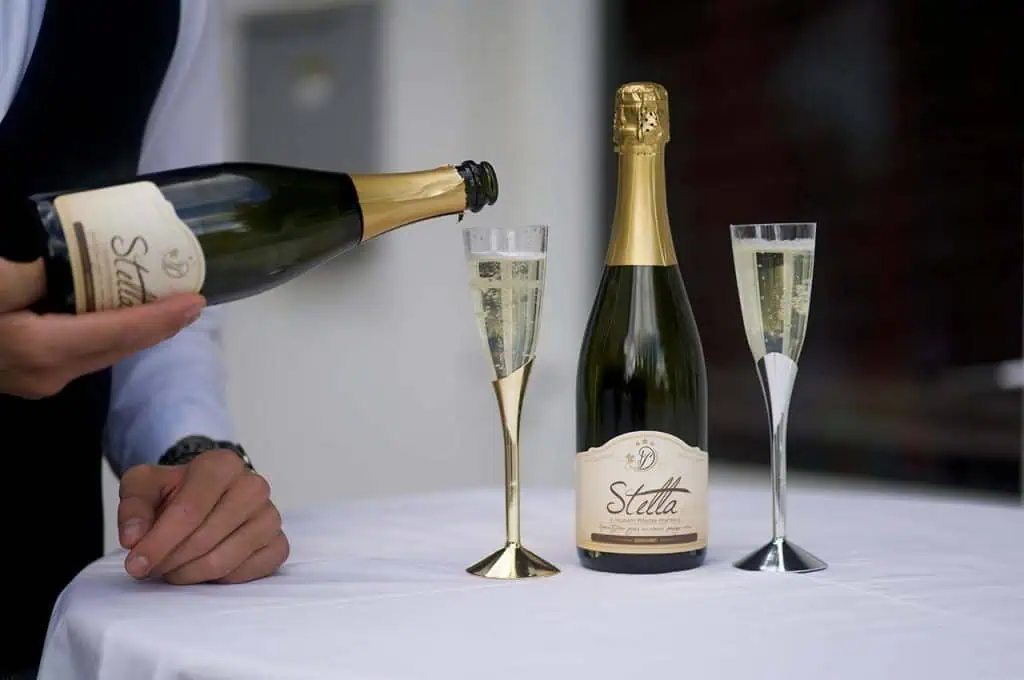
Doux and Demi-Sec Champagnes appeal to those who enjoy sweetness in their sparkling wine. Doux is the sweetest style with over 50 grams of sugar per liter, making it an indulgent choice for dessert pairings. Demi-Sec, slightly less sweet but still rich, contains between 32 to 50 grams of sugar per liter. It complements fruit-based desserts and creamy dishes, enhancing the meal’s flavors. Serve these Champagnes chilled to balance their inherent sweetness, providing a luxurious finish to your dining experience.
Understanding Dry and Extra Dry
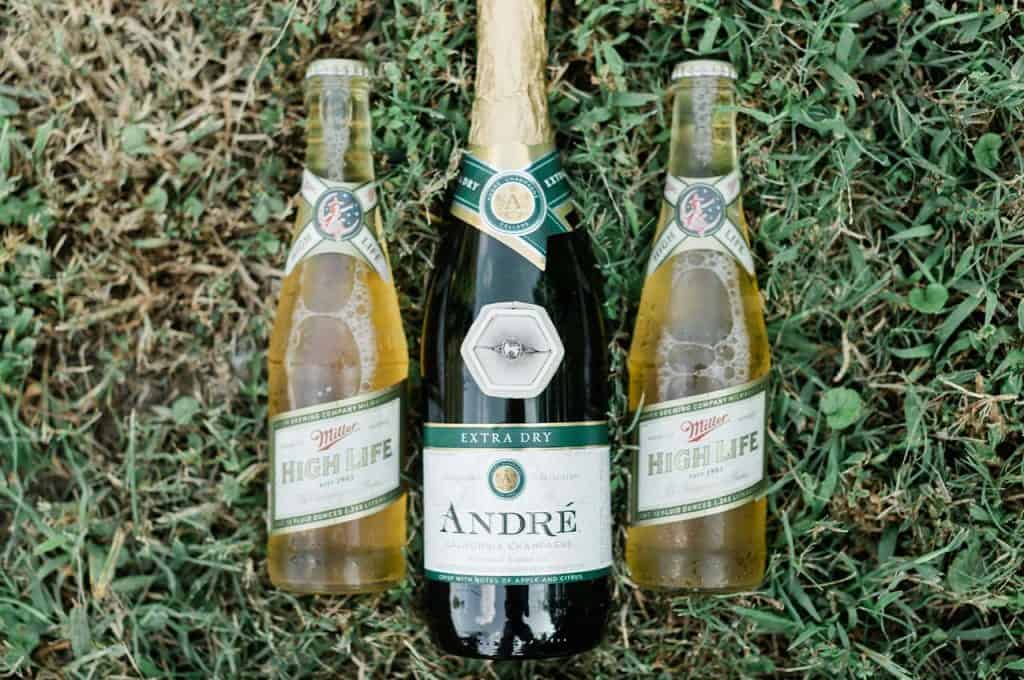
Dry and Extra Dry Champagnes can be somewhat misleading in terminology. Extra Dry, contrary to its name, offers a pleasing balance between sweetness and acidity, with 12 to 17 grams of sugar per liter. This style is often enjoyed on its own or with spicy dishes that benefit from a touch of sweetness. Dry Champagne, on the other hand, falls between Demi-Sec and Extra Dry, presenting a slightly sweeter profile, ideal for those new to sparkling wines seeking a middle ground between sweet and dry.
All About Brut and Extra Brut
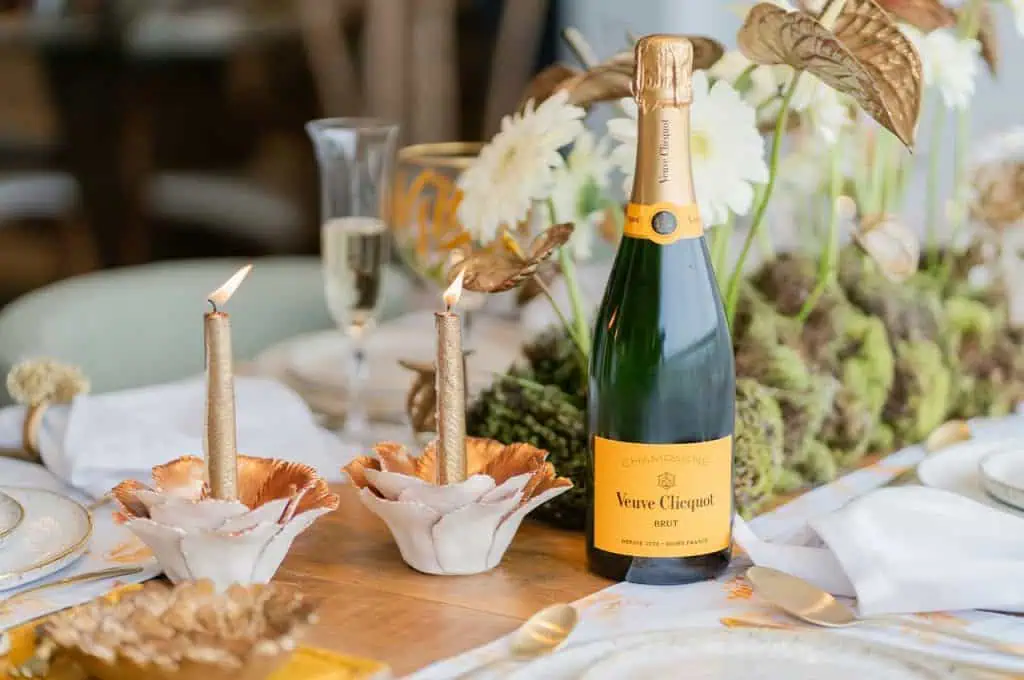
Brut Champagne is the most widely produced style, characterized by its crisp and balanced flavor profile with 0 to 12 grams of sugar per liter. This versatility allows it to pair seamlessly with a wide array of foods, from seafood to light hors d’oeuvres. Meanwhile, Extra Brut offers an even drier experience, often with less than 6 grams of sugar. Its bracing acidity and minerality complement richer foods, like foie gras or creamy cheese, creating a harmonious contrast that elevates the dining occasion.
Exploring Brut Nature and Dosage Zéro
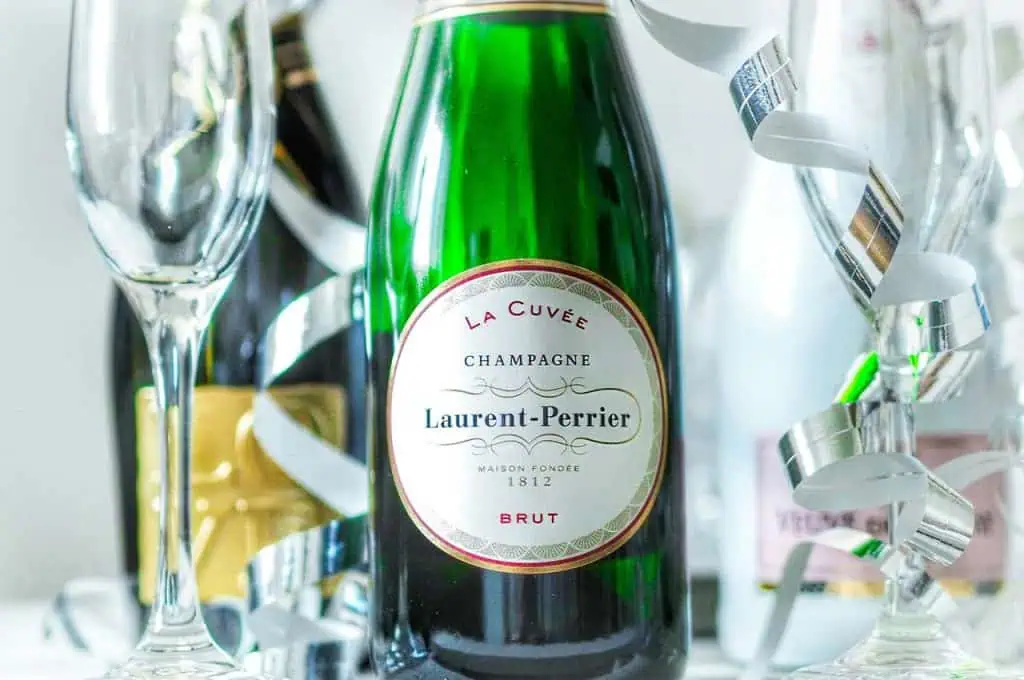
Brut Nature and Dosage Zéro represent the driest expressions of Champagne, containing less than 3 grams of sugar or none whatsoever. These styles highlight the pure character of the grapes and terroir, offering a crisp and unadulterated taste. The absence of added sugar emphasizes minerality and acidity, making them ideal companions for shellfish or sushi. Serve well-chilled to accentuate their refreshing profile, ensuring a palate-cleansing experience that celebrates the essence of Champagne’s natural vibrancy.
The Charm of Vintage Champagne
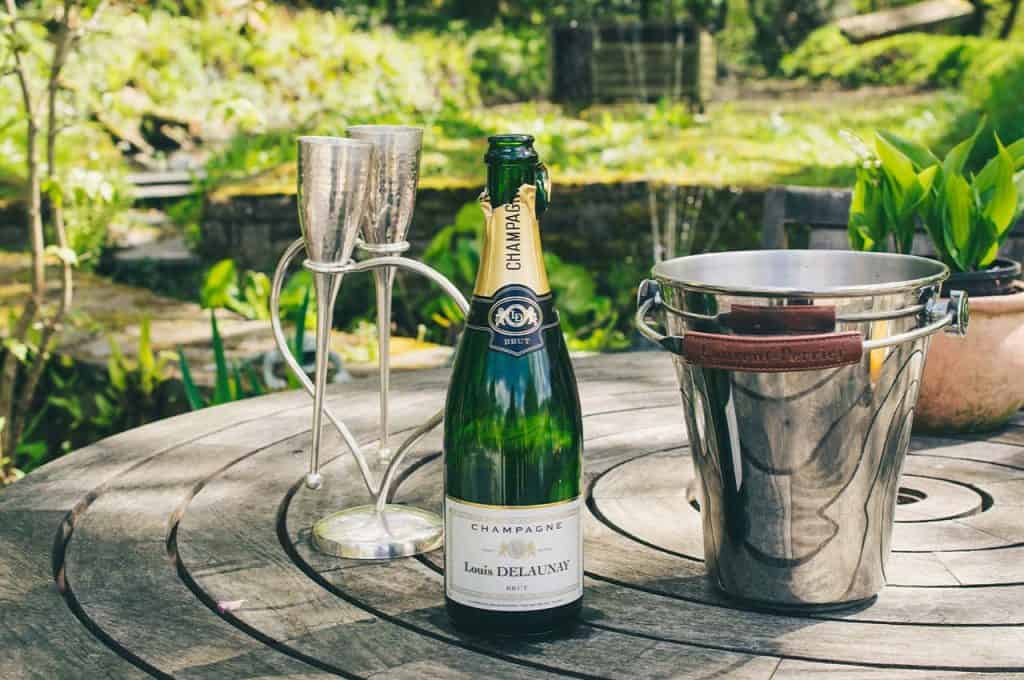
Vintage Champagne is crafted from grapes harvested in a single exceptional year, capturing the unique characteristics of that season. Carefully aged, the result is a sophisticated, nuanced wine boasting a harmony of flavors. Expect a richer palate with notes of brioche, nuts, and citrus, revealing the vineyard’s terroir. Its aging potential means the flavors evolve, offering depth and complexity over time. Perfect for celebratory occasions, Vintage Champagne should be savored when nuanced expression is desired.
Non-Vintage: Consistency in a Bottle
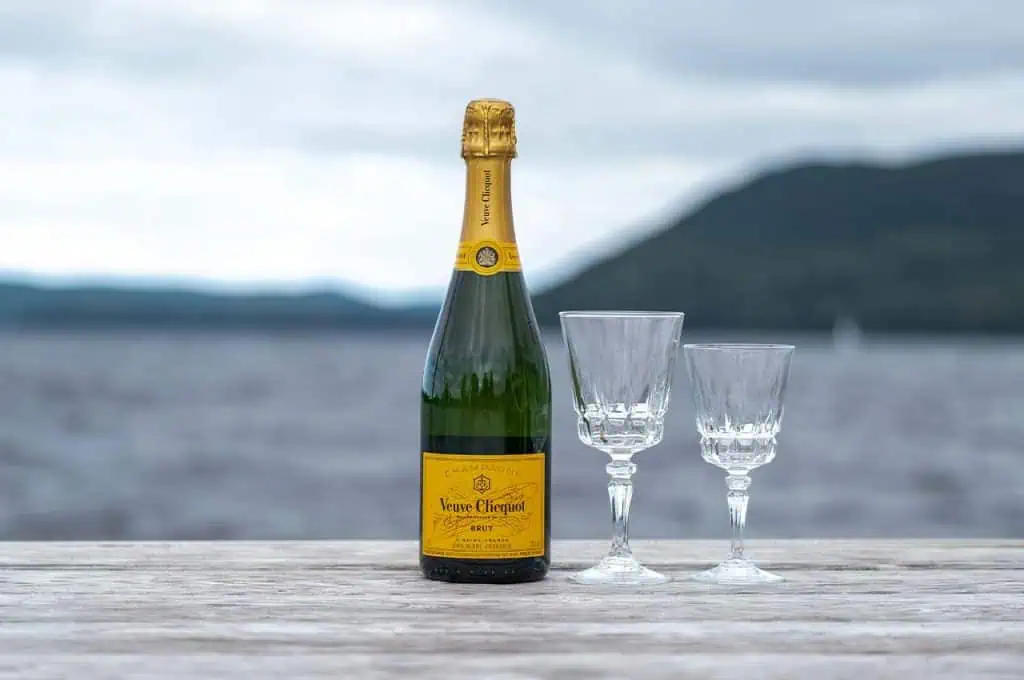
Non-vintage Champagne blends wines from multiple years, producing a consistent flavor each time. This approach ensures reliability, with every bottle reflecting the house’s signature style. Predominantly fresh and vibrant, these champagnes highlight bright fruit notes and a lively effervescence. Ideal for everyday celebrations, non-vintage offerings maintain balance and approachability, making them versatile for pairing with a range of foods. They provide a dependable introduction to the world of Champagne.
Blanc de Blanc: Elegance Unveiled

Blanc de Blanc Champagne is made exclusively from Chardonnay grapes, delivering a refined, elegant experience. Known for its crisp acidity and delicate aromas, it often presents notes of green apple, citrus, and white flowers. The finesse of its bubbles and its mineral undertones make it a cherished choice for seafood pairings or aperitifs. This style’s precision and purity offer a fresh, graceful expression that speaks to the Chardonnay grape’s versatility and charm.
Blanc de Noirs: Rich and Complex
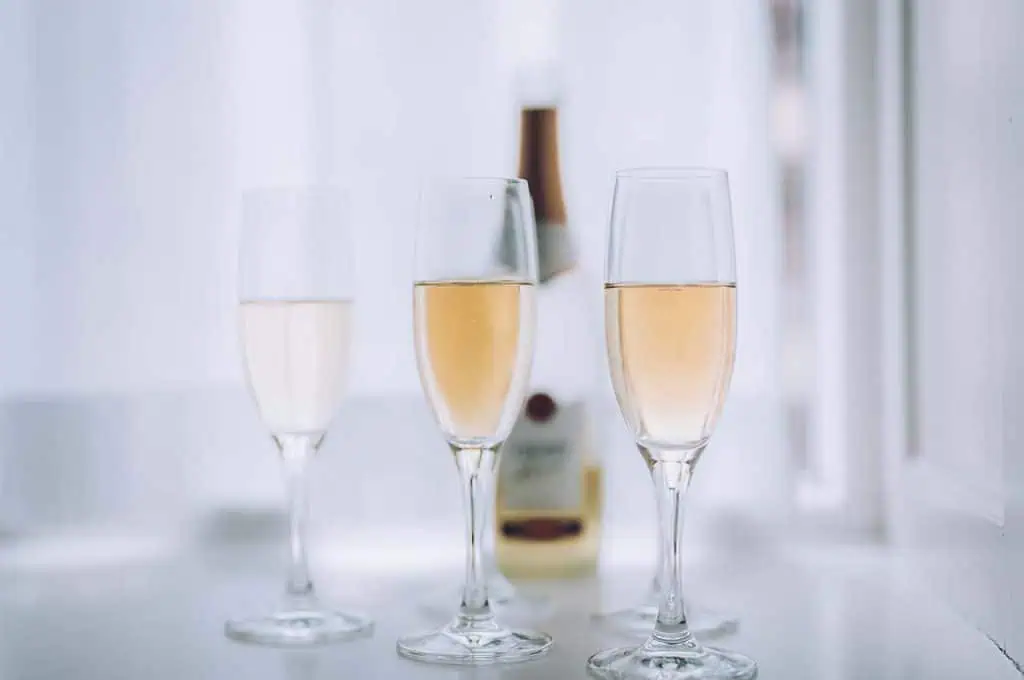
Crafted from Pinot Noir and Pinot Meunier grapes, Blanc de Noirs Champagne is celebrated for its robust structure and rich profile. It often features flavors of red berries, almonds, and hints of toast, contributing to its layered complexity. This style’s full-bodied nature pairs beautifully with heartier dishes like roast poultry or mushroom risotto. Its deep color and bold flavors are a testament to the craftsmanship involved, making it a delightful choice for those seeking a more pronounced taste.
Decoding House Style Signatures
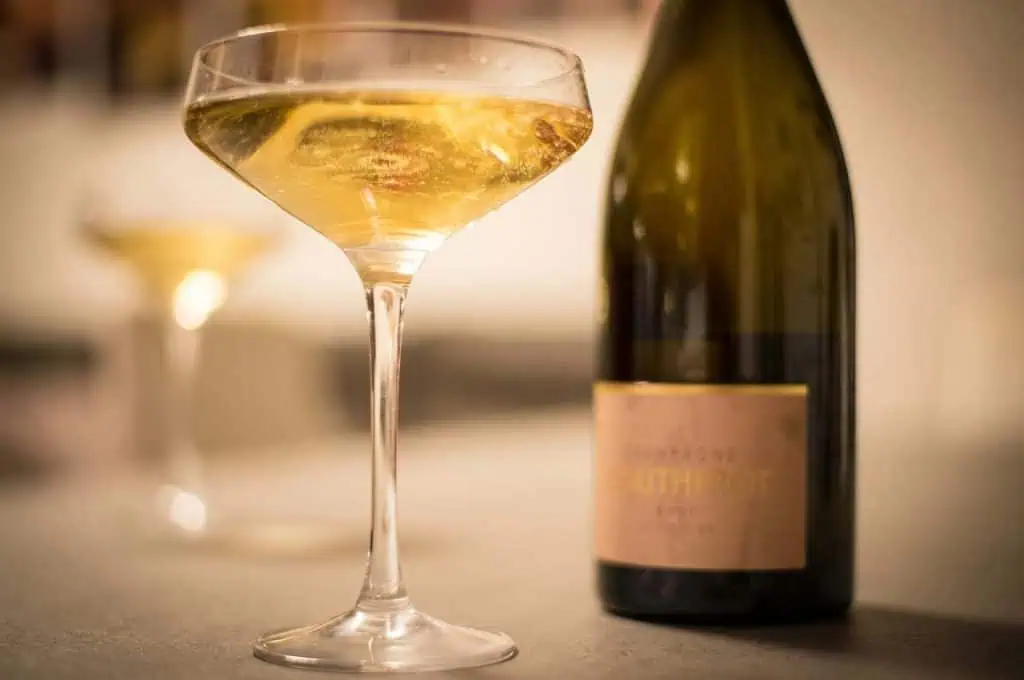
Each Champagne house imparts a distinct style, grounding their creations in a blend that expresses brand identity. Through varied grape selections, aging processes, and dosage levels, houses craft signatures that range from crisp and refreshing to rich and opulent. Delving into these nuances, especially regarding the founding winemaker’s philosophy, can deepen understanding and appreciation. By exploring different houses, enthusiasts can identify which align with personal flavor preferences, enhancing their Champagne journey.
Rosé: A Blush with Character
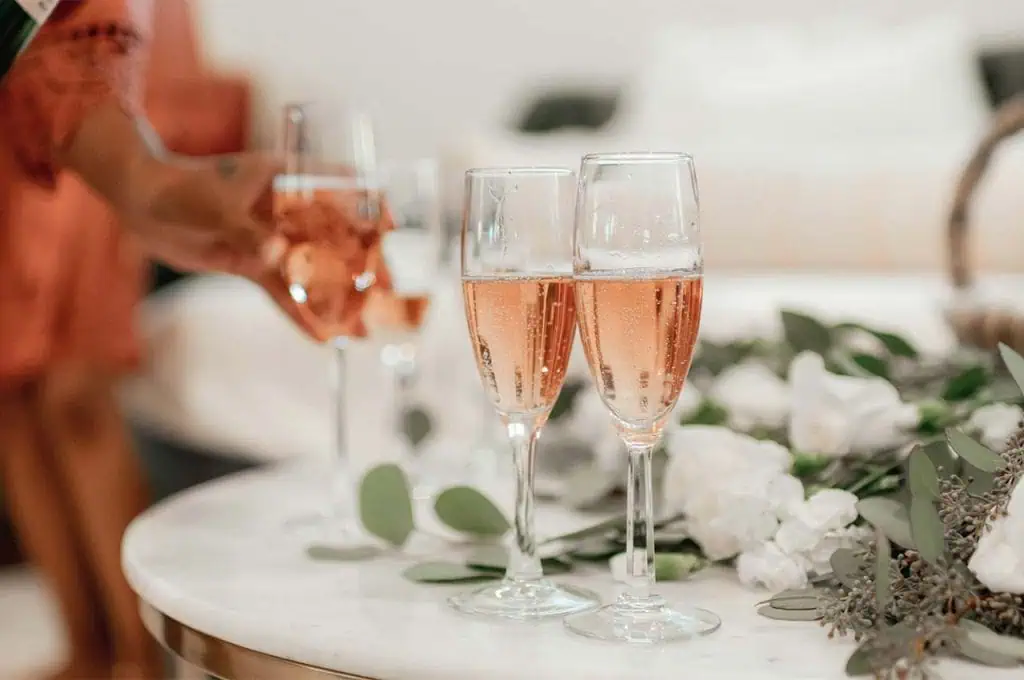
Rosé Champagne, with its blush hue, is distinct both in appearance and taste. This sparkling wine is typically crafted using two methods: blending red and white wines, or through the saignée method, which involves letting red grape skins briefly macerate with their juice. The result is a wine with both vibrant berry notes and subtle floral undertones. When serving, ensure it is chilled to enhance its refreshing zest. Pairing suggests light dishes like seafood or salads, allowing the wine’s acidity to cut through and complement the meal’s flavors.
Prestige Cuvée: The Pinnacle of Luxury
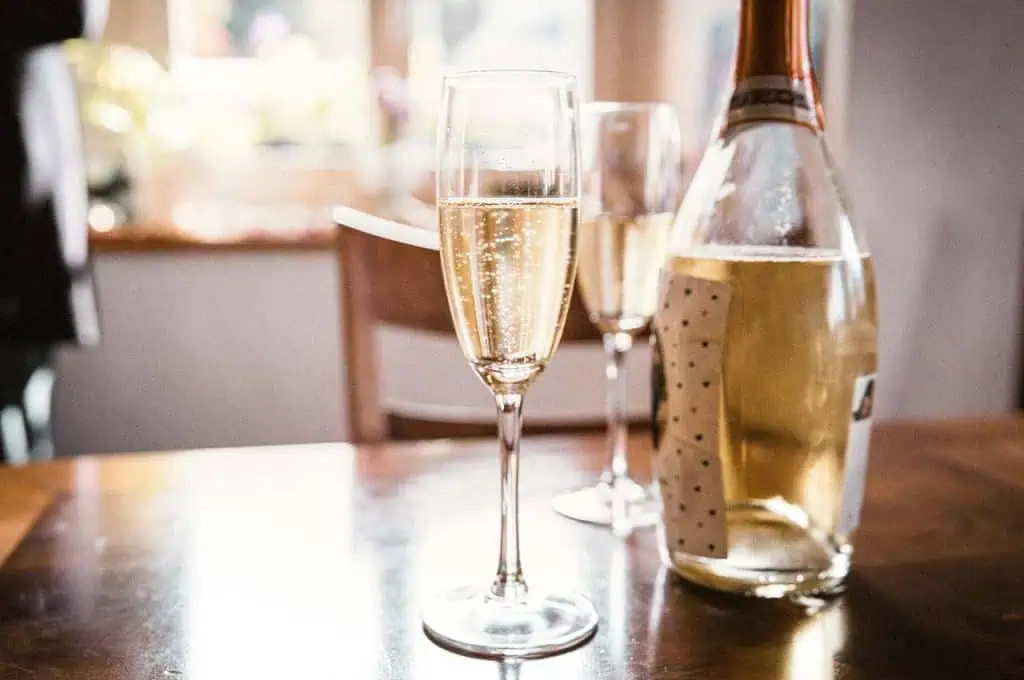
Representing the best a Champagne house can offer, prestige cuvées are crafted from the finest grapes and often aged longer for depth and complexity. These Champagnes showcase delicate bubbles with a rich, layered bouquet of flavors—citrus, brioche, and even subtle almond or vanilla tones. When serving, use a flute or tulip glass for optimal aroma retention. Chill to the appropriate temperature, around 49–54°F, to fully appreciate its complexity. Prestige cuvée pairs exquisitely with fine dishes such as lobster or foie gras, enhancing their luxurious profiles.
Grower Champagne: A Personal Touch
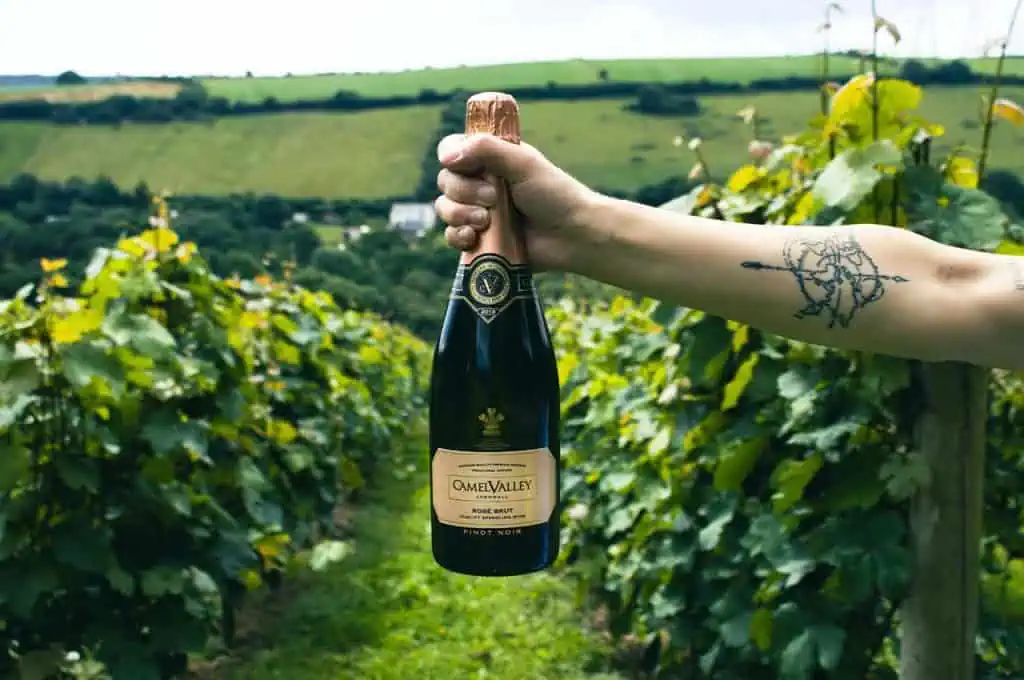
Grower Champagne comes from vineyards owned and operated by those producing the bottle, offering a unique terroir expression. These Champagnes are lauded for their personal craftsmanship, often reflecting the vineyard’s microclimate and grape varieties more vividly. Dive into notes that might include fresh orchard fruits, minerals, and a hint of toastiness—a product of the land and the maker’s individual touch. Best served at about 45–50°F to appreciate its freshness and structure, it pairs well with charcuterie or creamy cheeses, which resonate with its earthy, rich qualities.
