
Butter vs. Margarine: Which One Belongs in Your Kitchen?
Few kitchen decisions spark as much debate as the one between butter and margarine. Reach for the butter, and you are choosing centuries of tradition, rich flavor, and baking excellence. Reach for the margarine, and you are opting for convenience, spreadability, and often a more budget-friendly option. But the real answer is not as simple as picking a side. Each spread brings its own strengths, and knowing when to use which one can transform your cooking, your baking, and even your health.
In this guide, we will explore the fascinating history of both spreads, from the ancient art of churning cream to the 19th-century invention of margarine. We will compare their ingredients, nutritional profiles, and impact on heart health, including the important conversation around saturated and trans fats. We will also dive into how each one performs in the kitchen, whether you are baking a flaky pie crust, sautéing vegetables, or simply spreading something on toast. As your guide, I want to help you make informed, confident choices that fit your taste, your recipes, and your lifestyle. So let’s settle in and discover the right spread for every occasion.
A Brief History: Churns to Spreads

Butter’s rich history dates back thousands of years, originating from the simple churning of cream. Its traditional, creamy texture continues to evoke culinary nostalgia. Margarine, however, was developed in the 19th century as a more affordable alternative. Originally crafted from beef tallow, it has evolved significantly. The transformation from churns to spreads highlights a shift in consumer preferences and technological advancements in food production.
What’s Inside: Ingredient Differences

The core distinction between butter and margarine lies in their ingredients. Butter, made from cream, is naturally rich in milk fat. It offers a pure, unadulterated taste, enhancing both sweet and savory dishes. Margarine, on the other hand, is an emulsion of water and vegetable oils, often infused with emulsifiers, preservatives, and colorings to mimic butter’s appearance and texture. These differences influence not only flavor but also cooking performance, especially in baking.
Nutrition Showdown: Fats & Vitamins

Butter and margarine vary nutritionally. Butter contains natural saturated fats and fat-soluble vitamins like A and D, crucial for various body functions. Margarine’s fat content derives from vegetable oils, often providing polyunsaturated and monounsaturated fats. Some margarines are fortified with additional vitamins, making them a viable option for those seeking specific nutritional benefits. The balance of fats and vitamins should guide choices based on dietary priorities.
Heart Health: Saturated vs. Trans Fats
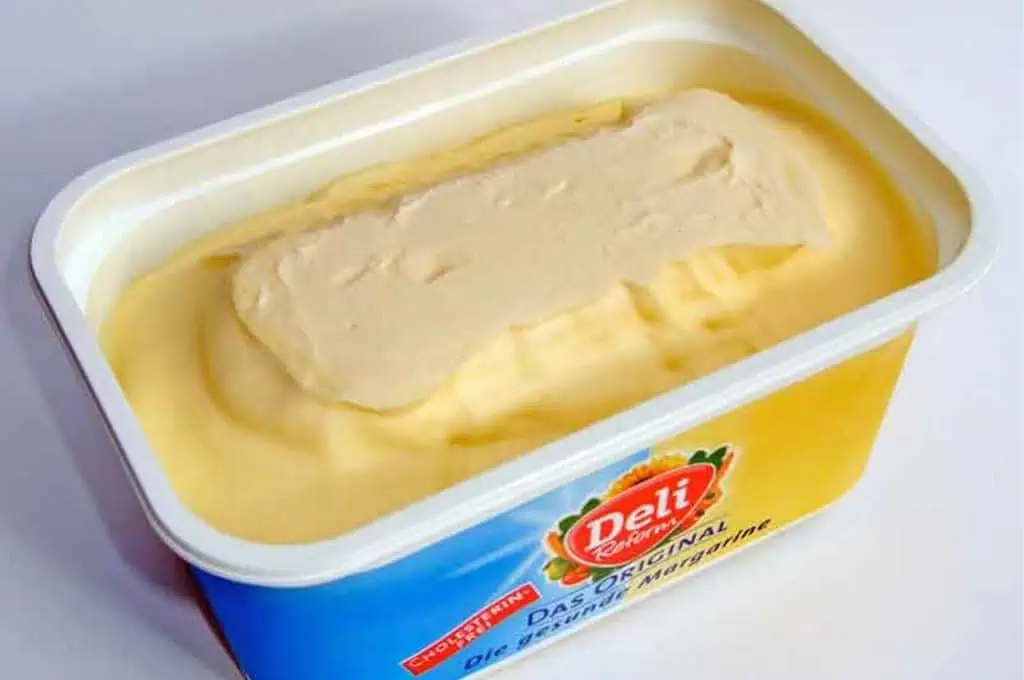
Heart health often dictates the butter versus margarine debate. Butter’s saturated fats have been scrutinized for their impact on cholesterol levels. Margarine was initially praised as a heart-healthier option. However, this changes when trans fats, produced during hydrogenation to solidify oils, enter the picture. Modern margarines often eliminate trans fats, but checking labels for specific types of fats remains crucial. Both spreads demand careful consideration in a heart-conscious diet.
Taste and Texture: Richness vs. Spreadability
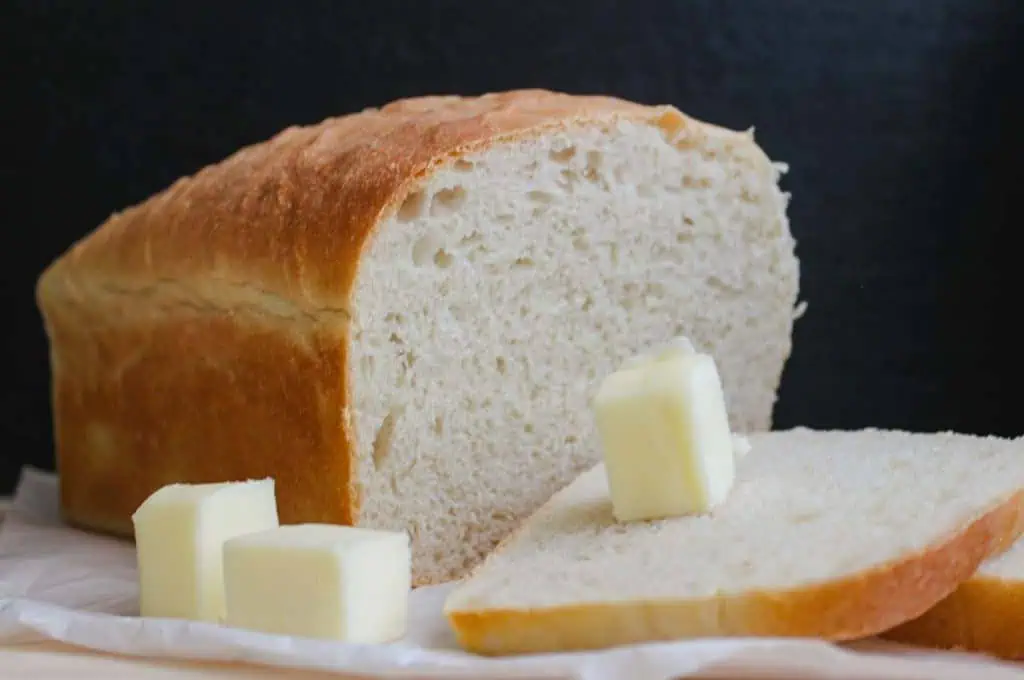
Butter offers a creamy, authentic richness that transforms the simplest dishes. Its complex flavor profile enhances pastries, sauces, and sautéed dishes with depth. Margarine, on the other hand, is crafted for spreadability and convenience, ideal for quick breakfasts or when you’re in need of a consistent spread straight from the fridge. Consider using butter when flavor is paramount, and opt for margarine when ease and texture take priority in your culinary decisions.
Cooking & Baking: Kitchen Performance

Butter excels in baking, lending a tender crumb and flavor to cookies and cakes. Its higher fat content is key for flakiness in puff pastry and pie crusts. In cooking, it adds a pleasant nuttiness when browned. Margarine’s higher water content can affect texture but works well in recipes where a softer end result is desired. It’s stable at room temperature, making it practical for frying and sautéing when you’re aiming for an even heat distribution without browning.
Modern Alternatives: Plant-Based Options
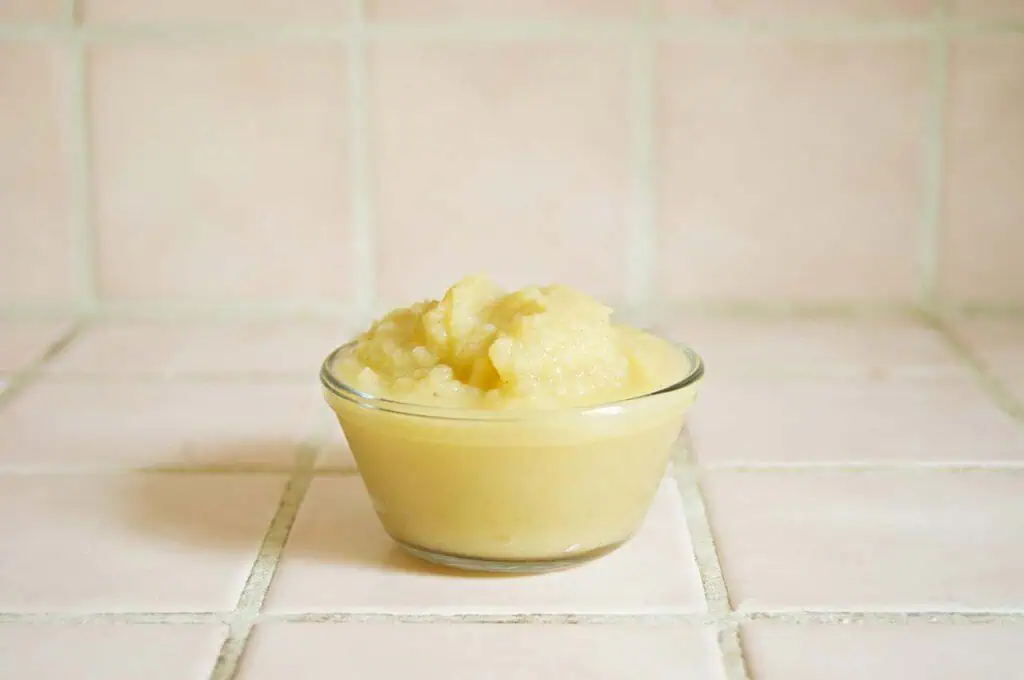
With the rise of dietary preferences, plant-based alternatives offer appealing choices for both butter and margarine lovers. Vegan butters, often made from coconut oil, provide a satisfying richness without animal products. Plant-based margarines, crafted from oils like avocado or olive, mimic traditional margarine’s spreadability while being dairy-free. These alternatives can suit a variety of dietary needs, offering versatility while maintaining a delightful flavor profile in both cooking and baking.
Finding Balance for Your Lifestyle
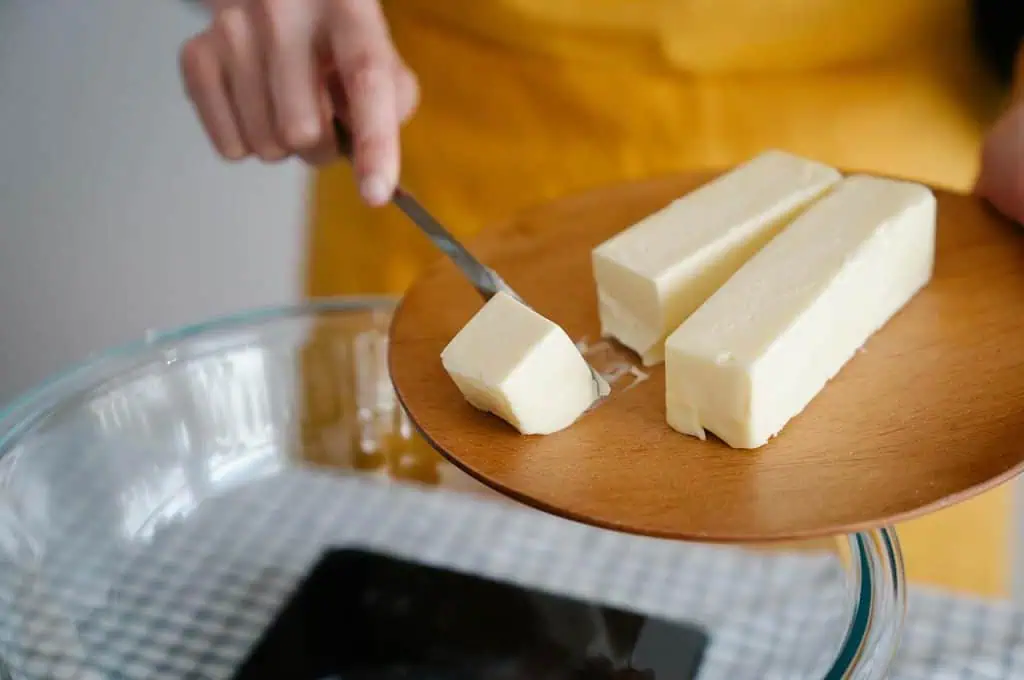
Choosing between butter and margarine often depends on dietary goals and cooking habits. Butter is ideal for those prioritizing flavor, while margarine offers a practical, cholesterol-free option. Consider health factors such as caloric intake, heart health, and personal dietary restrictions. Opt for a blend if your weekly menu varies between indulgent baking and everyday cooking. Balance is key, integrate the best qualities of each to make informed choices that align with your culinary style and lifestyle.
