
Brown Sugar vs. White Sugar: What You Really Need to Know
Walk down the baking aisle and you will see them side by side, two seemingly simple ingredients that have sparked countless kitchen debates. Brown sugar and white sugar may look like close cousins, and in many ways they are, but each one brings its own personality to the mixing bowl. One offers a deep, caramel-like richness and a tender, moist crumb. The other delivers clean, reliable sweetness that lets every other flavor shine. Understanding the difference between them can elevate your cooking and baking in ways you might not expect.
In this guide, we will explore how both sugars are made, how they compare nutritionally, and how their unique textures and flavors behave in everything from chewy cookies to delicate meringues. We will also bust a few common health myths, share smart storage tips to keep your sugar fresh, and touch on the sustainability questions behind their production. As your guide, I want to help you choose the right sugar for every recipe with confidence and creativity. So preheat the oven and let’s sweeten our kitchen knowledge together.
How Both Sugars Are Made
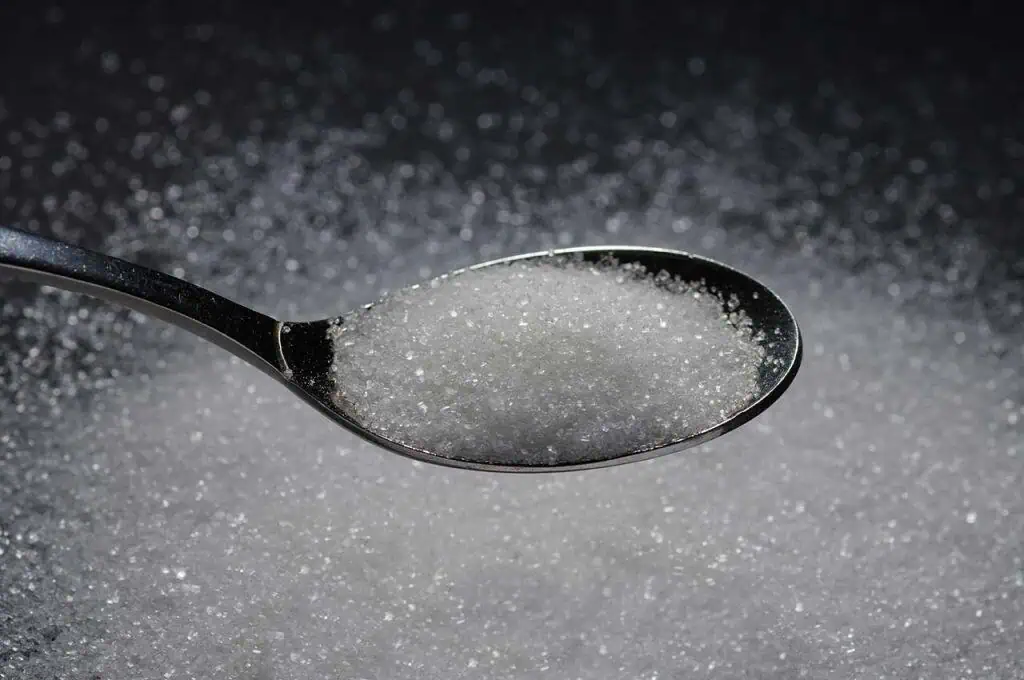
Brown and white sugar begin as raw sugar, extracted from sugarcane or sugar beets. White sugar undergoes further refining to remove molasses, resulting in pure sucrose crystals. Brown sugar retains some molasses or has it added back to achieve its distinct color and flavor. This process gives brown sugar a moist texture, contrasting with the dry, granular feel of white sugar.
Nutritional Face-Off: Brown vs. White
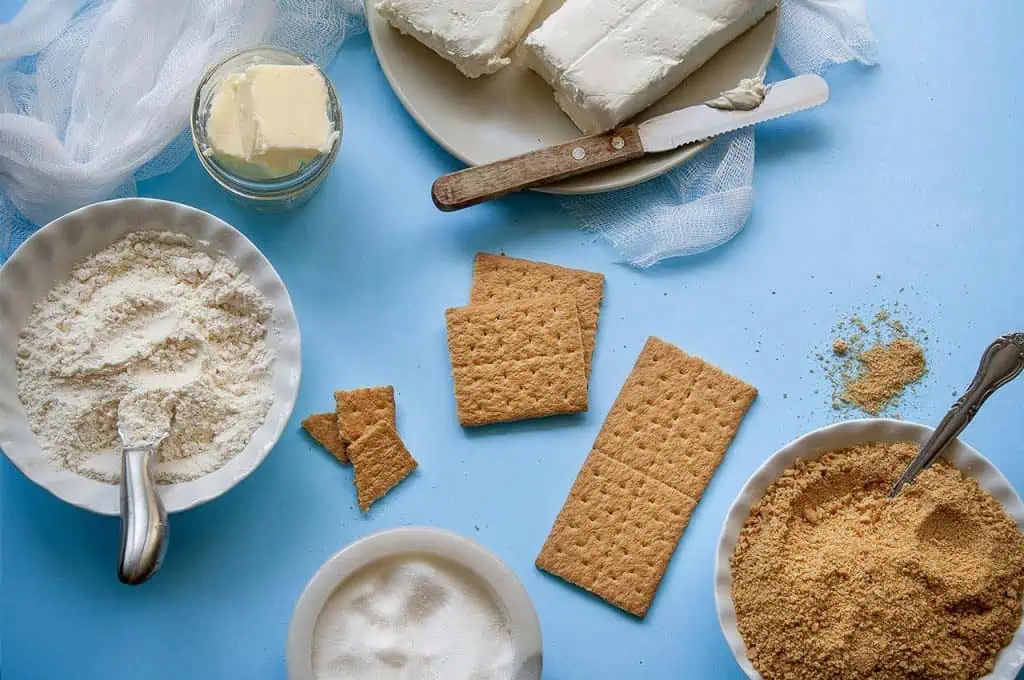
Nutritionally, brown sugar contains slightly more minerals due to its molasses content, including trace amounts of calcium, potassium, iron, and magnesium. Yet, these differences are minimal and shouldn’t impact dietary decisions significantly. Both sugars are similar in caloric content, making their choice more about culinary application than nutritional superiority.
Taste and Texture: Key Differences
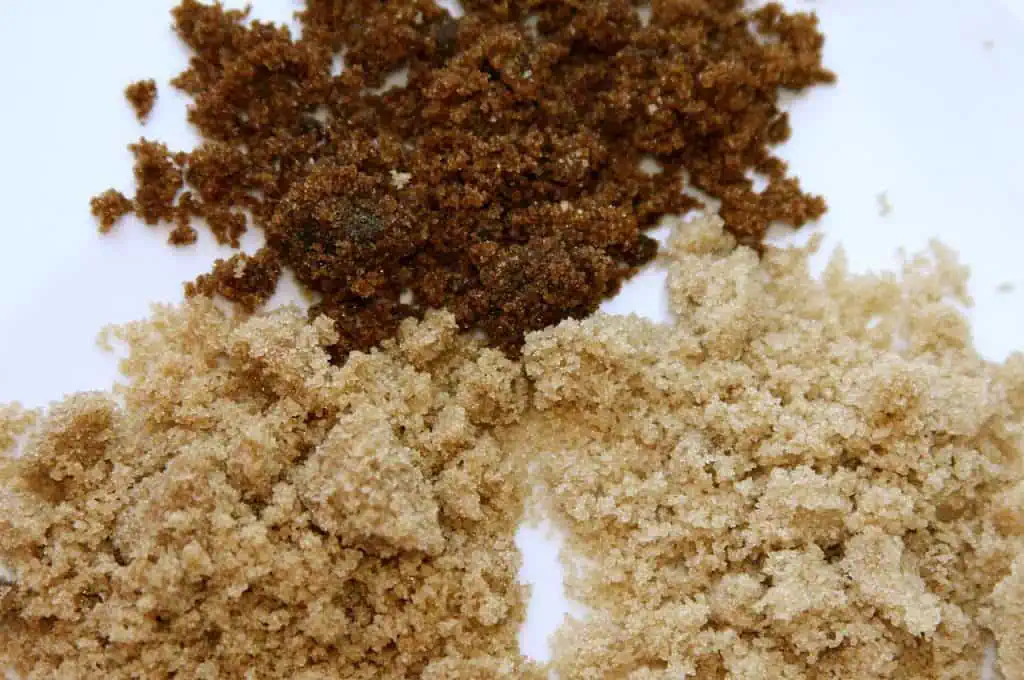
Brown sugar offers a deep, caramel-like flavor with a hint of moisture, enriching recipes with a subtle complexity. Its moisture contributes to a softer texture, ideal for making chewy cookies or rich sauces. White sugar provides a clean, straightforward sweetness that doesn’t overshadow other flavors, making it versatile for various culinary applications.
Baking: Which Sugar Shines?

In baking, your choice can alter texture and flavor. Brown sugar’s moisture content helps retain moisture in baked goods, leading to a denser, moister crumb. It is excellent for items where chewiness is desired. White sugar is preferred for recipes needing a lighter, airy texture, such as meringues or sponge cakes, where distinct sweetness without added moisture is key.
Health Myths: Sugar Truths Uncovered

Understanding the differences between brown sugar and white sugar is essential for making informed dietary choices. While both originate from sugar cane or sugar beet, brown sugar retains molasses, giving it a slightly higher mineral content and a moist texture. This slight nutritional edge, however, doesn’t significantly impact your health. Both sugars are calorically dense and should be consumed in moderation. Focusing on balanced usage rather than perceived health superiority is key. Shift towards whole, unrefined alternatives if you’re seeking more natural sweeteners.
Storage Tips: Keeping Sugar Fresh
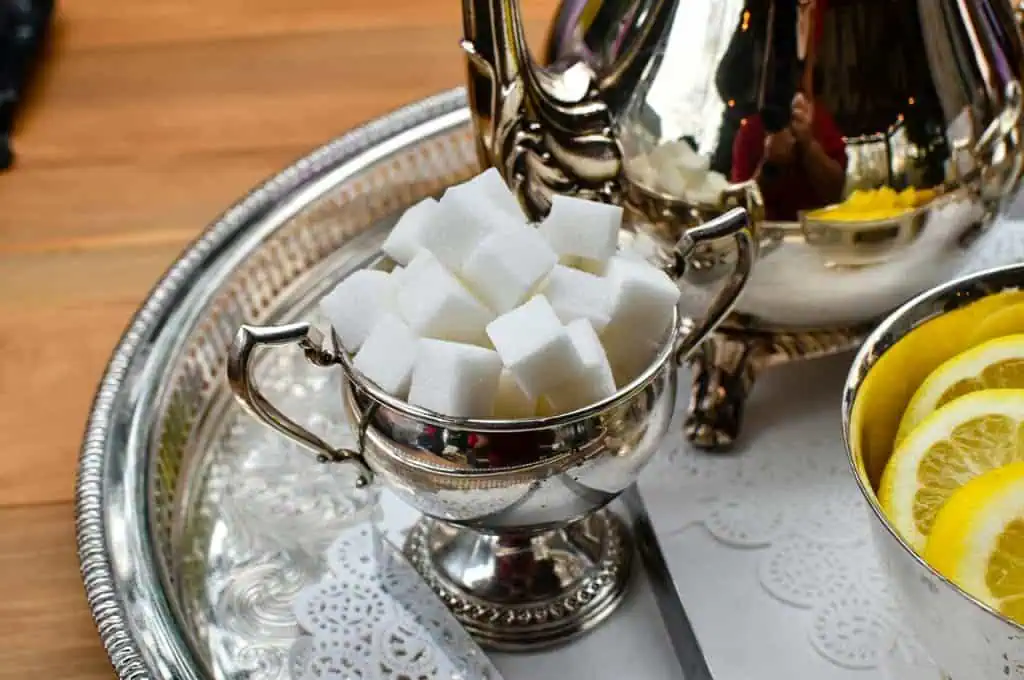
Proper storage is crucial to maintain sugar’s quality and usability. For white sugar, keep it in an airtight container in a cool, dry place to prevent clumping. Brown sugar is more susceptible to hardening due to its moisture content; store it in a sealed bag or airtight container with a piece of bread or apple slice to retain softness. If it hardens, a quick microwave stint with a damp paper towel can help. These methods ensure that your sugar remains ready for use in any recipe.
Sustainability: A Look at Processing

The production processes of brown and white sugar have varying environmental impacts. White sugar often involves additional refining steps to remove molasses, demanding more energy and resources. In contrast, brown sugar retains a bit more of its natural molasses, potentially reducing some processing needs. Opting for organic or minimally processed sugars can support more sustainable farming and production methods. Being aware of these factors allows you to make informed decisions aligned with environmental values.
Choosing the Right Sugar for You
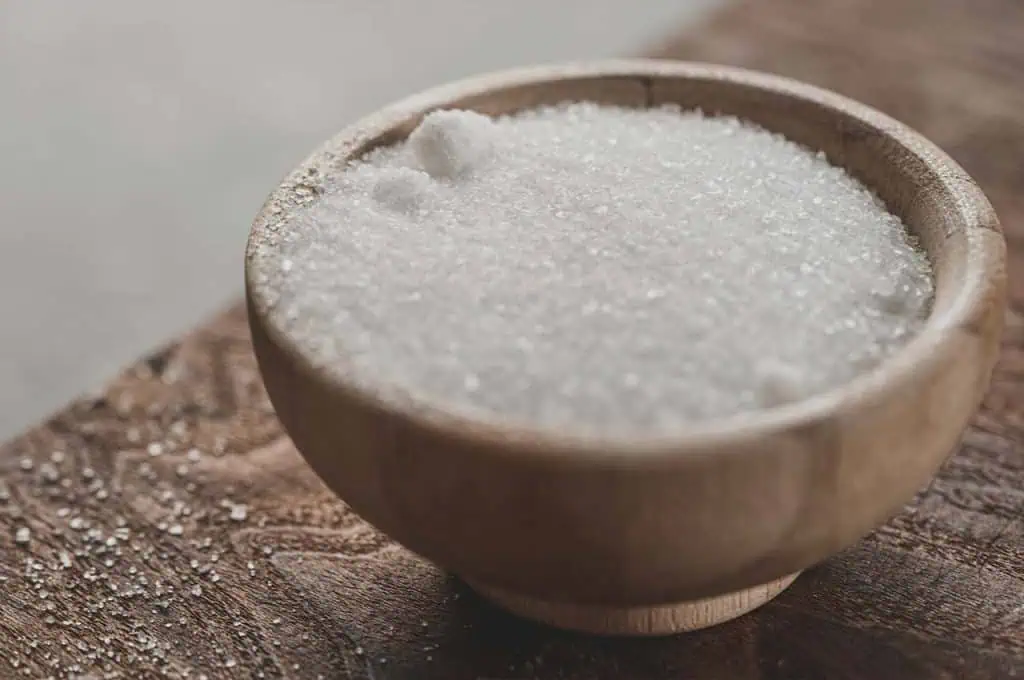
Selecting between brown and white sugar depends on the dish and desired outcome. White sugar is universally versatile, offering sweetness without altering flavors or colors, ideal for delicate pastries and beverages. Its fine granules dissolve effortlessly, ensuring smooth textures. Brown sugar adds moisture and a deep, caramelly richness, perfect for cookies and hearty cakes. Consider the flavor profile and texture you wish to achieve. Tailoring sugar selection to the recipe elevates your culinary creations.
