
Blossom on the Plate: 5 Edible Flowers to Cook With
Exploring edible flowers enriches culinary creativity with color and flavor. Each bloom brings unique characteristics that enhance dishes, offering both visual and sensory appeal. Understanding how to incorporate these delicate ingredients can transform ordinary meals into extraordinary experiences. Let’s delve into five edible flowers and discover how they subtly, yet distinctively, elevate your cooking.
Lavender: Scented Elegance
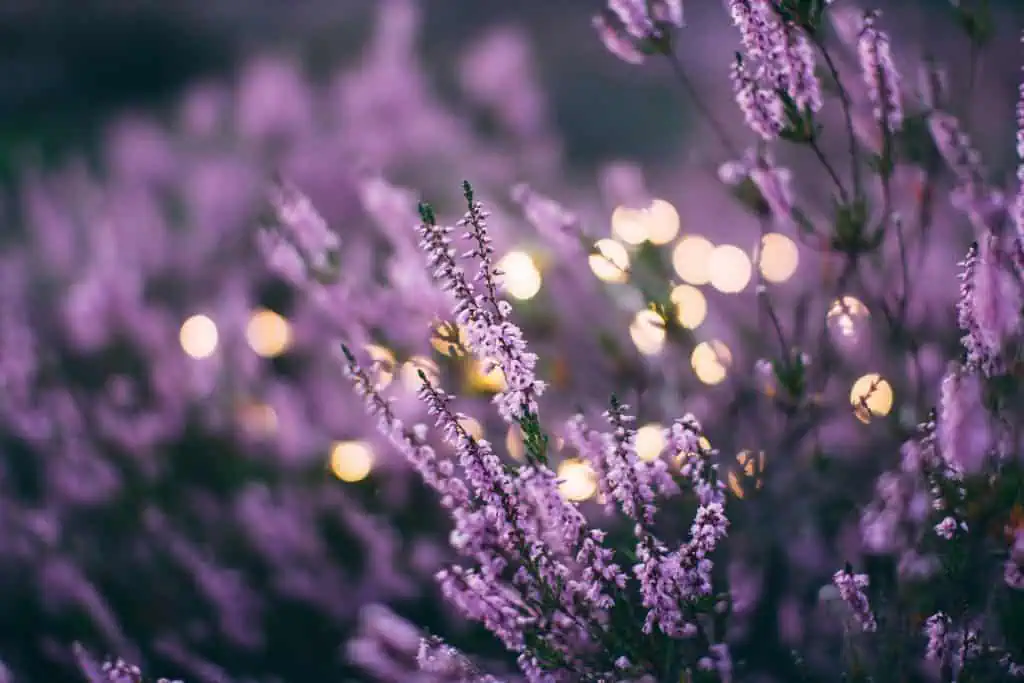
Lavender infuses dishes with a sweet, floral aroma and a hint of citrus. When using, opt for culinary-grade lavender to ensure safety and optimal taste. Its dried buds ground into sugar or steeped in cream infuse desserts like shortbreads and custards with a sophisticated note. Pair with lemon or honey to balance its intensity, and remember, a light hand is key—too much can overpower.
Nasturtiums: Peppery Petals
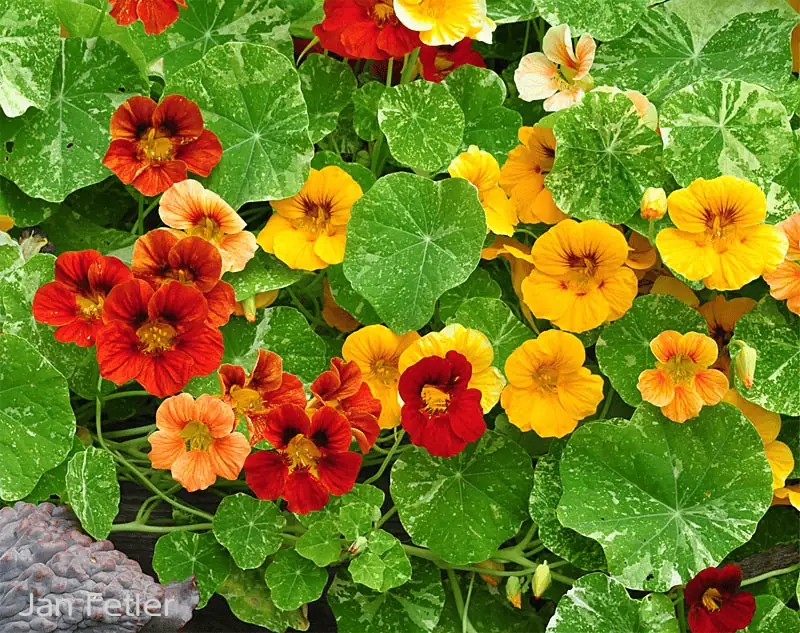
Nasturtiums add a vibrant, peppery sharpness akin to watercress. These blossoms, entirely edible from petals to leaves, make striking additions to salads and garnishes. Select fresh, unwilted flowers to maintain their crisp texture and vivid color. Blend into pestos or butter for a unique twist on conventional spreads. Their spicy undertone contrasts beautifully with creamy cheeses and eggs.
Hibiscus: Tart and Tangy Treats
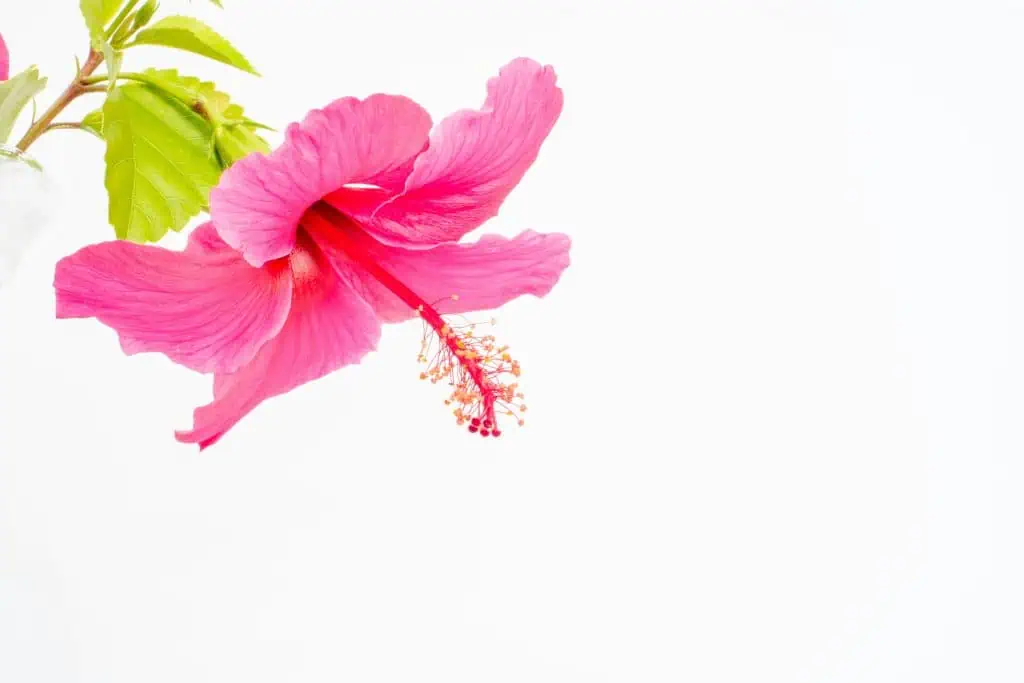
Hibiscus offers a tart, cranberry-like flavor that is both refreshing and versatile. Its dried petals make exquisite teas and syrups, lending a vibrant hue and tangy finish. Simmer with sugar to create a floral syrup perfect for cocktails or reduction sauces. For desserts, its natural acidity complements rich creams and fruity dishes. Balance hibiscus’s bold notes with sweet or spicy elements.
Pansies: Vibrant Palette Pleasers
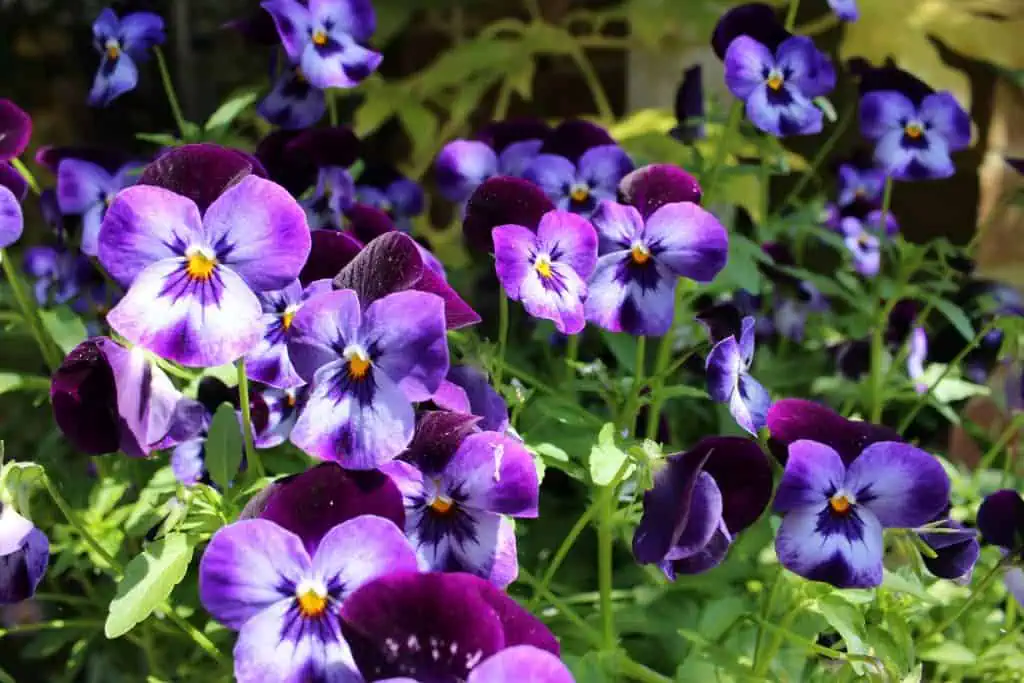
Pansies, with their mild, slightly grassy flavor, are more about aesthetics than taste. Their multicolored petals enhance the visual appeal of salads, desserts, and ice cubes. Gently wash and dry them to retain texture and brilliance before use. These versatile flowers can be candied or used fresh to top cakes and pastries. Their subtle flavor makes them an accessible introduction to edible flowers.
Marigolds: Sunny Spice Sensations
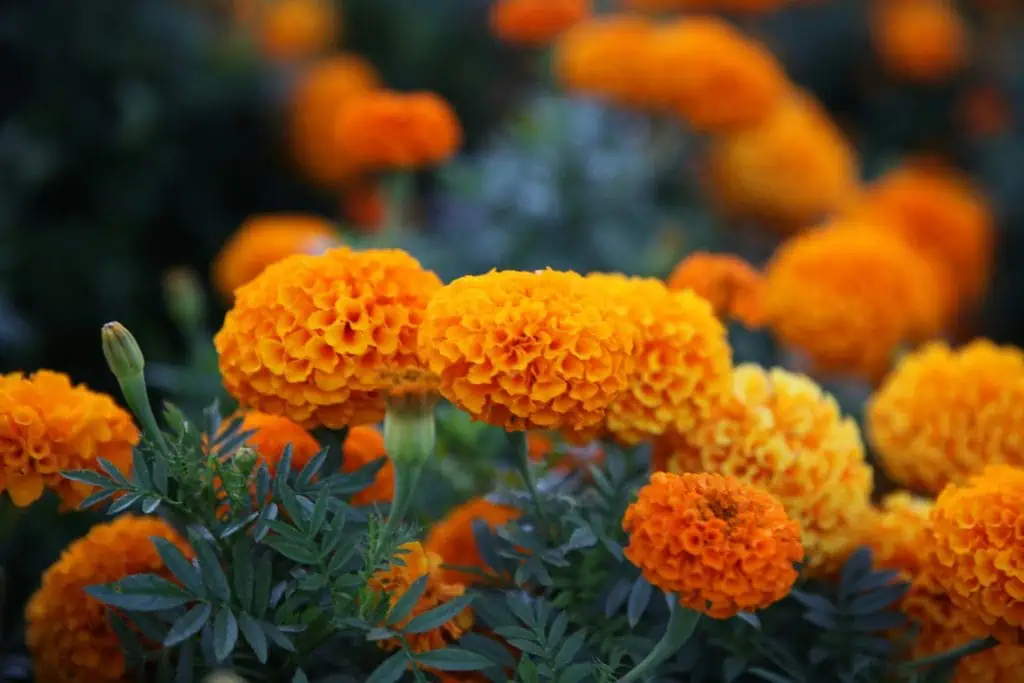
Marigolds, with their vibrant orange and yellow petals, offer more than just visual appeal. Their subtly spicy, citrus-like flavor can transform everyday dishes. To incorporate these edible flowers effectively, start by using the petals. Remove them carefully from the base to avoid bitterness. These petals complement salads, adding both color and a zesty twist. For a unique seasoning, dry the petals and grind them into a powder. This powder can enhance soups, stews, or even rice dishes, infusing them with a warm, peppery essence that invigorates the palate.
