
Americans are Giving up these 7 food habits in 2026 and many don’t realize it yet
In 2026, subtle shifts in American dining habits reveal a departure from past preferences. Many may not yet recognize these changes as they navigate evolving lifestyles and priorities. As convenience continues to be reevaluated, new patterns emerge, marking a significant transformation across culinary landscapes. Understanding these evolving trends can empower home cooks, guiding them toward more intentional choices in their daily lives. Let’s explore the specific areas where these shifts are most apparent and how they impact the way meals are seasoned, shared, and savored.
Drive-Thru Dinners Dwindle

In a society once enamored with the quick convenience of drive-thru dining, the trend is reversing as more individuals opt for home-cooked meals. The practicality of preparing meals at home not only boosts nutrition but also allows for more control over ingredients and portion sizes. Utilizing simple techniques, such as meal prep and batch cooking, home chefs are finding joy and efficiency in crafting meals from scratch. This transformation fosters a deeper connection with food, emphasizing quality over speed. As drive-thru visits decrease, home kitchens become the new focus for culinary innovation.
The Family Size Fiasco

Changing household dynamics are influencing shopping patterns, particularly in relation to purchasing family-size products. With smaller family units becoming more common, there’s a growing emphasis on buying only what is needed. This shift encourages a reduction in food waste and promotes experimenting with fresher ingredients rather than relying on bulk storage. Home cooks are embracing this by frequenting local markets and adjusting recipes to suit smaller gatherings. This movement suggests a more sustainable and personal approach to meal preparation, allowing for adaptability and creativity in the kitchen.
Cheap Apps, Unexpected Costs
The convenience of food delivery apps is faced with scrutiny as users become more aware of hidden fees and environmental impacts. Many are reassessing the true cost of such services, considering both their financial implications and their carbon footprint. This awareness encourages an emphasis on mindful eating and cooking practices. Home cooks are rekindling the pleasure of preparing meals themselves, exploring new cuisines, and honing skills that offer both satisfaction and sustainability. The shift away from frequent ordering signifies a deeper, more conscious engagement with food and culinary enjoyment.
Sugary Coffee Runs: A Decline

Consumer preferences are shifting away from regular high-sugar coffee runs as health awareness increases. The ritual of stopping for a sugary coffee fix is being replaced by homemade brews, where individuals exercise more control over sweetness levels and ingredients. Home baristas are exploring traditional techniques like pour-over and French press, leading to a deeper appreciation of flavor profiles and nuances. This trend not only supports healthier choices but also fosters a more intimate and mindful coffee experience, grounding the simple act of enjoying coffee in ritual and routine.
The One-Meal-Per-Week Myth

Many have adhered to a routine of designating one indulgent meal per week, often viewing it as a balancing act for healthier habits. However, shifting perspectives suggest focusing on consistent, daily nutrition rather than compensatory splurges. To adapt, consider integrating treats mindfully into meals using smaller portions, or healthier swaps, without reserving one day for excess. This creates sustainable eating patterns, promoting a balanced diet throughout the week without drastic highs and lows.
Low-Fat Labels Lose Trust

Consumers are becoming aware that low-fat products might not be the healthiest choice. Often compensated with sugars or additives, such items can mislead shoppers. Instead, look for whole foods where natural nutrients remain intact. Embrace full-fat options like Greek yogurt or olive oil, which offer favorable fats beneficial for satiety and flavor. This shift encourages you to savor quality over quantity, ensuring each ingredient contributes positively to overall nutrition and enjoyment.
Rethinking Restaurant Proteins
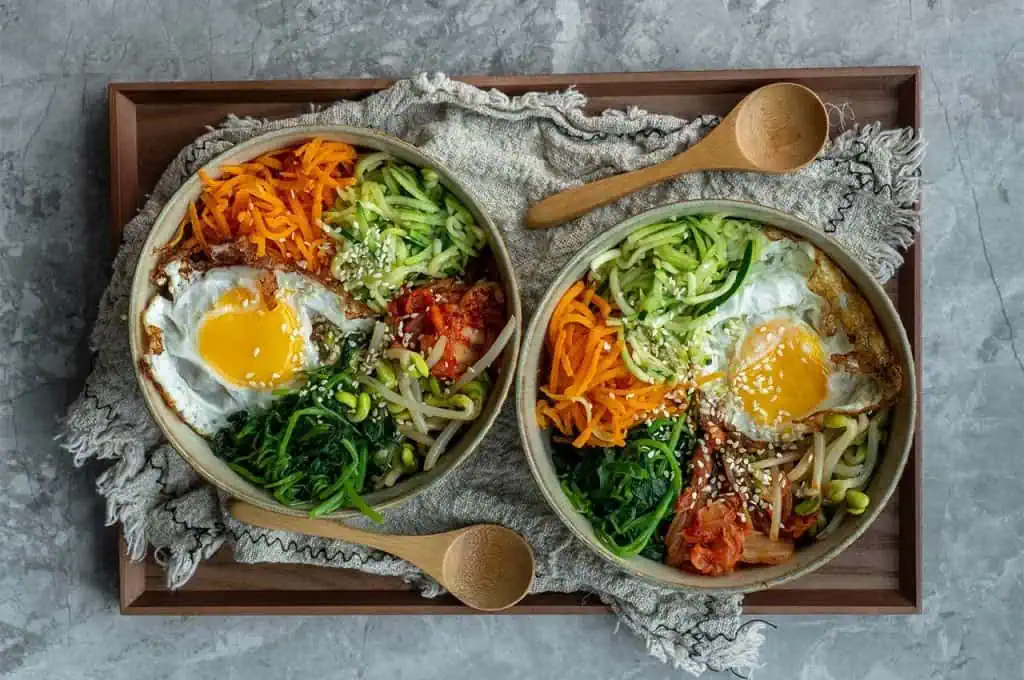
Traditionally, many have relied on generous portions of meat when dining out, viewing it as the centerpiece. There’s a growing trend towards exploring plant-based and sustainable proteins, helping balance health concerns and environmental impact. Consider trying dishes that incorporate legumes, quinoa, or tofu, each offering varied textures and flavors. This approach not only supports ethical dining choices but also adds diversity to your dining experience, enriching your palate and expanding culinary expertise.
