
The TSA Crisis Is Making Airport Food Scams Worse – Here Are 5 to Watch For
The partial government shutdown of 2026 has pushed airport operations to a breaking point. With hundreds of unpaid TSA officers resigning and security wait times stretching beyond the three-hour mark, travelers are arriving earlier than ever, often four to five hours before departure.
This “captive audience” environment is a goldmine for opportunistic scammers. From fake digital menus to predatory “priority” surcharges, these five food-related scams are currently circulating in major U.S. hubs during the spring 2026 travel surge.
The “Quishing” Menu Trap
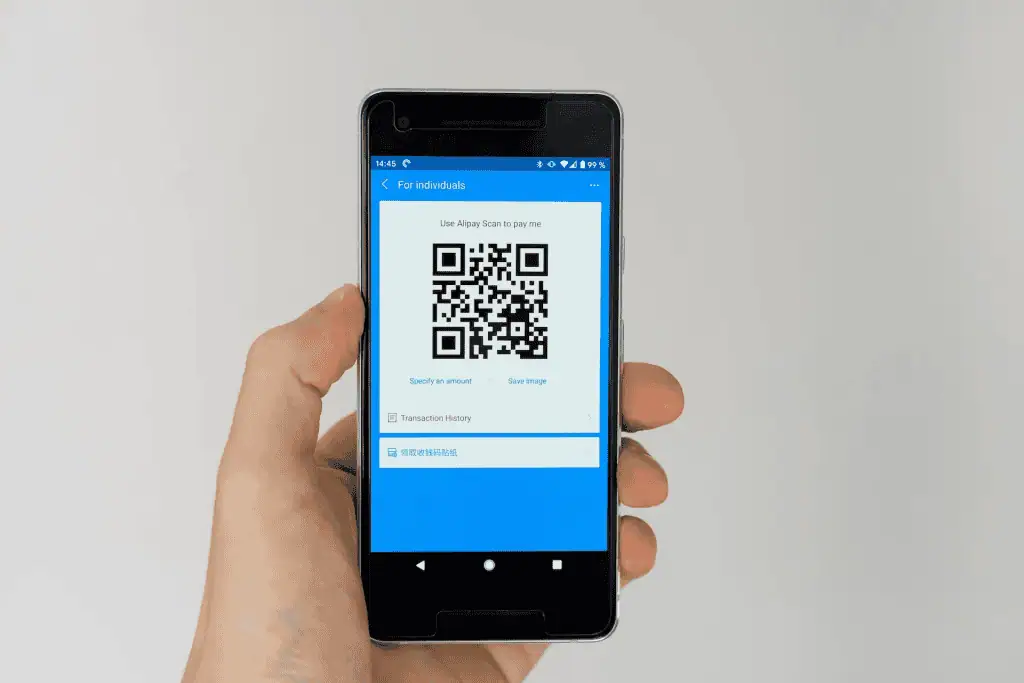
With physical menus becoming rare, scammers are placing fraudulent QR code stickers over the legitimate ones on restaurant tables and food court kiosks. This “Quishing” (QR Phishing) tactic directs you to a fake payment site that looks identical to the restaurant’s official portal.
In 2026, these fake sites are used to harvest your credit card details and personal data while you wait for a meal that never arrives. Always verify that the URL matches the restaurant’s actual name and look for “HTTPS” security before entering any sensitive financial information.
The “Express Lane” Food Surcharge
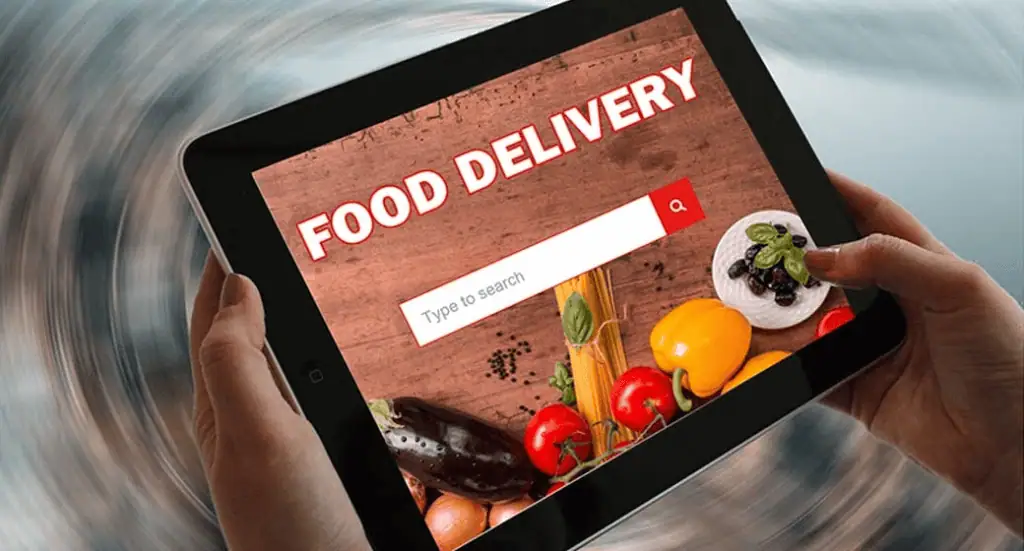
Some third-party “delivery” apps operating within airports are now charging a predatory “Security Delay Surcharge.” They claim this fee, often $10 to $15, is necessary to expedite your food through the terminal during the TSA crisis.
In reality, these apps have no special clearance to “skip” security or internal logistics. These fees are often hidden in the fine print of the checkout screen, banking on the fact that stressed travelers are in too much of a hurry to scrutinize the total before tapping their phone to pay.
Fake “Gate-Side” Delivery Services
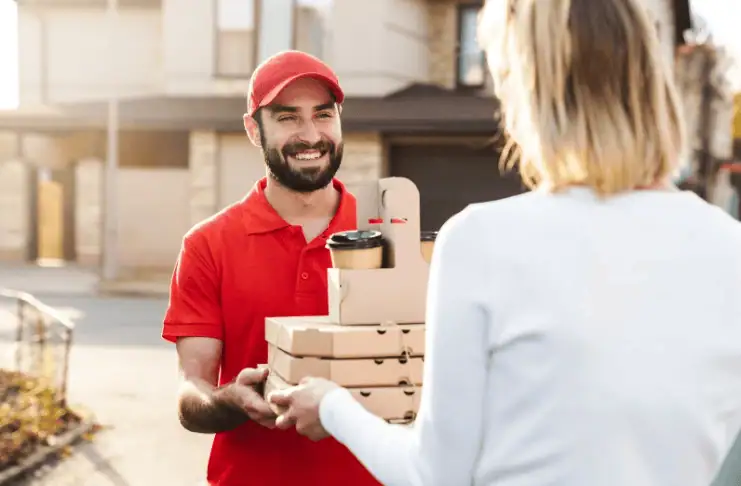
A sophisticated 2026 scam involves “ghost” delivery services that claim to bring premium food directly to your gate to help you avoid the long food court lines. These services often advertise via social media or unofficial airport Wi-Fi landing pages.
After you place a high-priced order, the “delivery person” never appears, and the app or website disappears shortly after. Travelers are advised to only use official airport-sanctioned apps or physically visit vendors to ensure their money and their lunch actually exists.
The “Evil Twin” Wi-Fi Ordering Scam
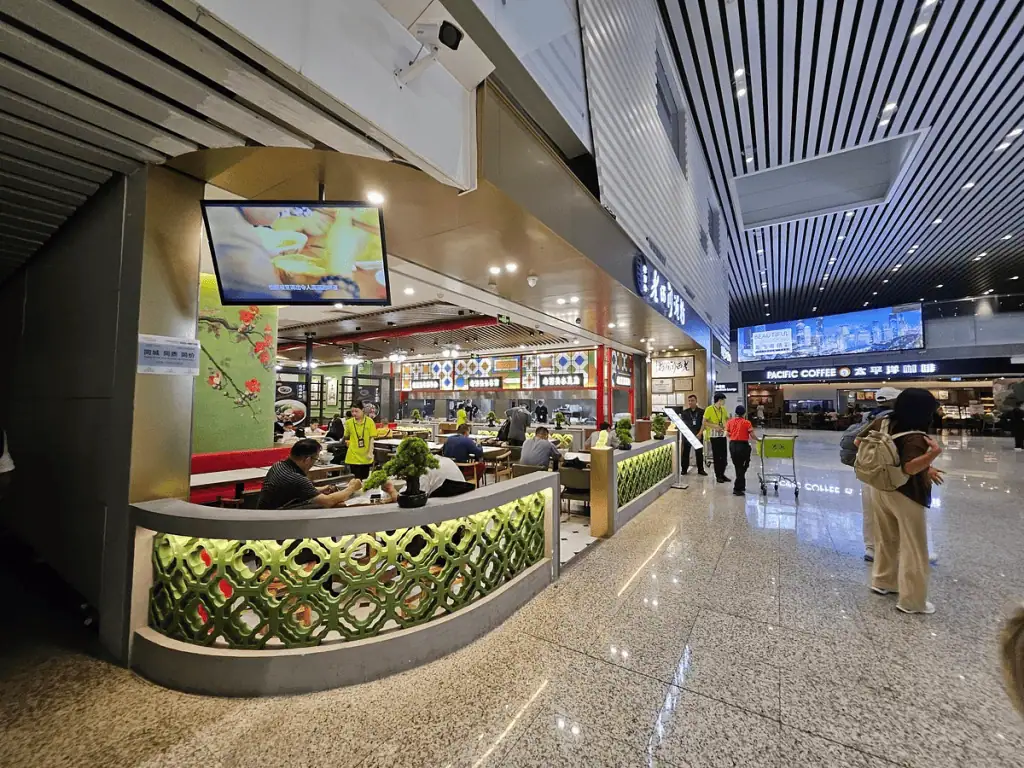
As travelers sit in long TSA lines, they often look for open Wi-Fi to order food ahead. Scammers set up “Evil Twin” hotspots with names like “Free_Airport_Food_Wifi” or “Gate_G12_Ordering” to intercept your data.
When you connect and try to pay for a meal, the scammer records your keystrokes and captures your banking login. To stay safe in 2026, experts recommend using a VPN or sticking to your cellular data for any transaction involving food or travel bookings.
The “No Change” Cash Hustle
Due to the 2026 coin and small-bill shortage exacerbated by the shutdown, some “pop-up” kiosks are claiming they cannot provide change for cash transactions. They often round up your $12 sandwich to a $20 bill, claiming the difference is a “mandatory service fee” or “TSA support tax.”
While many airports are moving toward “cashless” systems, these predatory vendors target those who haven’t yet converted to digital wallets. Always check for official signage regarding surcharges and insist on a printed receipt to verify exactly what you are being charged for.
