
5 “Disturbing” Foods From Around the World That Might Shock You
As we move through April 2026, the definition of “shocking” food is shifting. What was once considered a stomach-churning dare is now being rebranded by elite chefs as “functional fermentation” or “zero-waste delicacy.”
While some of these items still trigger a strong “ick” factor for Western palates, they represent centuries of culinary ingenuity. Whether it’s for the intense flavor profile or the purported health benefits, these five global foods continue to spark both fascination and fear.
Garum: The Roman “Fish Gut” Sauce
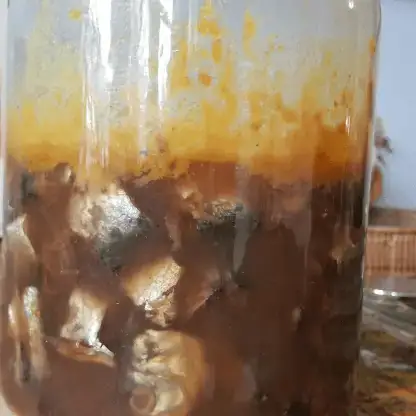
Making a massive high-end comeback in 2026, Garum is an ancient condiment made from the fermented entrails of fish. While the idea of “rotting fish guts” sounds disturbing, the result is a salty, deep umami liquid similar to premium fish sauce.
Modern zero-waste restaurants in London and Sydney are now using “insect garum” or “parmesan rind garum” to season their dishes. Despite its pungent origin, it is being hailed as the secret ingredient for 2026’s most sophisticated savory plates.
Sannakji: The “Moving” Octopus
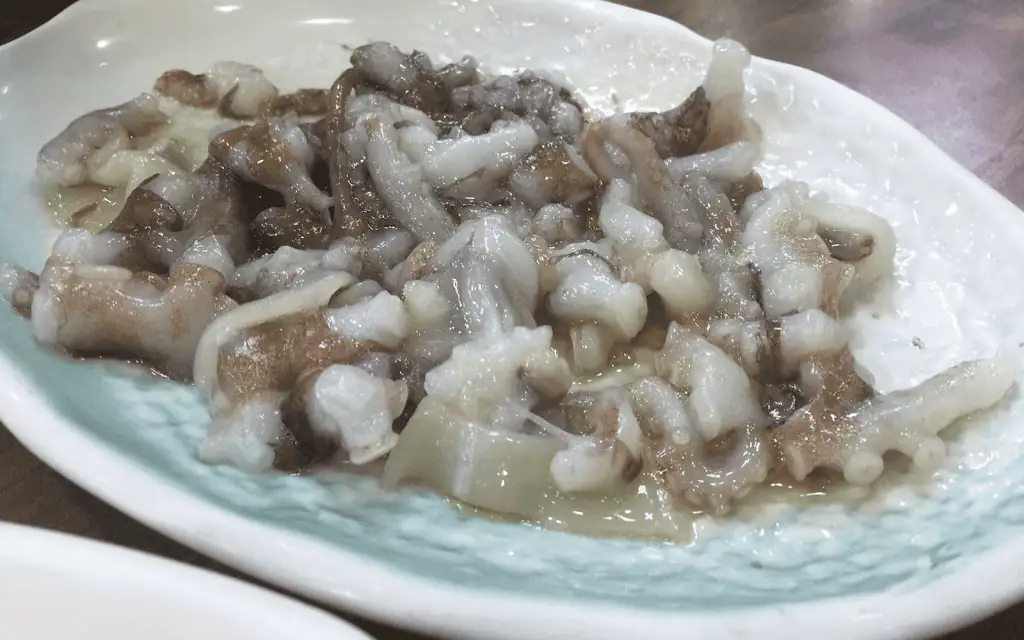
A perennial favorite for shock-seekers, Sannakji consists of long-arm octopus tentacles that are cut into small pieces and served immediately while still wriggling. The “disturbing” element isn’t just the movement, but the physical danger involved in eating it.
The suction cups on the tentacles remain active and can stick to the throat, posing a genuine choking hazard. In 2026, it remains a “rite of passage” for adventurous foodies in Seoul, usually served with a simple dip of sesame oil and toasted seeds.
Prahok: The “Crushed” Fish Paste
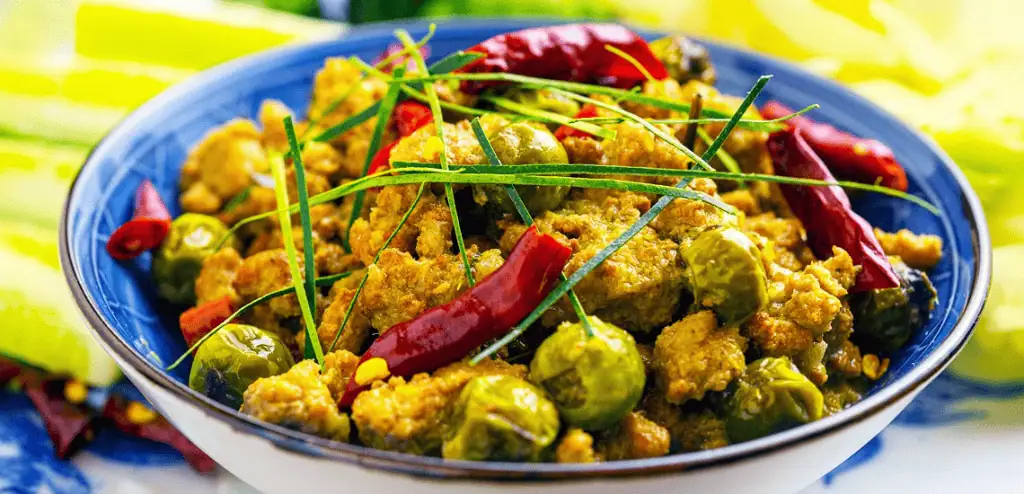
Commonly known as “Cambodian Cheese,” Prahok is a crushed, salted, and fermented fish paste that is left to age in the sun for weeks. To many outsiders, the gray color and intense, ammonia-like odor are initially overwhelming.
However, for Cambodians, it is an essential protein source and flavor base for almost every meal. As 2026 food trends lean toward “extreme fermentation,” Prahok is gaining respect among global chefs who value its ability to add unparalleled depth to stews and dipping sauces.
Balut: The Developed Duck Embryo
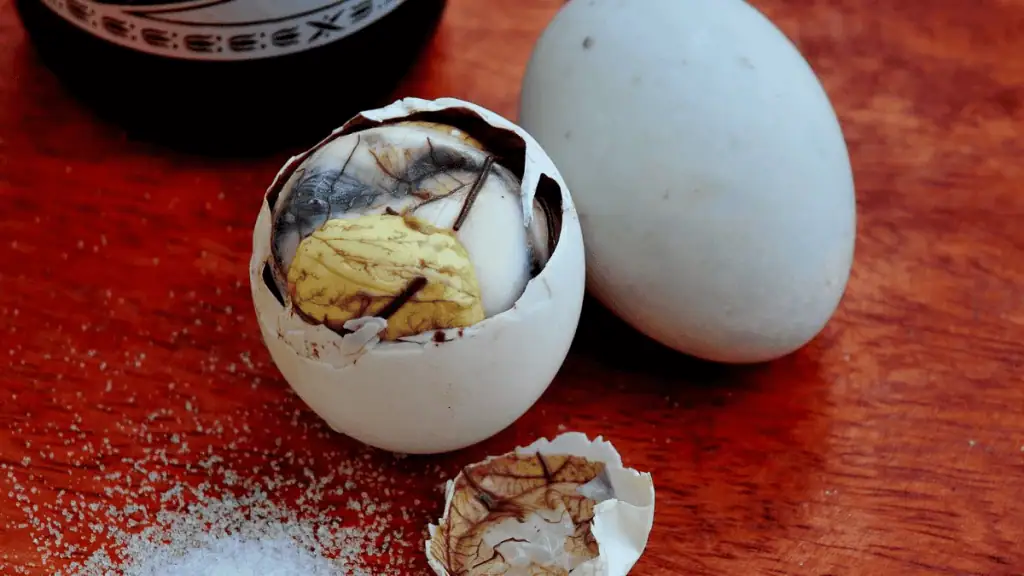
Balut is a fertilized duck egg that has been incubated for 14 to 21 days, long enough for the embryo to develop features like feathers and a beak. It is then boiled and eaten directly from the shell, usually with a pinch of salt or vinegar.
While the visual of a partially formed bird is disturbing to many, it is a beloved street food in the Philippines and Vietnam. It is prized in 2026 as a high-protein “superfood,” though it remains one of the most polarizing culinary experiences for international travelers.
Century Eggs (Pidan)
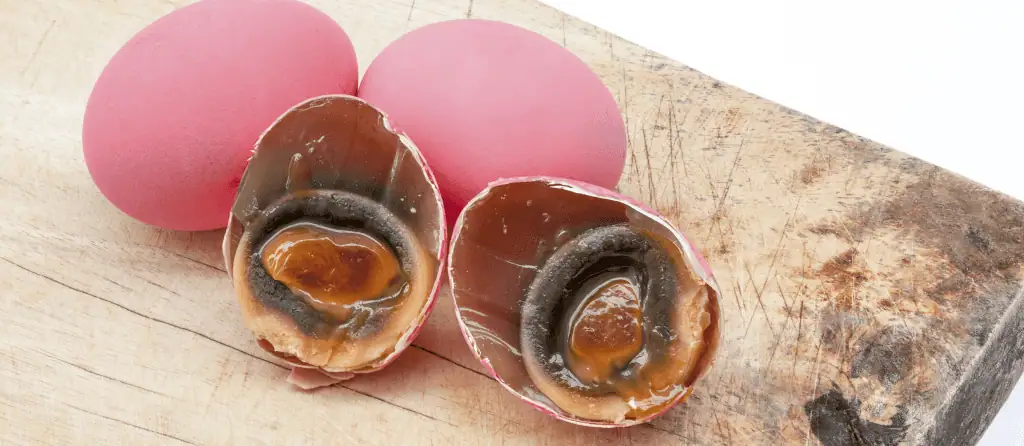
Despite the name, Century Eggs aren’t actually 100 years old; they are preserved in a mixture of clay, ash, salt, and quicklime for several months. This process turns the yolk a dark, creamy green and the “white” into a translucent, salty brown jelly.
The “shock” factor comes from the egg’s distinct sulfur and ammonia smell, which can be off-putting to the uninitiated. Yet, in 2026, they are a staple of upscale Chinese congee and cold appetizers, valued for their complex, cheese-like richness and silky texture.
