
5 Ways The 90s Cooking Shows That Quietly Shaped How a Whole Generation Eats
The 1990s brought a culinary revolution that subtly transformed home cooking. During this era, cooking shows introduced approachable techniques and flavor combinations, influencing how a generation cooks and eats today. These programs demystified gourmet cuisine, highlighting valuable skills and making it accessible to everyday cooks. The era cultivated a culinary curiosity, leading to a willingness to explore new ingredients and embrace diverse cuisines. Let’s explore the ways these shows left a lasting impact on modern kitchens.
Step-by-Step Recipes Made Cooking Fun

Cooking shows of the 90s excelled at breaking down complex recipes into approachable steps. Hosts demonstrated each process with clarity, emphasizing techniques like perfecting a roux or achieving a proper sear. This instructional style built confidence, allowing home cooks to replicate dishes without intimidation.
Step-by-step guides highlighted ingredient preparation, mise en place importance, and timing, turning cooking from a daunting task into an enjoyable experience. These skills became foundational for the mastery of more intricate dishes.
Celebrity Chefs Became Household Names
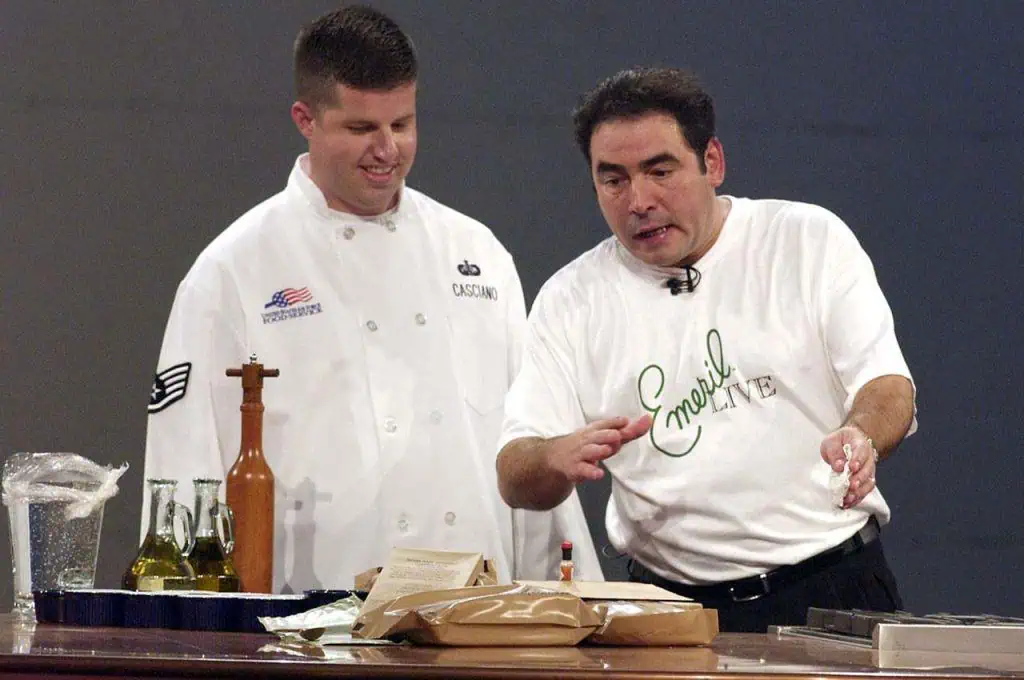
The 90s saw the rise of celebrity chefs who brought charisma and expertise into living rooms. Figures like Emeril Lagasse and Julia Child shared professional insights with warmth and encouragement, making sophisticated culinary techniques feel accessible.
Through their shows, these chefs instilled a sense of trust and inspiration, encouraging viewers to experiment in their kitchens. Their influence extended beyond recipes, as they championed fresh ingredients, bold flavors, and a dynamic approach to home cooking.
Convenience Ingredients Became Acceptable
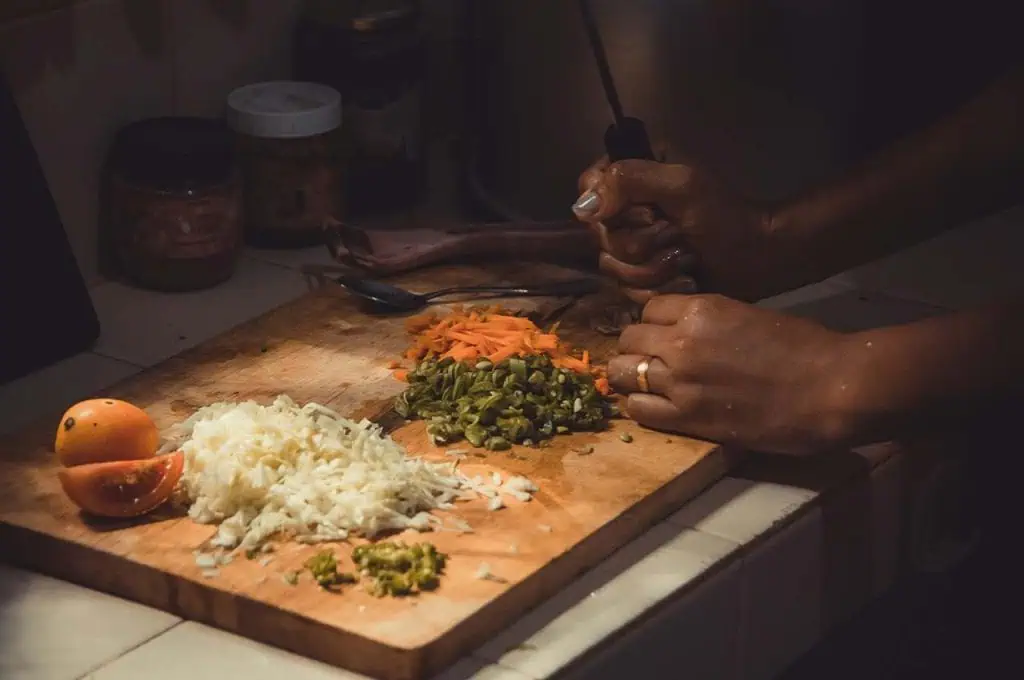
This era embraced convenience ingredients without compromising on quality or flavor. Cooking shows demonstrated how items like pre-cut vegetables or canned broths could be cleverly used to cut down on prep time while maintaining taste. Hosts taught viewers to enhance these ingredients with fresh herbs and spices, creating dishes that were both practical and delicious.
This pragmatic approach reassured home cooks that culinary excellence didn’t always require hours of preparation, paving the way for modern convenience cooking trends.
Global Cuisine Enters Everyday Kitchens
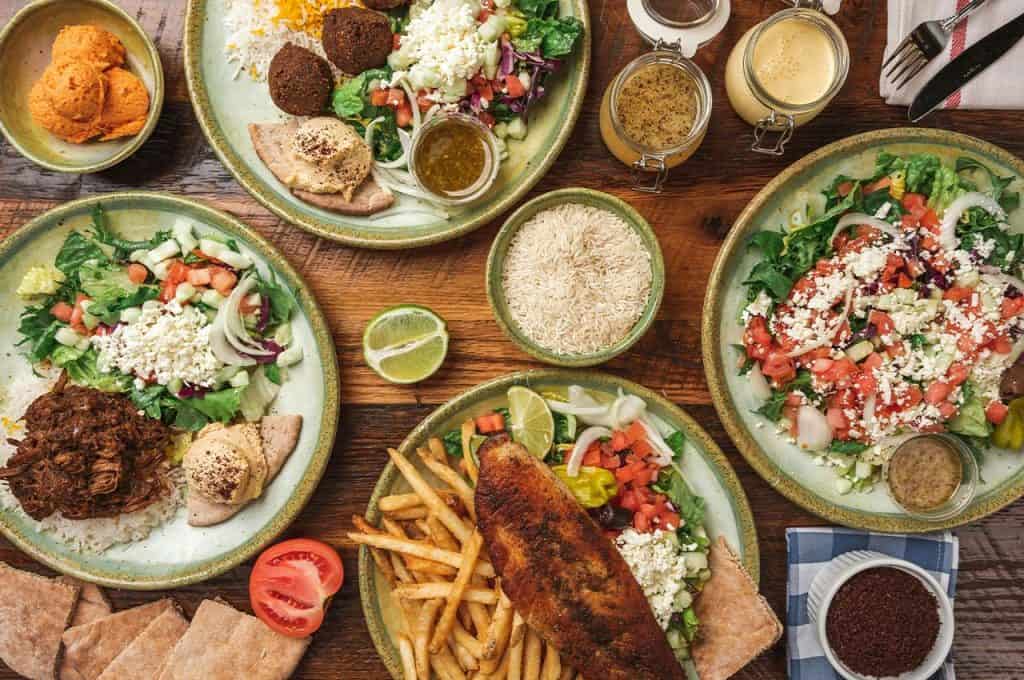
In the 90s, cooking shows began introducing global flavors, expanding palates beyond traditional Western fare. Hosts explored Asian, Mediterranean, and Latin cuisines, offering recipes that highlighted authentic techniques and ingredients.
This exposure empowered cooks with knowledge about spices like garam masala or ingredients such as miso, inviting diversity to home-cooked meals. By integrating global perspectives, these shows fostered appreciation for culinary traditions worldwide, enriching the dining experience in many households.
Entertainment Blended with Practical Cooking

In the 90s, cooking shows became a captivating fusion of entertainment and education. Programs like “The Frugal Gourmet” and “Essence of Emeril” seamlessly combined culinary techniques with engaging storytelling. Viewers learned not only the what and how of a dish but also the why, bringing context to each ingredient and method.
This approach demystified cooking, making it accessible and enjoyable while still informative. By watching charismatic hosts navigate kitchens with ease, a generation was inspired to embrace the joys and challenges of home cooking, instilling a sense of creativity and confidence.
