
10 High-Sugar Fruits You Might Want to Skip
Fruit is healthy. We all know that. But here's the thing: not all fruit is created equal when it comes to sugar. Some fruits pack a surprisingly high sugar punch, and if you're watching your intake (for blood sugar, weight, or energy reasons), it's good to know which ones. Think mangoes, with up to 45 grams of sugar per fruit. Grapes, with 23 grams per cup. Bananas, cherries, pineapple, figs, and pomegranates—all delicious, all nutritious, and all higher in natural sugar than you might expect. Does that mean you should stop eating them? Absolutely not. Fruits also come with fiber, vitamins, and antioxidants that processed sugar doesn't. But portion control and pairing matter. A little awareness goes a long way.
So if you're curious about which fruits are higher in sugar—and how to enjoy them without overdoing it—you're in the right place. In this article, we're breaking down 12 fruits that can be sugar bombs, from tropical favorites to everyday staples. You'll learn simple tips like choosing slightly green bananas for less sugar, freezing grapes to slow down your snacking, pairing cherries with protein-rich yogurt, and using mango slices in salads with lime and cilantro for balance. We'll also explain why fruit juice is a liquid sugar dose (even when it's “natural”) and why whole fruit is always the better choice. No fear-mongering. Just real info to help you make smarter choices. Let's get fruity—mindfully.
Mangoes: Tropical Sugar Bombs
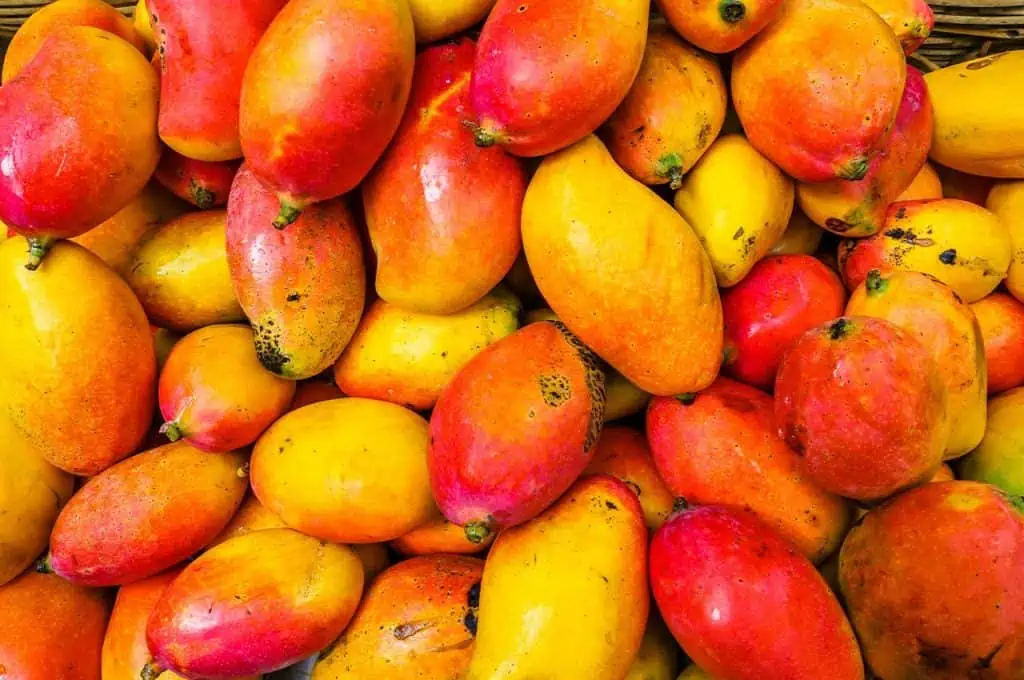
Mangoes are beloved for their lush texture and vibrant flavor, but they're also high in natural sugars. A single mango can contain up to 45 grams of sugar, making portion control crucial if you're monitoring intake. Enjoy them in moderation by incorporating slices into a balanced salad with lime juice and cilantro for a refreshing contrast.
Grapes: Tiny Sugar Clusters

Grapes are convenient, bite-sized fruits, yet they're dense in sugar. Each cup has roughly 23 grams of sugar. Decrease sugar impact by freezing them for a cool treat, which can also slow consumption. Mixing grapes with nuts or cheese creates a balanced snack, moderating the sugar with healthy fats and protein.
Bananas: The Starchy Sweetness
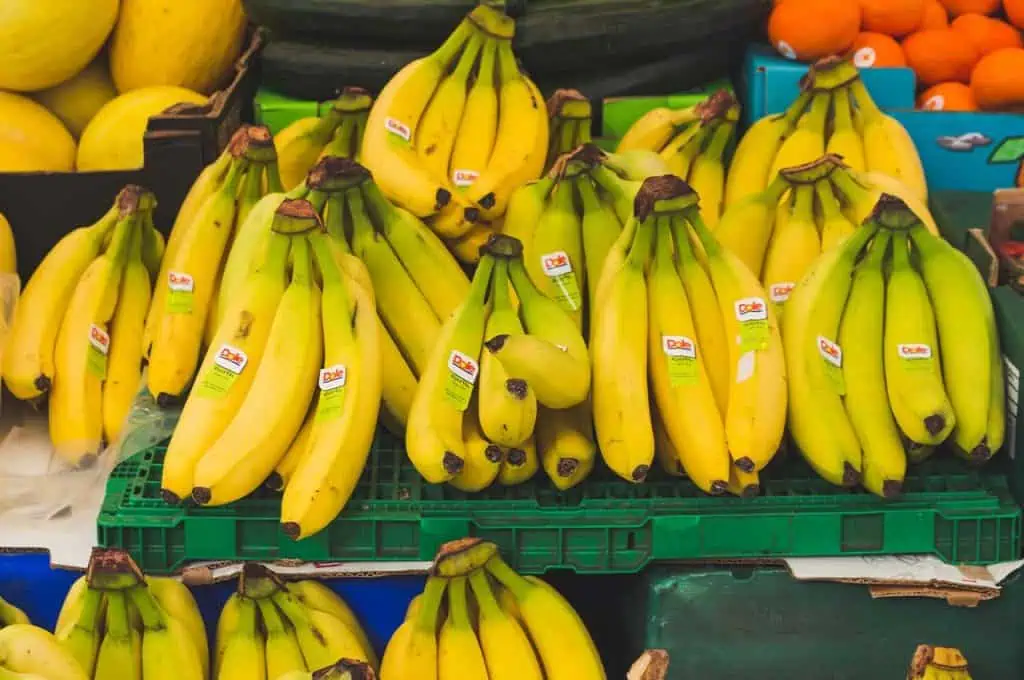
Bananas provide a satisfying, creamy texture thanks to their starch content, which converts to sugar as they ripen. A medium banana has about 14 grams of sugar. Opt for slightly green bananas to lower sugar and starch intake, or pair them with a protein source like peanut butter for enhanced nutritional balance.
Cherries: Nature’s Sugar Gems
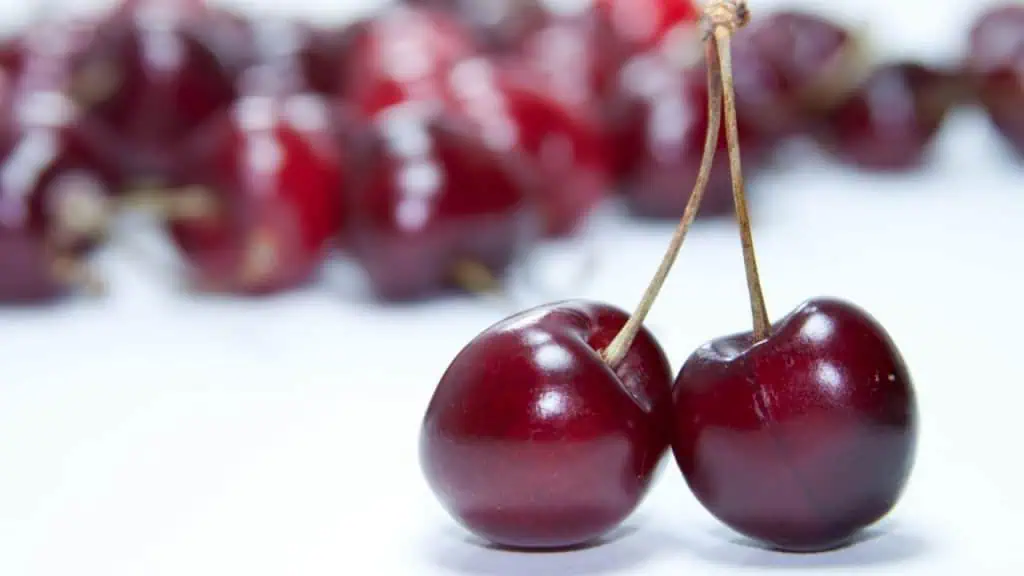
Cherries offer deep, luscious flavors but also pack a high sugar content, with a cup harboring 18 grams. To manage sugar content effectively, add cherries to a protein-rich yogurt for contrast. Remember, frozen cherries can be a flavorful addition to smoothies, providing natural sweetness without added sugar.
Pineapple: Sweet and Tart Treats

Pineapple offers a refreshing balance of sweetness and acidity. This tropical fruit is high in sugar, making it both delightful and sometimes overpowering in sweetness. To fully enjoy its flavor while managing sugar intake, pair pineapple with savory elements like grilled meats or spicy salsas. When preparing, remove the outer skin and core carefully to maximize the yield of juicy flesh. Consider slicing it thinly for salads or searing it to caramelize the sugars and add depth. Its tender texture becomes an excellent complement to crisp greens or a smoky grill.
Figs: An Ancient Sugary Delight
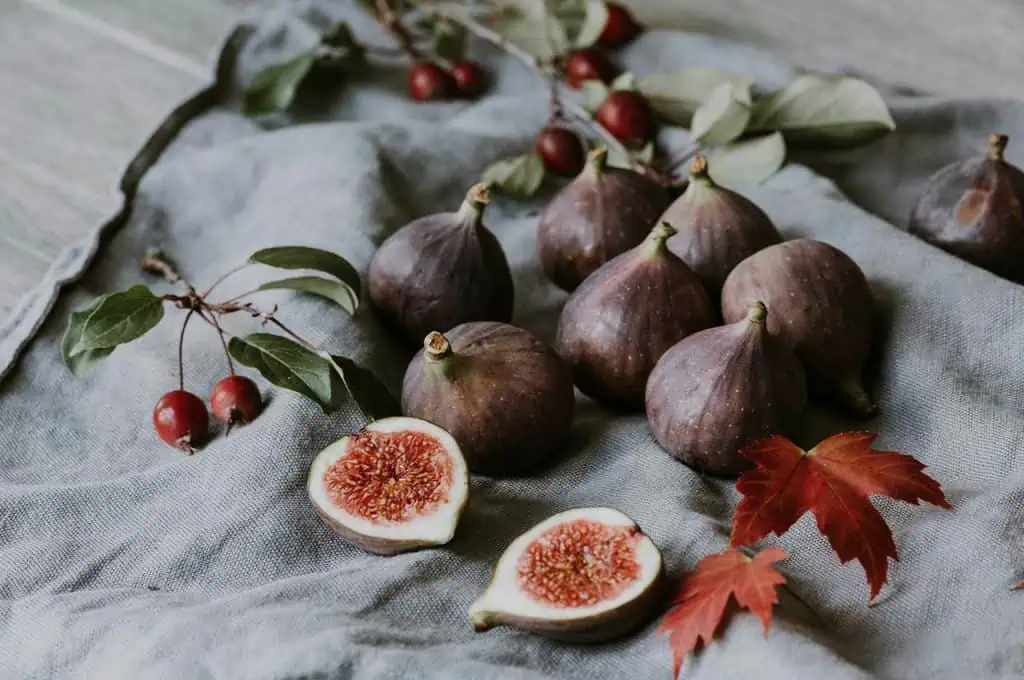
Figs have a natural honey-like sweetness that comes from their high sugar content. This luscious fruit can enhance dishes with its dense, chewy texture and unique flavor. When using fresh figs, rinse them gently and enjoy them whole to retain the contrast of smooth skin and pulpy interior. They pair exquisitely with tangy cheeses or cured meats, allowing their sweetness to cut through salty and savory notes. Dried figs, even richer in sugar, work well in baked goods or rehydrated in sauces, adding complexity and a touch of natural sugar to your culinary creations.
Pomegranates: Juicy Sugar Packs
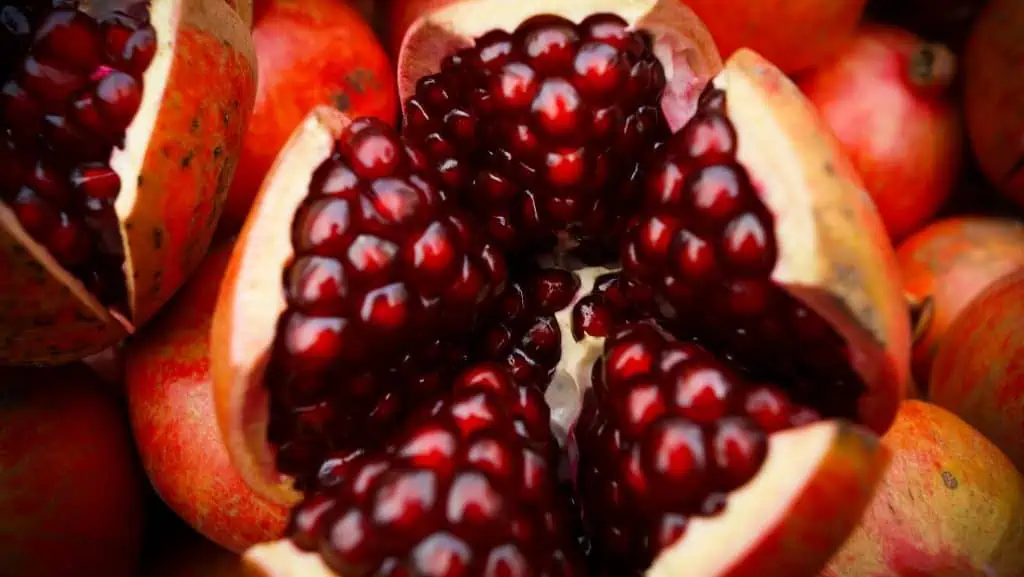
Pomegranates are bursting with jewel-like seeds that are sweet and tart. While their vibrant flavor and color add a delightful sugar punch to salads and desserts, their sugar levels are notable. Extracting the seeds requires a gentle approach: roll the pomegranate to loosen the seeds, then score and gently break it apart in water to ease separation. Scatter the seeds over salads for texture or blend into juices for a sweet, antioxidant-rich beverage. Their juicy crunch can also serve as a delectable topping for yogurt or ice cream, infusing a refreshing burst of flavor.
Lychees: Exotic Sugar Bursts
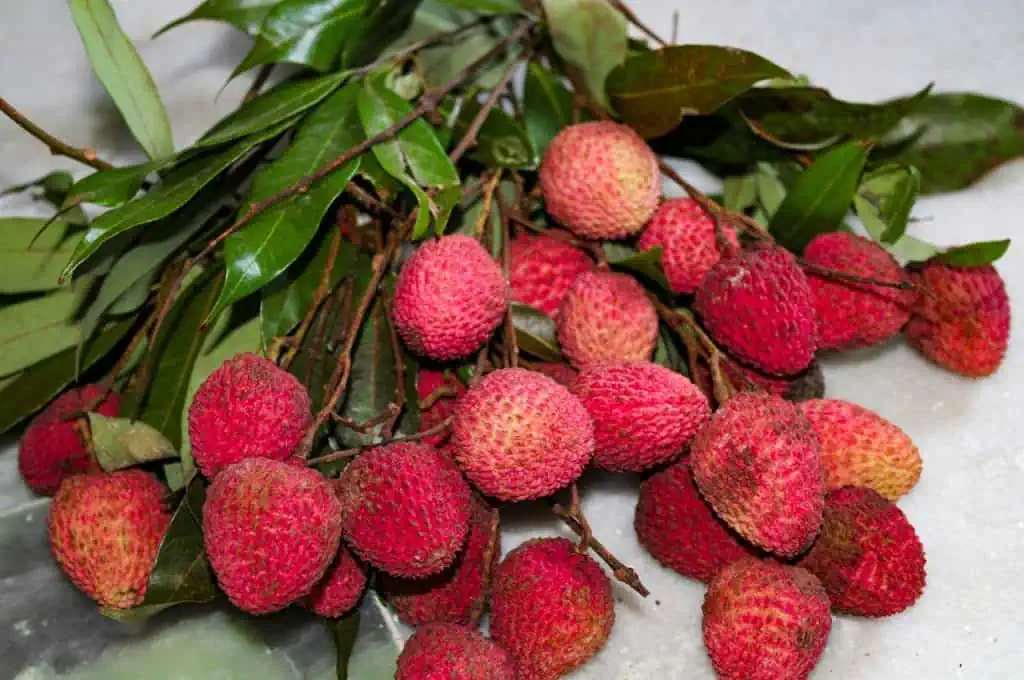
Lychees offer a floral, perfumed sweetness with a juicy, grape-like texture. Their sugary profile makes them a delightful, albeit indulgent, snack. To enjoy lychees, peel away the rough outer skin and remove the seed to reveal the tender, translucent flesh. Lychees can be incorporated into both sweet and savory dishes—toss them in fruit salads for a burst of sweetness or pair with chili and lime for a fragrant salsa. Their syrupy nature also makes them a fitting addition to cocktails, heightening the drink's sweetness and providing an exotic twist.
Tangerines & Clementines: Citrus Sugar
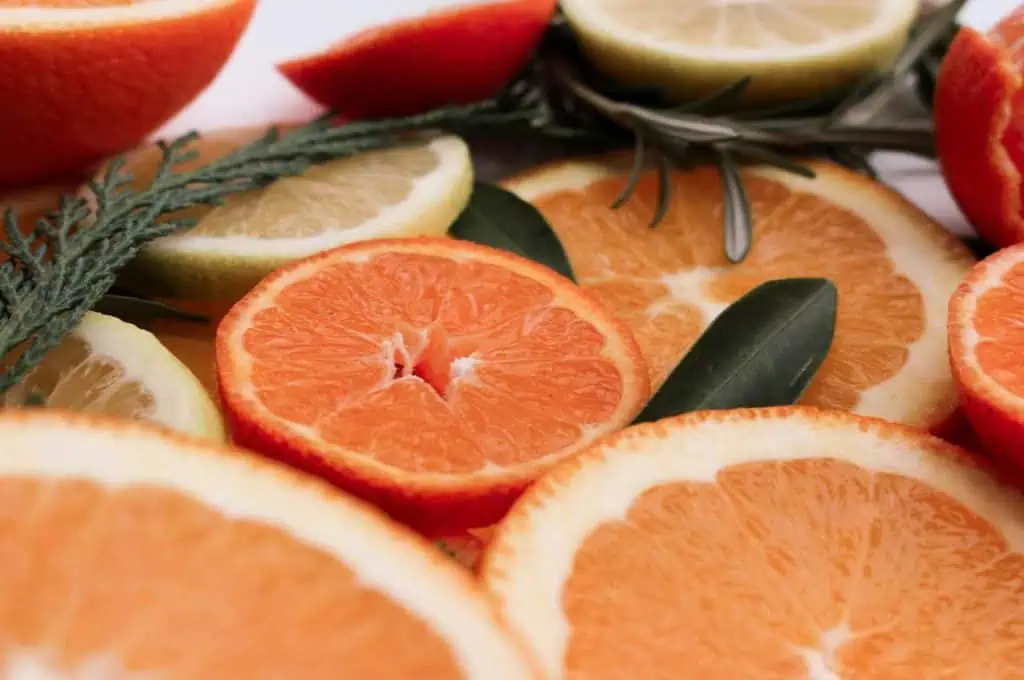
Tangerines and clementines are small citrus fruits known for their easy-to-peel nature and exceptionally sweet taste, owing to high sugar content. Their juicy segments are perfect for on-the-go snacking or can be segmented and added to salads for a pop of sweet citrus. The zest, rich in natural oils, can be used to impart aroma and flavor to desserts and savory dishes alike. Balance their sweetness by pairing with more acidic fruits or incorporating into marinades where their juicy sugars can tenderize and flavor meats beautifully.
Fruit Juices: Liquid Sugar Doses

Fruit juices, often perceived as wholesome, can be surprising culprits when it comes to high sugar content. Even natural juices like orange or apple can contain sugar levels akin to soft drinks, lacking the fiber that whole fruits offer. Opting for whole fruits instead of juices not only curtails sugar intake but also enhances satiety from the fiber. For those who enjoy a liquid treat, diluting juices with water or ice is a practical way to reduce sugar consumption while still enjoying the flavor. Prioritize mindful choices to maintain a balanced diet.
