
The Healthiest Sugar Substitutes, Ranked by Nutritionists
Sugar is everywhere. It's in your coffee, your yogurt, your cereal, and honestly, probably half the packaged food in your pantry. And while a little sweetness is fine, too much refined sugar can wreak havoc on your blood sugar, energy, and long-term health. But here's the good news: you don't have to give up sweet entirely. You just need to choose better sweeteners. Think stevia (a zero-calorie plant extract), raw honey (nature's antioxidant-packed medicine), pure maple syrup (rich in manganese and zinc), and coconut sugar (lower glycemic index than white sugar). These options aren't just less harmful—they actually offer nutritional benefits. And they taste amazing.
So if you're ready to satisfy your sweet tooth without the guilt, you're in the right place. In this article, we're breaking down 6 healthy sugar substitutes recommended by nutritionists—from monk fruit and agave nectar to stevia, honey, maple syrup, and coconut sugar. You'll learn why raw, unfiltered honey is better than the processed stuff, how to use stevia without over-sweetening (it's 200 times stronger than sugar!), and which sweeteners work best for baking versus beverages. No complicated science. No judgment. Just real, practical advice to help you make smarter swaps. Let's sweeten things up—the healthy way.
Stevia: The Zero-Calorie Natural Wonder

Stevia, derived from the leaves of the Stevia rebaudiana plant, stands out as a calorie-free, plant-based sweetener. It has become popular due to its versatility and lack of impact on blood sugar levels. When using stevia, remember it's about 200 times sweeter than sugar, so a little goes a long way. Available in liquid, powder, and granulated forms, it can be easily incorporated into both beverages and baked goods.
Honey: Nature’s Sweet Medicine

Honey is renowned for its natural sweetness and numerous health benefits. Rich in antioxidants, vitamins, and minerals, it supports immune function and offers anti-inflammatory properties. Opt for raw, unfiltered varieties to maximize these benefits, as processing can reduce the nutritional content. Use honey to enhance everything from dressings to desserts, appreciating its complex floral undertones.
Maple Syrup: Sweet and Nutrient-Rich

Maple syrup, tapped from the sap of maple trees, offers a rich flavor with nutritional bonuses like manganese and zinc. Its low glycemic index makes it a better alternative to refined sugar for reduced blood sugar spikes. Ideal for drizzling over pancakes or incorporating into marinades, choose pure maple syrup to avoid additives and enjoy its distinctively earthy sweetness.
Coconut Sugar: Low Glycemic Sweetness
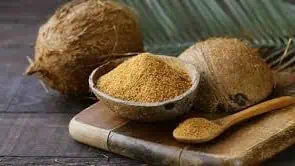
Coconut sugar is derived from the sap of coconut flowers and contains a low glycemic index, making it an appealing choice for those monitoring blood sugar levels. Unlike refined sugar, it retains traces of nutrients such as iron, zinc, calcium, and potassium. In baking, it can be used as a one-to-one substitute for granulated sugar, providing a mild caramel flavor that enhances cookies and cakes. Its granulated form easily dissolves, making it ideal for beverages as well. Opt for organic to avoid additives and enjoy its rich, complex sweetness.
Monk Fruit: Calorie-Free Sweetness

Monk fruit extract is a natural, calorie-free sweetener derived from the monk fruit, native to southern China. Known for its intense sweetness—up to 200 times that of sugar—it requires minimal use, often blended with other sweeteners to balance its potency. Ideal for those reducing caloric intake, it's stable in cooking and baking, maintaining sweetness without aftertaste. When purchasing, opt for pure forms without added sugar or filler ingredients, ensuring a clean, healthy alternative to conventional sweeteners.
Agave Nectar: Smooth and Sweet

Agave nectar, sourced from the agave plant, is a fluid sweetener with a mild flavor profile. Its low glycemic index makes it suitable for blood sugar management, though it's high in fructose. Excellent in beverages due to its solubility, it also adds moisture to baked goods like muffins and cakes. Moderation is key, as its sweetness intensity surpasses table sugar. Look for raw, unprocessed varieties that preserve enzymes and nutrients. Agave nectar can complement berries or yogurt, adding subtle sweetness without overwhelming flavors.
