
Forensic Food: How Last Meals Factor into Criminal Investigations
When you think of crime scene investigation, you probably think of fingerprints, DNA, and maybe a dramatic courtroom scene. But here's something you might not expect: food. That's right. The last meal a person ate can actually be a key piece of evidence in solving a crime. What they ate, how it was prepared, how digested it was—these details can help investigators pinpoint the time of death, verify an alibi, or even reveal a suspect's state of mind. A burnt piece of toast might suggest haste. A rare steak could imply a certain kind of plan. And advanced techniques like isotope analysis can even trace where the food came from, potentially linking someone to a specific location. It's a fascinating intersection of food science and forensic work.
So if you're curious about how something as everyday as a meal can help unravel a mystery, you're in the right place. In this article, we're exploring the role of food in criminal investigations—from analyzing stomach contents to culinary profiling and the challenges of preserving perishable evidence. You'll learn how forensic scientists decode digestion stages, why historical cases have hinged on rare ingredients, and how modern criminologists use dietary habits as personality clues. No spoilers, just science. Let's dig in—figuratively and literally.
Unraveling Clues in Cuisine
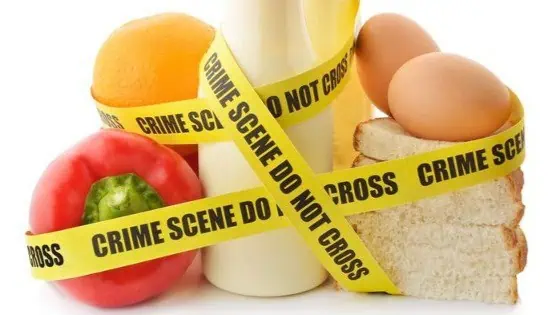
The examination of a last meal involves dissecting its components with precision. Investigators assess everything from preparation style to nutritional content, helping to establish the time of death or corroborate an alibi. Techniques such as examining stomach contents or analyzing food DNA can confirm the presence of certain ingredients. A burnt piece of toast or a rare steak, for example, might hint at hurried or elaborate plans, offering indirect insight into a suspect's mental state or timeline around the event.
The Science Behind Last Meals

Forensic science plays a pivotal role in decoding last meals. Gastric analysis can determine digestion stages, providing time frames that are critical for crime scene reconstruction. Sophisticated techniques like isotope analysis of food traces reveal geographical origins, possibly linking a suspect to a specific location. Such methods enable a deeper understanding of how food interacts within the body, offering investigators a precise tool to piece together the final hours leading to an event.
Historical Cases and Food Evidence

Throughout history, food has been a key player in criminology. Notorious cases have leveraged meal details to crack complex puzzles. In some instances, identifying a rare or regional ingredient led investigators to distant or unexpected leads. Examining these historical cases highlights how integral food evidence can be, serving as both a tangible connection to the suspect and a tool for understanding the social context or pre-meditative elements surrounding the crime.
Culinary Profiling in Modern Times
Today, culinary profiling is an evolving tool in forensic investigations. Beyond classic analysis, profiling considers dietary habits as personality indicators. Distinct preferences or unique diets may reveal psychological traits linked to criminal tendencies. This modern approach combines traditional detective work with culinary science to offer fresh perspectives. By engaging with both historical and contemporary techniques, modern criminologists use food as a comprehensive tool in their investigative arsenals.
Challenges in Analyzing Food Evidence
Analyzing food evidence in criminal investigations presents several challenges. Perishable nature and potential contamination make preservation complex. Investigators must work swiftly to prevent decay from compromising food integrity. The exact timing of ingestion can be difficult to ascertain due to varying digestion rates. Additionally, distinguishing intentional components, like commonly consumed meals, from incidental items may require precise detective work and careful chemical analysis to ensure valid conclusions.
