
How Eating Right in Midlife Sets You Up for Healthy Aging
Let's be real—aging happens. And while we can't stop the clock, we can definitely influence how we feel as we move through midlife. The foods you eat today aren't just about fitting into your jeans or getting through the afternoon slump. They're setting the stage for your future health. Think of it as an investment: nutrient-dense choices now—like leafy greens, lean proteins, whole grains, and healthy fats—can help prevent chronic conditions, boost your energy, and even support your brain as you age. It's not about deprivation or extreme diets. It's about eating in a way that nourishes your body and sets you up for a vibrant, active later life.
So if you're in midlife (or approaching it) and wondering how to eat smarter, you're in the right place. In this article, we're breaking down 5 key dietary strategies for healthy aging—from the power of nutrient-dense foods and heart-healthy fats to boosting longevity, supporting mental well-being, and tackling chronic illness risks. You'll learn simple tips like why variety and color matter on your plate, how omega-3s support brain health, and why balancing your macronutrients is non-negotiable. No extreme diets. Just real food that helps you feel strong, sharp, and energized for the years ahead. Let's eat for the long game.
The Power of Nutrient-Dense Choices

Emphasizing nutrient-dense foods like leafy greens, lean proteins, and whole grains provides essential vitamins and minerals that support cellular function. These ingredients are rich in antioxidants and fiber, which help combat inflammation and improve digestion. Consider incorporating a variety of colors and textures to maintain interest in your meals while ensuring a broad spectrum of nutrients.
Boosting Longevity Through Diet
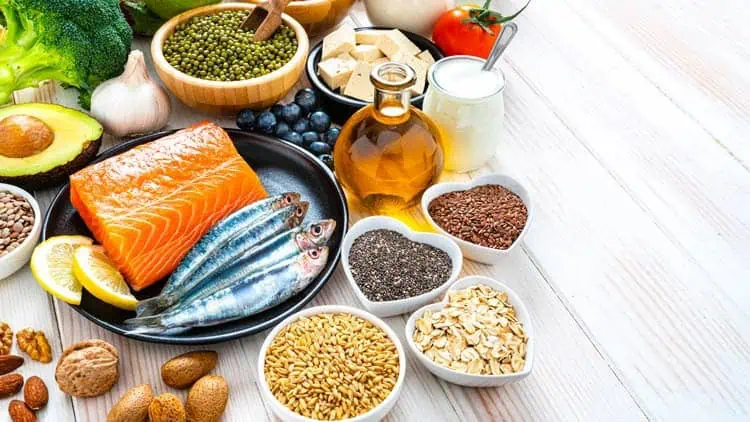
Incorporating foods that promote longevity involves focusing on heart-healthy fats such as omega-3s from fish and nuts. These elements support cardiovascular health and may reduce the risk of age-related diseases. Regularly including legumes and berries can also provide a wealth of polyphenols, believed to protect against oxidative stress.
Preventing Midlife Health Declines
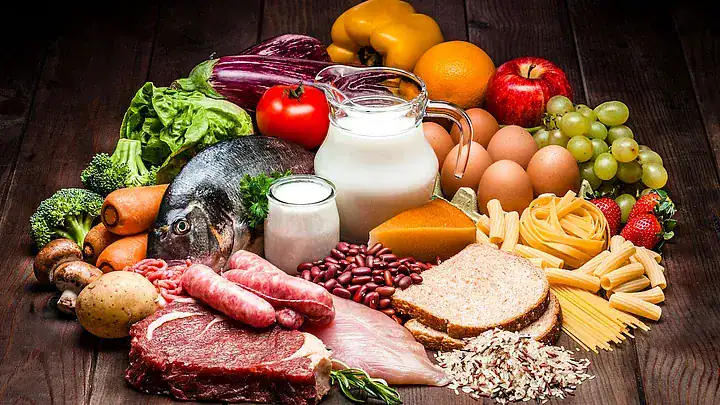
Addressing potential health declines can be achieved by limiting processed foods high in sugars and unhealthy fats. Instead, opt for meals rich in whole foods like quinoa, avocados, and cruciferous vegetables. These support metabolic health and can help stabilize blood sugar levels, crucial for managing midlife weight gain and preventing diabetes.
Enhancing Mental Well-being
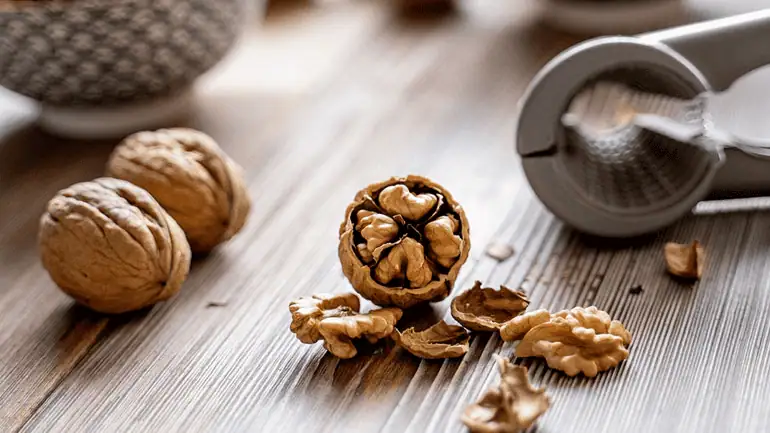
Supporting mental well-being through diet can lead to improved cognitive function and emotional stability. Foods high in omega-3 fatty acids, such as walnuts and flaxseeds, may enhance brain health. Additionally, maintaining a steady intake of complex carbohydrates from sources like oats and sweet potatoes can help sustain energy and mood.
Tackling Chronic Illness Risks
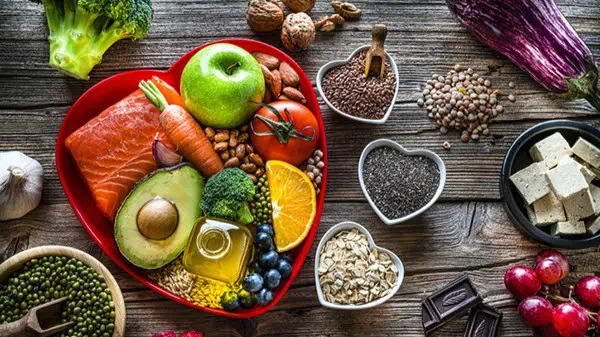
Eating right in midlife significantly reduces the risk of chronic illnesses, such as heart disease and diabetes. Focus on incorporating whole foods that are high in fiber, like legumes, whole grains, and vegetables, which aid in maintaining healthy cholesterol and blood sugar levels. Prioritizing lean protein sources, such as fish and poultry, can help manage weight and support muscle health. Limiting processed foods and added sugars decreases inflammation, further reducing chronic disease risk. This approach not only improves immediate well-being but lays the foundation for healthier aging.
The Role of Balanced Macronutrients
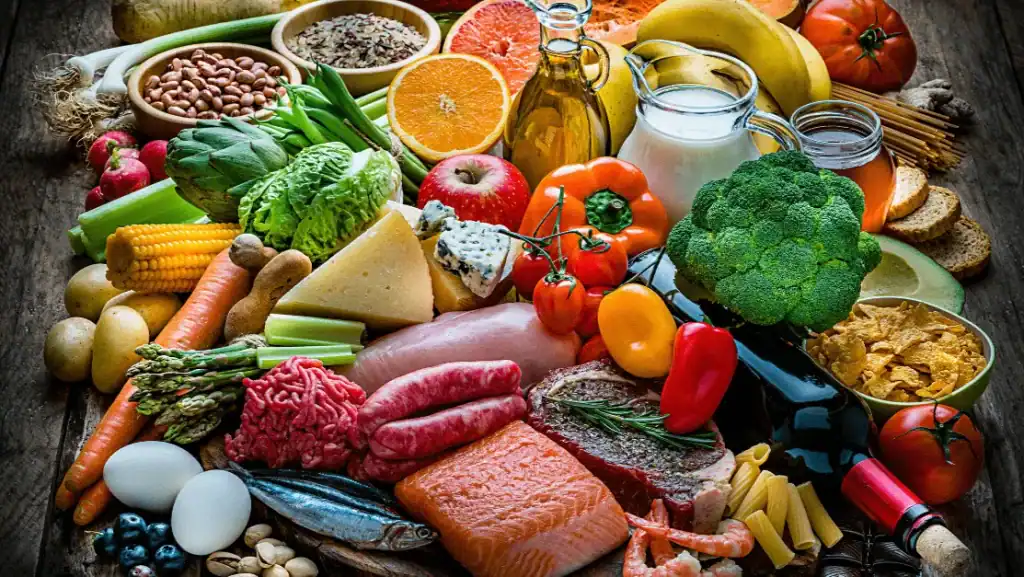
Balanced macronutrients are essential for maintaining energy and vitality as you age. Carbohydrates should primarily come from complex sources like whole grains and vegetables, providing steady energy. Protein intake is crucial for muscle maintenance, with emphasis on both plant and animal sources to ensure a range of amino acids. Healthy fats from avocados, nuts, and olive oil support heart health and cognitive function. Striking the right balance prevents nutrient deficiencies and promotes sustained physical and mental well-being, preparing your body for the challenges of aging.
