
Ditch the Eggs: 5 Vegan Protein Powerhouses
Vegan diets can be rich in protein with a few strategic ingredient choices. By incorporating plant-based powerhouses, you can create nourishing meals that are as satisfying as they are nutritious. These ingredients are not just replacements—they're stars in their own right, offering unique textures and flavors. Explore these five essential protein sources that can transform your culinary repertoire while providing essential nutrients.
Tofu: The Versatile Protein Block
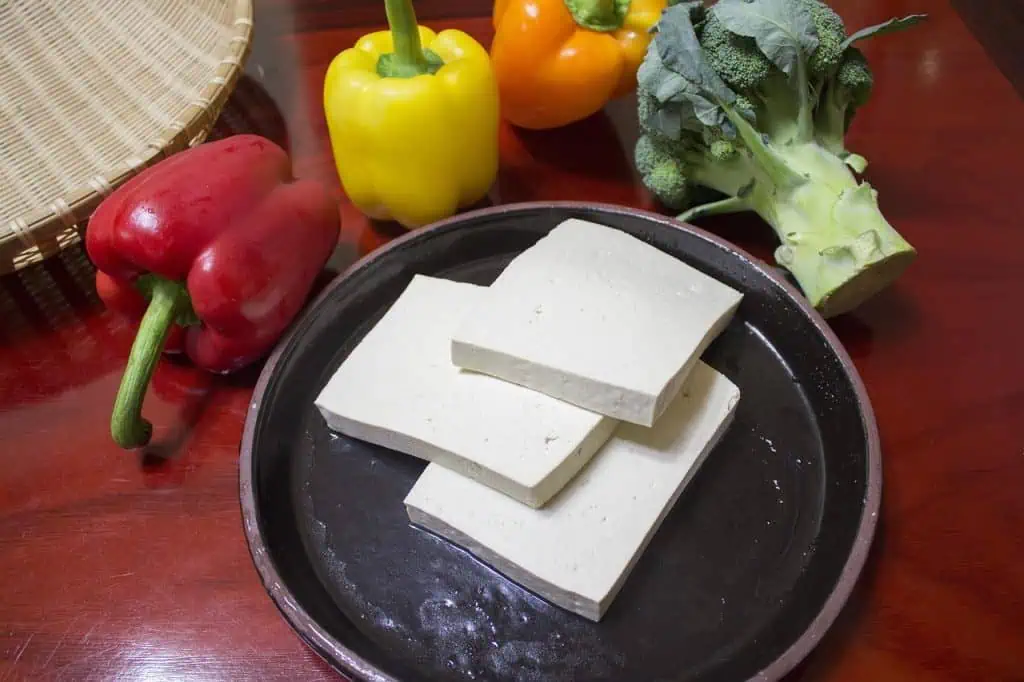
Tofu is a cornerstone of vegan cuisine, celebrated for its adaptability and high protein content. Its neutral flavor allows it to absorb marinades and spices, making it suitable for an array of dishes. Firm tofu is ideal for grilling or stir-frying, providing a satisfying bite. Silken tofu, on the other hand, blends smoothly into dressings and desserts. Pressing tofu removes excess moisture, enhancing its ability to soak up flavors. With a protein content of about 10 grams per half-cup serving, tofu is a reliable addition to any meal.
Lentils: Tiny Yet Mighty Nutrients
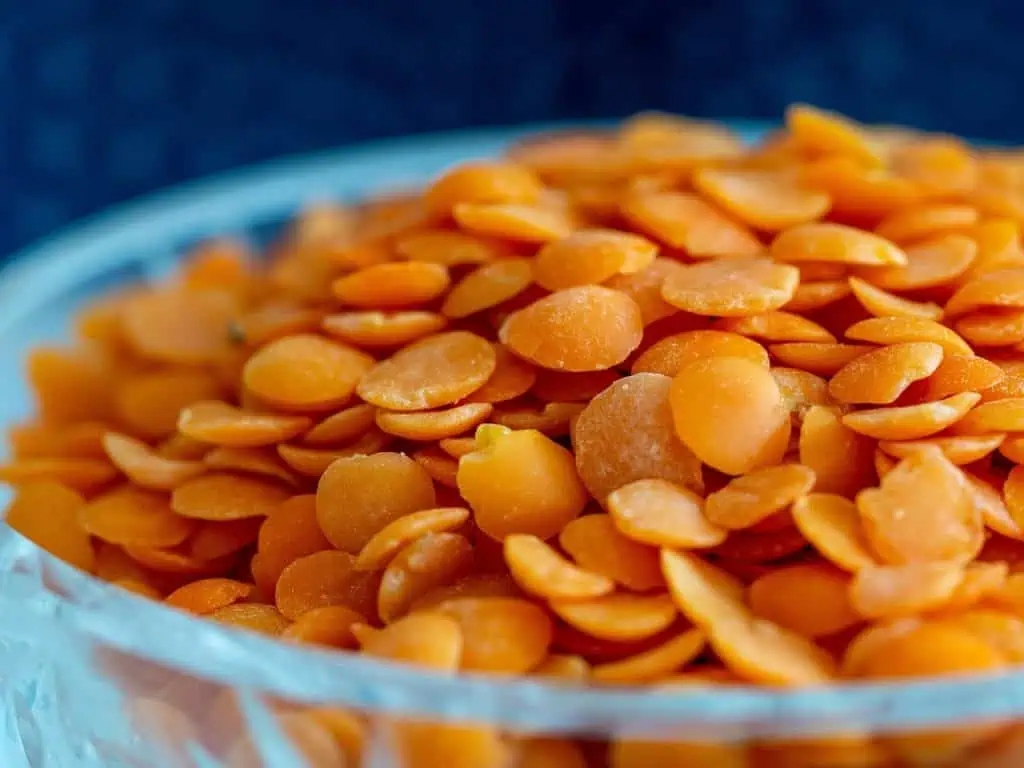
Lentils are small legumes packed with protein and fiber, offering 18 grams of protein per cooked cup. Their earthy flavor and hearty texture make them perfect for soups, salads, and stews. Green and brown lentils hold their shape well, while red lentils break down into a creamy consistency, ideal for thickening soups and sauces. Pre-soaking isn't necessary, but rinsing them before cooking removes impurities and reduces cooking time. Lentils are not only nutritious but also readily absorb flavors from herbs and spices.
Peanut Butter: Creamy Protein Boost
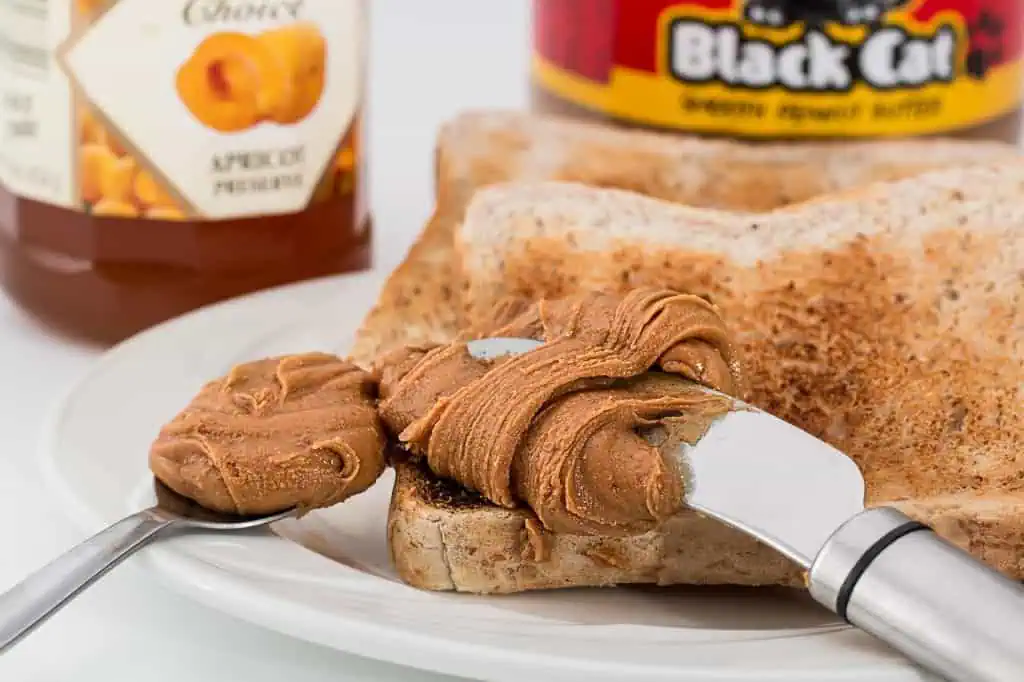
Peanut butter provides a creamy texture and a protein punch with 8 grams per 2-tablespoon serving. Its rich, nutty flavor can enhance both sweet and savory dishes. Spread it on whole-grain bread for a quick snack, or incorporate it into dressings for a nutty twist. Consider adding a dollop to smoothies for a thicker consistency and added richness. Opt for natural peanut butter without added sugars or oils to maximize health benefits, and store it in a cool, dark place to maintain freshness.
Quinoa: Ancient Grain, Modern Marvel

Quinoa is a complete protein, containing all nine essential amino acids, with 8 grams of protein per cooked cup. This grain is versatile, offering a nutty flavor and a slightly chewy texture. Rinsing quinoa before cooking helps remove its natural coating, saponin, which can taste bitter. It pairs well with fresh vegetables, herbs, and a light vinaigrette for a nourishing salad. Quinoa's ability to absorb flavors makes it a staple in various cuisines, and its quick cooking time adds convenience to meal preparation.
Chia Seeds: Small Seeds, Big Benefits
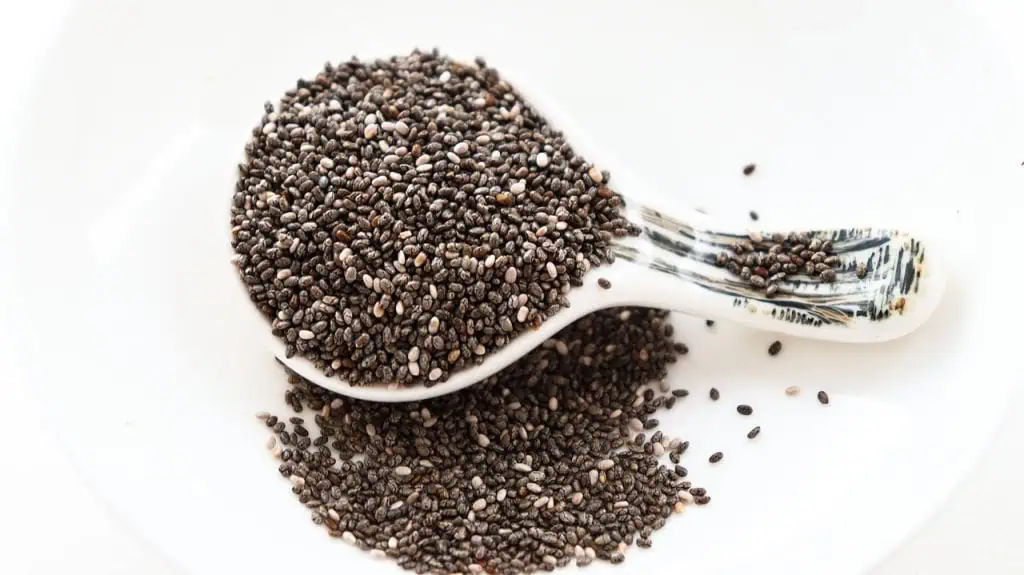
Chia seeds are a versatile addition to any vegan diet, offering a robust nutritional profile with high levels of omega-3 fatty acids, fiber, and protein. To incorporate these tiny powerhouses into your meals, consider making a simple chia seed pudding. Combine chia seeds with your favorite plant-based milk and allow them to soak until they develop a gel-like consistency. Adding vanilla and a touch of maple syrup enhances the flavor, creating a delightful base for fresh fruits or nuts. This technique not only maximizes their nutrient absorption but also offers a creamy texture ideal for breakfast or an afternoon snack.
