
These 9 Fruits Outrank Apples in Fiber Content
We all know the saying: “An apple a day keeps the doctor away.” And apples are great—don't get us wrong. But when it comes to fiber, apples are actually not the king of the fruit bowl. Not even close. There are plenty of other fruits that pack way more fiber per bite, and they're just as delicious (if not more). Think raspberries with 8 grams per cup, blackberries with nearly that much, and avocados—yes, avocados are a fruit!—with a whopping 10 grams per serving. Pears, figs, guavas, and even kiwis (eat the skin!) all outrank apples in the fiber department. And fiber is a big deal. It keeps you full, aids digestion, helps control blood sugar, and supports heart health. So why limit yourself to the same old apple?
If you're ready to level up your fiber game (and your fruit game), you're in the right place. In this article, we're highlighting 9 fiber-rich fruits that beat apples—from delicate raspberries and juicy pears to creamy avocados and exotic passion fruit. You'll learn how to pick, prep, and enjoy each one, whether you're tossing them into smoothies, layering them into yogurt bowls, roasting them with cinnamon, or just eating them fresh. We'll also share tips like why slightly underripe bananas have more resistant starch, how to safely cut an avocado, and why you should eat your kiwi with the skin on (trust us). More fiber, more flavor, more fun. Let's get fruity.
Raspberries: A Fiber Powerhouse
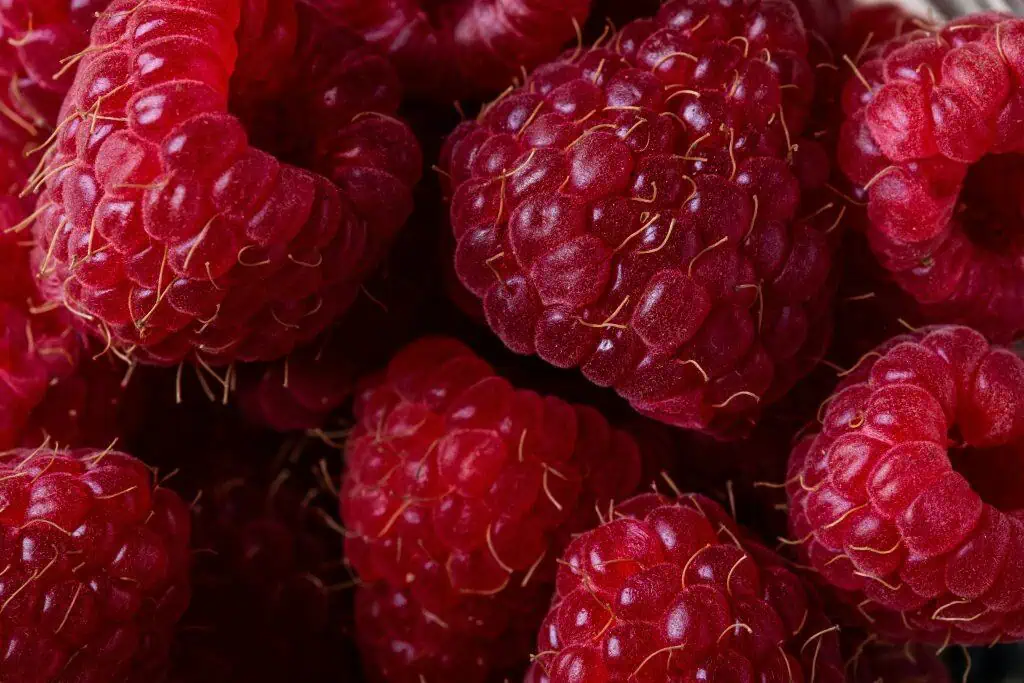
Raspberries stand out with an impressive fiber content, offering around 8 grams per cup. Their vibrant hue and delicate texture enhance salads, desserts, and smoothies. When choosing raspberries, look for firm, plump berries with a deep red color. Gently rinse them just before use to retain their freshness. These berries can also be easily frozen for later use, allowing you to enjoy their benefits year-round. Incorporate raspberries into oatmeal or yogurt to provide a tasty fiber boost.
Pears: Juicy and Fibrous
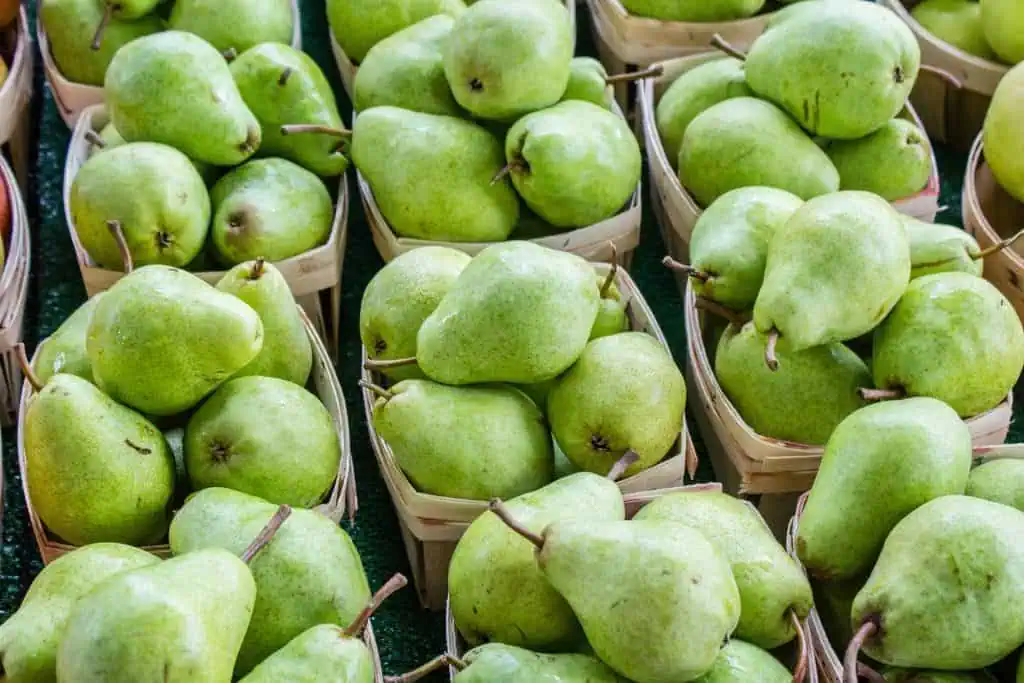
Pears provide approximately 6 grams of fiber per medium fruit, making them an excellent choice for enhancing fiber intake. Their juiciness and subtle sweetness complement both sweet and savory dishes. For optimal flavor, select pears that yield slightly to pressure, indicating ripeness. Dice them into salads, roast them alongside vegetables, or simply enjoy them raw for a juicy snack. Remember to keep the skin on, as it contains a significant portion of the fiber.
Blackberries: Tiny Fiber Giants
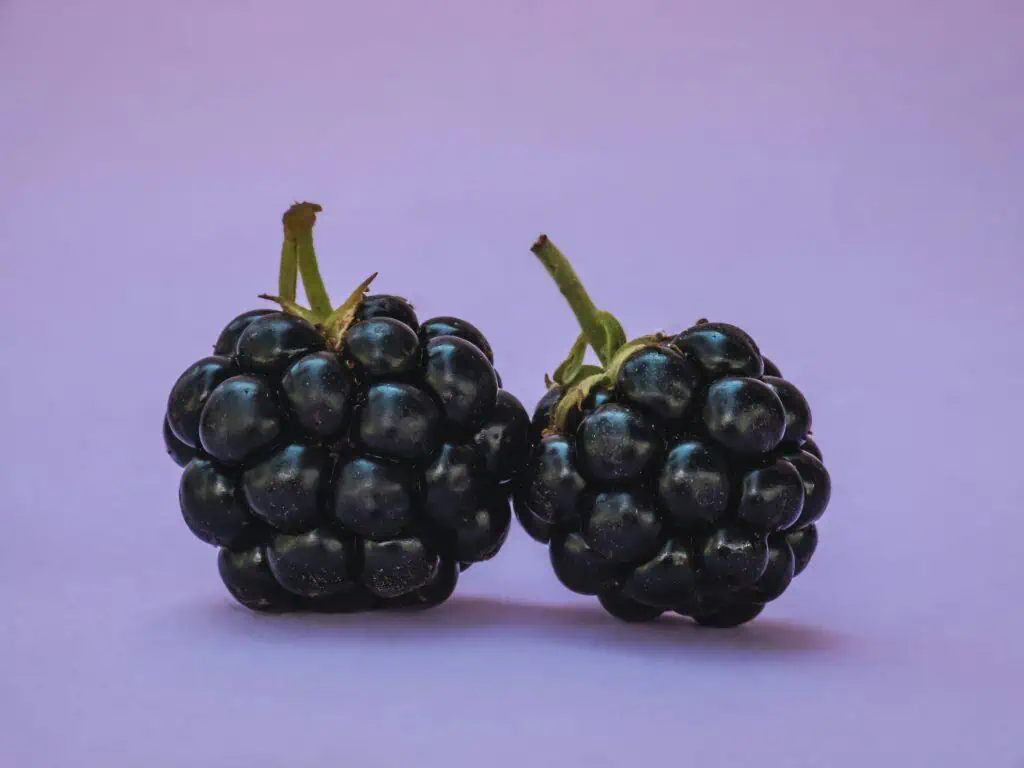
Blackberries pack around 7.6 grams of fiber per cup, making them small yet mighty in the fiber department. Their deep, tangy sweetness pairs beautifully with both sweet pastries and savory sauces. Select blackberries that are taut and dark, avoiding any with hints of mold. Incorporate them into baked goods, or create a rich compote to drizzle over meats and cheeses. Their robust flavor elevates simple dishes, adding complexity and nutritional value.
Avocados: Creamy and Nutritious
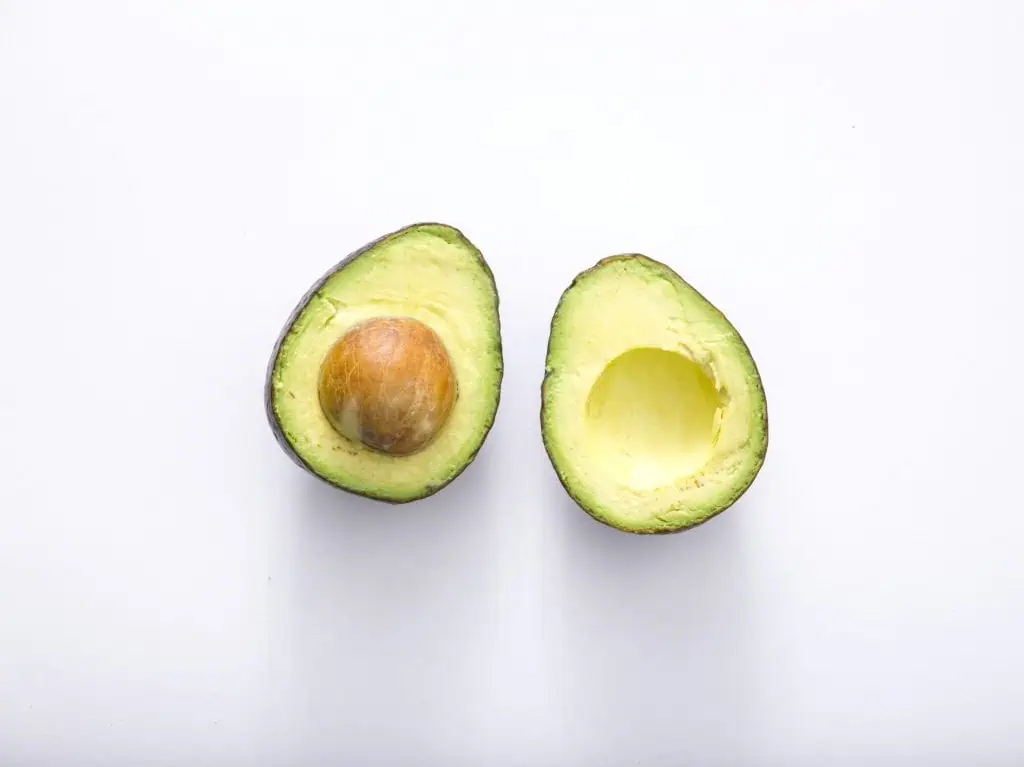
Avocados are a unique fruit, offering about 10 grams of fiber per two-cup serving, combined with healthy fats. Their creamy texture makes them versatile for both spreads and dressings. Select avocados that give slightly under gentle pressure, ensuring ripeness. Use them in guacamole, smoothies, or as a decadent toast topping. Cutting an avocado safely involves halving it lengthwise, twisting to separate, and carefully removing the pit, ensuring a smooth and ready-to-use fruit. Enjoy the richness it adds to your dishes.
Guavas: Tropical Fiber Richness
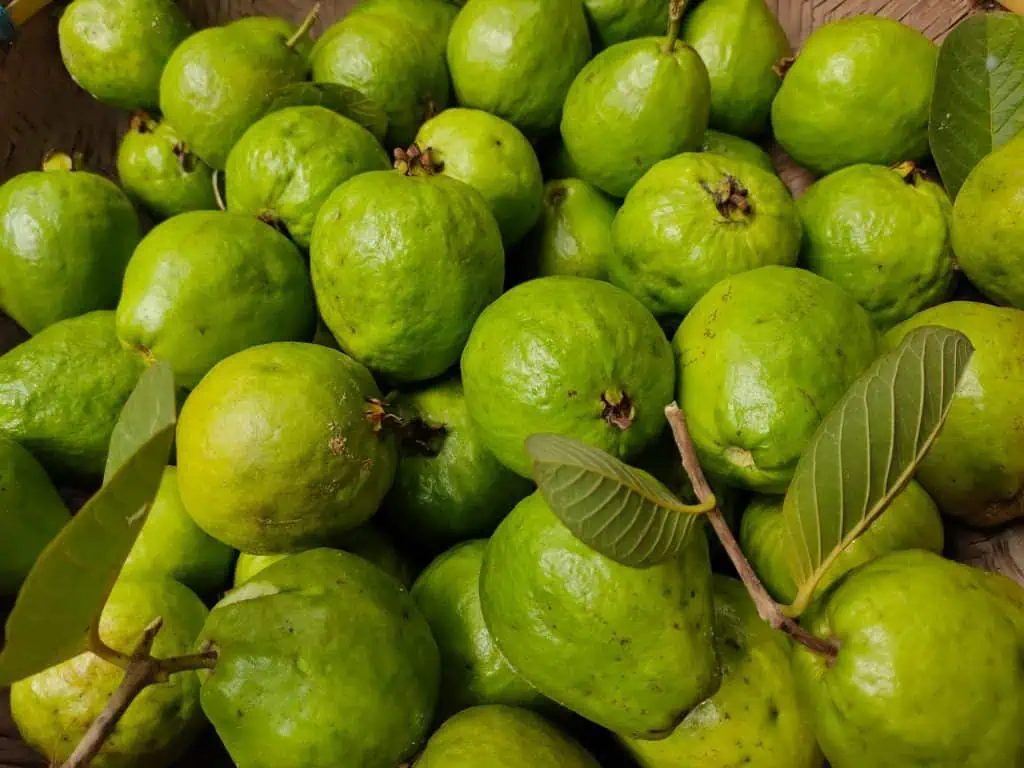
Guavas offer an impressive fiber content, often exceeding 5 grams per fruit. With their naturally sweet and slightly floral taste, they enrich salads and smoothies effortlessly. Incorporate diced guavas into your morning yogurt to enjoy both texture and flavor contrasts. To maximize fiber intake, consume the seeds along with the flesh. Guavas are versatile—consider roasting them with a hint of cinnamon to enhance their aromatic profile, making them a perfect dessert component.
Figs: Sweet Fiber Boost
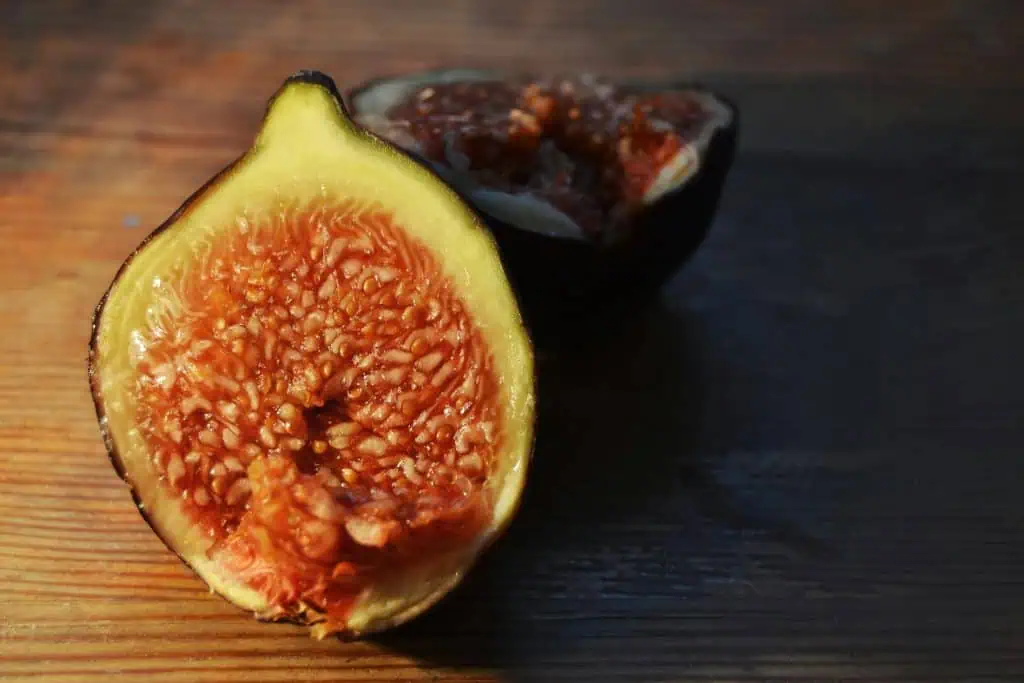
Figs, whether fresh or dried, provide a significant fiber boost, with dried versions packing even more. Their rich, honeyed sweetness complements savory dishes like cheese platters or roasted meats. When preparing fresh figs, slicing them thinly and pairing with soft cheeses and walnuts enhances their natural flavors. For dried figs, soften them in warm water or wine before incorporating into baked goods or stews, which deepens their flavor while leveraging their chewy texture.
Bananas: Beyond Potassium

While known for potassium, bananas also offer substantial fiber, especially when slightly underripe. Their creamy texture makes them ideal for adding to smoothies or breakfast bowls. Use mashed bananas in place of oil or butter in baking to introduce moistness and fiber to muffins and breads. For a quick snack, pair banana slices with almond butter on whole-grain toast, providing a satisfying, fiber-packed energy boost. Freezing bananas and blending them creates a simple, creamy dessert alternative.
Kiwi: Small and Mighty Fiber
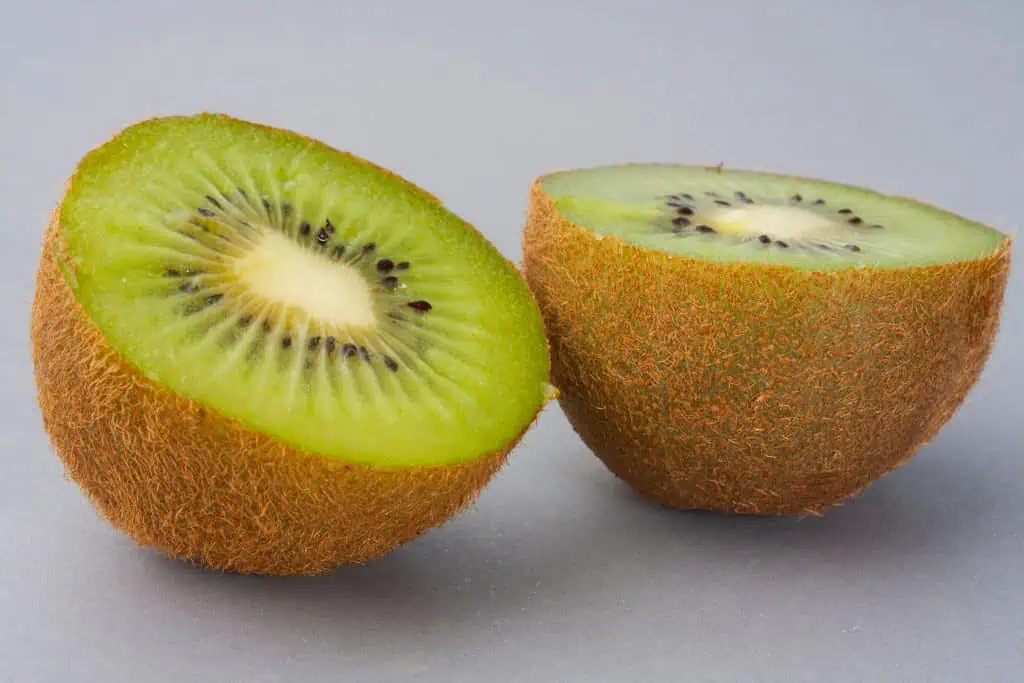
Kiwi fruits, compact yet powerfully fibrous, should be eaten with the skin for full nutritional benefit. Their vibrant green flesh offers a tart-sweet flavor that livens up fruit salads or morning cereals. Try slicing them over Greek yogurt or blending into a vibrant smoothie for a textural contrast. Kiwis can also be paired with herbs like mint to create refreshing summer beverages or salsas, enhancing their zesty appeal while boosting fiber intake.
Passion Fruit: Exotic Fiber Surprise
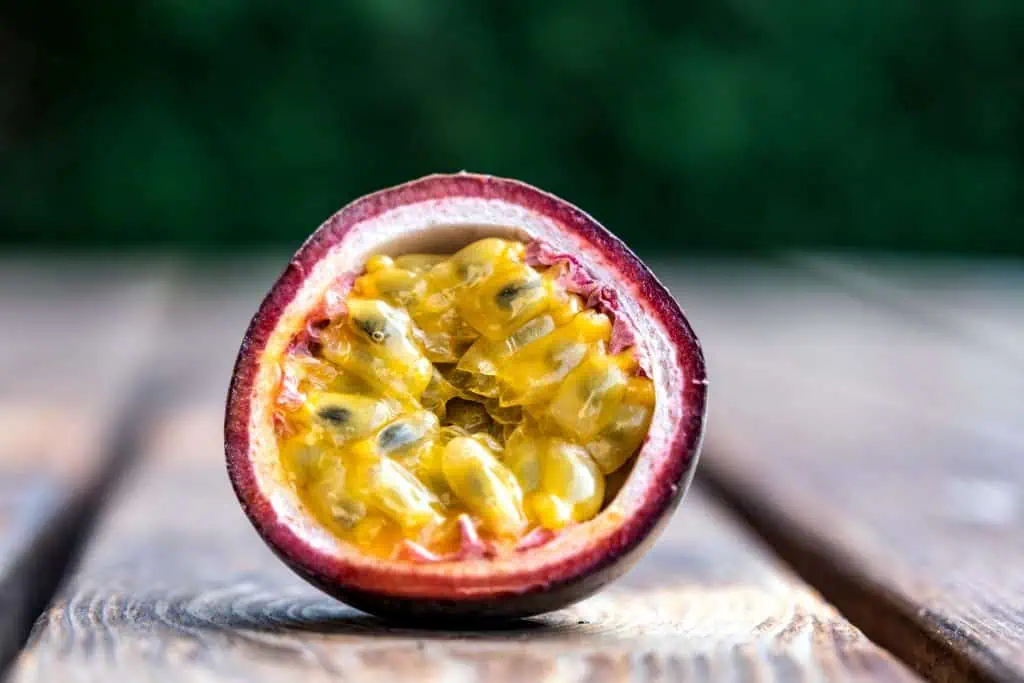
Passion fruit, with its distinctively tropical flavor, contains a surprising amount of fiber concentrated in its seeds and pulp. Cut open the slightly wrinkled shell to scoop out its aromatic, juicy interior. Its sharp tanginess pairs well with sweet fruits in a fruit salad or as a topping for desserts like panna cotta. For an unexpected twist, use passion fruit pulp in vinaigrettes or marinades, bringing a burst of freshness and fiber to savory dishes. The unique textural addition invigorates any meal.
