
10 Fruits That Truly Benefit Your Health—And 5 That Might Be Overrated
We all know fruit is good for us. But not all fruit is created equal. Some are absolute nutritional rockstars, packed with fiber, antioxidants, vitamins, and disease-fighting compounds. Think blueberries, avocados, pomegranates, and kiwis. These fruits earn their superfood status. Others? Well, they're more hype than help. Watermelon, for example, is mostly water and sugar with very little fiber. Mangoes are delicious but can spike your blood sugar fast. And acai bowls? They're often loaded with sweeteners and calories that outweigh the berry's benefits. The good news is you don't need to memorize a complicated ranking system. With a little know-how, you can fill your plate (and bowl) with fruits that actually deliver on their promises.
So which fruits deserve a regular spot in your grocery cart—and which ones are overrated? In this article, we're breaking down 10 fruits that truly enhance your health (hello, apples, oranges, and bananas) and 5 that might not live up to the hype. You'll learn why eating whole fruit beats drinking juice every time, how to pick a perfectly ripe pineapple, and why avocados (yes, they're a fruit!) are creamy superfoods worth celebrating. We'll also share tips for prepping pomegranates without making a mess and why you should eat your kiwis with the skin on. More fruit wisdom, less fruit hype. Let's dig in.
Apples: The Daily Health Companion
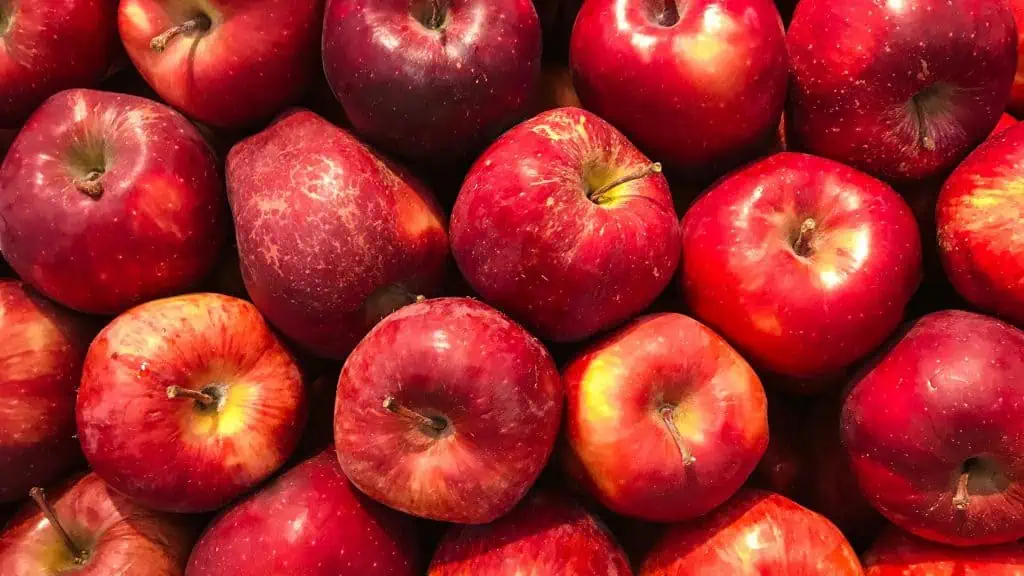
Apples are more than just a convenient snack; they offer substantial health benefits. Rich in fiber, particularly pectin, they aid digestion and help maintain a healthy gut. The vitamin C content supports the immune system. Flavonoids found in apples may lower the risk of heart disease. When choosing apples, opt for organic to avoid pesticide exposure and enjoy them with the skin to maximize nutritional intake. Incorporating apples into salads, oatmeal, or enjoying them fresh can help you harness their full potential.
Blueberries: Antioxidant Powerhouse
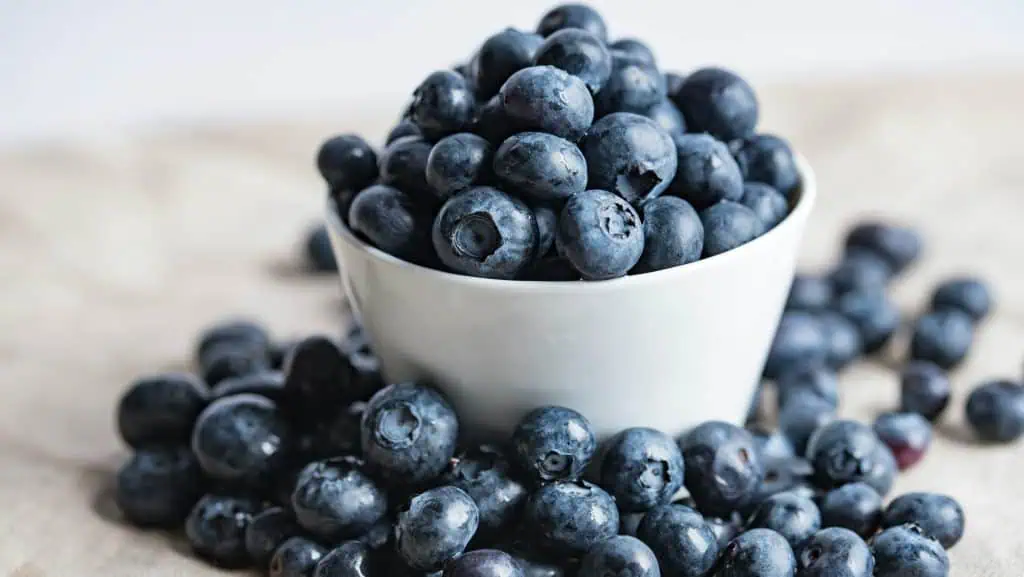
Blueberries are celebrated for their high antioxidant content, particularly anthocyanins, which support brain health and help reduce inflammation. Their low glycemic index makes them suitable for maintaining steady blood sugar levels. Fresh or frozen, these berries are an excellent addition to smoothies, yogurt, or baked goods. Rinsing them gently under running water and patting them dry ensures freshness while maximizing flavor and health benefits. Integrate them regularly for a brain and heart health boost.
Oranges: Vitamin C Boosters
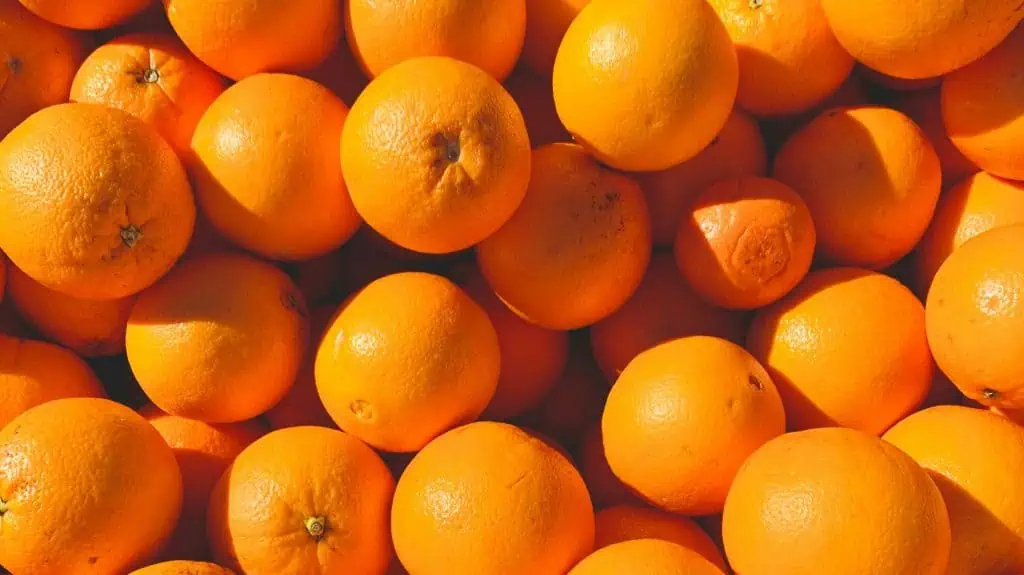
Oranges are well known for their high vitamin C content, crucial for immune support and skin health. They also provide fiber and folate, making them a heart-friendly choice. Juicing an orange may strip away beneficial fiber, so opt for whole fruit consumption when possible. Zesting the peel can introduce a burst of flavor to dishes while preserving nutritional value. Whether peeled and eaten raw or segmented into salads, oranges bring a refreshing, nutritious lift to meals.
Bananas: Energy and Digestion Experts

Bananas offer a perfect balance of carbohydrates and natural sugars, making them a quick energy source. Rich in potassium, they support heart health and muscle function. The resistant starch in green bananas promotes gut health. Overripe bananas can be mashed and used in baking for natural sweetness. When added to smoothies, cereals, or eaten on their own, bananas provide an easy, versatile way to fuel the body and aid digestion. Balancing ripeness and usage can optimize their health benefits.
Strawberries: Heart-Friendly Berries

Strawberries offer more than just a sweet addition to desserts; they provide powerful heart health benefits. Rich in antioxidants like anthocyanins, these berries help reduce oxidative stress and inflammation, which are key factors in heart disease prevention. To maximize their benefits, incorporate fresh strawberries into your diet, whether in salads, smoothies, or as a snack. Ensure they're ripe for the best flavor and nutritional content; a ripe strawberry should be firm, bright red, and fragrant.
Kiwis: Immunity Enhancers

Kiwis pack a punch with their high vitamin C content, offering a boost to your immune system. In addition to vitamin C, kiwis contain fiber and other antioxidants, which support digestive health and reduce risk of chronic diseases. Consider slicing kiwis into your morning yogurt or blending them into a refreshing smoothie. To enjoy their full nutritional benefit, consume them with their skin after giving it a good wash; the extra fiber is beneficial, and the skin adds a delightful texture.
Grapes: Nutrient-Dense Clusters

Grapes are small but mighty, loaded with vitamins C and K, and compounds like resveratrol that contribute to heart health. These portable snacks are easy to add to your diet, whether as part of a cheese board or tossed in a green salad. For a concentrated burst of flavor and nutrients, opt for darker varieties such as Concord or black grapes. Wash them thoroughly before consumption and enjoy them fresh for the fullest benefit and sweetest taste.
Pomegranates: Heart-Healthy Seeds
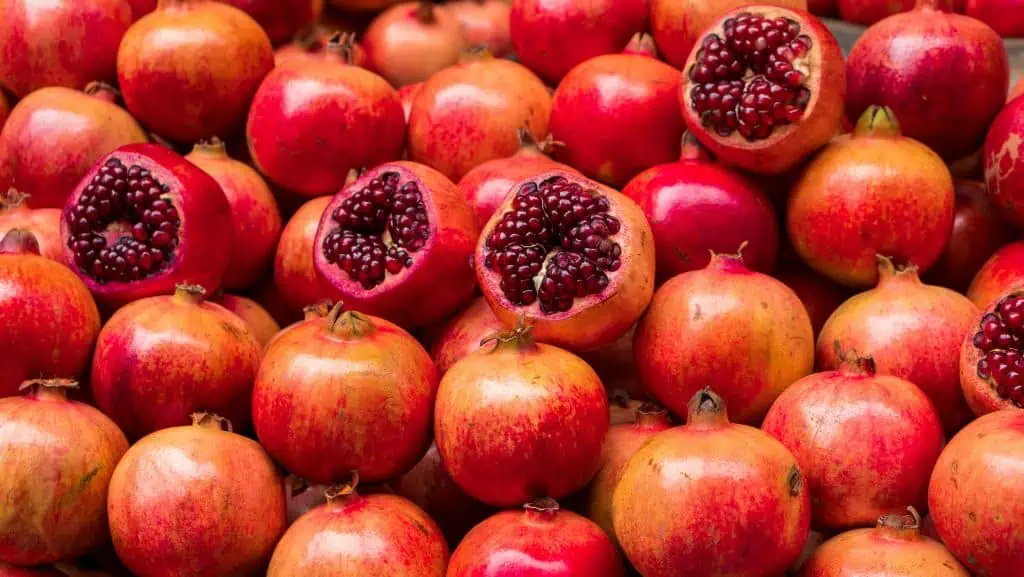
Pomegranates are celebrated for their jewel-like seeds, rich in polyphenols and antioxidants. These compounds promote cardiovascular health by improving blood flow and lowering blood pressure. To effortlessly deseed a pomegranate, cut it in half and immerse it in a bowl of water. Gently separate the seeds, allowing them to sink while the pith floats. Sprinkle the seeds over salads or yogurt, or blend them into juices for a nutrient-rich boost.
Avocados: Creamy Superfruit

Avocados stand out for their monounsaturated fats, which help maintain healthy cholesterol levels. Their creamy texture and rich flavor make them versatile; incorporate avocados into your meals by mixing them into salads, spreading on whole-grain toast, or blending into creamy smoothies. To ensure perfect ripeness, choose avocados that yield slightly to gentle pressure. This nutrient-dense fruit is also a source of potassium, further enhancing its heart-health benefits.
Pineapples: Tropical Inflammation Fighters

Pineapples are not just juicy tropical delights; they are rich in bromelain, an enzyme known for its anti-inflammatory properties. Incorporating fresh pineapple into your diet can support recovery from sports injuries or surgeries by reducing swelling. When selecting a pineapple, look for a firm exterior with healthy green leaves. Slice and core it with care, as the central core is more fibrous. Consider blending pineapple into smoothies or adding it to salsa for a refreshing kick that delivers a healthful punch.
5 That Might Be Overrated

Some fruits might not get the same hype as trendy superfoods, but they quietly deliver powerful health benefits that deserve more attention. While they may seem ordinary or even overrated to some, these fruits are actually packed with essential nutrients, antioxidants, and fiber that support overall wellness. From improving digestion to boosting heart health, these underrated picks prove that you don’t need exotic ingredients to stay healthy—just a better look at what’s already in your fruit bowl.
Watermelons
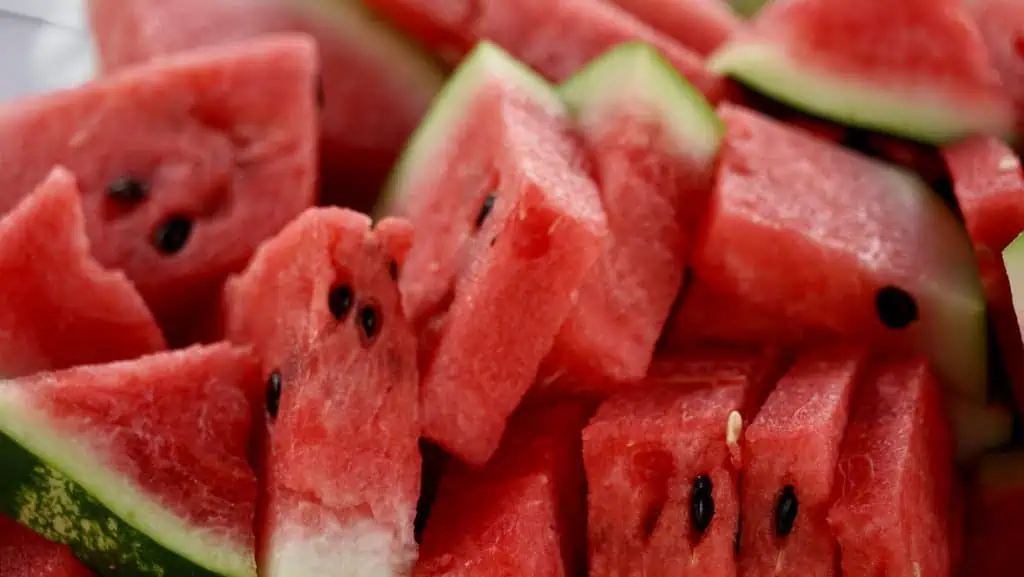
Watermelons are often seen as the ultimate summer fruit—colorful, juicy, and refreshing. But while they’re great for hydration, their health halo can be a bit overrated. Compared to other fruits, watermelons are relatively low in fiber and offer only modest amounts of vitamins and minerals. Their high glycemic index means they can spike blood sugar quickly, especially when eaten in large amounts. Though tasty and hydrating, they shouldn't be mistaken for a nutritional powerhouse on their own.
Mangoes

Watermelons, while refreshing and hydrating, are often overrated when it comes to their overall nutritional value. Though they contain some vitamins like A and C, their high water and sugar content means they offer fewer nutrients per bite compared to other fruits. Many people assume they're a superfruit due to their popularity in summer diets, but they lack the fiber and antioxidant density found in more nutrient-rich options. They're great for hydration—but not the most efficient fruit for overall health.
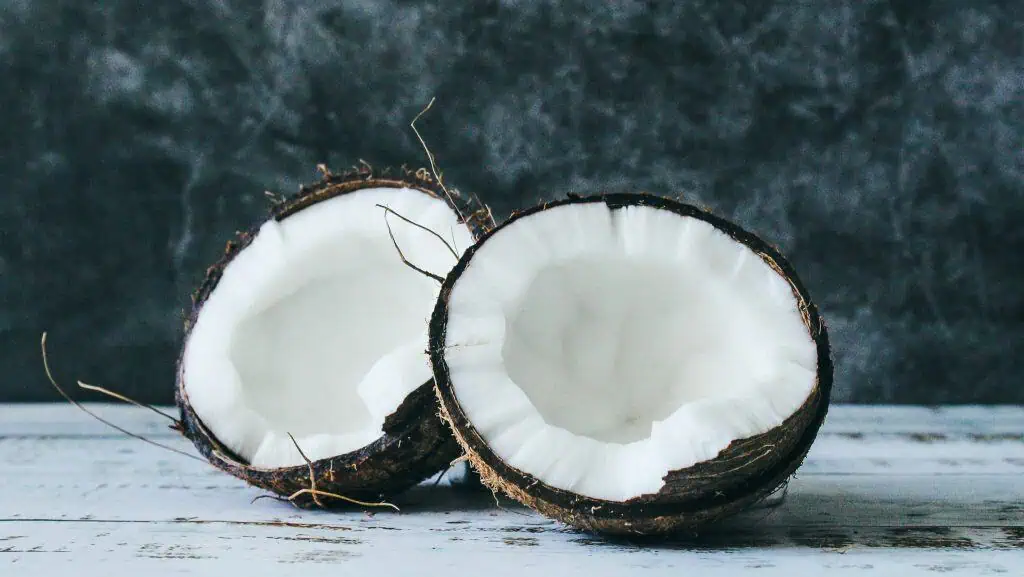
Coconuts: Benefits Beyond Trendiness
Watermelons are often seen as the ultimate summer fruit—refreshing, hydrating, and sweet. But despite the hype, they’re sometimes overrated when it comes to nutritional value. While watermelon is over 90% water and does offer hydration and a small dose of vitamins A and C, it’s relatively low in fiber and other key nutrients compared to other fruits. Its high glycemic index can also cause blood sugar spikes. So while it’s great for a hot day, it shouldn’t be relied on as a nutrient-dense superfruit.
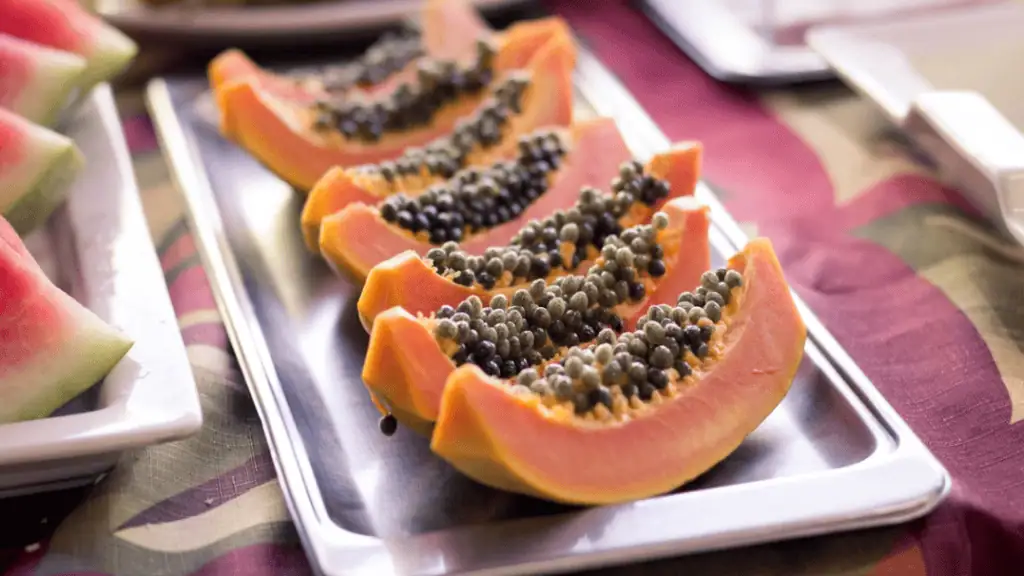
Papayas: Digestion Aids or Overhyped?
Watermelons are often praised for being the ultimate summer fruit—hydrating, refreshing, and sweet. While they do contain vitamins A and C, as well as antioxidants like lycopene, their actual nutrient density is relatively low compared to other fruits. With over 90% water content and high natural sugar, they’re more of a thirst-quencher than a nutritional powerhouse. Many assume eating watermelon offers broad health benefits, but its impact is limited. It’s refreshing, yes—but not the superfruit it’s often made out to be.
Acai Berries: Superfood or Just Hype?

Watermelons are often praised for being the ultimate refreshing summer fruit, but their health benefits are frequently overstated. While they do contain some vitamins like A and C and are hydrating due to their high water content, watermelon is mostly water and sugar, offering relatively low fiber and limited nutrient density compared to other fruits. It ranks high on the glycemic index, which means it can spike blood sugar quickly. Though tasty and hydrating, watermelon isn’t quite the superfruit it’s sometimes made out to be.
