
5 “Healthy” Veggies That Might Be Doing More Harm Than Good
While vegetables often take a starring role in our quest for a healthy diet, not all are created equal. Surprisingly, some “healthy” vegetables can subtly undermine your nutritional goals. By understanding the nuances of common choices like corn, canned peas, and potatoes, you can make informed decisions that truly benefit your health. Sometimes, it's the way we prepare and consume these vegetables that turns them from health heroes to hidden pitfalls.
The Truth About Corn

Corn often finds its way into dishes boasting healthy claims, yet this vegetable might not be the friend you think. Primarily composed of starch, corn can contribute to spikes in blood sugar, especially when consumed in large quantities. Additionally, much of the corn available is genetically modified. To better embrace its positives, enjoy corn fresh or grilled to preserve nutrients, and pair it with fiber-rich foods to balance its glycemic impact. Moderation and preparation are key to maximizing corn's potential without its downsides.
Canned Peas: A Hidden Concern

While convenient, canned peas often come laden with added sodium and preservatives that counter their nutritional value. Fresh or frozen alternatives maintain more vitamins and have less sodium. If you're using canned peas, consider rinsing them thoroughly to reduce sodium content. A gentle sauté with olive oil can enhance their flavor and texture without added complexity. By focusing on these simple adjustments, peas can regain their place as a healthy part of your meals without unintended dietary pitfalls.
Potatoes: More Than Just Carbs

Potatoes often receive criticism for their carbohydrate content, yet their fiber, vitamin C, and potassium shouldn’t be ignored. The trouble starts when they are fried or smothered in heavy toppings. Baking or boiling potatoes preserves their nutrients, and keeping the skin on adds fiber. For a healthier twist, try roasting them with herbs and a touch of olive oil, or mash with garlic and Greek yogurt for a silky texture. By making mindful choices, potatoes can be a gratifying and nutritious part of your diet.
Raw Spinach – Oxalate Overload

Spinach is rich in essential nutrients like iron and calcium, making it a popular superfood. However, it’s also high in oxalates—natural compounds that can bind to minerals like calcium and prevent their absorption in the body. In some people, especially those prone to kidney stones, excessive oxalate intake can lead to the formation of calcium oxalate stones. Eating large amounts of raw spinach regularly may increase this risk, so moderation and variety are important.
Nightshades (Tomatoes, Eggplants, Peppers) – Inflammation Triggers
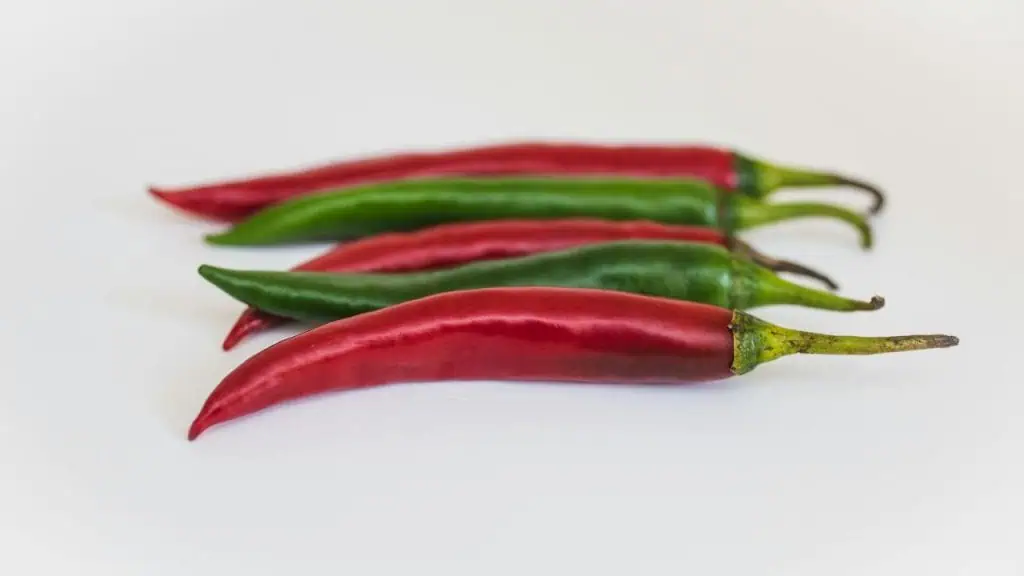
Nightshade vegetables—such as tomatoes, eggplants, peppers, and white potatoes—contain natural compounds called alkaloids, including solanine. While harmless for most, these substances may trigger inflammation in sensitive individuals, particularly those with autoimmune disorders or arthritis. Some report worsened joint pain, stiffness, or digestive upset after consuming nightshades regularly. If you suspect a reaction, try eliminating them temporarily to see if symptoms improve.
