
9 Unspoken Wine Rules Everyone Follows (But No One Admits Out Loud)
Wine culture can seem full of grand statements, but real confidence usually shows up in quieter ways. Seasoned drinkers know that enjoying wine well has less to do with showing off and more to do with attention, balance, and good manners. These are the subtle rules people who truly love wine tend to follow without making a speech about it.
The glass matters more than the label
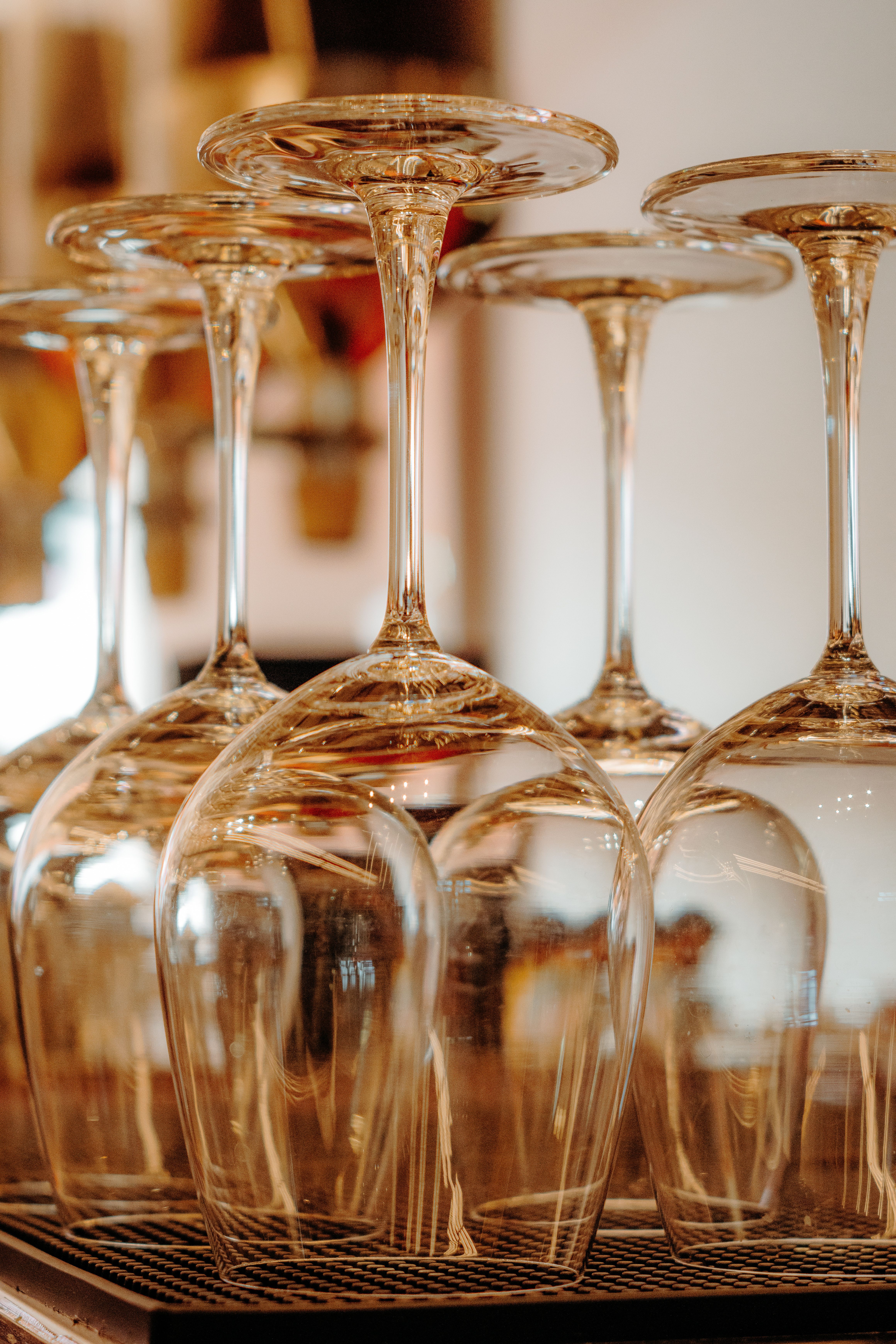
A surprising amount of wine enjoyment comes down to what happens after the bottle is opened. The shape, size, and cleanliness of the glass can dramatically change how aromas rise and how the wine lands on the palate, which is why experienced drinkers pay attention to stemware even when the bottle itself is modest.
That does not mean you need a cabinet full of expensive crystal. It means a clean, properly sized glass is often more important than chasing prestige on a label. People who really know wine understand that presentation is not vanity here. It is part of how the wine actually tastes.
Serving temperature can make or break a bottle
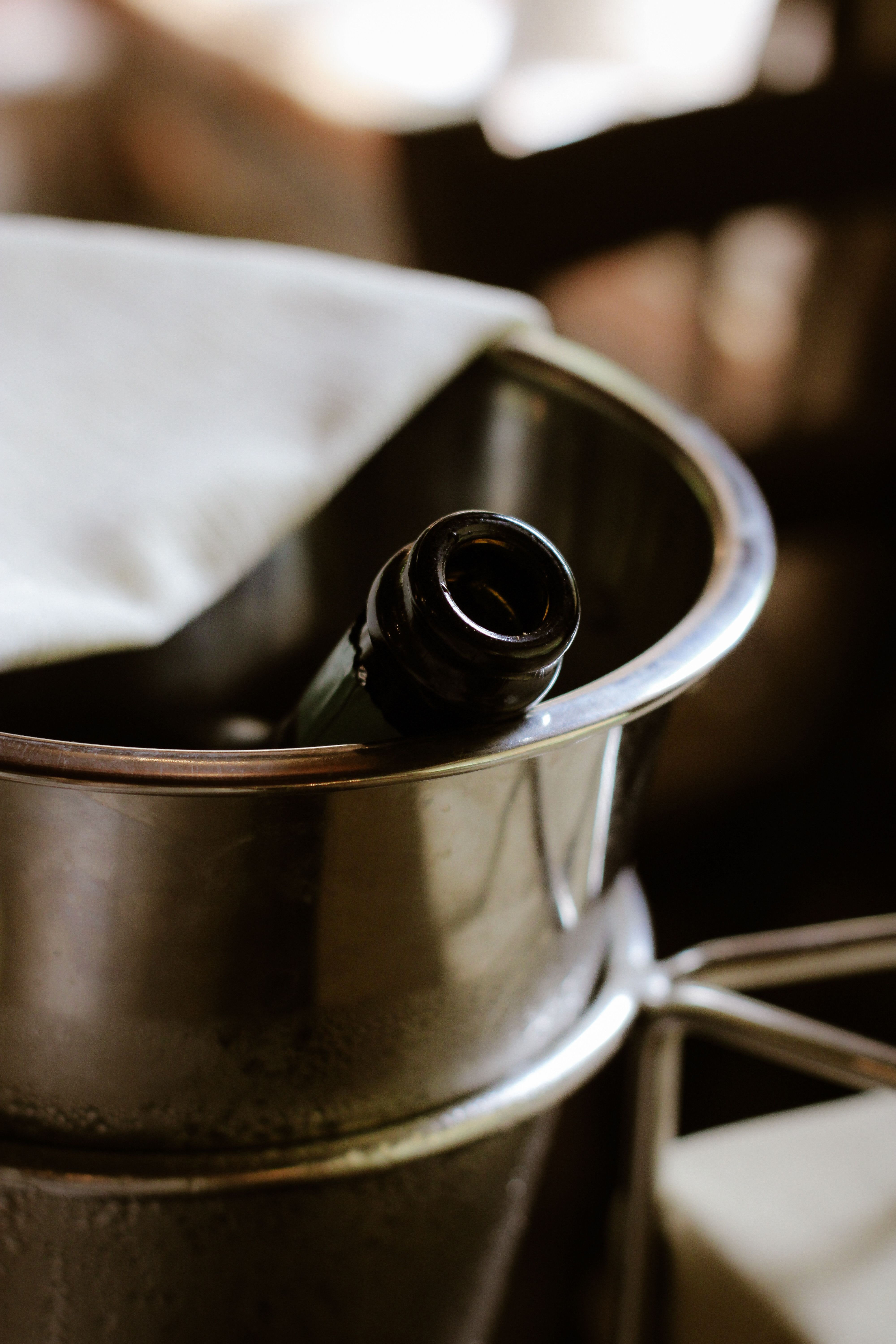
One of the quickest ways to flatten a good wine is to serve it too warm or too cold. Reds that are overheated can taste boozy and soft, while whites served ice-cold can lose their texture and aroma, leaving only blunt acidity behind.
True wine drinkers rarely talk about this because they treat it as basic housekeeping. They know light reds often shine with a slight chill, and rich whites usually need a few minutes out of the fridge. The goal is not strict perfection. It is giving the wine a fair chance to show its character instead of muting it.
Price is not a personality trait
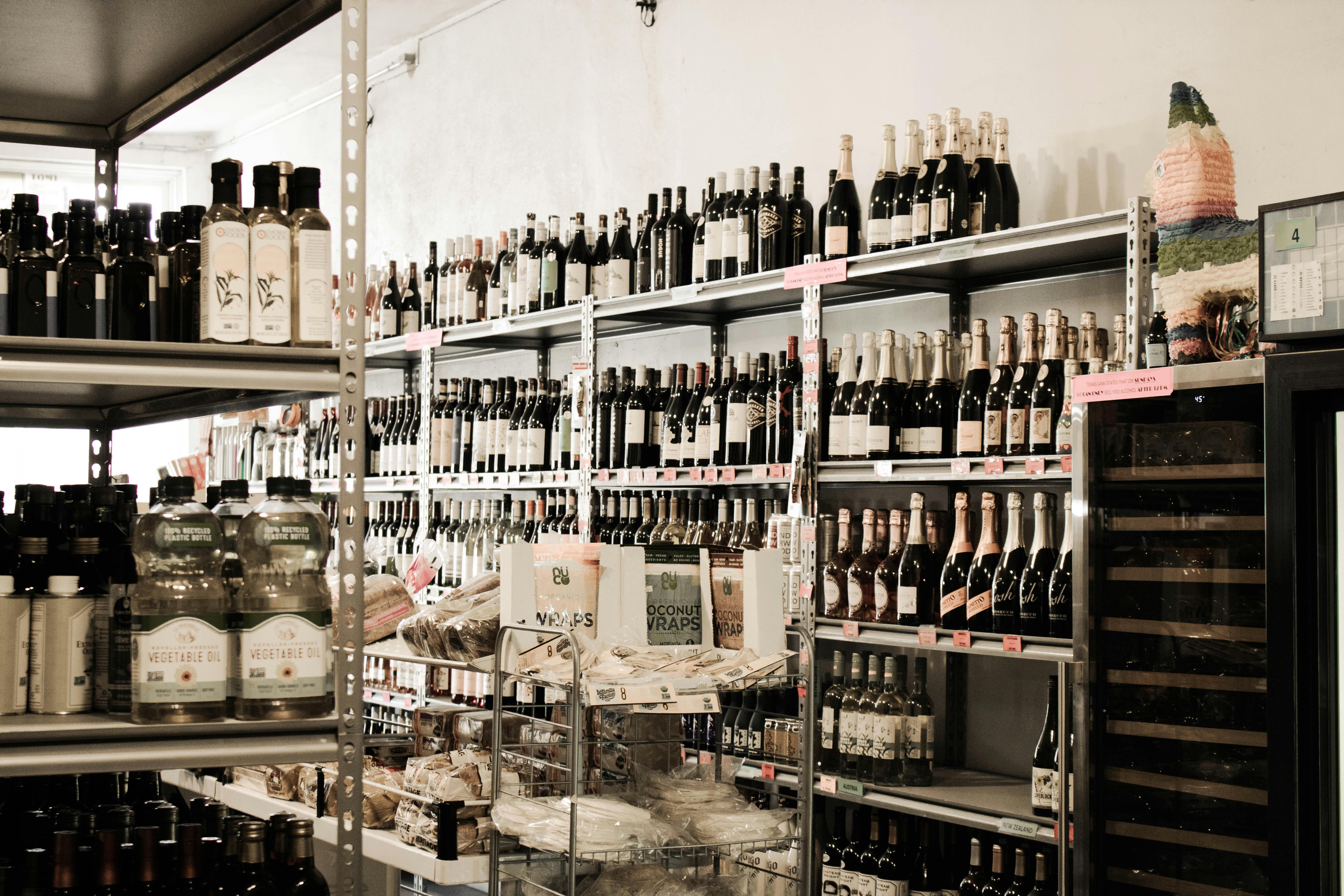
People new to wine often assume expensive means better, but seasoned drinkers know the story is more complicated. Price can reflect rarity, region, aging, or marketing just as much as quality, and a beautifully balanced bottle at a moderate cost can easily outshine something far more expensive.
The quiet rule is simple: buy for pleasure, not for prestige. The most confident wine lovers are not trying to impress anyone with a receipt. They are paying attention to what they genuinely enjoy and learning how producers, vintages, and styles line up with their taste rather than their ego.
Food pairing is about balance, not rigid rules
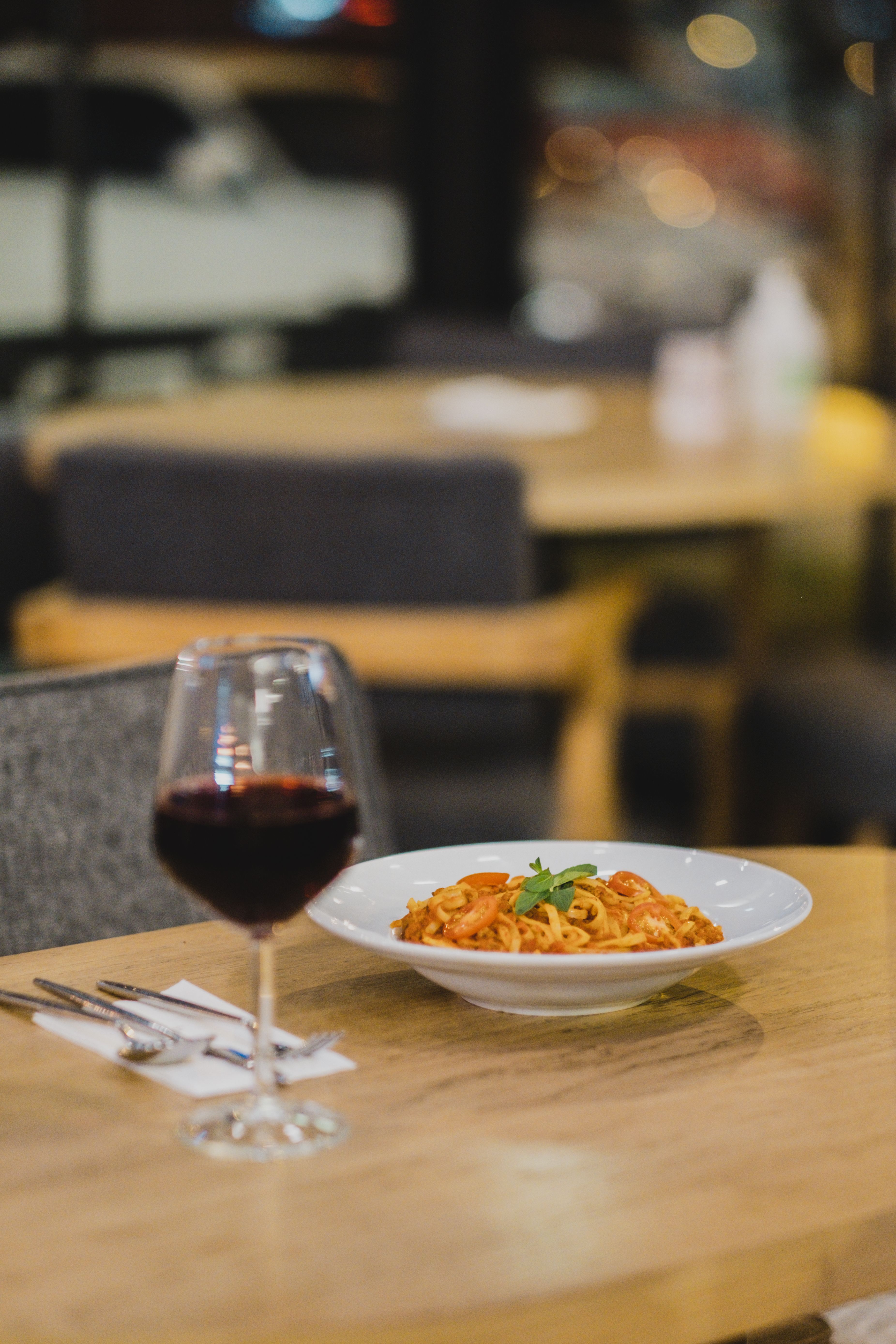
The old commandments about white wine with fish and red wine with meat are useful starting points, but they are not sacred law. Real pairings are about weight, acidity, salt, fat, sweetness, and texture, which is why a bright red can work with seafood and a richer white can hold its own beside roast chicken or pork.
People who drink wine often learn to think less in categories and more in harmony. A meal and a bottle should support each other, not compete. Once you understand that, pairings feel less like a test and more like an enjoyable conversation between plate and glass.
A first sip is information, not judgment
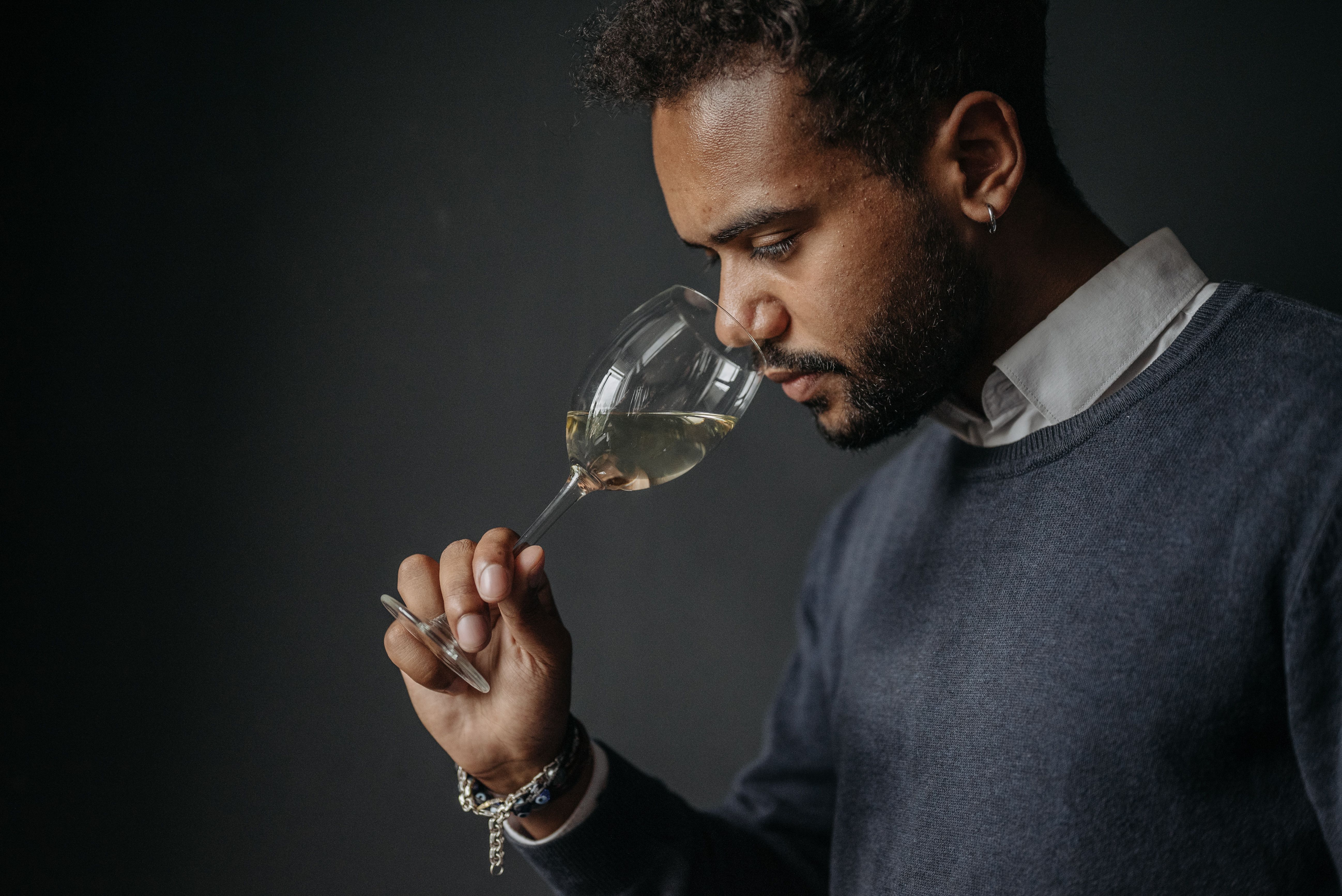
Experienced wine drinkers do not declare a verdict the second the wine touches their lips. They know the first sip often reflects temperature, air exposure, and the simple fact that your palate is just getting oriented. A bottle can open up over several minutes and show very differently by the third pour.
That is why serious enjoyment tends to start with patience. Swirl, smell, sip, then return to it. Many wines need a little oxygen or a little warmth to become more expressive. The people who truly love wine are usually less interested in instant opinions than in how a wine evolves in the glass.
You do not need to finish every bottle
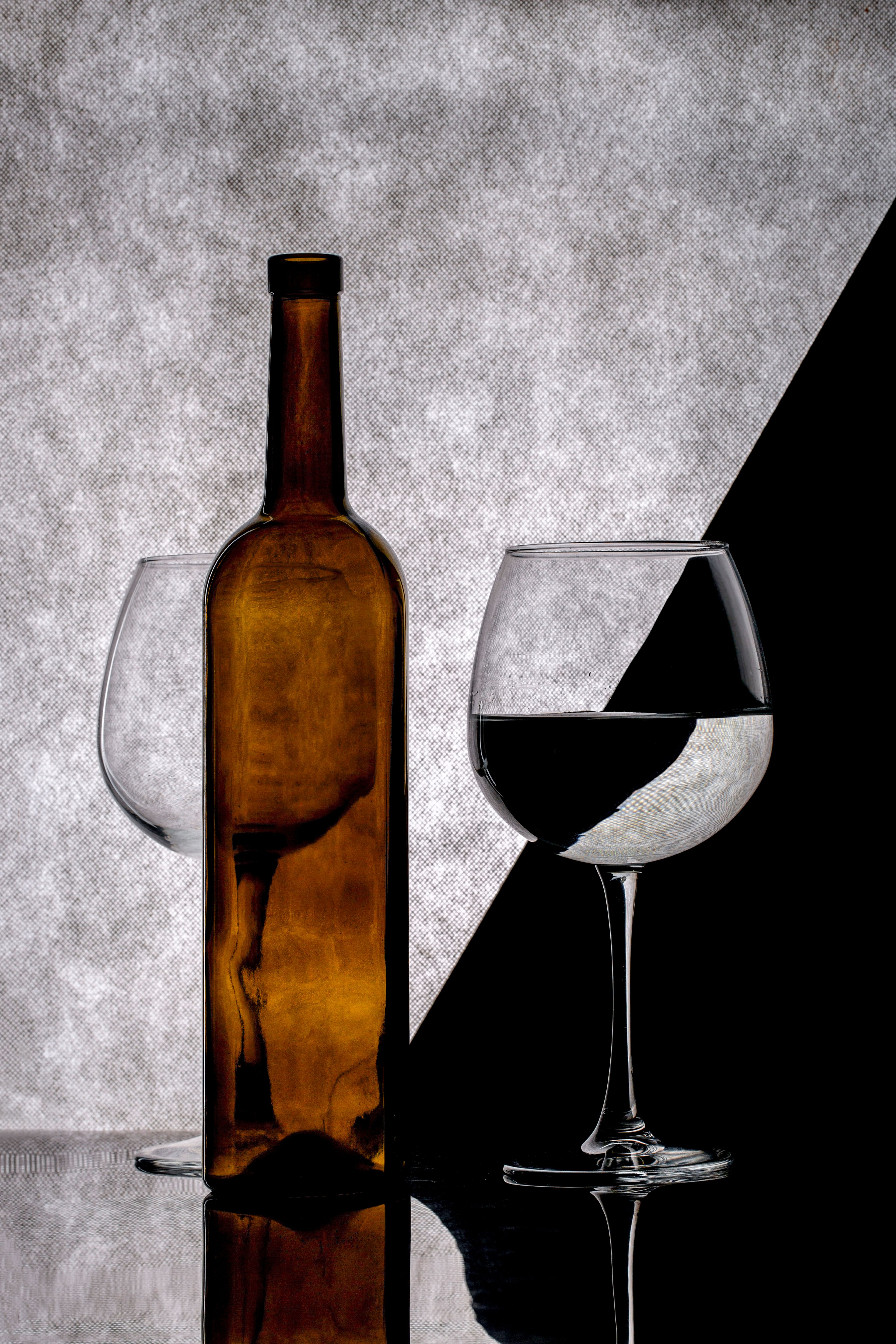
There is a quiet maturity in knowing when a wine is done for the evening, even if the bottle is not empty. True wine drinkers are not treating every open bottle like a challenge. They care more about the experience than about squeezing out one last glass after the wine or the moment has passed.
This rule is partly about moderation and partly about respect. Leftovers can be saved properly, used for cooking, or simply let go. The point is that good wine habits are not about excess. They are about attention, restraint, and understanding that enjoyment usually peaks before obligation sets in.
Talking less can make tasting easier
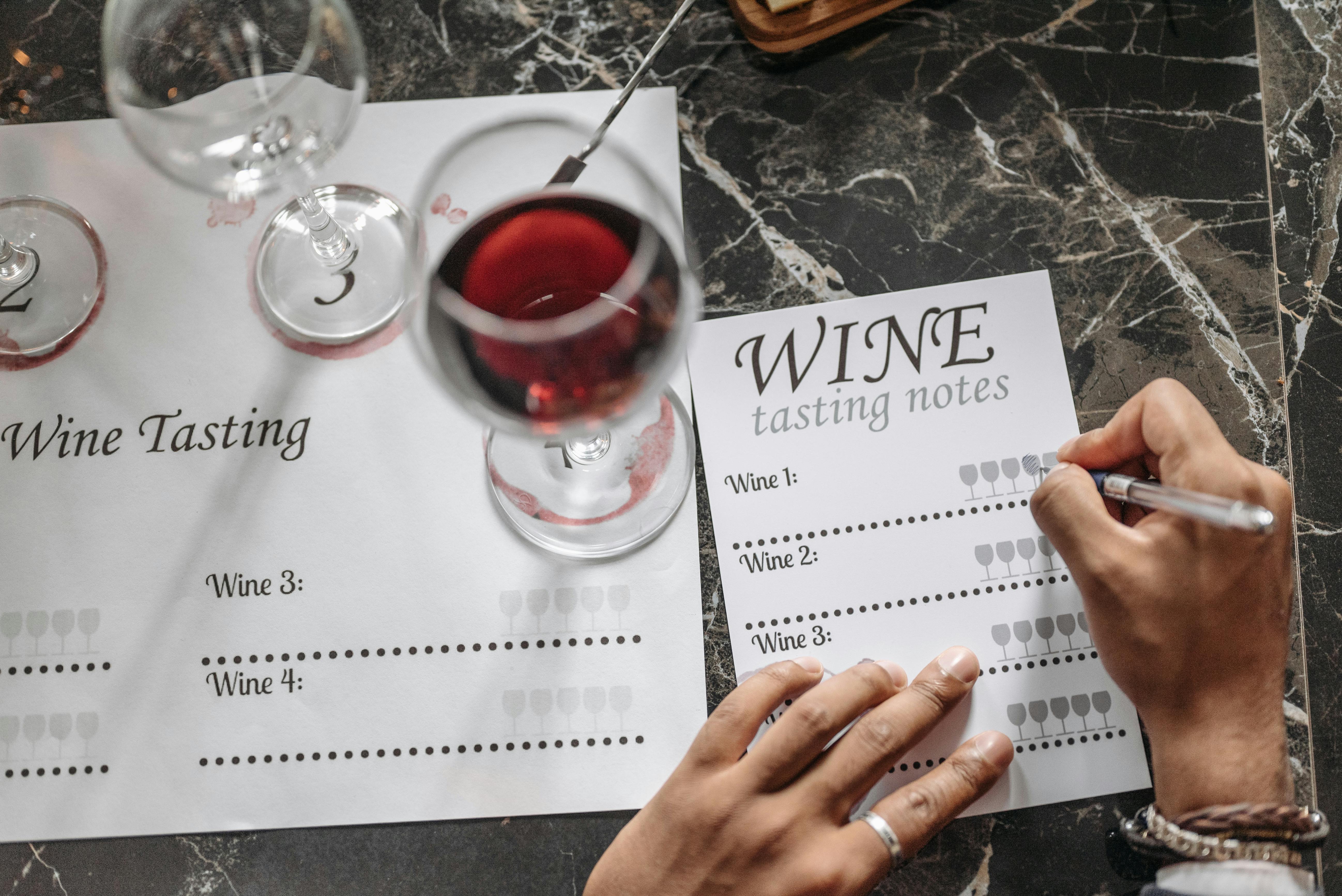
Wine invites description, but too much commentary can overwhelm the actual experience. People who know wine well often taste quietly at first because smell, texture, and finish are easier to notice before a chorus of opinions starts steering everyone toward black cherry, cedar, or whatever note the loudest person announces.
This is not about secrecy or snobbery. It is about giving your own senses a chance to work. Once you have had a moment with the glass, conversation becomes more interesting anyway. Notes differ, impressions sharpen, and the table gets something better than performance: honest reactions.
Vintage matters, but not in the way people think

A vintage is not a magic badge of greatness. It tells you about the growing season, weather conditions, and the style a wine may lean toward, but it does not guarantee pleasure all by itself. Great producers can make compelling wine in difficult years, and famous vintages can still disappoint if the bottle was stored poorly.
Seasoned drinkers treat vintage as context rather than destiny. It helps explain why one year feels leaner, richer, fresher, or more structured than another. That kind of knowledge deepens appreciation without turning the experience into trivia night or an auction-house competition.
The best bottle is often the right bottle
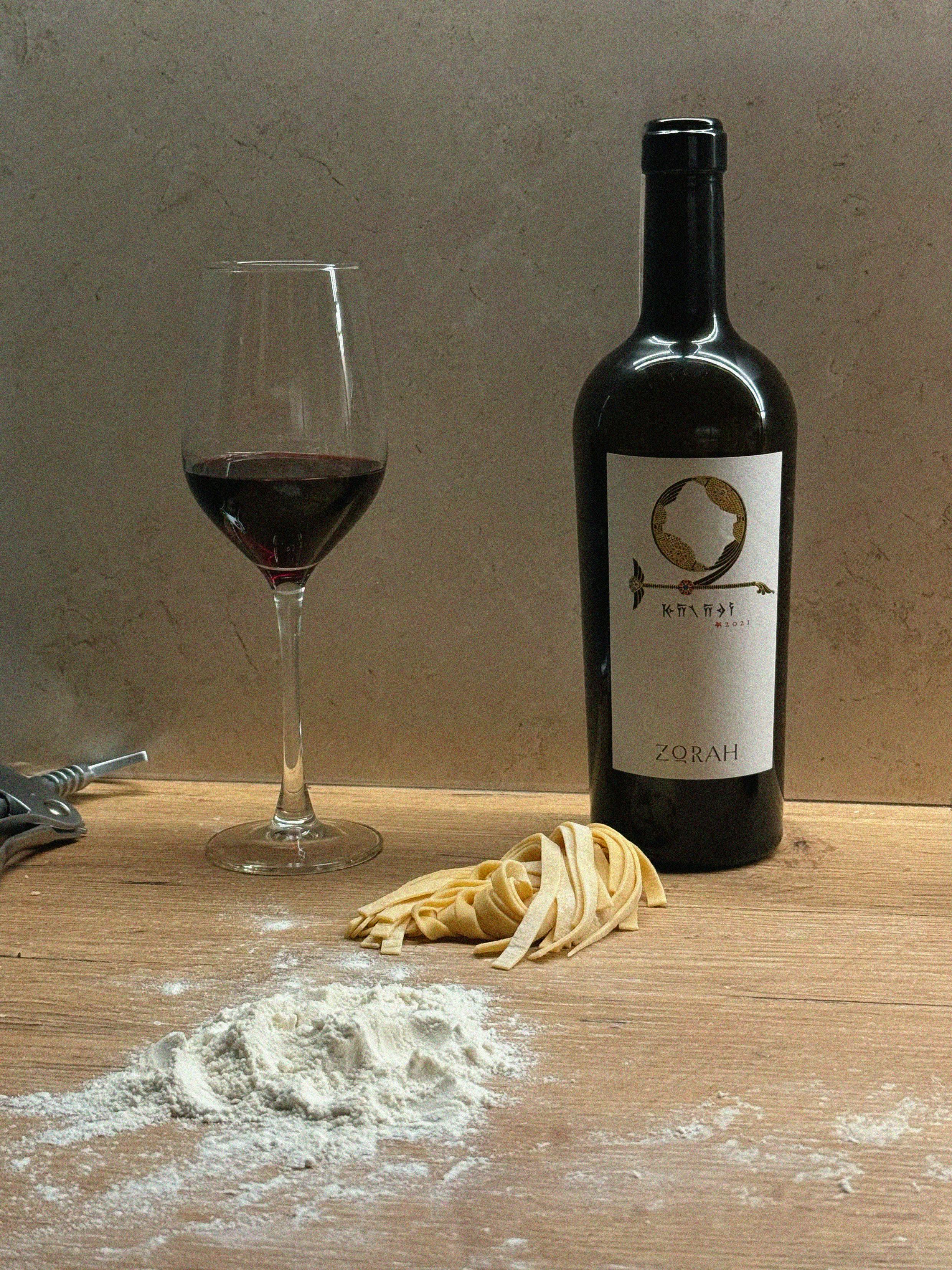
There is a difference between a great wine and the right wine for a particular moment. A simple, lively bottle can be perfect on a warm weeknight with pasta, while a more layered and age-worthy wine might make sense for a long dinner or a celebration. Context shapes enjoyment more than many people admit.
That is why genuine wine lovers are often more flexible than flashy. They are matching bottle to mood, company, meal, and occasion. The smartest choice is not always the rarest or most complex one. Very often, it is the wine that makes everyone at the table want another unhurried glass.
