
I Stopped Buying Herbs at the Store Once I Realized These 9 Basically Grow Themselves
There is something deeply satisfying about walking to a windowsill or a garden bed and snipping exactly what you need for dinner. Fresh herbs elevate everything they touch. A handful of basil transforms a bowl of pasta. A few sprigs of mint wake up a pitcher of iced tea. Chives scattered over scrambled eggs add a mild onion brightness that dried herbs simply cannot match.
The best part is how easy most of these herbs are to grow. You do not need a sprawling backyard or a green thumb. A sunny spot and a few pots will do. Basil thrives in warm weather. Rosemary tolerates neglect. Mint grows so vigorously that the challenge is keeping it contained. Whether you are a seasoned gardener or someone who has killed every plant they have ever owned, these nine herbs offer a forgiving starting point. Let’s explore the herbs that reward you with flavor all season long.
Basil
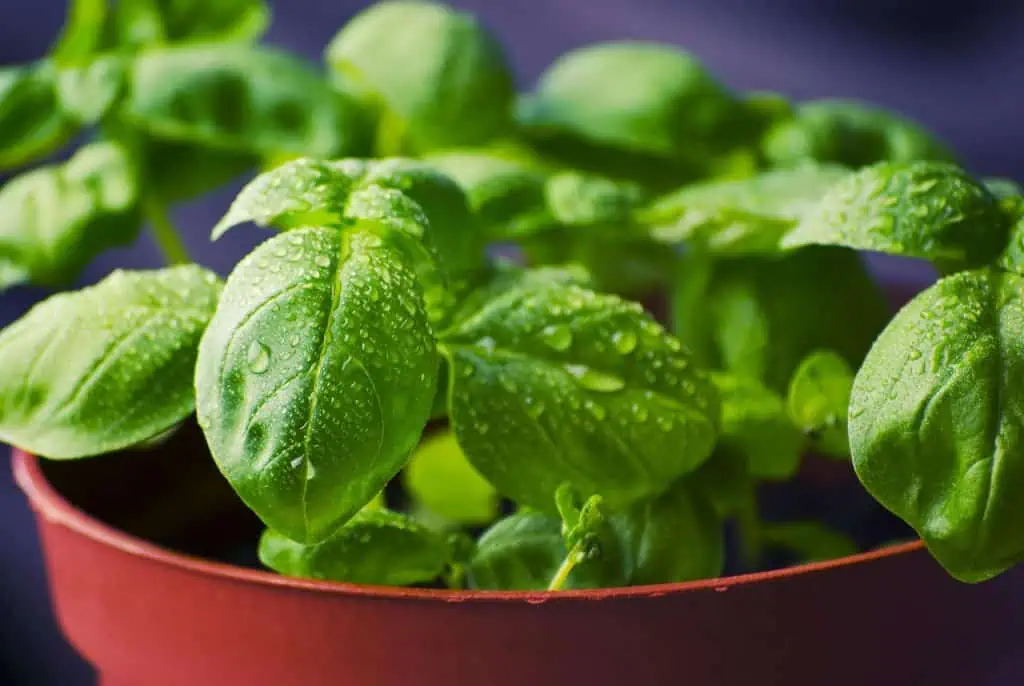
Basil is one of the most popular herbs for home growing, thriving in warm weather and plenty of sunlight. It pairs perfectly with tomatoes, pasta dishes, and homemade pesto. Basil grows quickly in pots or gardens, and regular harvesting encourages new leaves to sprout. Keeping the soil moist but well-drained helps ensure a steady supply of fragrant, flavorful leaves.
Mint
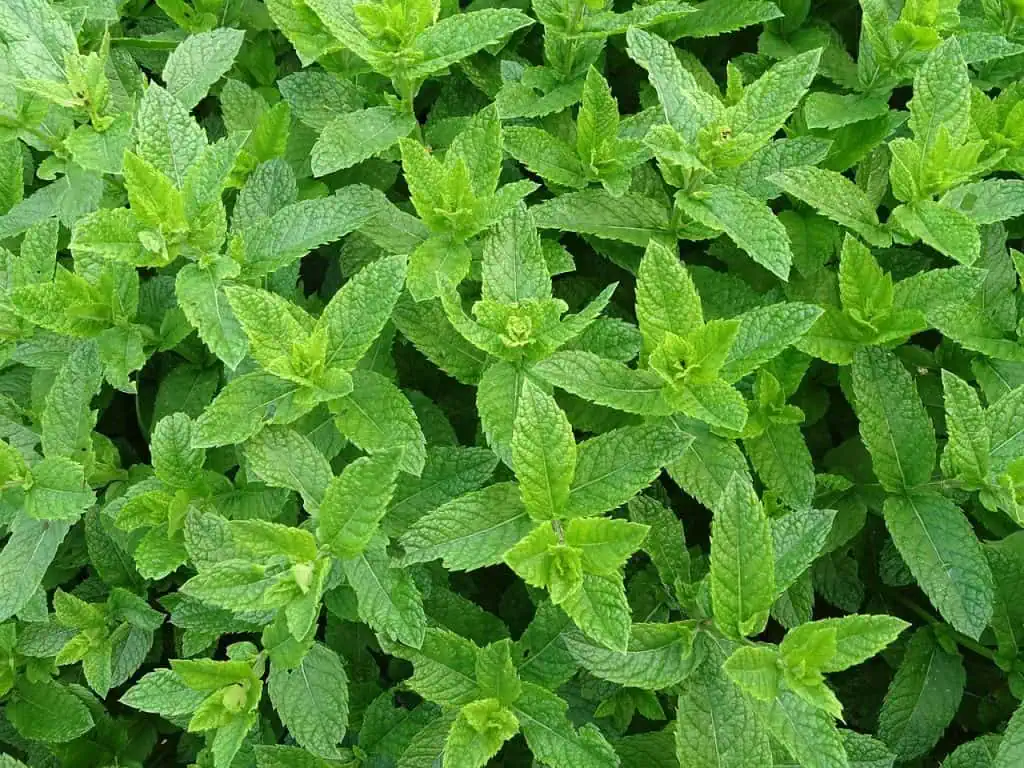
Mint is a hardy herb that grows almost anywhere, though it spreads quickly if not contained. Best grown in pots, it provides a refreshing addition to teas, salads, and desserts. Mint prefers partial shade and moist soil, making it a low-maintenance choice for beginners. With its vigorous growth, you’ll have a steady supply all season long.
Parsley
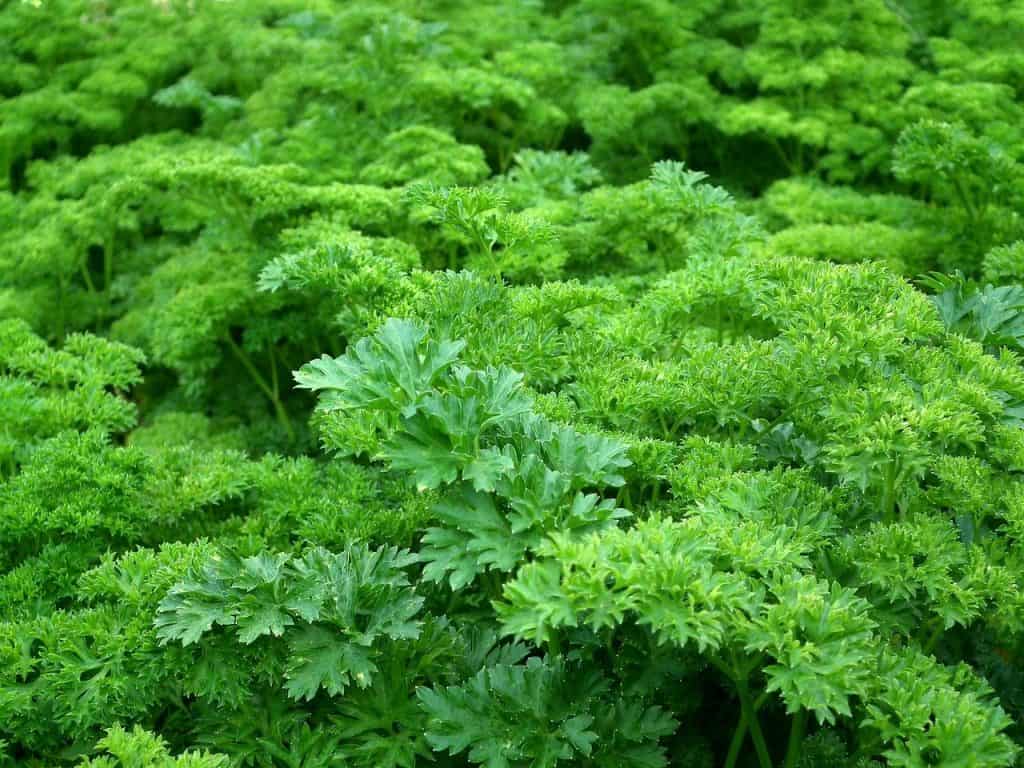
Parsley is versatile and can be grown in full sun or partial shade. It’s widely used as a garnish, but its bright flavor also enhances soups, sauces, and salads. Flat-leaf parsley is preferred for cooking, while curly parsley is more decorative. With consistent watering and regular cutting, parsley can provide fresh leaves throughout the year, especially in containers.
Chives
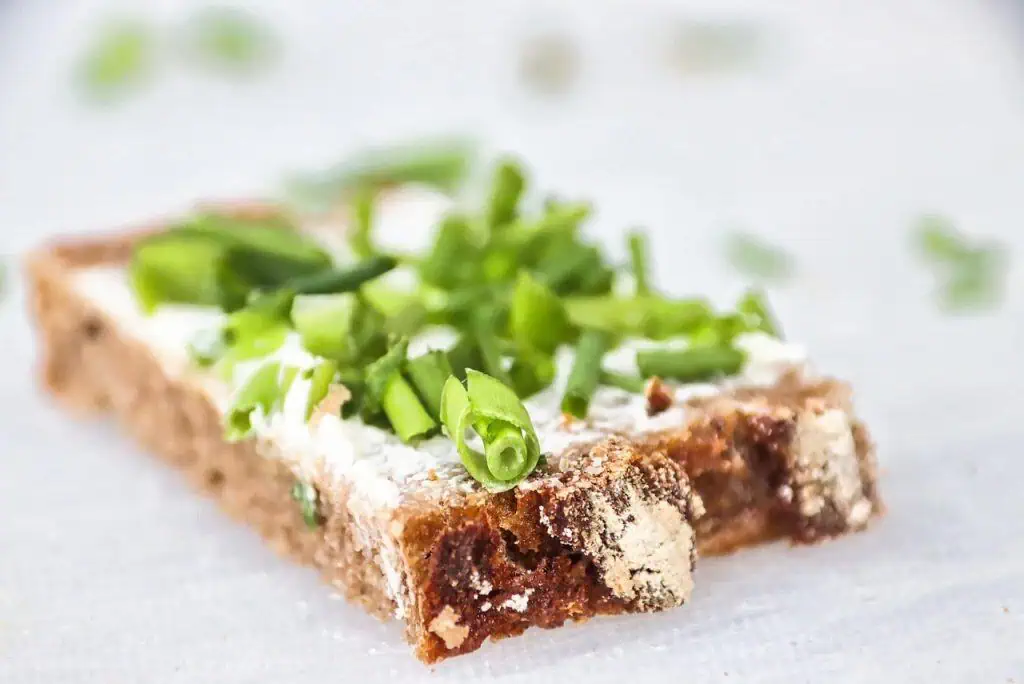
Chives are perennial herbs that come back year after year, producing thin, onion-like leaves with a mild flavor. They’re excellent in eggs, potatoes, soups, and dips. Chives grow well in both garden beds and pots, requiring little more than sunlight and occasional watering. In spring, they also produce edible purple flowers that can brighten up your dishes.
Cilantro
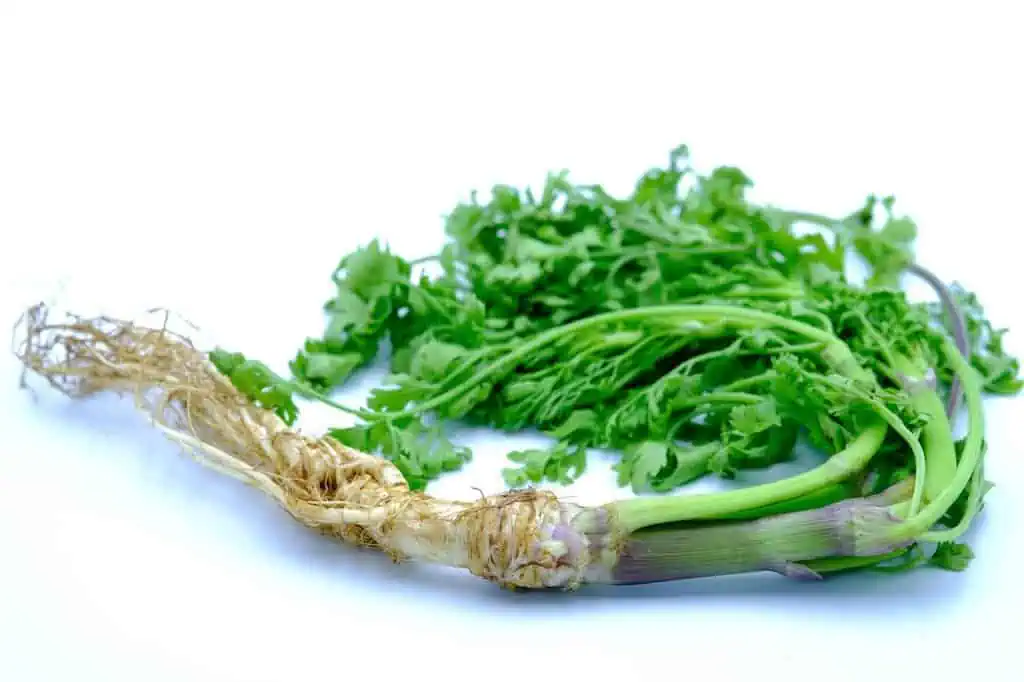
Cilantro, also known as coriander, grows best in cooler weather and needs regular harvesting to prevent it from bolting. Its leaves are a staple in Mexican, Indian, and Asian cuisines, adding a fresh, citrusy note to meals. Cilantro grows quickly from seed and thrives in pots or garden beds. Succession planting ensures a steady harvest over several months.
Rosemary
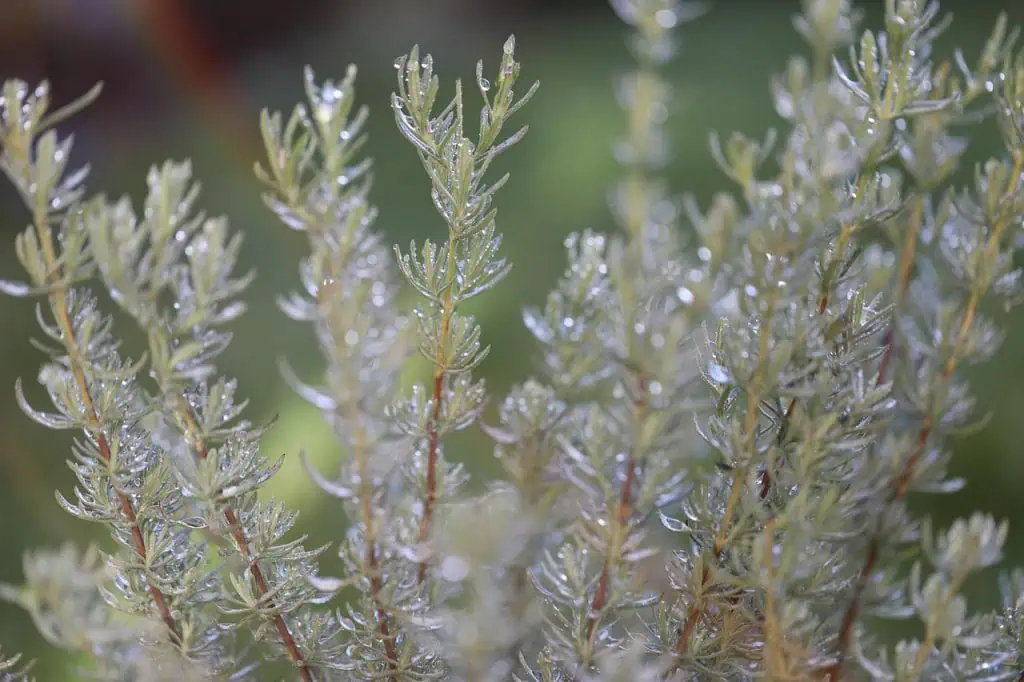
Rosemary is a woody perennial herb that thrives in full sun and well-drained soil. Its pine-like aroma and robust flavor make it ideal for roasting meats, potatoes, and bread. Rosemary is drought-tolerant once established, making it an easy-care option for beginners. Grown in pots, it can be brought indoors during winter to provide year-round harvests.
Thyme
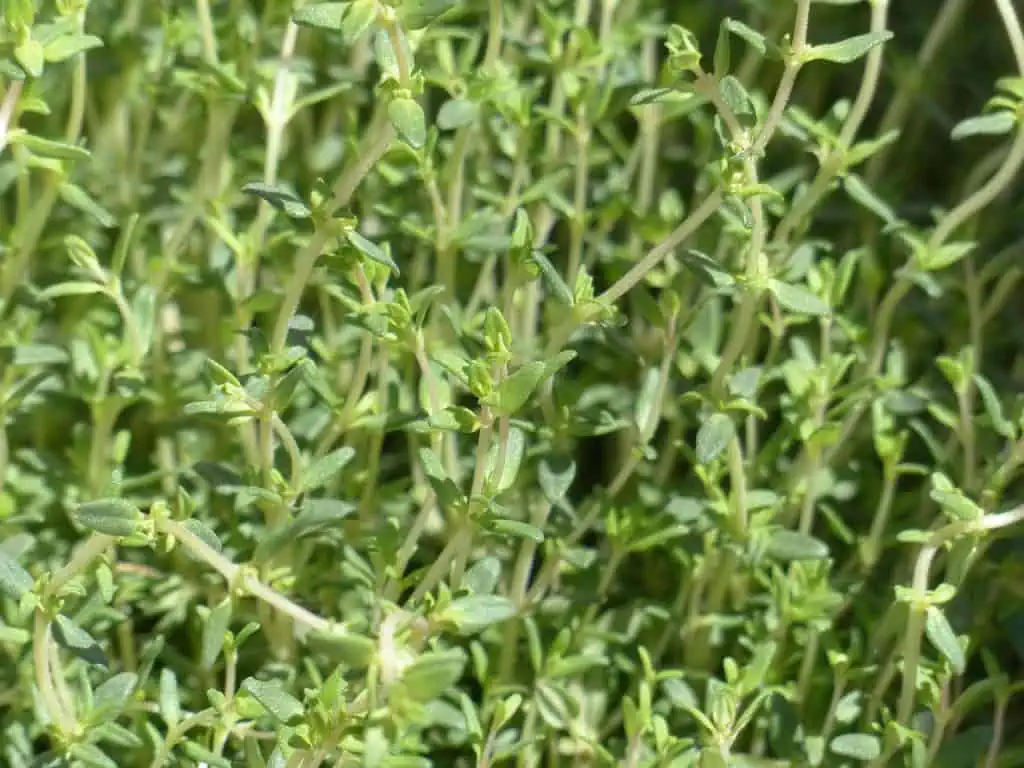
Thyme is a low-growing herb that loves full sun and dry soil, making it one of the easiest herbs to care for. Its earthy flavor complements soups, stews, and roasted vegetables. Thyme is also evergreen in many climates, so it provides fresh leaves year-round. It’s well-suited for garden borders or pots, thriving with minimal maintenance once established.
Oregano
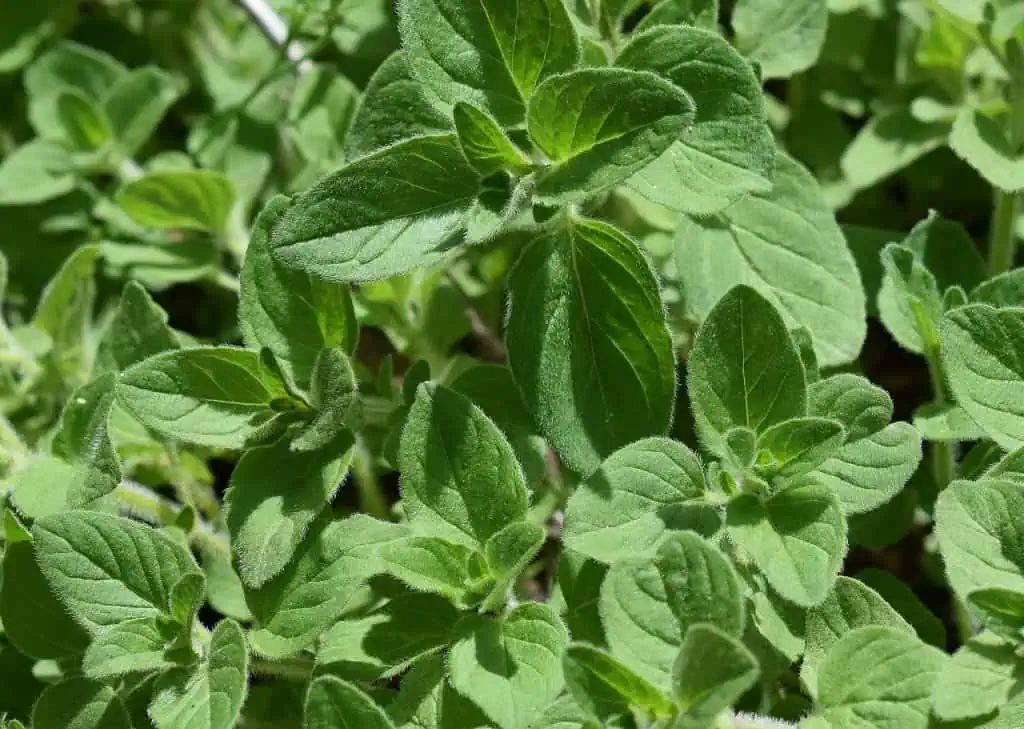
Oregano is a Mediterranean herb that flourishes in sunny, dry conditions. Known for its bold flavor, it’s an essential ingredient in Italian, Greek, and Mexican cooking. Oregano grows best in pots or garden beds with good drainage. Regular trimming encourages bushy growth and prevents the plant from becoming too woody, ensuring a steady supply of leaves for cooking.
Dill
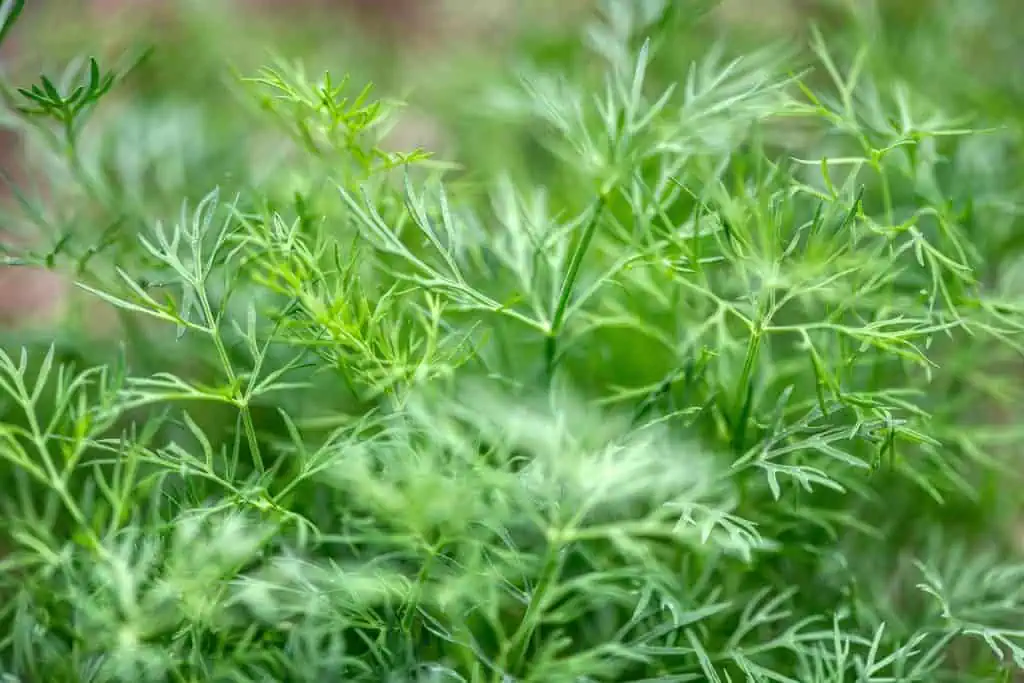
Dill is an easy annual herb with delicate feathery leaves and a fresh flavor perfect for fish, pickles, and salads. It grows quickly from seed in full sun and well-drained soil. Dill tends to bolt in hot weather, so succession planting can extend its harvest. Its flowers also attract beneficial pollinators, making it a helpful addition to any herb garden.
