
8 New “Blue Zone” Eating Habits Gen Z Is Adopting for Longevity
Blue Zones regions where people live significantly longer, healthier lives have inspired a new wave of wellness trends among younger generations. Gen Z, in particular, is adopting simplified versions of these habits that align with their fast-paced routines and interest in functional, whole foods. Rather than strict diets, these practices emphasize consistency, moderation, and mindful choices that contribute to overall well-being. As these habits spread online, they’re shaping how Gen Z approaches daily nourishment and long-term longevity.
Plant-Forward Plates
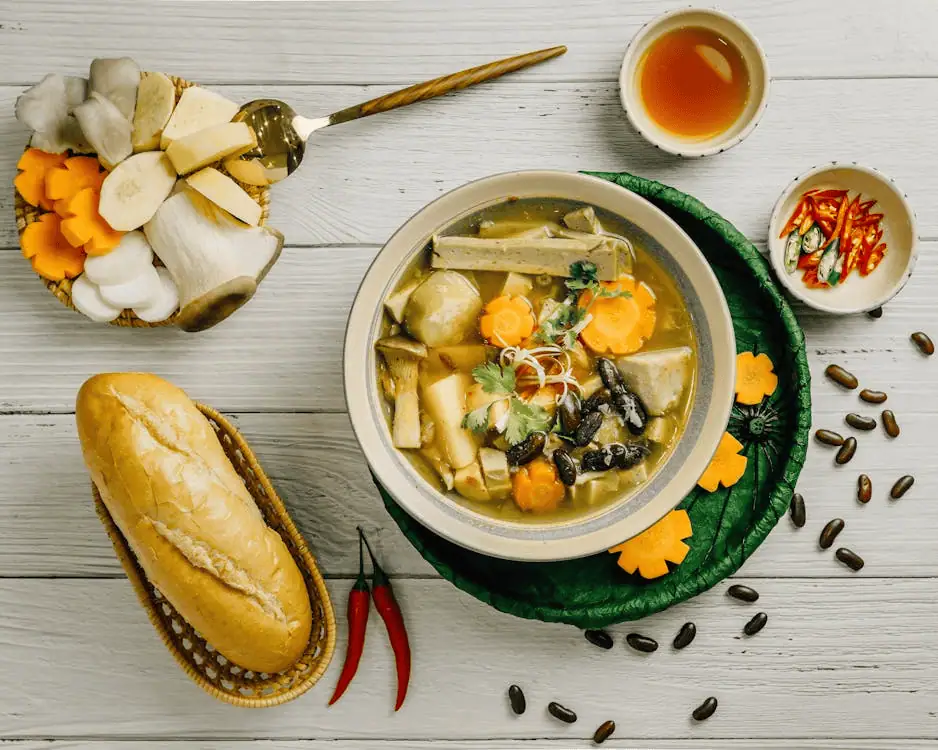
Gen Z is shifting toward meals centered around vegetables, legumes, and whole grains, reflecting the plant-heavy patterns found in Blue Zones. This approach focuses on nutrient density and variety rather than strict vegetarianism. By prioritizing plant-forward dishes, younger eaters are incorporating more fiber, antioxidants, and steady energy into their daily routines.
Smaller, More Frequent Meals
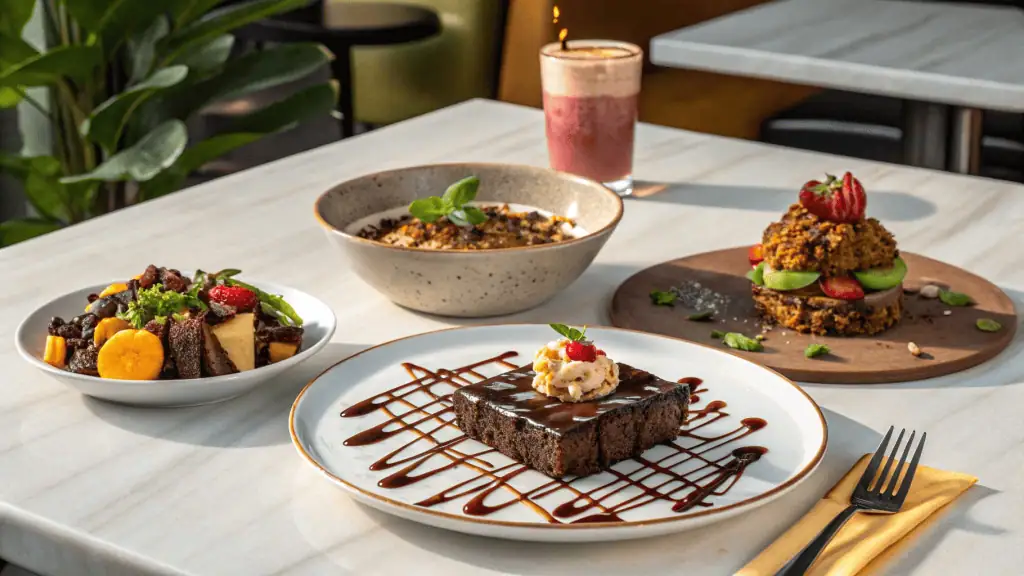
Inspired by the modest portion sizes seen in Blue Zone regions, Gen Z is moving away from oversized plates and adopting smaller, more frequent meals. This pattern helps maintain stable energy levels throughout the day while avoiding overeating. It fits well with busy schedules and modern snacking habits, encouraging a more mindful relationship with food.
“Slow Protein” Choices

Instead of relying heavily on processed meats, Gen Z is embracing “slow proteins” such as beans, lentils, tofu, and sustainably sourced fish. These options mirror Blue Zone eating patterns and offer long-lasting satiety without heavy additives. The shift highlights a growing awareness of balancing protein intake with overall health and environmental impact.
Natural Sweeteners Over Processed Sugar

Younger consumers are swapping refined sugar for honey, dates, and fruit-based sweeteners in an effort to reduce spikes in energy and support long-term wellness. This trend mirrors the naturally sweet ingredients common in Blue Zone diets. The preference allows for satisfying treats while keeping overall sugar consumption more balanced.
Mindful Eating Rituals

Gen Z is increasingly adopting mindful eating habits, such as slowing down during meals, reducing screen distractions, and focusing on flavor. This mirrors the intentional, community-driven eating styles seen in Blue Zones. The practice supports better digestion and more conscious food choices, even during fast-paced weekdays.
Hydration Through Whole Foods

While water remains essential, Gen Z is also turning to hydration-rich foods like cucumbers, berries, and citrus. This aligns with Blue Zone patterns, where fruits and vegetables contribute significantly to daily hydration. The habit offers a simple way to stay energized and nourished without relying solely on drinks.
Light Evening Meals
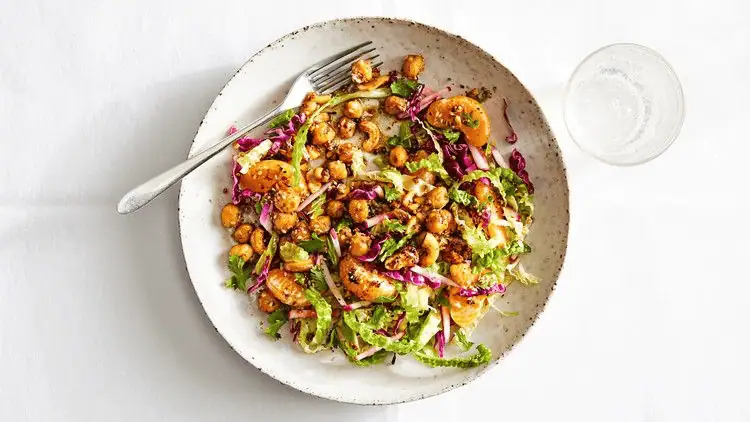
A growing number of Gen Z eaters prefer lighter dinners, inspired by Blue Zone traditions where the heaviest meal often comes earlier in the day. This shift helps support better sleep and digestion while reducing late-night snacking. It fits well with flexible schedules and modern approaches to wellness-oriented nighttime routines.
“One-Ingredient” Snacks

Minimal-ingredient snacks such as nuts, seeds, fresh fruit, and roasted chickpeas are becoming increasingly popular. Gen Z favors their simplicity, portability, and clear nutritional profiles. These whole-food snacks reflect Blue Zone eating patterns, offering steady energy without processed add-ons or overly complicated ingredients.
