
8 Date Night Expectations for Men in the 1950s That Feel Outdated Now
Dating in the 1950s followed a highly structured script influenced by postwar optimism, rigid gender roles, and strong community oversight. Men were generally expected to initiate the date, plan every detail, and cover all expenses, reinforcing their role as provider and decision-maker. Women, in contrast, were often encouraged to adopt a more reserved and supportive posture. These dynamics were not subtle they were reinforced through films, etiquette manuals, advertisements, and family guidance. While fragments of these traditions still appear today, many of the era’s expectations now feel restrictive. Modern dating increasingly values flexibility, collaboration, and mutual agency rather than fixed roles.
Always Paying the Bill
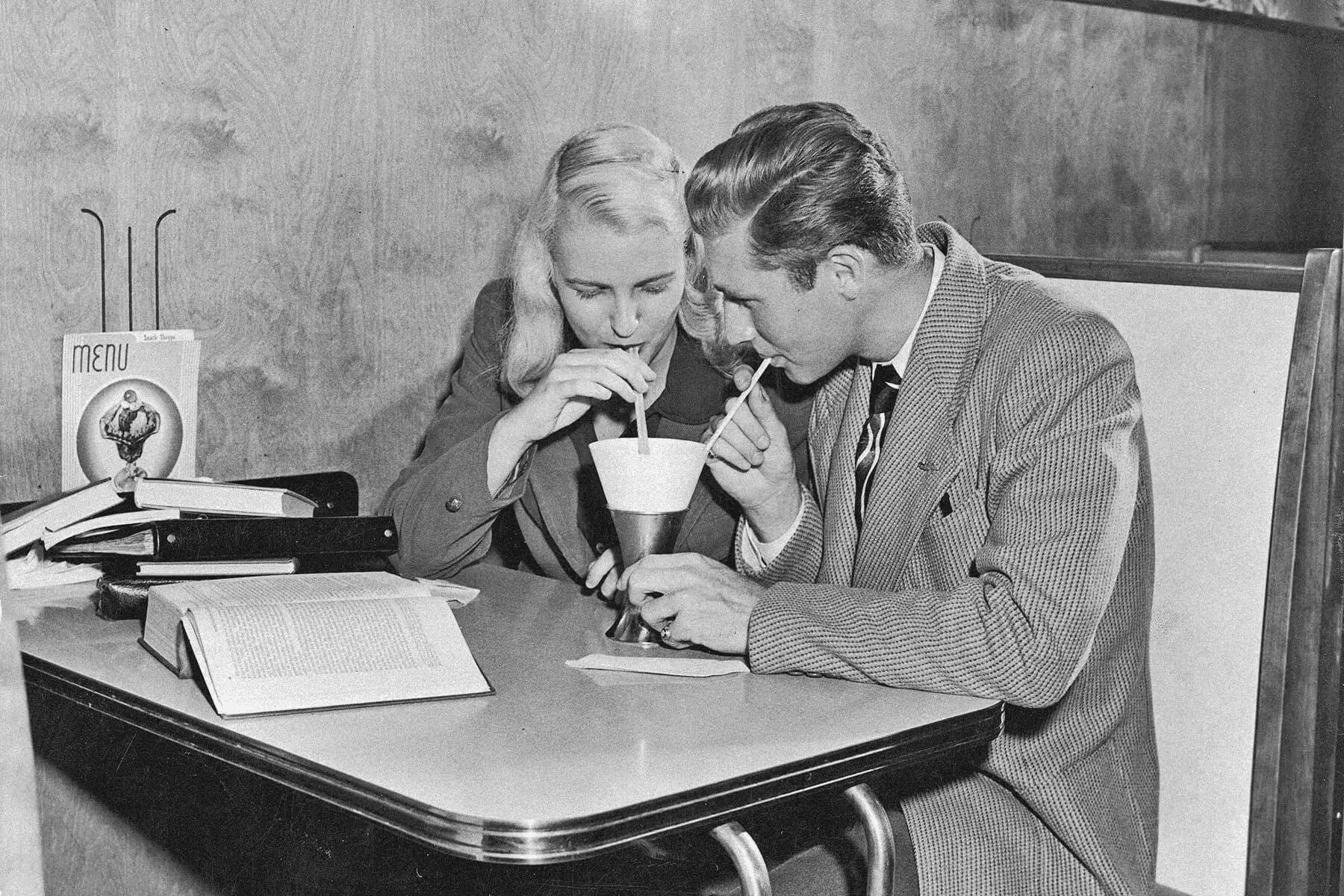
In the 1950s, it was widely assumed that the man would cover every expense on a date dinner, movie tickets, transportation, and even small extras like snacks or soda. This expectation went beyond courtesy; it signaled financial stability, maturity, and seriousness of intent. Failing to pay could be interpreted as poor manners or a lack of commitment. The ritual reinforced clear provider roles within courtship norms of the era. Today, while some couples still appreciate this tradition, many prefer splitting costs or alternating payments. Modern dating often reflects shared independence rather than rigid financial obligation tied to gender.
Planning Everything
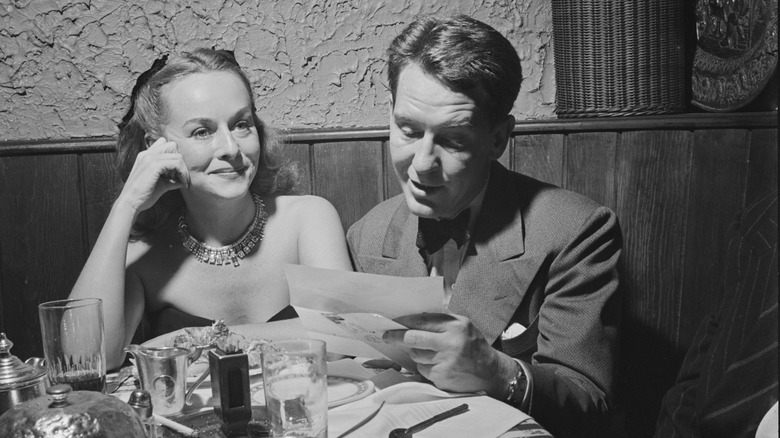
Men were traditionally expected to plan each detail of a date, from choosing the restaurant to organizing transportation and post-dinner entertainment. Taking initiative was closely linked to confidence and leadership, and hesitation could be viewed as weakness or disinterest. The assumption that women might co-plan or select venues themselves was far less common in mainstream dating culture. This dynamic reinforced clearly defined roles within early courtship. In contrast, modern relationships frequently emphasize collaboration and shared input, with both partners contributing ideas, preferences, and logistics rather than relying on one person to manage the entire experience.
Picking Her Up at Home
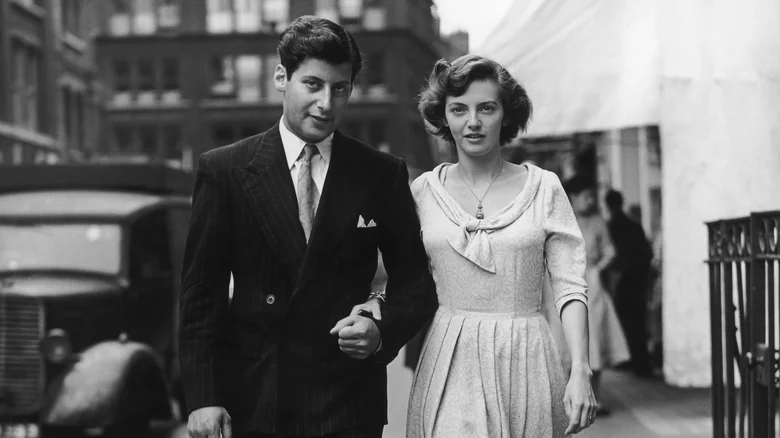
Arriving at a woman’s home to meet her family before taking her out was once considered standard practice, particularly for teenagers and young adults. This custom reinforced accountability and respectability, signaling serious intentions to parents or guardians. While framed as courteous, it also reflected stricter social supervision and limited autonomy for young women. The ritual made dating a more public, family-aware event rather than a private interaction. Today, early dates typically involve meeting at neutral public locations. Many couples prioritize personal comfort and boundaries, with introductions to family happening later, if the relationship becomes more established.
Clear Gender Roles in Conversation
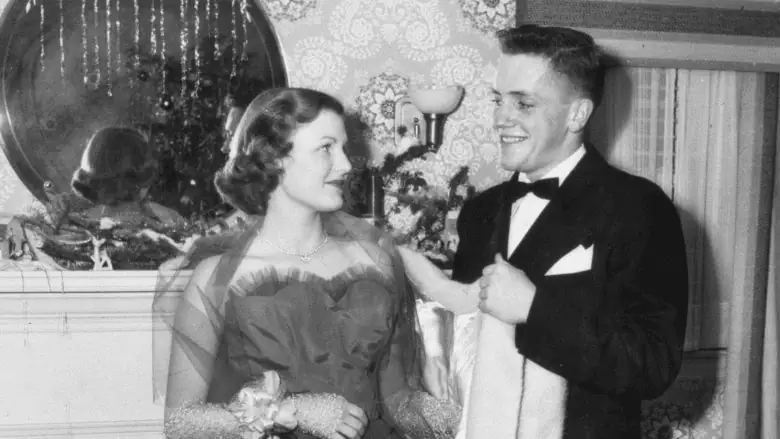
Dating conversations in the 1950s often mirrored broader cultural expectations about gender roles. Men were encouraged to lead discussions, speak confidently about career ambitions, and demonstrate long-term goals, reinforcing the provider identity. Women were generally expected to listen attentively, respond supportively, and avoid dominating the exchange. Emotional vulnerability from men was rarely modeled or encouraged. These conversational patterns reflected a more scripted social structure. In contrast, contemporary dating culture increasingly values balanced dialogue, emotional openness, and shared interests, allowing both partners to express personality and ambition without predetermined conversational roles.
Strict Curfews
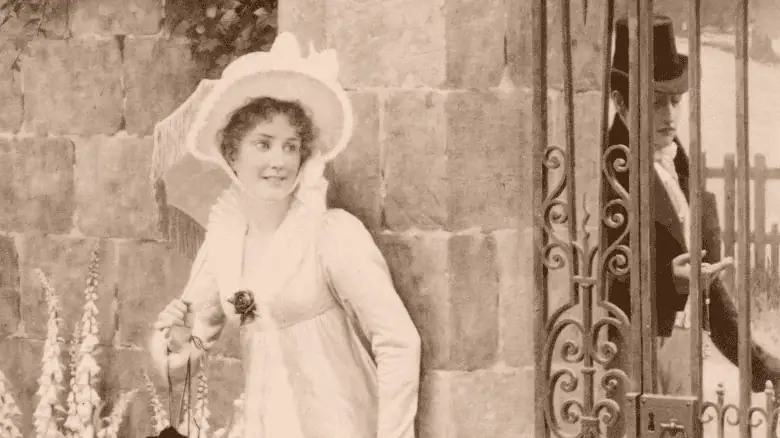
For many young couples in the 1950s, especially teenagers, curfews were firm and rarely negotiable. A man was expected to return his date home by a predetermined hour as a sign of respect and responsibility. Arriving late could raise concerns about character and potentially damage reputations within tightly connected communities. Curfews reinforced parental authority and social oversight, making dating a supervised activity rather than a private one. While safety and communication remain important today, dating-specific curfews have largely faded. Modern expectations tend to focus more on consent, independence, and personal accountability rather than rigid time-based rules.
Minimal Public Affection
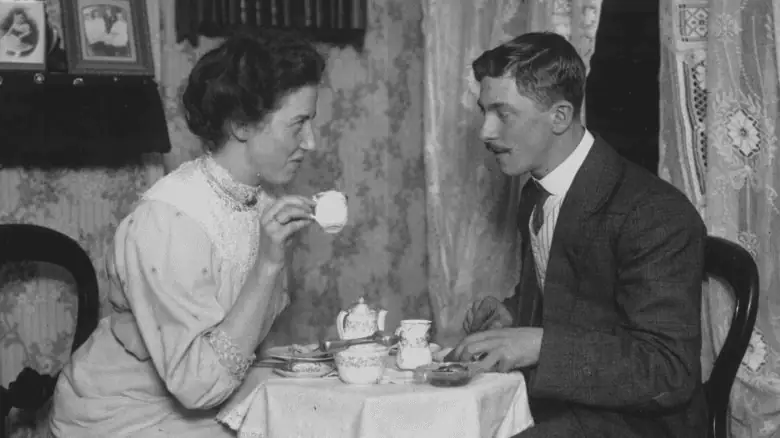
Public displays of affection during the 1950s were generally limited and carefully observed. Holding hands might be acceptable, but kissing or more intimate gestures in public could invite criticism or social disapproval. Men were often expected to exercise restraint, not only to demonstrate self-control but also to protect their date’s reputation. Visible affection was closely tied to perceptions of morality and respectability. In contrast, contemporary norms vary widely depending on cultural context and personal comfort. While discretion still matters in some settings, fewer rigid penalties are attached to public affection in most modern social environments.
Career as Primary Identity
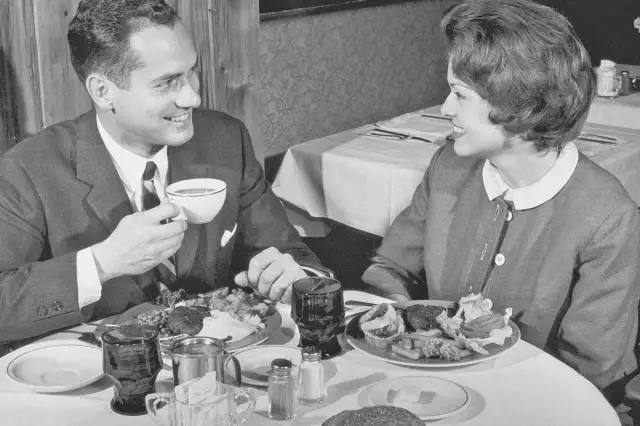
In 1950s dating culture, a man’s perceived value was strongly connected to his career trajectory and earning potential. Financial stability and ambition were viewed as essential traits that signaled readiness for marriage and long-term responsibility. Emotional compatibility, shared hobbies, or personal growth were often secondary to provider expectations. Success in dating was closely aligned with economic promise. Today, while financial responsibility remains relevant, many relationships prioritize communication, shared interests, emotional intelligence, and mutual goals. Identity in modern dating tends to extend beyond career status, reflecting broader definitions of partnership and fulfillment.
