
8 Cooking Traditions Boomers Still Do That Younger Generations Don’t Get
Cooking traditions evolve over time, but certain practices from past generations remain treasured by many. Some culinary habits embraced by Boomers appear mysterious or outdated to younger cooks, yet they offer valuable skills and flavors worth rediscovering. This exploration reveals eight enduring customs that highlight deep-rooted techniques, offering fresh insights for modern kitchens.
From-Scratch Everything, No Shortcuts
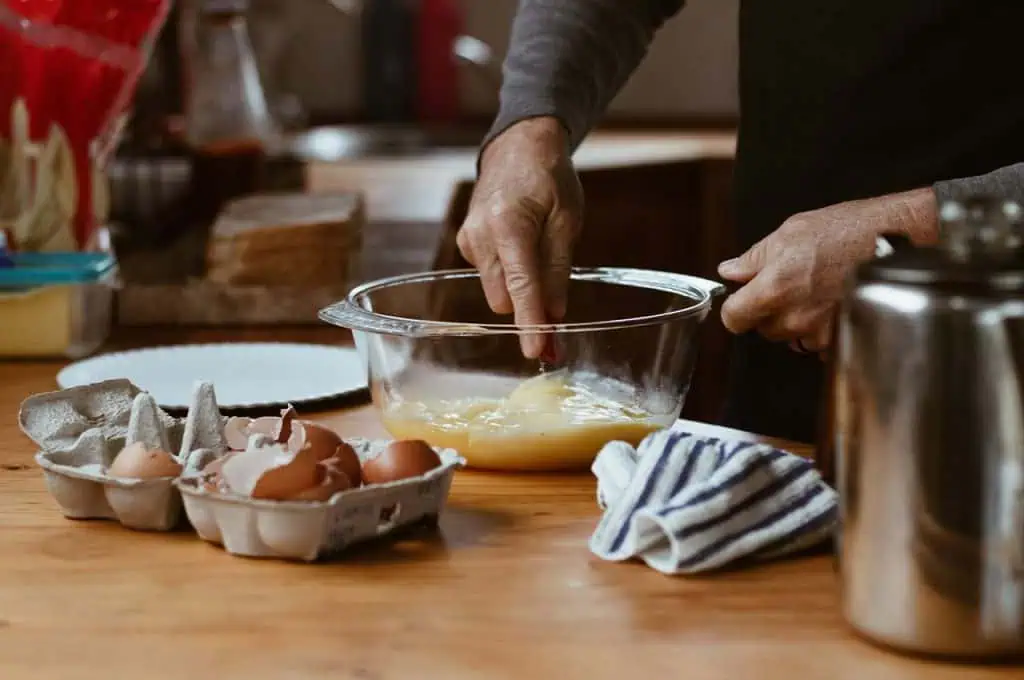
The commitment to preparing meals entirely from scratch reflects a dedication to quality and flavor. Making bread without a bread machine showcases the culinary payoff of kneading dough to develop gluten, leading to perfectly airy loaves. Crafting sauces like béchamel involves precise whisking to achieve a silky texture absent in pre-made options. This method emphasizes control over ingredients, allowing cooks to adjust seasoning to preference, resulting in dishes that are uniquely personal.
Canning and Preserving: A Lost Art

Preserving the bounty of harvest through canning offers a practical approach to sustainability and flavor retention. This technique involves sterilizing jars and meticulous timing to ensure a vacuum seal, preserving foods like pickles or jams for extended shelf life. Whether it’s a spicy chutney or a classic berry preserve, the process locks in seasonal flavors, offering a taste of summer even in the depths of winter. Canning allows cooks to experiment with seasonal herbs and spices, customizing preserved goods to taste.
Sunday Gravy: The Meat-Sauce Tradition

Sunday gravy is more than a meal; it’s a ritual involving slow-simmered meats that infuse richness into a robust tomato sauce. Utilizing cuts like pork ribs and meatballs enriches the sauce, releasing flavors over hours of gentle cooking. The result is a deeply savory dish that coats pasta beautifully. This method highlights the art of layering flavors, from the initial sauté of garlic and onions to the gradual incorporation of meats and herbs, reflecting patience and craftsmanship in cooking.
Layered Jell-O Salads: The Colorful Staple
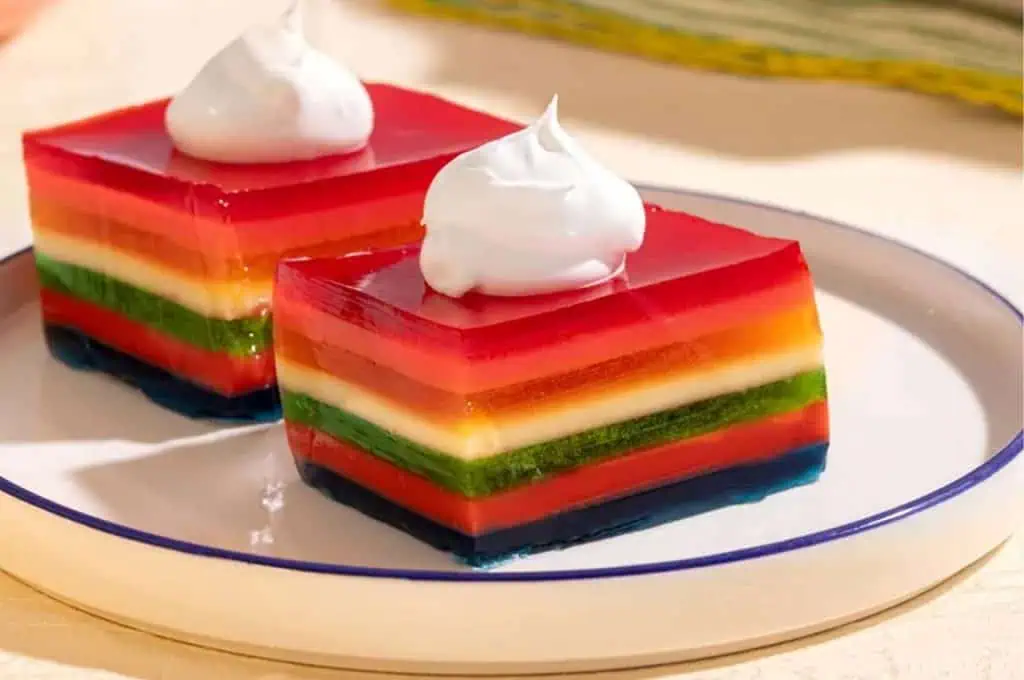
Layered Jell-O salads, often seen at family gatherings, celebrate the use of vivid colors and contrasting textures. This retro dish often combines flavored gelatin with fruits, nuts, and sometimes creamy layers. The process involves allowing each gelatin layer to partially set before adding the next, ensuring clean, distinct layers. The visual and textural play is as significant as the taste, offering a refreshing, slightly sweet balance that pairs uniquely with savory dishes. Though out of vogue, this tradition showcases creativity in presentation.
Get the recipe: Seven-Layer Gelatin Salad
Broth from Scraps and Bones: A Flavor Secret

Using bones and vegetable scraps for broth is a time-honored technique that yields rich, flavorful bases for soups, stews, and sauces. It’s more than just a method to reduce waste; it’s an art of creating depth from simple ingredients. Slowly simmering chicken bones, beef marrow, or fish heads with aromatic vegetables like onions, carrots, and celery extracts natural flavors and nutrients. Adding a touch of vinegar helps release minerals from the bones, enhancing not just taste but also nutritional value. Strain and store the broth for a versatile, homemade touch to countless dishes.
Holiday Pies: Hand-Cut Crusts and Lattice

Crafting holiday pies with hand-cut crusts and lattice work honors a tradition of care and attention to detail in baking. Mixing cold butter or shortening into flour by hand creates a flaky, tender crust that stands out from store-bought alternatives. Rolling the dough to an even thickness ensures uniform baking. The lattice, skillfully woven over filling, adds visual appeal and texture. Each cut and weave reflects a practiced technique passed down through generations, inviting a sense of community and celebration in every crumb.
Generational Family Recipes: Time-Tested Dishes
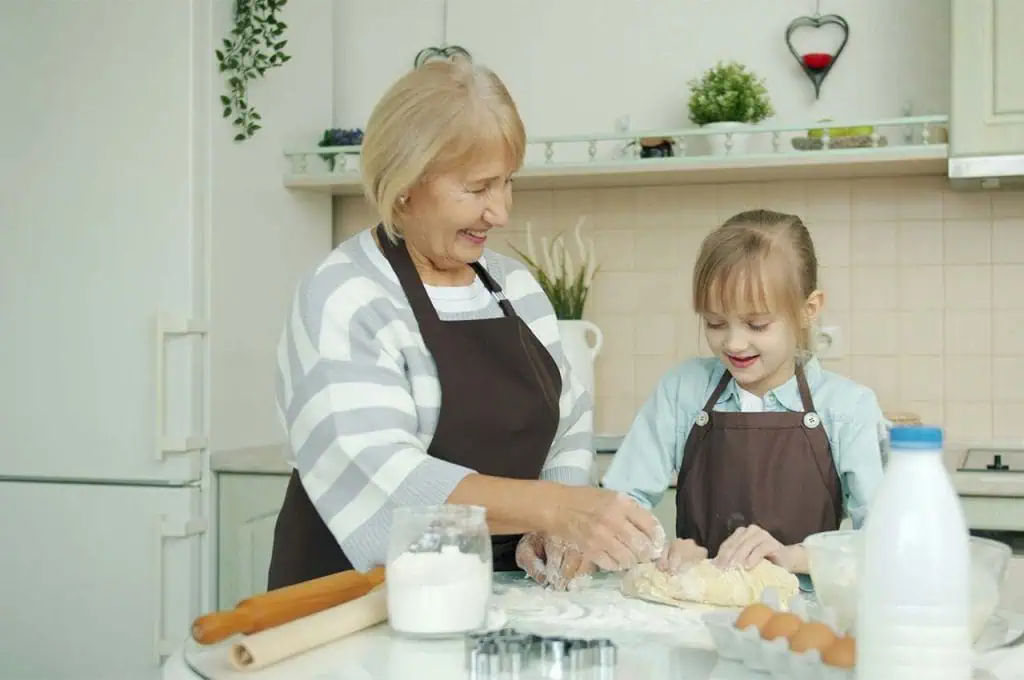
Family recipes carry the essence of tradition and resilience, often perfected over decades or even centuries. These dishes reflect the flavors and techniques of familial heritage, offering a comforting familiarity. Preparing these time-tested favorites requires attention to inherited nuances, perhaps a pinch more of a specific spice or an unconventional mixing order. Such details, widely unavailable in modern cookbooks, weave each meal with stories and connections. Cooking these dishes is not just about following a recipe; it’s about honoring culinary legacies and preserving family history.
The Oven as the Smell-Filled Centerpiece

Traditionally, the oven serves as the heart of the kitchen, providing warmth and exquisite aromas that fill the home. Roasting meats, baking bread, or slow-cooking casseroles make the oven a reliable source of comfort and flavor. This method allows even heat distribution, ensuring food cooks uniformly. The sensory anticipation built during cooking makes each meal an event to savor. For those embracing the pace of newer appliances, the oven remains unmatched in producing layered flavors and aromas that define home cooking traditions.
