
7 Ways Restaurants Are Making Comfort Food Even More Irresistible
Comfort food has always been about nostalgia and warmth, but restaurants today are finding ways to elevate these classics. From creative twists to high-quality ingredients, chefs are making familiar dishes even more indulgent. Customers walk away not just satisfied but also surprised by how something so well-known can feel new. These subtle updates keep comfort food timeless while giving it a fresh energy that appeals to modern diners.
Elevated Ingredients

Restaurants are upgrading traditional recipes with premium ingredients. Mac and cheese, once a simple boxed dish, now features aged cheddar, truffle oil, or lobster. Mashed potatoes get creamier with farm-fresh butter, and burgers are topped with artisanal cheeses. These small but thoughtful improvements transform familiar favorites into indulgent experiences, making comfort food both nostalgic and refined without losing its original heart.
Creative Presentations
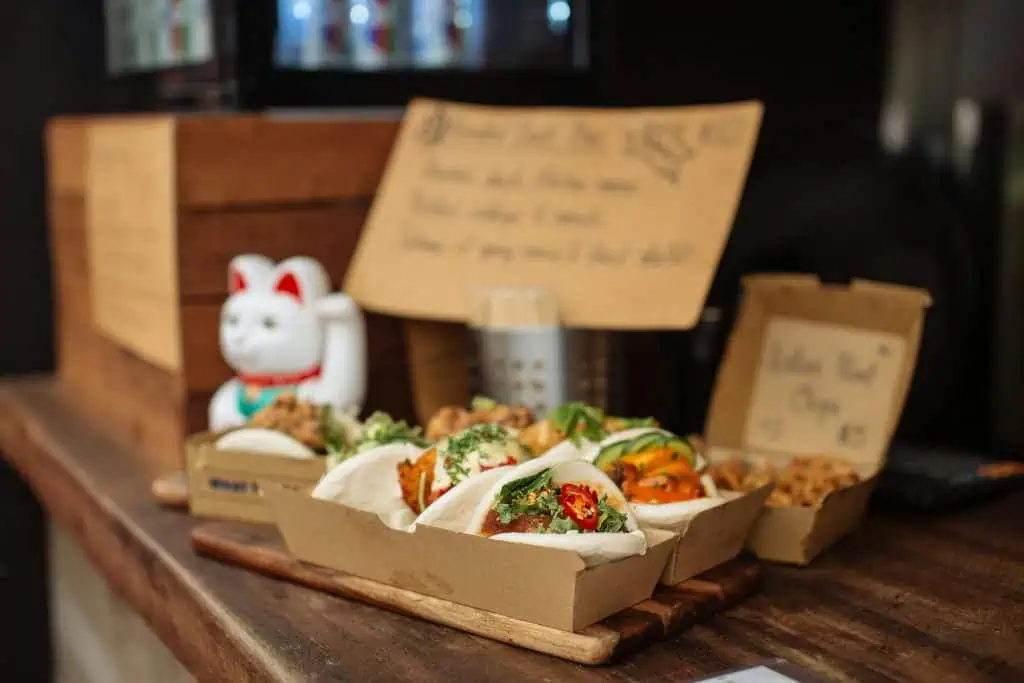
Chefs are reimagining how comfort food is served, making it more visually exciting. A classic chicken pot pie might come in an individual cast-iron skillet with a perfectly golden crust, or mashed potatoes could be piped elegantly alongside short ribs. The flavors remain familiar, but the presentation feels elevated, turning a simple dish into something worthy of a special night out while still retaining the cozy charm of home cooking.
Global Flavors

Comfort food is evolving with international influences. Traditional dishes are being infused with spices, sauces, and cooking techniques from around the world. A grilled cheese might include kimchi, or fried chicken could come with a spicy gochujang glaze. These additions expand the flavor palette while keeping the essence of comfort intact, making old favorites feel exciting again while appealing to adventurous modern eaters.
Healthier Twists

Restaurants are finding ways to make comfort food lighter without sacrificing taste. Substituting cauliflower for mashed potatoes or offering baked versions of fried dishes allows customers to enjoy indulgent flavors with less guilt. Whole grains, plant-based proteins, and seasonal vegetables are being woven into traditional recipes. These healthier touches bring balance, making comfort foods more accessible to those who want both flavor and wellness.
Sharing Portions

Many restaurants now serve comfort food in shareable portions, encouraging group dining. Large skillets of macaroni, platters of sliders, or big bowls of pasta create a sense of community and fun. Sharing not only reduces overeating but also enhances the social experience, turning meals into moments of connection. This approach makes comfort food even more irresistible by tying it to togetherness and celebration.
Seasonal Variations

Chefs are embracing seasonal ingredients to keep comfort food fresh and relevant. A fall version of shepherd’s pie might include butternut squash, while summer mac and cheese could feature heirloom tomatoes. Seasonal touches make familiar dishes feel new and exciting, while also showcasing freshness and creativity. Customers appreciate that their favorites evolve with the seasons, offering comfort that never grows repetitive.
Nostalgic Reinventions
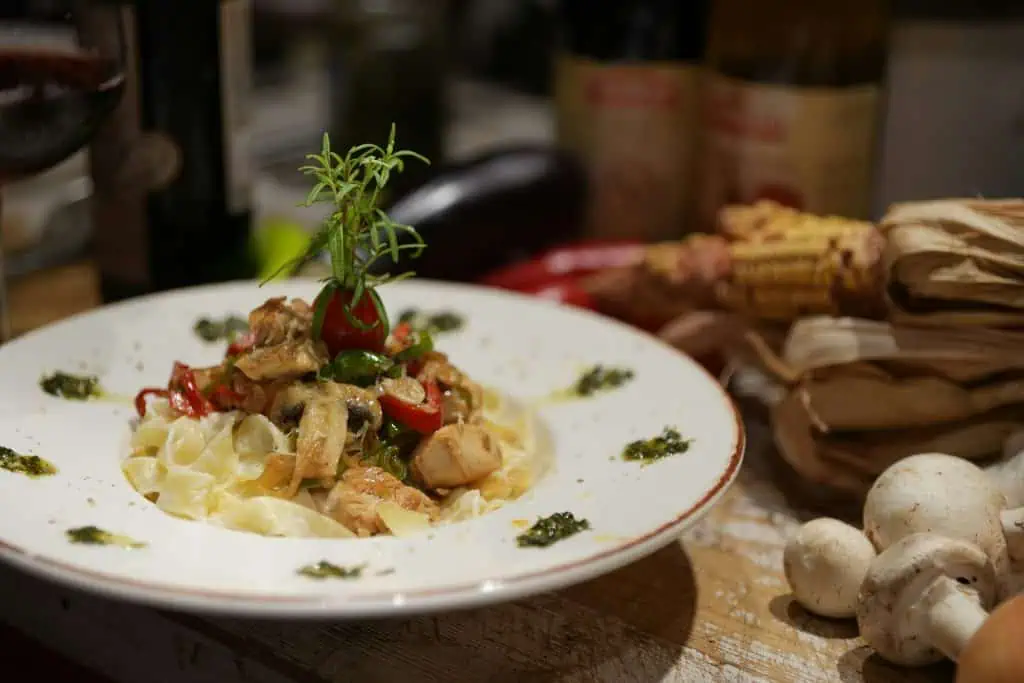
Restaurants are leaning into nostalgia by reinventing childhood favorites with a gourmet touch. Think of milk and cookies served with artisanal ice cream, or tater tots made with sweet potatoes and gourmet toppings. These playful updates make diners feel like kids again, while the refined flavors appeal to adult palates. It’s a winning combination that deepens the emotional pull of comfort food while offering something novel.
