
7 Foods Experts Say You Should Never Reheat in the Microwave
Reheating leftovers in the microwave offers convenience, yet not all foods are microwave-friendly. Understanding which items to avoid can prevent kitchen mishaps and maintain food safety and quality. Here are seven foods experts caution against reheating using this method, each with its own set of reasons that highlight the importance of proper reheating techniques.
Exploding Eggs: A Kitchen Hazard
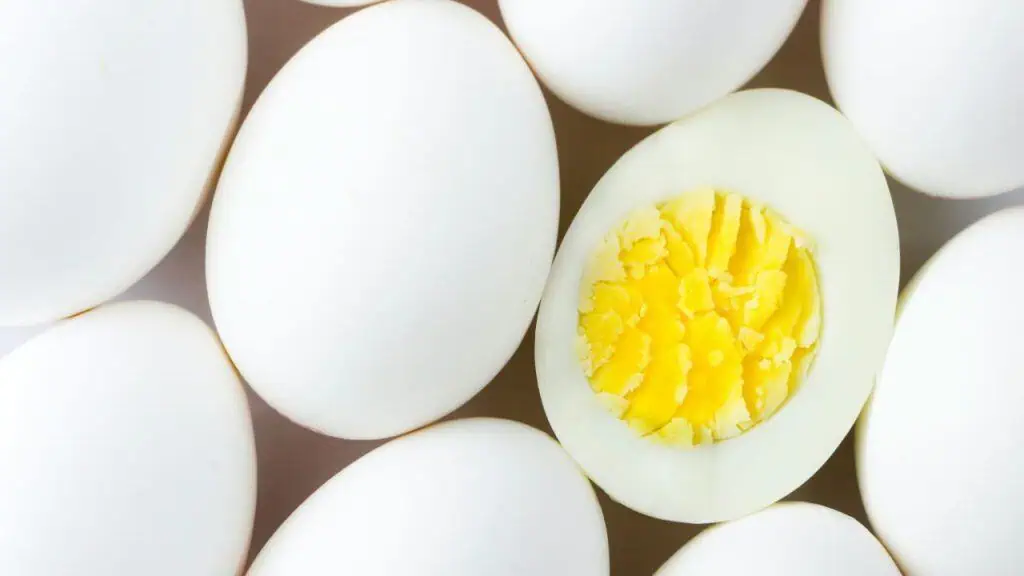
Hard-boiled eggs can become a hazard when reheated in a microwave. The rapid heat causes steam to build up beneath the shell, potentially resulting in an explosive mess. To safely enjoy leftover eggs, remove the shell after boiling and cut them into pieces before reheating, ensuring even warmth and avoiding sudden pressure buildup. Consider reheating using gentler methods like a stovetop to retain texture without risk.
Chicken: Avoid Uneven Heating
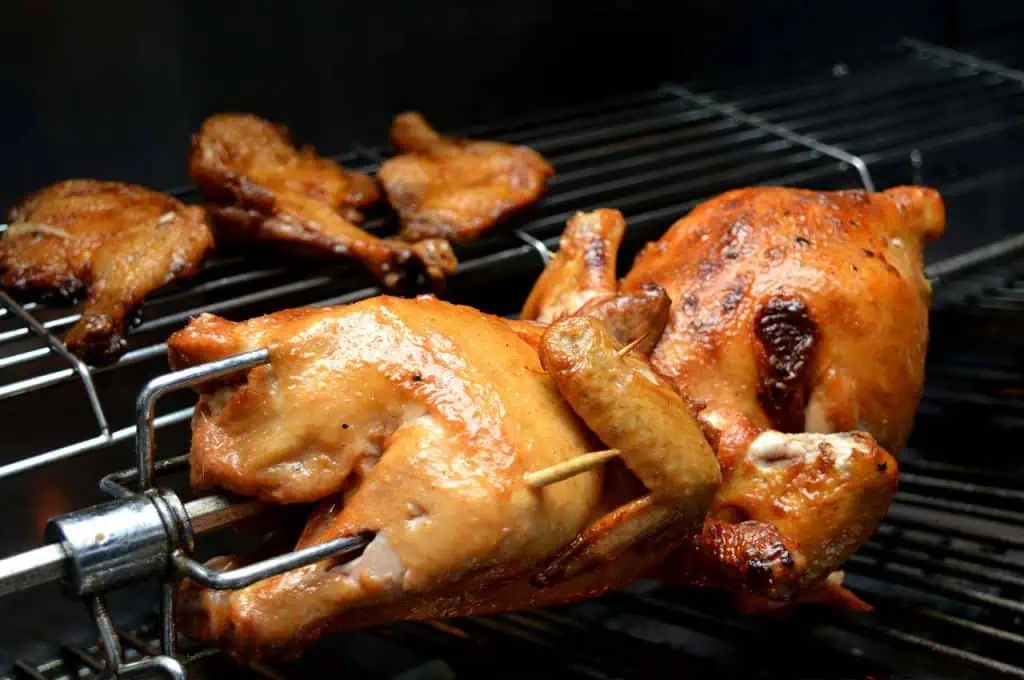
Microwaving chicken can lead to uneven heating, creating cold spots where harmful bacteria might thrive. This risk is particularly high with bone-in pieces. For safer results, cut chicken into smaller, even pieces to spread the heat evenly. Alternatively, reheat using an oven or stovetop, allowing the chicken to reach an internal temperature of at least 165°F, ensuring it remains juicy and safe to consume.
Rice: Beware of Bacterial Growth

Improper reheating of rice in the microwave can lead to bacterial growth, particularly Bacillus cereus. To reduce risks, always cool and store leftover rice quickly, then reheat thoroughly, ensuring it steams all the way through. Consider adding a splash of water and covering the container to trap steam, helping the rice reheat more evenly and maintaining its moisture.
Leafy Greens: Nitrate Dangers
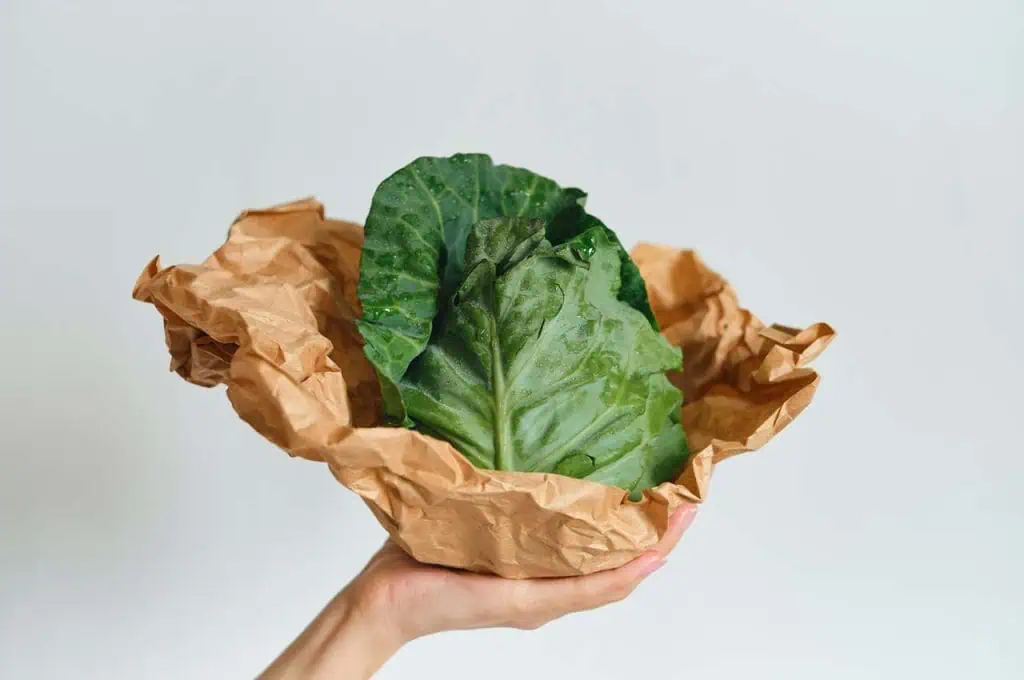
Leafy greens like spinach and kale contain nitrates, which can convert to harmful compounds when reheated. When exposed to microwave heat, this risk becomes more pronounced. Steaming or sautéing can be safer reheating methods, preserving the vegetables’ nutrients and vibrant color without compromising safety. Use freshly cooked greens as often as possible, or consume any reheated portions promptly to ensure both taste and health are maintained.
Potatoes: A Bacteria Breeding Ground

Potatoes are a staple in many kitchens but should be treated with care after cooking. When stored at room temperature, they can become a breeding ground for Clostridium botulinum, especially if wrapped in foil. Reheating in the microwave doesn’t reach the high temperatures needed to kill these bacteria, posing a health risk. Consider reheating potatoes in the oven or on the stovetop instead, which not only ensures safety but also enhances texture, leaving them crispy or creamy as desired.
Fish: Say Goodbye to Flavor

Reheating fish in the microwave often results in dry, rubbery fillets that lose their delicate flavor and texture. The uneven heat can overcook thin parts while leaving thicker sections cool, compromising the integrity of the dish. To maintain the fish’s flavor and moistness, gently reheat it in a preheated oven or a warm skillet. Adding a splash of sauce or olive oil can help restore the original juiciness, preserving the enjoyable, nuanced taste of your seafood.
Bread: A Chewy, Tough Mistake

Microwaving bread can lead to a rubbery, chewy texture as the quick, high heat causes moisture loss and staleness. For better results, reheat bread in an oven or toaster to regain its crisp, fresh-out-of-the-oven feel. A few minutes at a moderate temperature will refresh the crust and warm the interior without sapping moisture. A light spritz of water on the surface beforehand can also mimic the steam effect of an oven, providing a bakery-like warmth and softness.
