
7 foods Americans microwave that the rest of the world strictly pan-fries
Microwaves offer convenience in busy kitchens, but some foods truly shine with traditional cooking methods. While many Americans rely on microwaving for speed, certain dishes benefit from the textures and flavors that a frying pan affords. Let’s explore how pan-frying can elevate the taste and texture of foods like bacon, French fries, breakfast sausages, and leftover pizza, providing a more satisfying culinary experience.
Crisp or Zap? The Bacon Debate
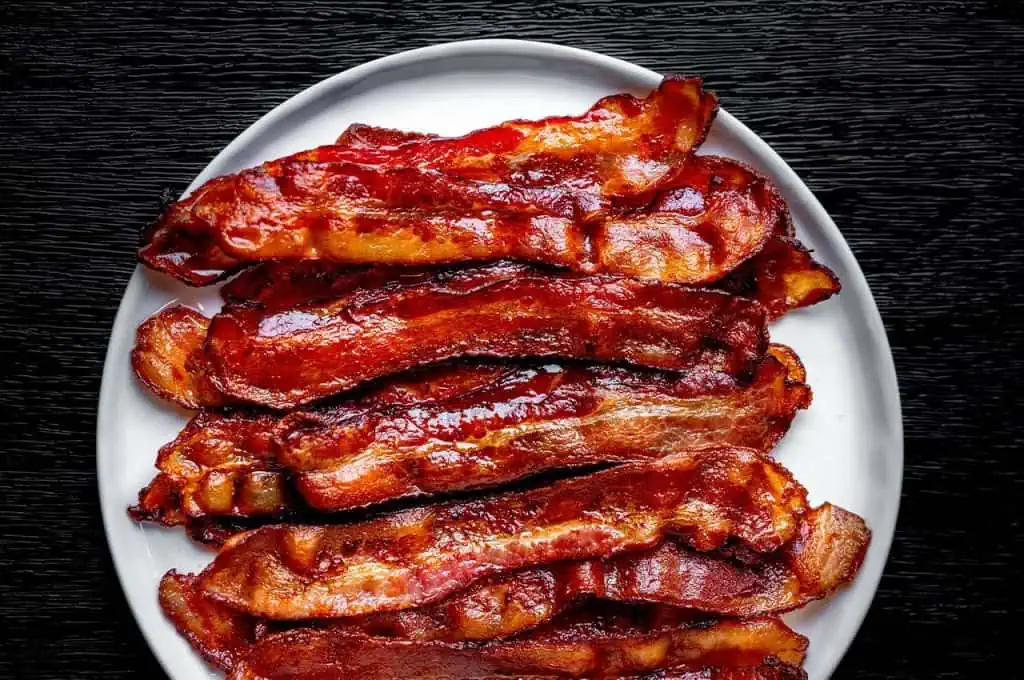
Bacon takes on a distinctive character when pan-fried versus microwaved. Frying bacon yields a crispy texture and beautifully rendered fat, enhancing both flavor and mouthfeel. Using medium heat, cook bacon until it’s golden, allowing the fat to melt slowly and uniformly. This technique also infuses the kitchen with enticing aromas, something microwaving in a covered dish misses. Mastering pan-fried bacon involves patience and attention, rewarding you with uniform crispness and a robust taste.
Frozen French Fries: Quick Fix vs. Flavor

Microwaving frozen fries may offer speed, but they often emerge soggy and unevenly heated. Pan-frying, in contrast, brings out their full potential. Heat a few tablespoons of oil in a skillet, preheating until gently shimmering. Add the fries in a single layer to maximize crispiness, turning occasionally until golden brown. This method achieves an ideal balance of crispy exteriors and fluffy interiors, vital for a satisfying bite. The added effort ensures fries are more than just an afterthought.
Breakfast Sausages: Speed vs. Sizzle
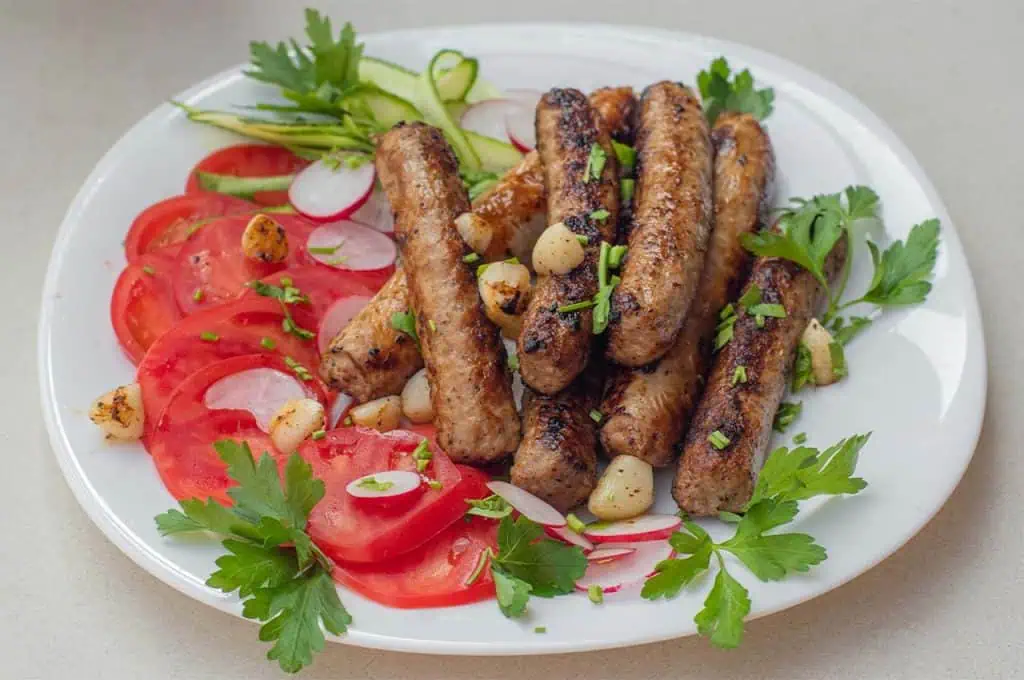
Breakfast sausages benefit greatly from the pan’s even heat, developing a caramelized crust that microwaving can’t replicate. Begin by searing the sausages over medium heat, allowing them to release their natural oils. This not only enhances their flavor but also creates a pleasing visual appeal. Turn frequently to ensure even cooking, monitoring for a consistent sizzle and a rich, browned exterior. The result is a juicy, flavorful sausage with a texture and depth that microwave cooking often lacks.
Leftover Pizza: Freshly Pan-Fried

Refreshing leftover pizza by pan-frying avoids the chewy texture microwaving can cause. Heat a non-stick pan over medium until hot, placing the slice crust-side down. Press gently to ensure good contact, heating until the crust is crisp and cheese has melted. This method revives the original texture and flavor, offering a result much closer to freshly baked. Taking an extra step to pan-fry not only boosts texture but reinvigorates toppings, making leftovers feel like new.
Vegetables: Steamed or Stir-Fried?

In many American kitchens, microwaving vegetables has become a time-saving convenience. Yet, achieving a more vibrant taste and texture can often be found through stir-frying. This method enhances the natural sugars within vegetables, creating a slight caramelization that adds depth. Opt for a hot pan with oil, tossing vegetables like bell peppers or broccoli to coat them evenly. The key is balance: retaining their crispness while enhancing their flavor. Unlike the one-dimensional texture from steaming or microwaving, stir-frying promotes a dynamic interplay of soft and crunchy.
Eggs: Microwave Muffins vs. Omelets
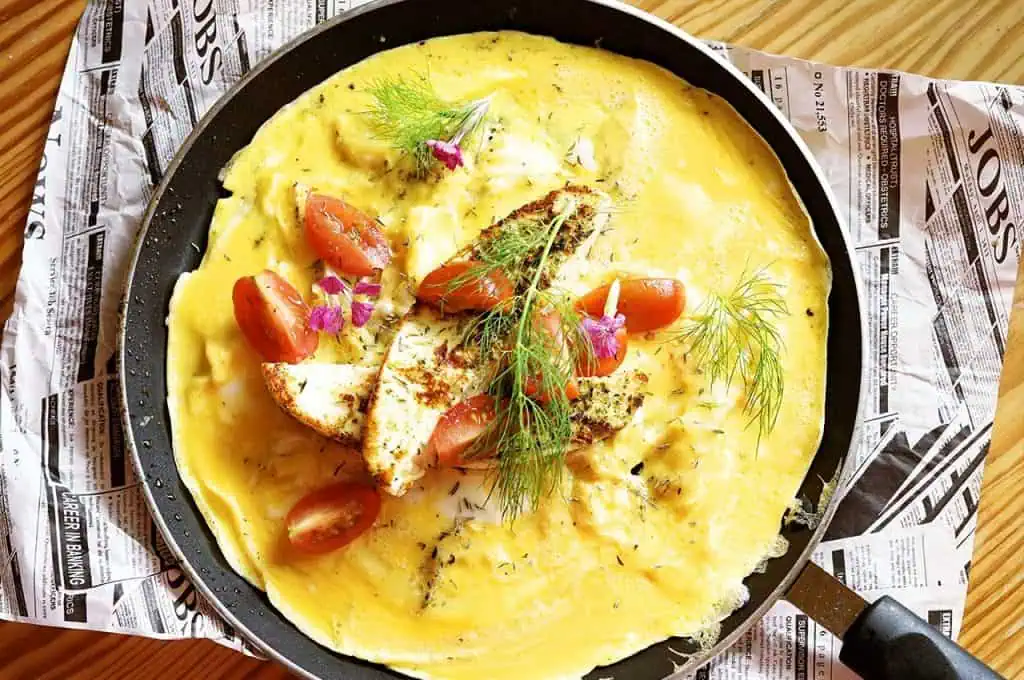
While the lure of speed in microwave egg muffins is undeniable, crafting a stovetop omelet offers a culinary reward in texture and consistency. Whisk eggs thoroughly to incorporate air, producing a light, fluffy outcome. Heat a non-stick pan over medium heat, adding a knob of butter for richness. Pour in the eggs, tilting the pan to distribute evenly. With gentle movements, stir occasionally to form soft curds, then let the omelet gently set before folding. Each bite combines tender layers with a perfectly cooked exterior, avoiding the rubbery density microwaves often impart.
Grilled Cheese: Gooey vs. Golden

Microwaving a grilled cheese sandwich might melt the interior, yet it misses the nuanced pleasures of a pan-fried classic. Start with quality bread and cheese, selecting varieties that complement one another, such as cheddar and sourdough. Butter the outside of the bread generously. Place the sandwich in a preheated skillet, permitting the cheese to gradually melt as the bread acquires a golden, crispy crust. Cooking low and slow prevents burning while ensuring a gooey center. This method contrasts the one-note texture of a microwave, delivering a satisfying crunch with each delightful bite.
