
7 Cities with Food Scenes So Good, They’ll Ruin Every Other City For You
Discovering a city through its food offers an unparalleled sensory experience. Each locale brings unique ingredients, flavors, and techniques that redefine your culinary perspective. This journey through seven cities reveals the diversity and depth of food cultures worldwide, igniting inspiration and sharpening your skills in the kitchen.
Tokyo: The Art of Culinary Precision

In Tokyo, precision is paramount. From the sushi chef’s masterful knife skills slicing fish to the meticulous preparation of ramen broth, every detail is honed to perfection. Key techniques include mastering the precise cut for sashimi and understanding the balance of umami in dashi.
Attention to texture, such as the al dente bite of soba or the silky smoothness of tofu, exemplifies the country’s dedication to technique. Exploring local markets reveals pristine produce and seafood, encouraging respect for ingredient quality and seasonality.
Mexico City: A Street Food Paradise
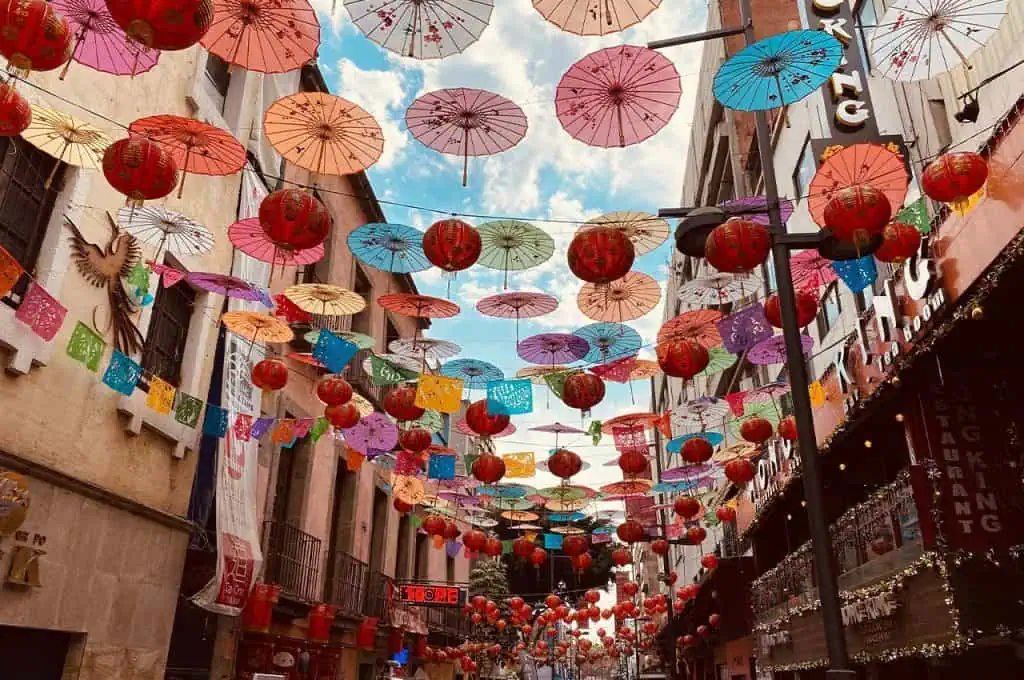
Mexico City’s vibrant street food scene offers an explosion of flavors. Stalls brim with tacos al pastor, where marinades of achiote and citrus transform pork into a tender, flavorful delight. Techniques like nixtamalization, used for making masa, highlight the deep heritage of corn in Mexican cuisine.
Exploring the markets introduces you to fresh herbs like epazote and vibrant salsas, essential for achieving authenticity at home. The experience emphasizes bold flavors, lively textures, and accessibility.
Bangkok: The Symphony of Spices
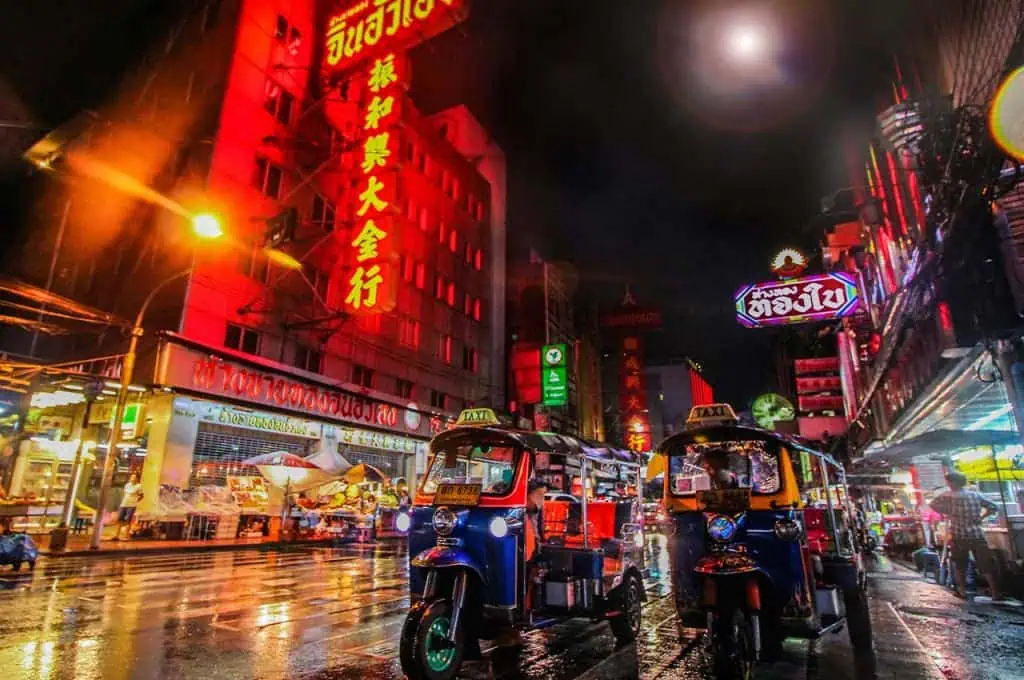
Bangkok offers a harmonious blend of spices, transforming street and royal cuisines into flavorful experiences. Mastering Thai curry starts with creating a fragrant paste from lemongrass, galangal, and kaffir lime leaves, balanced by the creaminess of coconut milk.
Street dishes like pad Thai require balance in sweet, sour, and spicy elements, ensuring every bite is complex and satisfying. Ingredients such as fish sauce, tamarind, and palm sugar play vital roles in authentic flavor development.
Barcelona: Where Tradition Meets Innovation
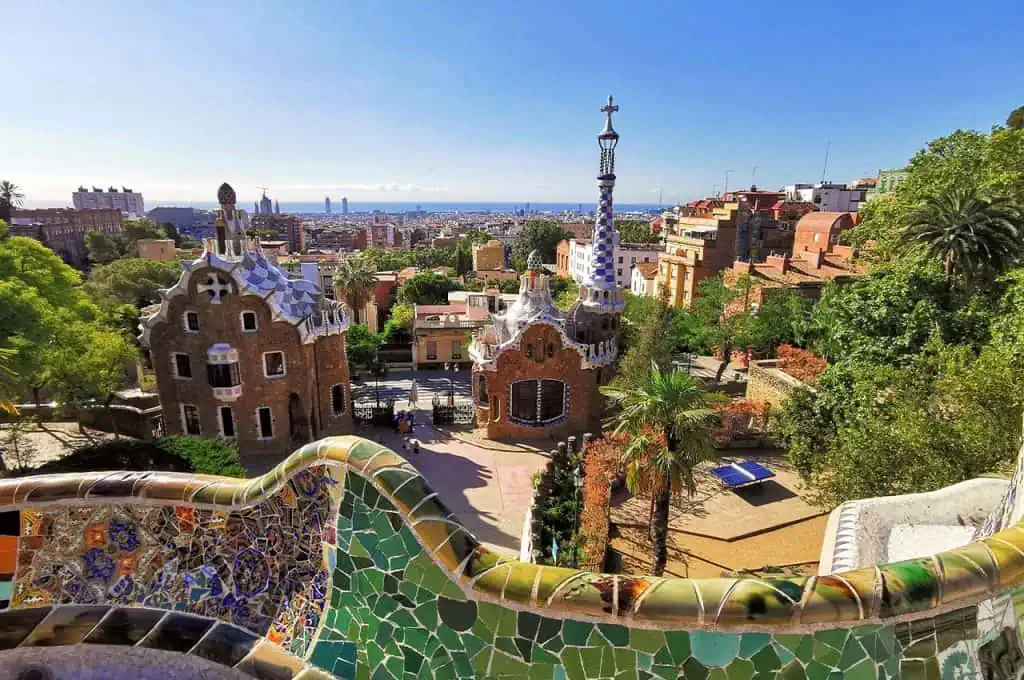
Barcelona showcases a dynamic culinary fusion where traditional Catalan cuisine meets avant-garde innovation. Classic dishes like paella and escalivada celebrate local produce and seafood. Techniques such as slow roasting and proper sofrito development bring depth and complexity.
Meanwhile, the influence of modernism from chefs like Ferran Adrià encourages playful twists and molecular gastronomy. Understanding both ends of this spectrum empowers home cooks to merge traditional flavors with new culinary concepts.
New Orleans: The Soul of Southern Flavors
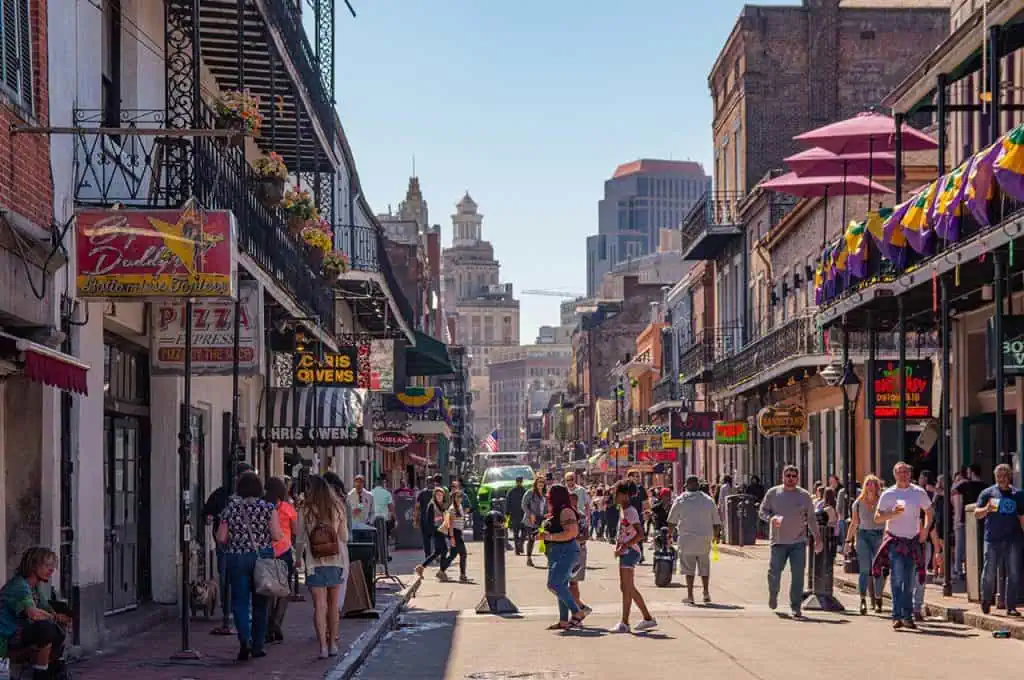
New Orleans is synonymous with the rich, soulful flavors of the South. The city’s culinary tapestry is woven with dishes like gumbo and jambalaya, which reflect its vibrant cultural heritage. A critical technique here is the creation of a deep, flavorful roux, slowly cooking flour and fat until it reaches a nutty brown. This base enriches many local specialties.
Emphasize fresh, local ingredients, like seafood from the Gulf, and spices such as cayenne and paprika. The blend of French, African, and Creole influences creates complex, layered flavors that transform simple ingredients into distinctive dishes.
Istanbul: A Crossroad of Culinary Cultures
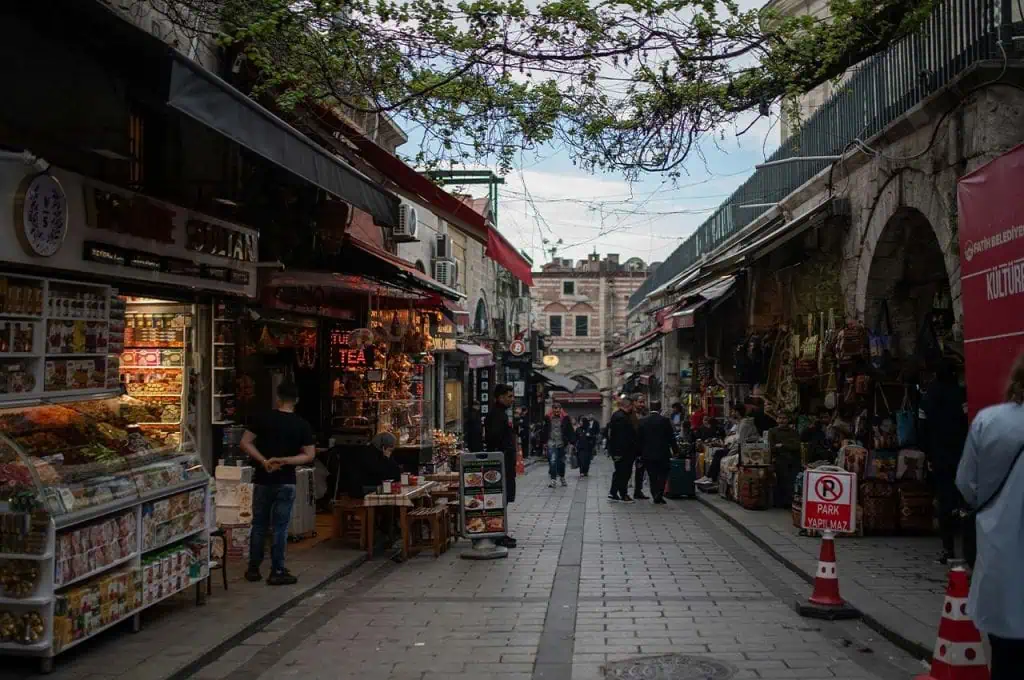
Istanbul’s cuisine is a vibrant fusion of East and West. A market visit reveals an abundance of spices, nuts, and fresh produce, key to its rich dishes. Mastering Istanbul’s culinary art involves perfecting traditional techniques like grilling meats on skewers, and crafting delicate pastries like baklava with precise layers and syrup balance.
The use of sumac, yogurt, and pomegranate molasses adds complexity and depth. Dishes often emphasize balance, such as combining buttery phyllo with rich, nutty fillings. Each bite tells a story of history and cultural exchange, offering a unique gastronomic adventure.
Lima: The Heart of Fusion Cuisine

Lima stands at the forefront of fusion cuisine, blending indigenous, Spanish, African, and Asian influences into its culinary identity. The city is famed for ceviche, where fresh seafood is marinated in tangy lime juice, spiced with aji peppers. The focus here is on quality ingredients, sourcing ultra-fresh fish and bright, aromatic limes.
Peruvian dishes often involve mingling unexpected flavors, such as combining sweet corn, earthy potatoes, and chili heat. Mastery in this kitchen requires precision, particularly in balancing bold sauces and creating harmonious textures that highlight both native and international influences.
