
6 Foods That Kept Families Going During the Great Depression
The 1929 stock market crash triggered a seismic shift in American domestic life, turning the kitchen into a front line for survival. As the Great Depression took hold, the luxury of choice evaporated, replaced by the grim necessity of efficiency. Grocery shopping became a strategic exercise in stretching pennies, where every calorie was accounted for and nothing was allowed to go to waste.
This era gave birth to a specific style of “desperation cooking,” characterized by ingenuity and the heavy use of low-cost fillers. While these meals lacked the variety of the Roaring Twenties, they fostered a resilient culinary culture centered on communal eating and the creative repurposing of scraps. Understanding these staples provides a window into how families maintained a sense of dignity and nourishment during one of the most challenging economic periods in history.
Beans and Legumes

Beans and legumes became the nutritional backbone of the domestic kitchen because they were exceptionally cheap, incredibly filling, and naturally shelf-stable. Dried pinto beans, navy beans, and lentils were culinary workhorses that could be cooked in massive batches and creatively stretched across several different meals throughout the week.
When combined with humble scraps of pork fat, a few cloves of garlic, or basic bits of onion, they transformed into hearty stews that delivered essential protein without the need to rely on costly or scarce cuts of meat. For many struggling households, a pot of beans was far less of a side dish and much more of a daily survival necessity that kept hunger at bay during the leanest of times.
Cornbread
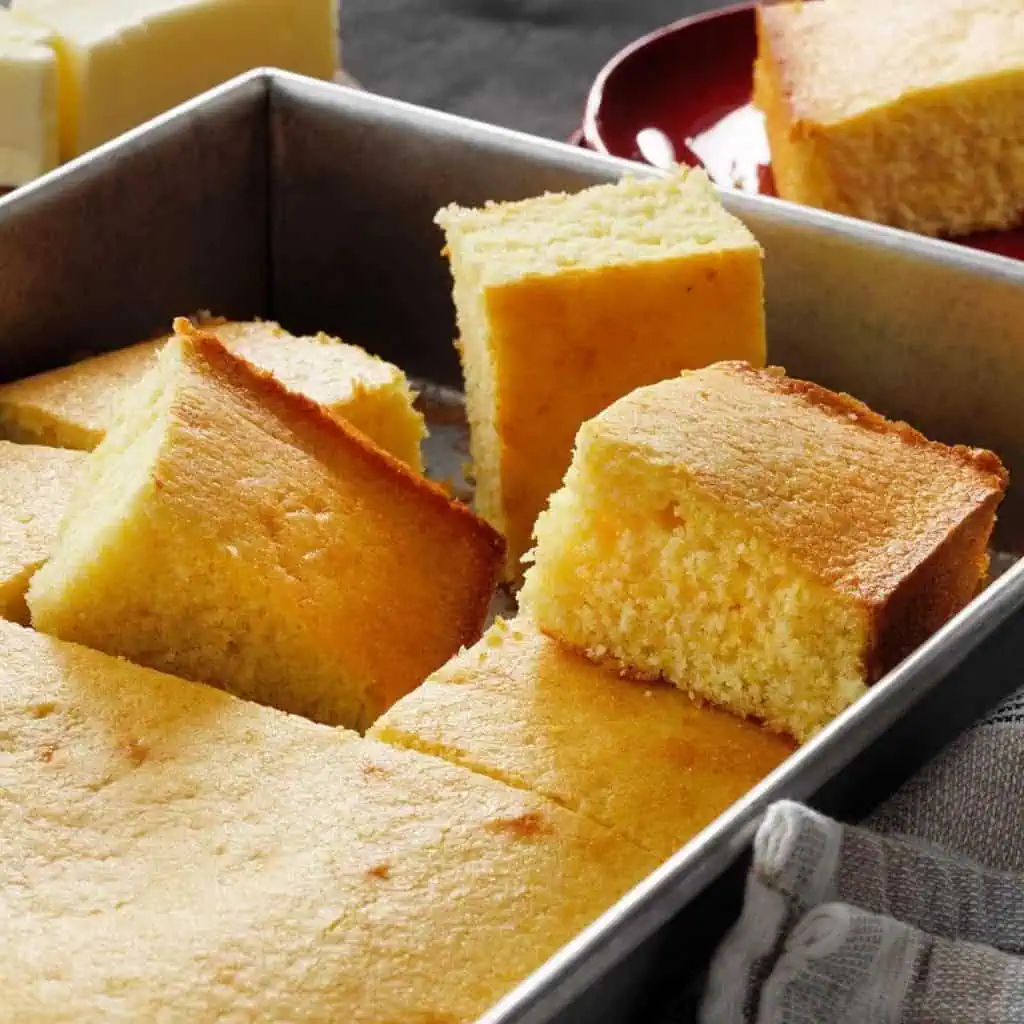
Cornmeal was famously affordable and widely available across many regions, cementing cornbread’s status as a definitive pantry staple. The beauty of the recipe lay in its minimalist requirements, often calling for nothing more than cornmeal, water or milk, and perhaps a small amount of rendered fat or lard.
Families could quickly bake dense, golden rounds in heavy cast-iron skillets to be served alongside bowls of beans, bitter greens, or thin soups. Cornbread served a vital functional purpose by filling stomachs quickly and pairing perfectly with whatever meager ingredients happened to be on hand. It was the reliable, crumbly anchor of the dinner table that turned a light snack into a truly substantial and satisfying meal.
Potatoes
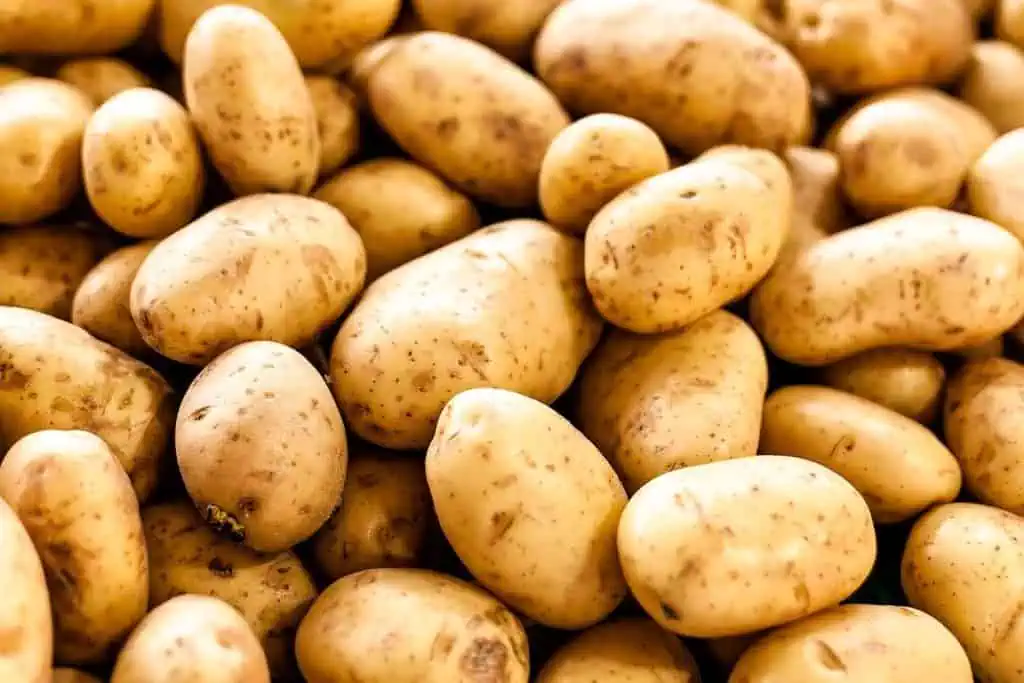
Potatoes were prized for being remarkably reliable, versatile, and relatively inexpensive even when other food prices spiked. These earthy tubers could be boiled, mashed, fried, or diced into watery soups to provide a sense of bulk and comfort. A single heavy sack of potatoes went a surprisingly long way, especially when paired with other durable garden vegetables like pungent onions or crunchy cabbage.
For families facing financial hardship, the potato often anchored almost every meal of the day when meat was either too expensive or completely unavailable. Their high caloric density and long-lasting shelf life made them an indispensable insurance policy against hunger in many traditional and historical households.
Cabbage
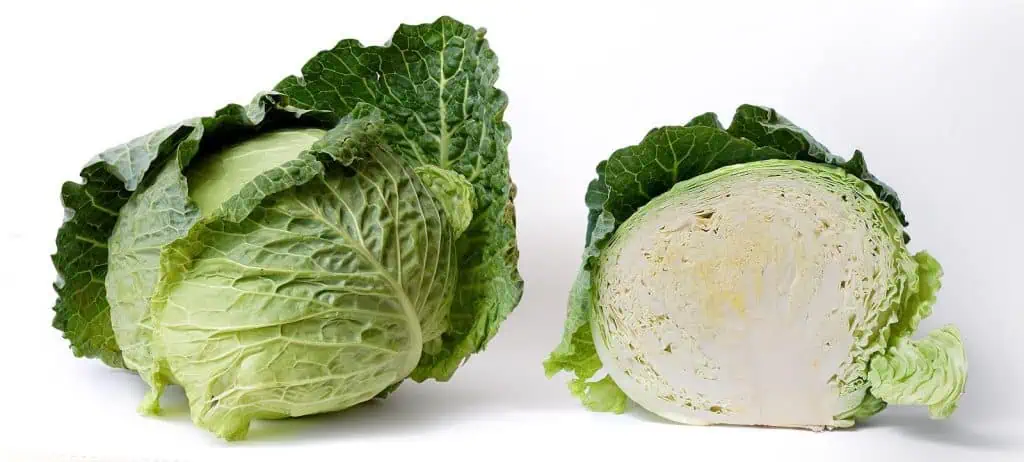
Cabbage earned its permanent place in the kitchen rotation because it was consistently inexpensive and stored exceptionally well in root cellars. It possessed a unique ability to be shredded into thin ribbons for soups, sautéed with small amounts of salt and fat, or fermented into tangy sauerkraut for long-term preservation during the winter months.
Its primary value during lean times was its remarkable ability to stretch more expensive dishes, adding significant physical bulk to a meal without adding much to the overall cost. Whether eaten raw, boiled, or preserved, cabbage provided essential nutrients and a satisfying crunch that made even the simplest of peasant dishes feel more substantial and well-rounded.
Bread and Homemade Loaves
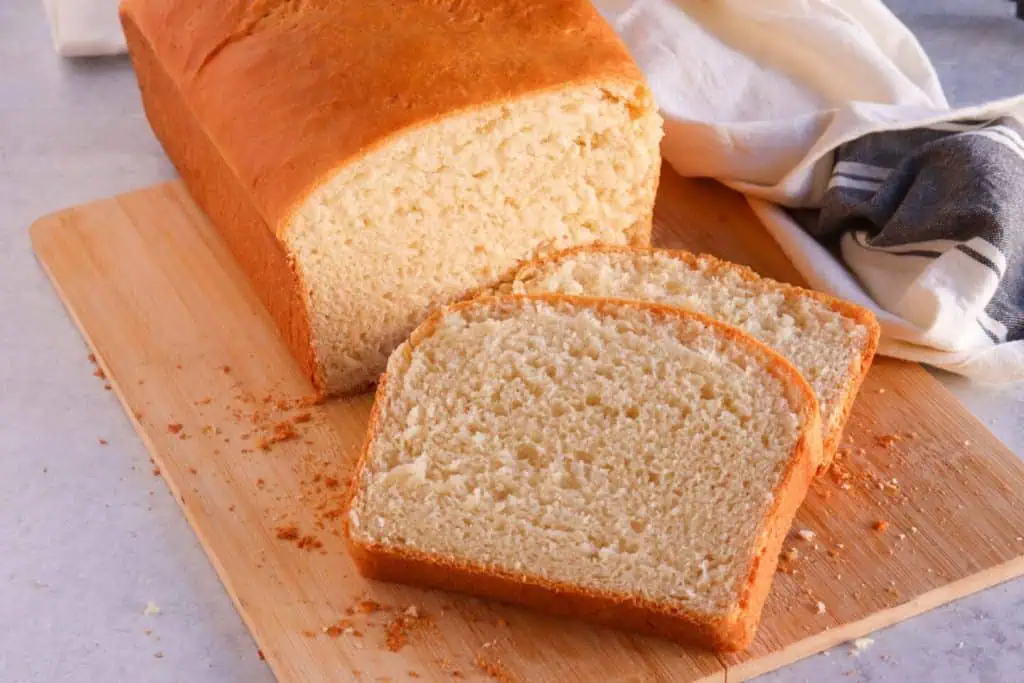
In an era where store-bought bread wasn’t always affordable or accessible, many families relied on the daily ritual of baking their own homemade loaves. Basic flour, yeast, and water formed the foundation of these bakes, creating a versatile food that could serve as the primary component for breakfast, lunch, and dinner.
Beyond being a standalone food, bread served as a crucial tool for stretching thin soups and watery stews, turning small portions of liquid into much more satisfying and dense meals. The aroma of a fresh loaf in the oven provided a sense of warmth and security, proving that even with the most basic ingredients, a household could produce enough sustenance to keep everyone fed.
Oatmeal
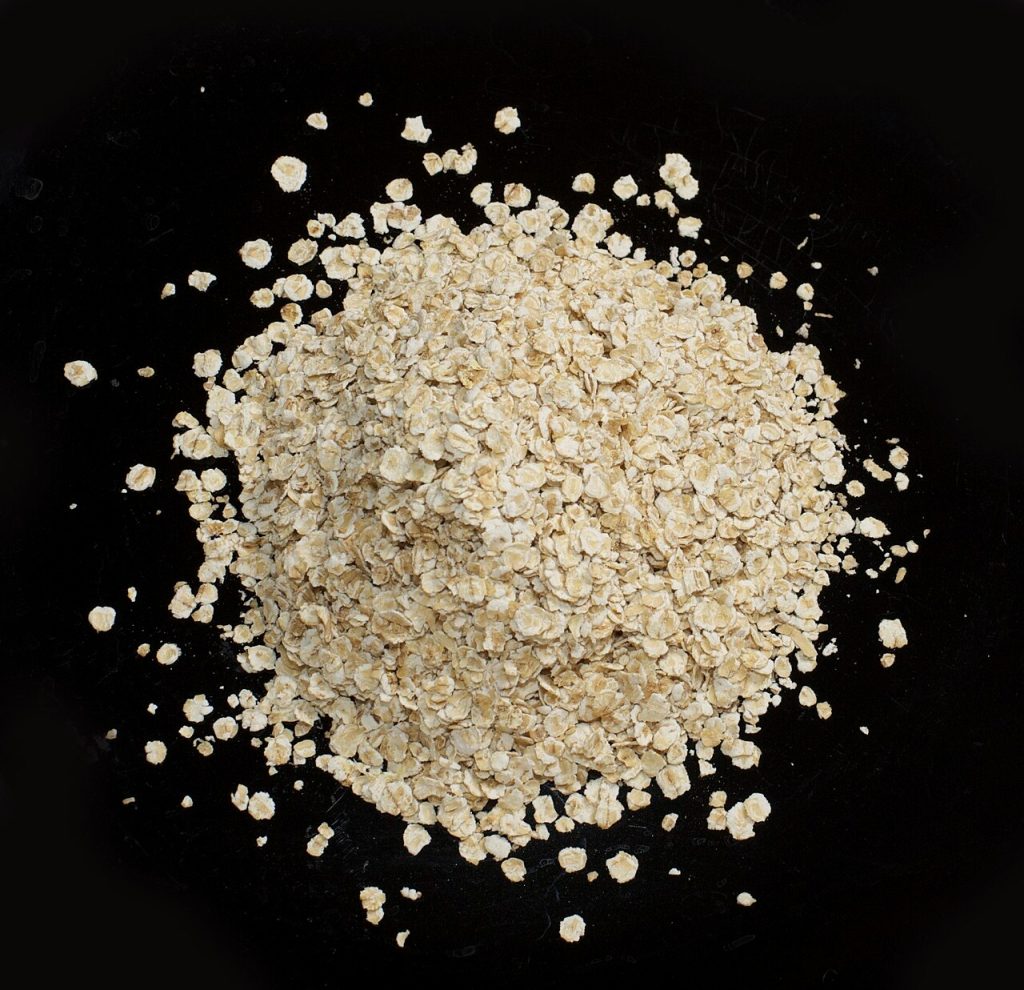
Oats were valued for being both incredibly inexpensive and highly filling, making oatmeal the most common breakfast option for those on a tight budget. When cooked slowly with water or milk and occasionally sweetened with a modest spoonful of sugar or dark molasses, it provided the steady, long-lasting energy needed to start a long day of work.
The versatility of oats didn’t end at the breakfast bowl; leftovers could easily be repurposed into rustic baked goods or chilled, sliced, and pan-fried into savory cakes for later in the day. This lack of waste made oatmeal a favorite for thrifty cooks who needed every cent of their grocery budget to work as hard as possible to sustain the entire family.
