
14 Exotic Foods From Around the Globe Worth Trying
Some dishes cannot be understood from a menu alone. They carry the weight of generations, the ingenuity of survival, and the boldness of cultures unafraid to ferment, cure, or bury their food before calling it dinner. Exotic cuisine is not about shock value. It is about stepping into someone else’s kitchen and learning why they cook the way they do.
These dishes from around the world invite you to expand your palate and your perspective. Icelandic shark buried in gravel. Filipino duck eggs boiled in the shell. Kenyan cornmeal that doubles as a utensil. Each one teaches a lesson about patience, technique, and respect for ingredients. Whether you are a seasoned explorer or simply curious about what lies beyond your comfort zone, there is something here to surprise and delight. Let’s take a journey through flavors that tell the story of a place and its people.
Venture Into Iceland with Hákarl

Hákarl is a traditional Icelandic dish made from fermented shark meat. This delicacy requires careful preparation to ensure safety and quality. Initially, the Greenland shark must be gutted and cleaned, then buried beneath gravel and stones to ferment for several weeks. This process effectively removes toxins while imparting a pungent aroma and a unique, tangy flavor. When ready, the meat is hung to dry, allowing the flavors to mature. Slice thinly and serve in small portions to appreciate its bold taste. Pair with a robust spirit like Brennivín to complement its intensity.
Savour Greek Kokoretsi
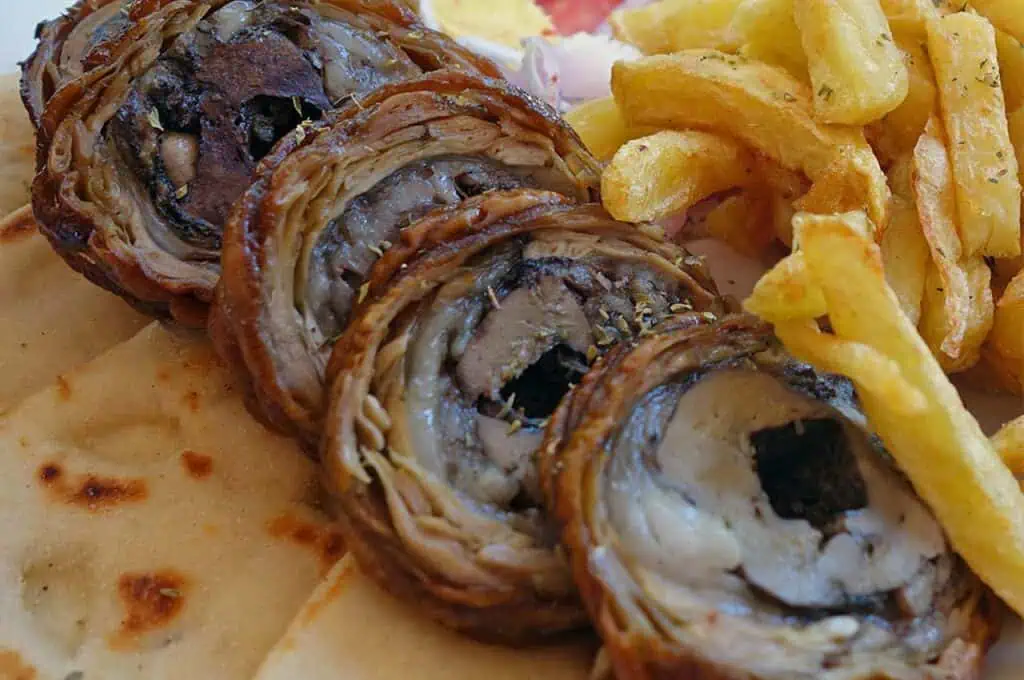
Kokoretsi is a celebrated Greek dish that showcases skillful grilling and rich flavors. Lamb intestines are tightly wrapped around seasoned offal, including liver, heart, and lungs, which are marinated in olive oil, lemon juice, garlic, and a symphony of Mediterranean herbs. This layering of innards and seasoning requires meticulous attention to balance flavors. Grilled slowly over charcoal, kokoretsi becomes crispy on the outside while remaining tender inside. The result is a savory, aromatic treat, often enjoyed during festive occasions and best served hot from the spit.
Dive into Canada’s Poutine

Poutine is a comforting Canadian dish known for its elemental combination of crispy fries, cheese curds, and rich gravy. Key to its success is achieving the perfect texture for each component. Opt for fresh, squeaky cheese curds, which melt slightly under the warmth of the gravy without losing their distinct texture. The fries should be golden and crispy, offering a sturdy base. Homemade beef or chicken gravy should be seasoned with black pepper and a hint of nutmeg, poured generously over the fries and curds. The contrast of textures and flavors is the essence of this iconic dish.
Explore the Bold Filipino Balut

Balut, a popular Filipino street food, consists of fertilized duck egg, boiled and eaten with salt and vinegar. The key to enjoying balut is its preparation and freshness. The eggs should be boiled just long enough for the yolk to set while maintaining the broth-like liquid inside. Served warm, it’s consumed directly from the shell. The broth is sipped first, rich and savory, followed by the creamy yolk and tender duck embryo. Each ingredient complements the others, providing a complex, satisfying experience that combines earthy, savory notes with a subtle, gamey flavor.
Savor Spanish Morro a la Gallega
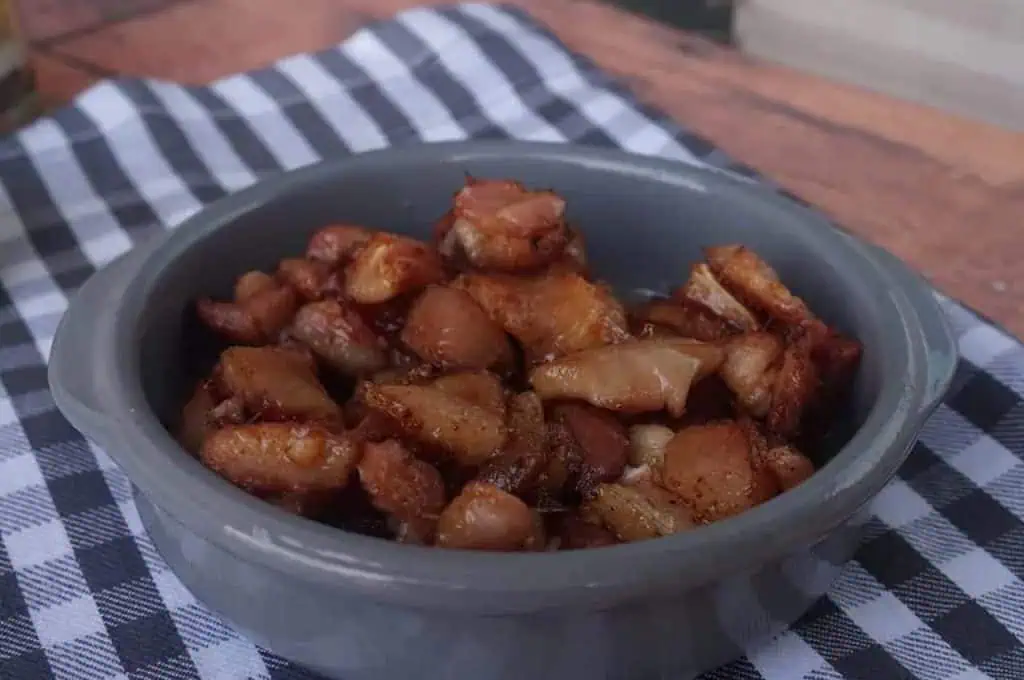
Morro a la Gallega is a culinary gem from Galicia, utilizing pork snout as its star ingredient. This dish celebrates simplicity and tradition, where the pork is slow-cooked to achieve a tender texture. Begin by thoroughly cleaning the snout, removing any bristle for a smooth finish. Season generously with salt, garlic, and paprika to enhance the natural flavors. Simmer it with onions, bay leaves, and a splash of white wine until it reaches a melt-in-the-mouth consistency. Serve it warm with boiled potatoes, capturing the essence of rustic Spanish cuisine.
Get the recipe: Morro a la Gallega
Discover Chinese Century Egg
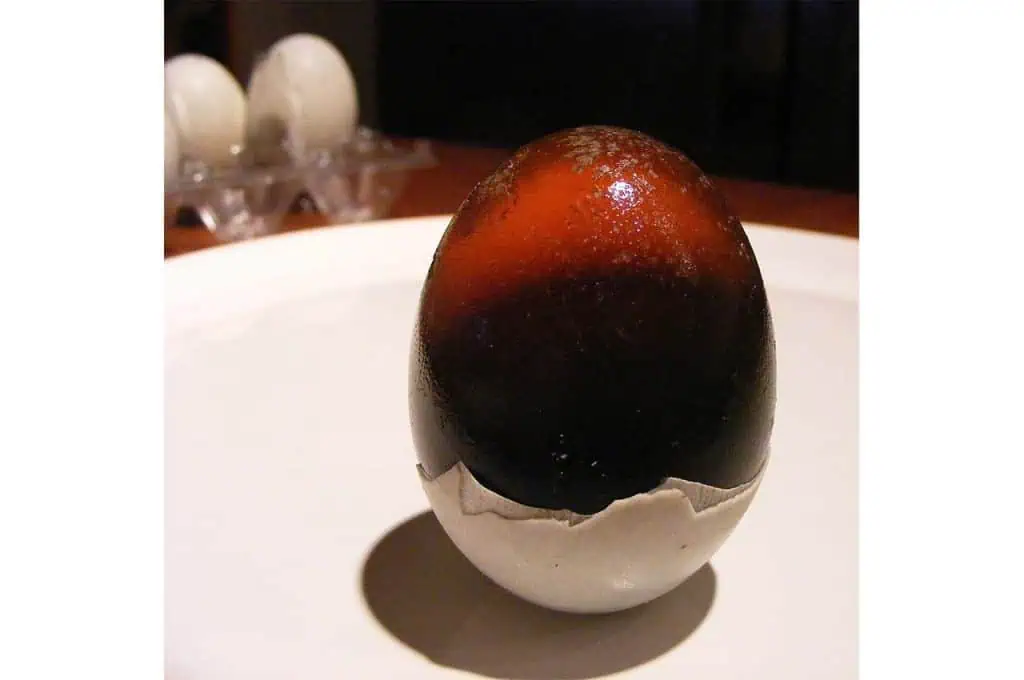
Century eggs are a delicacy that showcases the art of preservation. Encased in a unique, translucent jelly-like coating, the egg’s transformation yields a complex umami flavor that’s both savory and lightly pungent. To prepare, gently peel the egg and slice to reveal its marbled yolk. Pair it with slivers of ginger or a splash of soy sauce for balance. Whether served with congee or as part of a vibrant salad, the century egg is a testament to Chinese ingenuity, offering a distinctly bold and layered taste.
Taste the Unique Ukrainian Salo
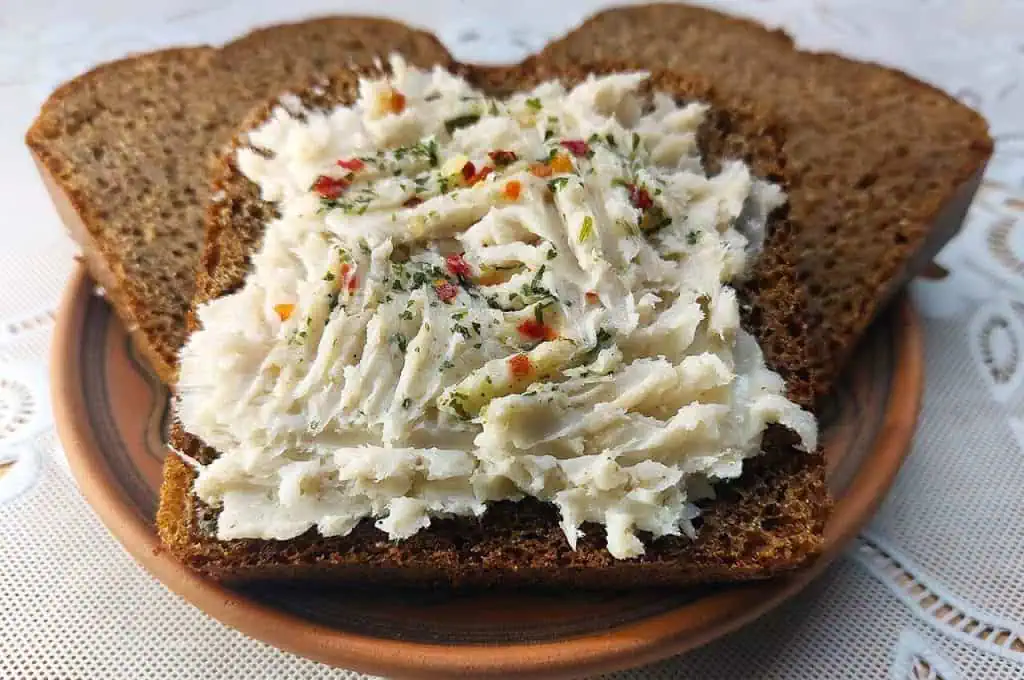
Salo is a Ukrainian classic, prized for its rich, buttery texture. Harvested from the thick layer of fat found on pork, salo is typically cured for depth of flavor. Start by slicing it into thin slabs, enhancing its taste with a rub of garlic, paprika, and salt. Let it cure for several days under refrigeration. Enjoy it cold with a slice of rye bread, or gently melt it over a heated skillet for a crisp touch. The combination of the creamy fat and robust seasonings makes it a delightful staple of Eastern European cuisine.
Experience Kenyan Ugali
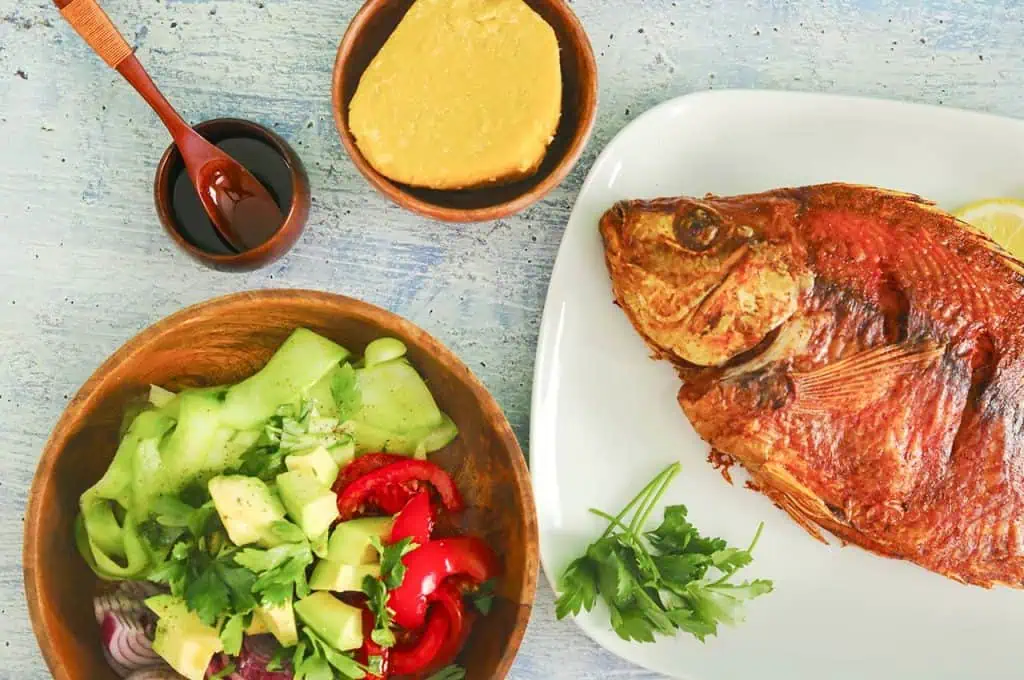
Ugali is a cornerstone of Kenyan dining, valued for its simplicity and versatility. Made from cornmeal, it provides a hearty base for many dishes. Begin by boiling water before gradually incorporating the flour, stirring steadily to avoid lumps. Continue cooking until the mixture leaves the sides of the pot easily, indicating readiness. Served with vegetables, stews, or meats, ugali acts as both a utensil and a flavorful partner. Its satisfying, dense texture allows it to soak up sauces, making it a beloved staple in Kenyan households.
Satisfy with Korean Sundae
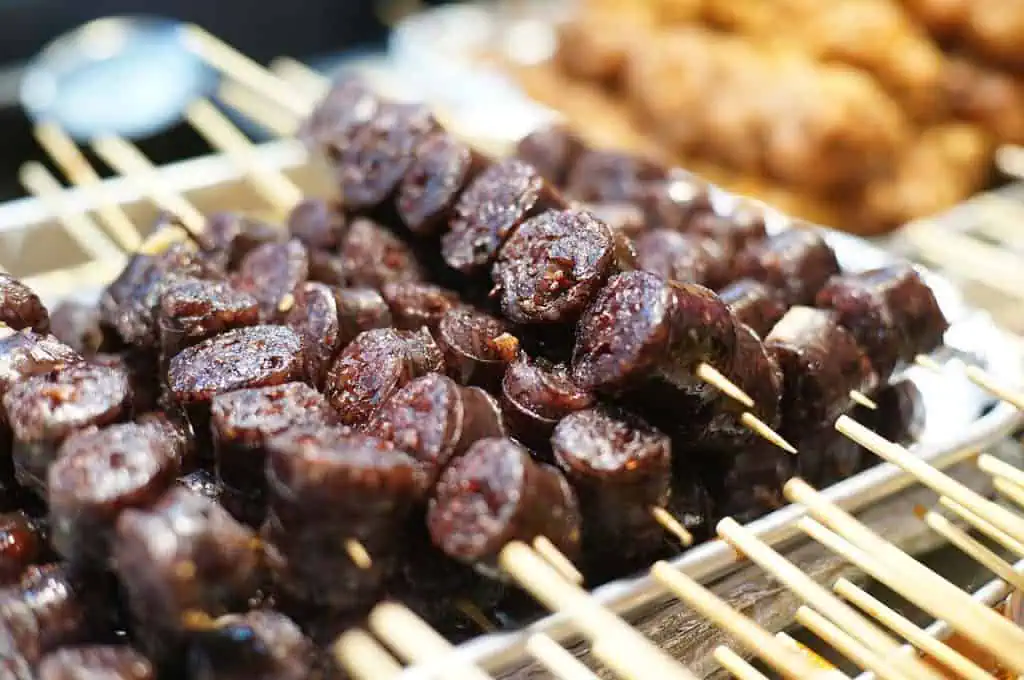
Sundae is a traditional Korean street food, offering a satisfying blend of flavors and textures. It’s made from pig intestine stuffed with a mix of sticky rice, vegetables, and herbs, then steamed to perfection. Start by thoroughly cleaning the intestines and preparing the aromatic filling of rice, mung bean sprouts, and perilla leaves. Once stuffed, steam gently to keep the casing tender yet flavorful. Serve sliced, accompanied by a spicy dipping sauce made from gochugaru and soy sauce. This savory creation captures the spirit of Korean culinary traditions.
Try Japan’s Natto Challenge

Natto, a traditional Japanese food, is made from fermented soybeans. Its signature stickiness and pungent aroma can be daunting, yet it’s a nutritional powerhouse rich in probiotics. When preparing natto, gently mix the beans to activate their unique texture and release flavors. Often served with rice, enhance it with soy sauce, mustard, or chopped green onions for balance. Though an acquired taste, the umami depth and creamy texture make it a rewarding culinary adventure.
Relish Spanish Cresta De Gallo
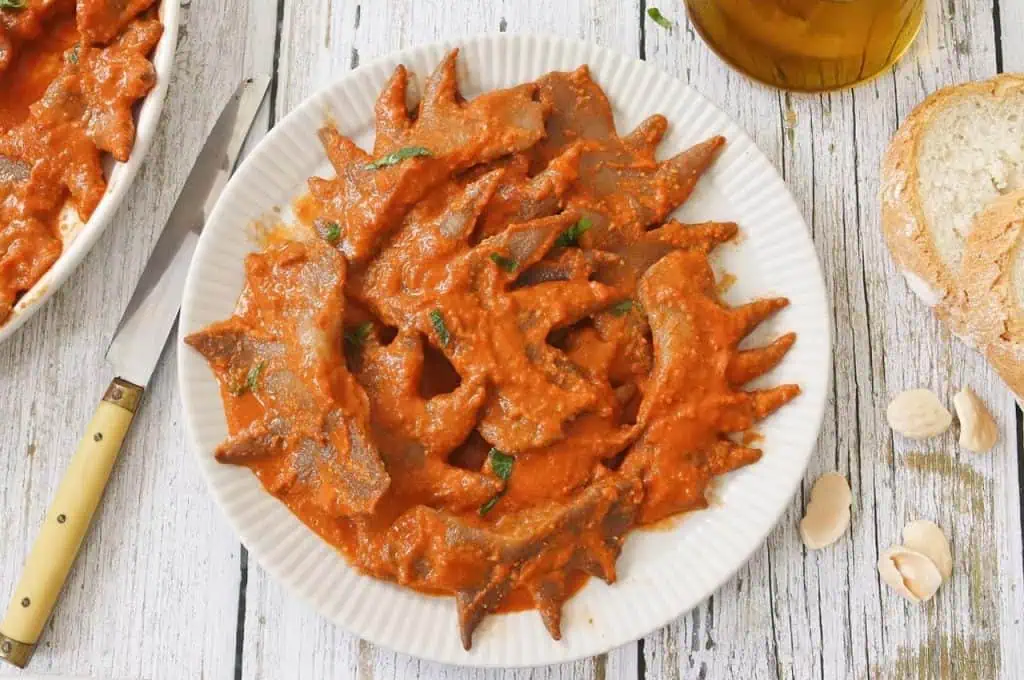
Cresta de Gallo, a lesser-known Spanish delicacy, involves the careful preparation of rooster combs. Simmered until tender, this dish has a gelatinous texture and subtle flavor that complements rich sauces. Start by blanching the combs, then slowly cook them with saffron, garlic, and wine to infuse a vibrant taste. Serve with crusty bread or atop creamy polenta to appreciate the delicate mouthfeel and savory undertones that define Spanish cuisine.
Get the recipe: Cresta De Gallo
Enjoy Uganda’s Matoke Delight

Matoke, a staple in Ugandan cuisine, uses green bananas that are cooked until soft. For an authentic experience, peel and steam the bananas, then mash them with butter or oil until smooth. Traditionally paired with a hearty stew, enhance its natural sweetness with a touch of spice or herbs like cilantro. The velvety texture and subtle flavor create a comforting, satisfying side dish, reflecting the simplicity and richness of African home cooking.
Savor Peruvian Lomo Saltado
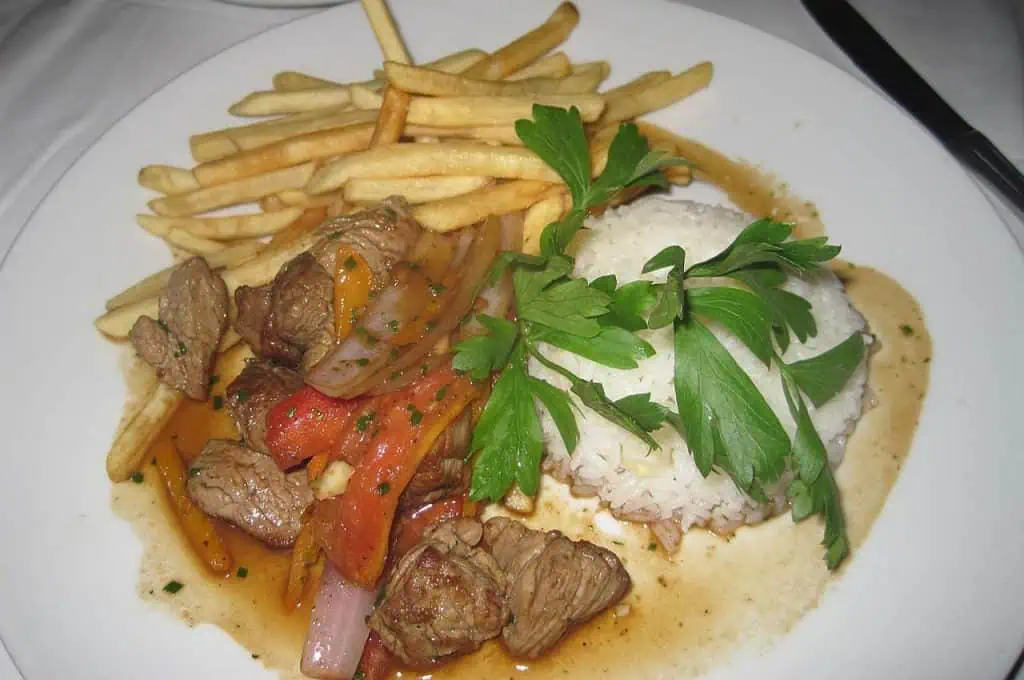
Lomo Saltado elegantly combines traditional Peruvian flavors with Chinese influence, featuring stir-fried beef with tomatoes, onions, and soy sauce. Ensure the beef is tender by slicing it thinly, then quickly sear it over high heat for a caramelized exterior. The addition of vinegar and cilantro offers a bright contrast to the savory base. Served with fries and rice, this dish is a celebration of textures and a testament to Peru’s diverse culinary heritage.
Immerse in Nigeria’s Fufu
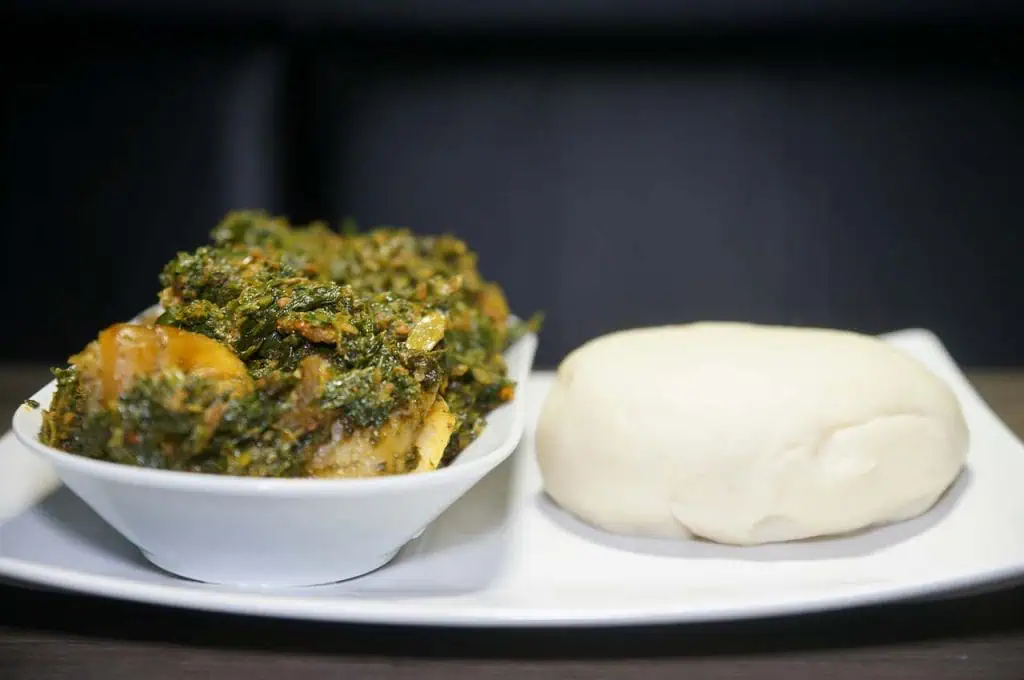
Fufu, a revered Nigerian dish, is crafted from starchy vegetables like cassava or yams, pounded into a soft, dough-like consistency. To achieve a smooth texture, boil the chosen ingredient until tender, then vigorously pound until stretchy. Serve it alongside rich soups or stews, using the fufu to scoop up the dish, melding flavors and textures. This hands-on experience highlights the heartiness and communal aspect of West African dining traditions.
