
14 dinner habits from the 90s that would horrify dietitians today
In the 1990s, dinner habits often leaned heavily on convenience and indulgence. Dietary choices of that era embraced trends that today’s nutrition experts would find questionable. Understanding these outdated practices offers insight into how our eating habits have transformed over the decades. This reflection not only highlights shifts in awareness about health but also allows home cooks to appreciate modern approaches that emphasize balance and freshness.
The Creamy White Sauce Craze
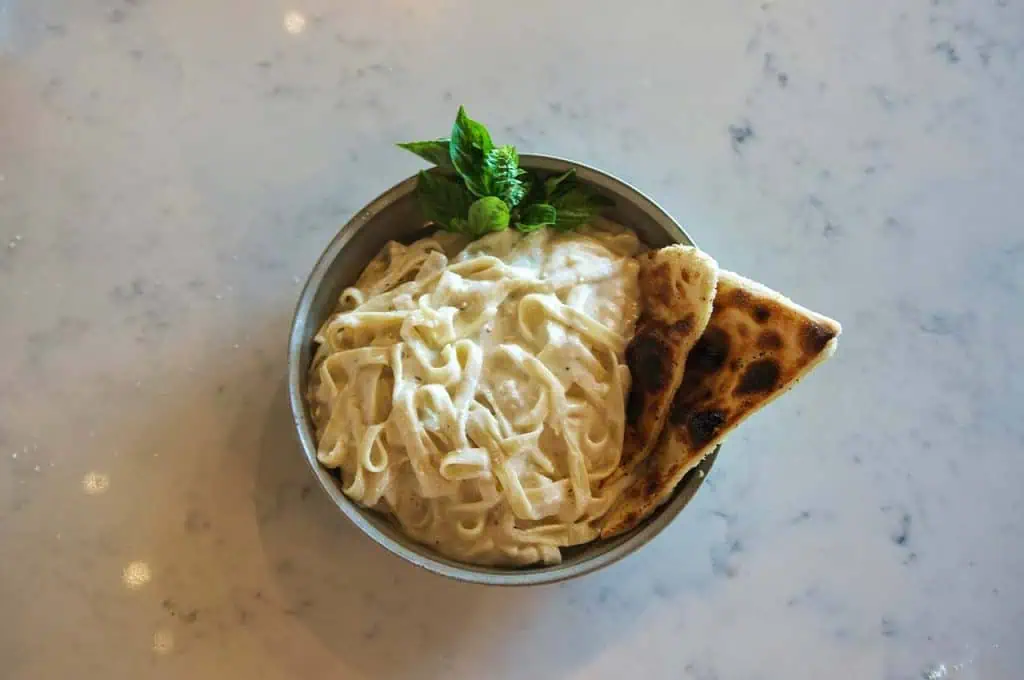
A hallmark of 1990s cuisine was the liberal use of creamy white sauces in dishes ranging from pasta to casseroles. Often laden with heavy cream and excessive butter, these sauces prioritized richness over nutritional value. Today, the focus has shifted towards lighter alternatives. Implementing techniques like reducing fat content with low-fat milk or using pureed vegetables can preserve flavor and texture without sacrificing health. Such modifications appeal to both taste and well-being, providing a more balanced approach to cream-based dishes.
Super-Sized Portions, Always

The era’s penchant for super-sized portions embedded itself deeply into dining culture. Large servings, whether at home or in restaurants, became synonymous with value. However, quantity often overshadowed quality, leading to overconsumption and poor nutritional balance. Modern cooks are encouraged to emphasize portion control, using techniques like plating on smaller dishes or measuring servings. This approach not only aligns with current dietary recommendations but also fosters a heightened appreciation of flavors and satisfaction.
Canned Veggies Over Fresh

Canned vegetables were a dinner staple, chosen for their convenience over fresh produce. While practical, this often meant a loss of nutrients and flavor. Today, the emphasis is on fresh, seasonal ingredients, which provide superior taste and nutritional benefits. Techniques such as steaming or roasting enhance natural flavors and preserve vital nutrients, encouraging home cooks to opt for fresh produce that elevates any dish’s culinary and health appeal.
Margarine Madness in Recipes

Margarine, often chosen as a healthier alternative to butter, dominated recipes with its promise of reduced cholesterol. However, the hydrogenated fats in margarine raised serious health concerns. Today’s kitchens favor pure, less processed fats. Opting for olive oil or clarified butter allows cooks to maintain richness and flavor without compromising health. These options not only improve heart health but also contribute a nuanced taste that enhances cooking.
All Hail Processed Cheese
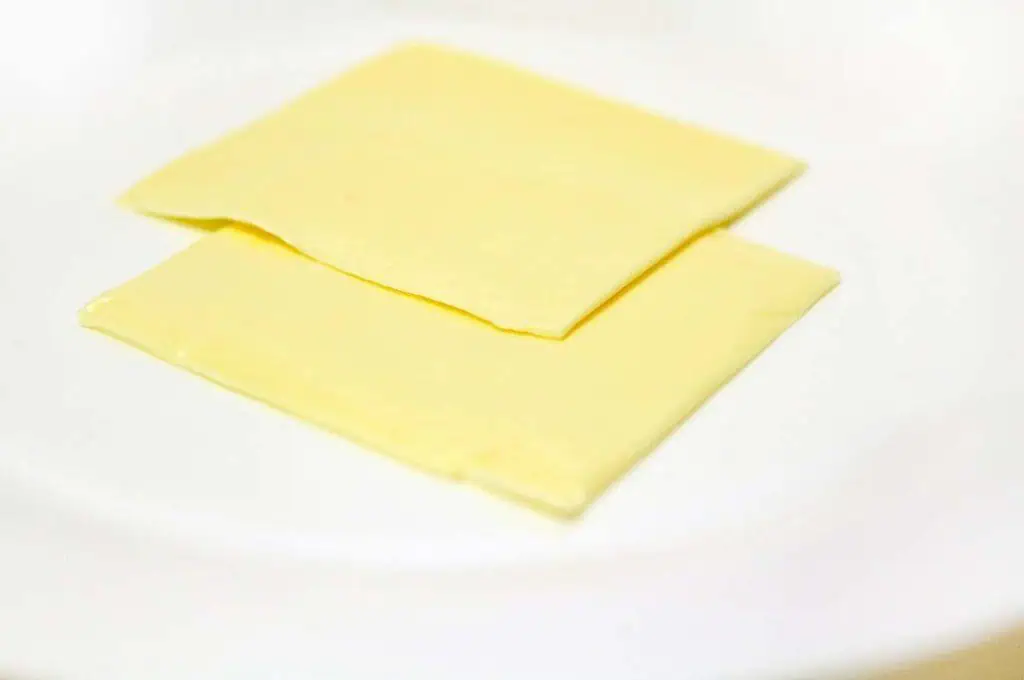
Processed cheese dominated the 90s dining scene with its easy meltability and long shelf life. Home cooks often embraced its convenience, unaware of its high sodium and saturated fat content. When aiming for a healthier alternative, opt for aged cheeses with rich flavor profiles. Grate them yourself for a fresher taste and avoid added preservatives. If you’re seeking that iconic melt, a mix of aged cheddar and cream cheese can provide a better-for-you version with a creamy texture.
Boxed Pasta: The 90s Staple

Boxed pasta was a quick and versatile base for many meals in the 90s, but it often came with refined carbs and minimal nutritional value. To elevate this staple, consider using whole grain or legume-based pastas, which offer more fiber and protein. Pair them with homemade sauces using fresh tomatoes or a simple olive oil and garlic combination to enhance flavors without excessive calories. This approach not only boosts nutrition but also brings depth to a classic dish.
Deep Fried Everything

The deep fryer was a prized kitchen gadget, turning anything into a crispy indulgence. While undeniably tasty, these foods were often calorie-laden and lacking nutrients. To recreate that satisfying crunch, try oven or air-fried options with a light coating of whole wheat breadcrumbs or panko. This method decreases the oil content significantly while maintaining texture. Experiment with spices in the coating mix to add flavor without unnecessary fats.
Salads Drenched in Heavy Dressing

In the 90s, salads often relied on heavy, creamy dressings that overshadowed their fresh ingredients. For a modern twist, prepare vinaigrettes with high-quality olive oil and vinegars, such as balsamic or apple cider, that marry well with your salad’s components. Incorporating fresh herbs and citrus zest can enhance the flavors without drowning the greens. This approach not only allows the salad’s ingredients to shine but also reduces caloric intake.
Frozen Dinners: Weeknight Savior

Frozen dinners offered convenience at the expense of high sodium, preservatives, and low fiber. To capture the ease of a ready meal, batch-cook and freeze homemade dishes using whole ingredients. Focus on balanced portions with lean proteins, grains, and plenty of vegetables. Innovations like vacuum-sealed freezer bags can preserve taste and texture better. This ensures you have quick, nourishing options without the drawbacks of processed ingredients.
Sugary Soft Drinks with Every Meal

In the 90s, pairing meals with sugary sodas was a common practice, often leading to excessive sugar intake. Home cooks can improve their dinner habits by opting for infused waters or herbal teas. These alternatives provide a refreshing palate cleanser without the added sugars or calories. Focus on using fresh ingredients like lemon, mint, or berries to enhance flavors naturally, offering a satisfying and healthier beverage choice that complements your meal rather than overpowering it.
Dessert as a Daily Ritual

The trend of having dessert every day can be transformed into an occasional indulgence. Elevate the experience with simple, healthy swaps like fruit compotes or Greek yogurt parfaits. These options retain the pleasure of a sweet finish while incorporating natural sugars and beneficial nutrients. By reserving richer desserts for special occasions, the balance of meals remains nutritious and satisfying, limiting potential overconsumption of refined sugars.
Salt Without Measure

Seasoning without regard for salt content was a norm, risking elevated sodium levels. Enhance flavors by experimenting with herbs and spices that add depth without the salt. Techniques like toasting spices or integrating aromatic ingredients such as garlic, lemon zest, or fresh herbs can amplify taste profiles. Readers should aim to measure and moderate their salt usage, discovering the nuances of their dishes by allowing herbs to shine through.
White Bread Over Whole Grains

White bread was a staple, often sidelining whole grains, which offer superior fiber and nutrients. Transition to whole grain variations like quinoa, farro, or whole wheat bread to increase dietary fiber and improve meal quality. These grains provide a hearty texture and nutty flavor, making them a versatile base for numerous recipes. Encouraging home cooks to experiment with different grains supports better digestive health and sustains energy levels throughout the evening.
Artificial Sweeteners: Dessert Savior?

Artificial sweeteners gained popularity as a go-to sugar replacement, but they often miss the balance between taste and health. Consider natural substitutes like honey, maple syrup, or agave, which impart unique flavors while offering more sustenance. These natural sweeteners can be used sparingly in desserts, promoting a healthier approach without sacrificing indulgence. Encouraging moderation and creativity in sweetening can help maintain a wholesome dessert routine.
