
14 Common Pizza Myths, Busted
Few foods stir up as much passion, debate, and pure joy as pizza. It is the centerpiece of movie nights, birthday parties, and late-night cravings all around the world. Yet for all its popularity, pizza carries a heavy burden of myths and misconceptions that can make even the most devoted fan second-guess every slice. Is it always fattening? Is thin crust really better than thick? Does cheese deserve all the blame? These questions deserve clear, honest answers.
In this guide, we will slice through the rumors and serve up the truth about everyone’s favorite comfort food. From the great pineapple debate to the real story of where pizza began, we will separate fact from fiction and explore how thoughtful choices can turn pizza into a balanced, satisfying part of your life. As your guide, I want to give you practical tips for making, ordering, and enjoying pizza with confidence. So grab a seat at the table and let’s dig into the delicious truth together.
Does Pizza Always Add Pounds?
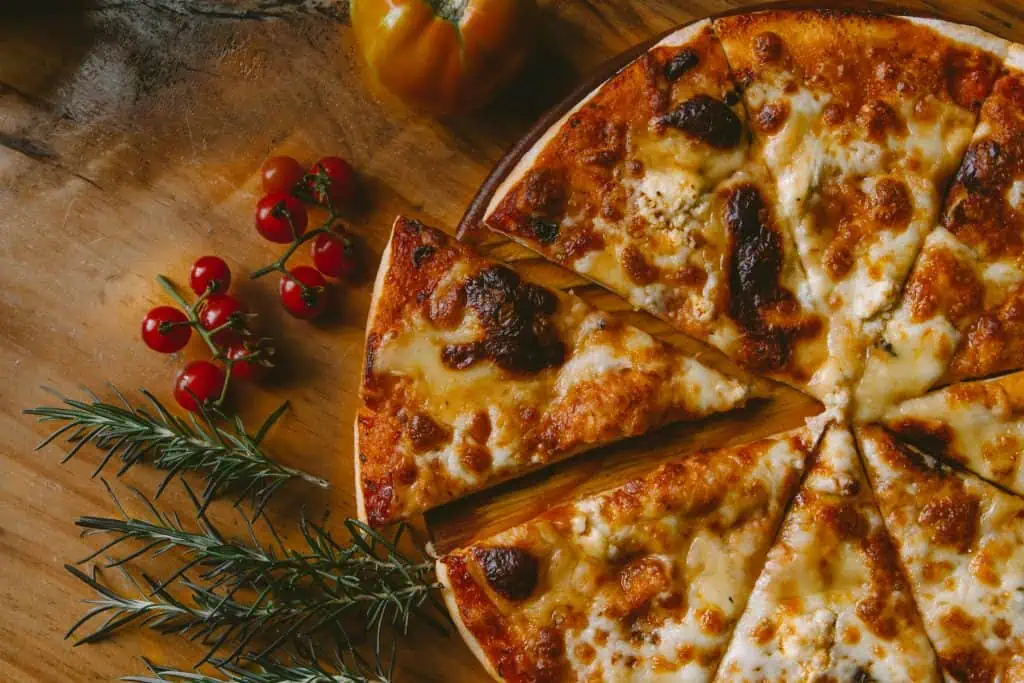
The notion that pizza is inherently fattening overlooks moderation and ingredient quality. Opt for whole-grain crusts and fresh toppings to control calories. Portion awareness is key; enjoy smaller slices with a side salad to balance your meal, maintaining both flavor and nutrition.
Thin vs. Thick Crust Health Debate
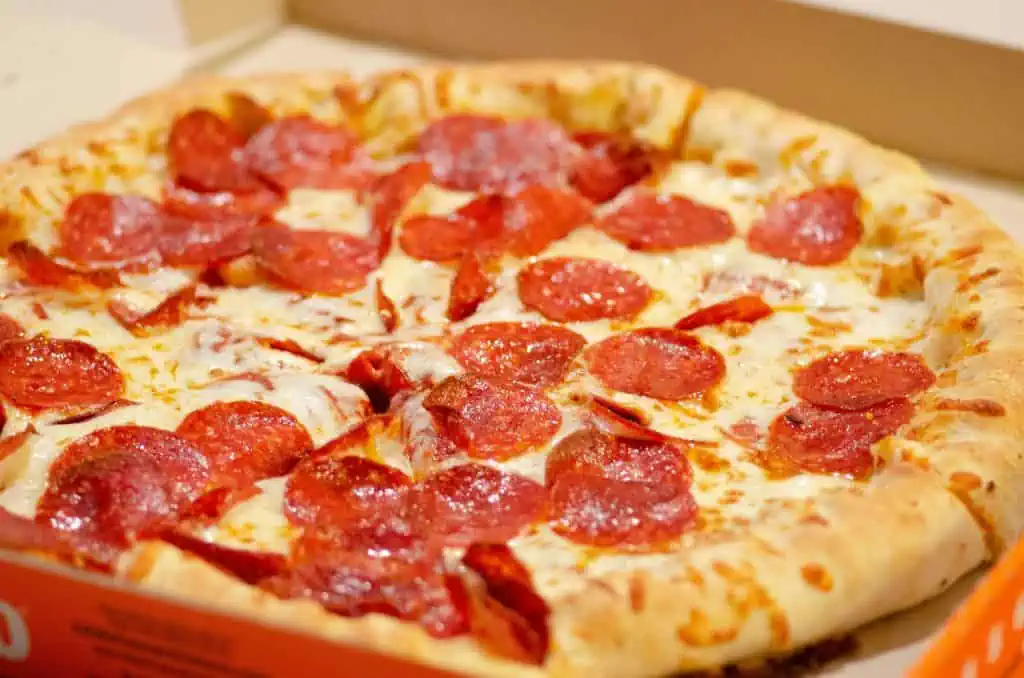
While thin crusts often contain fewer calories, they don’t necessarily trump thick ones nutritionally. It’s about the grain quality and ingredients used. Whole wheat or cauliflower bases can enhance fiber intake and lower carbs, making either style a viable choice depending on personal dietary goals.
Is Cheese the Fattening Culprit?
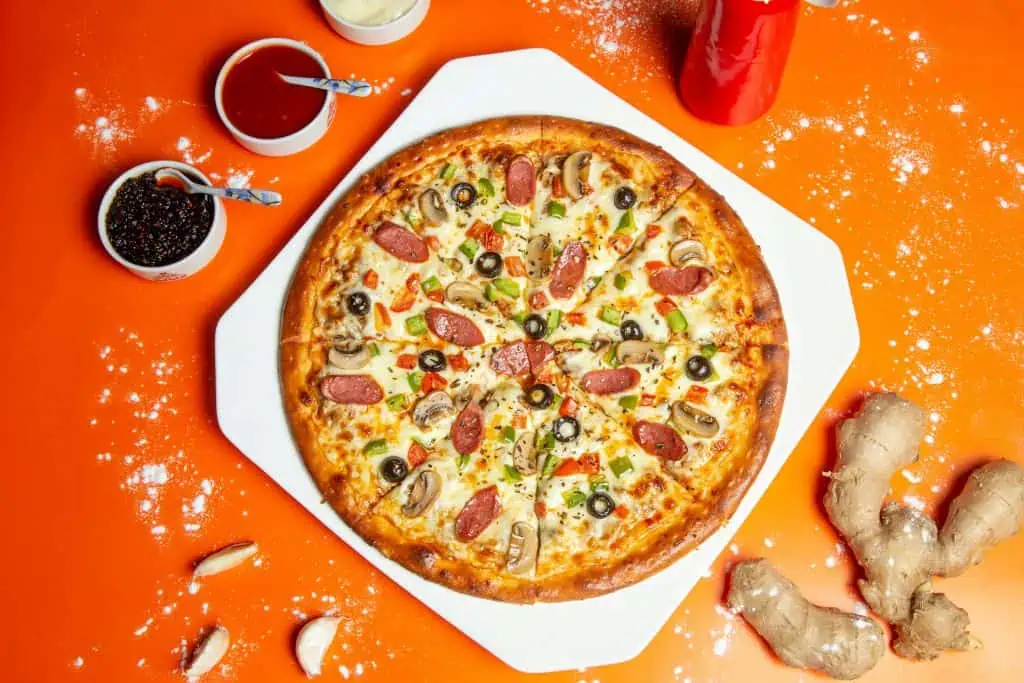
Cheese isn’t solely to blame for excess calories; it’s about quantity and type. Opt for part-skim mozzarella or blend with flavorful cheeses like Parmesan to use less while retaining taste. Grating cheese finely allows for even coverage with reduced amounts, maintaining texture without overindulgence.
Pizza: Just Junk Food?
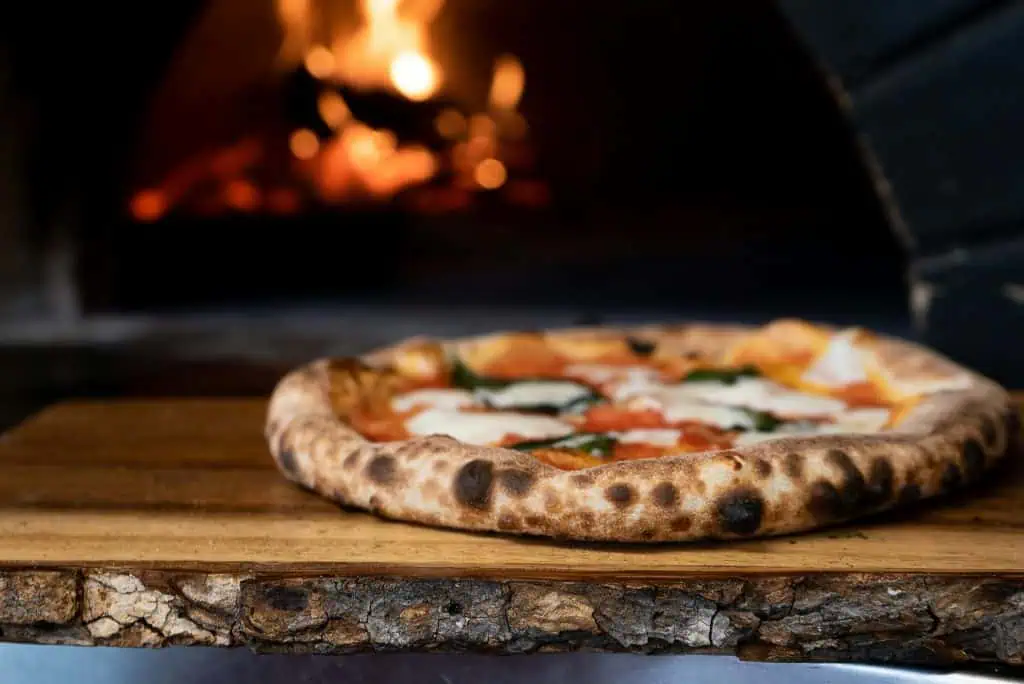
Labeling pizza as junk food oversimplifies its versatility. Homemade options with fresh, nutrient-rich ingredients transform it into a balanced meal. Using a tomato base rich in lycopene alongside vegetables and lean proteins can enhance its nutrient profile, ensuring pizza fits into a wholesome diet.
Frozen Pizza vs. Fresh: The Truth
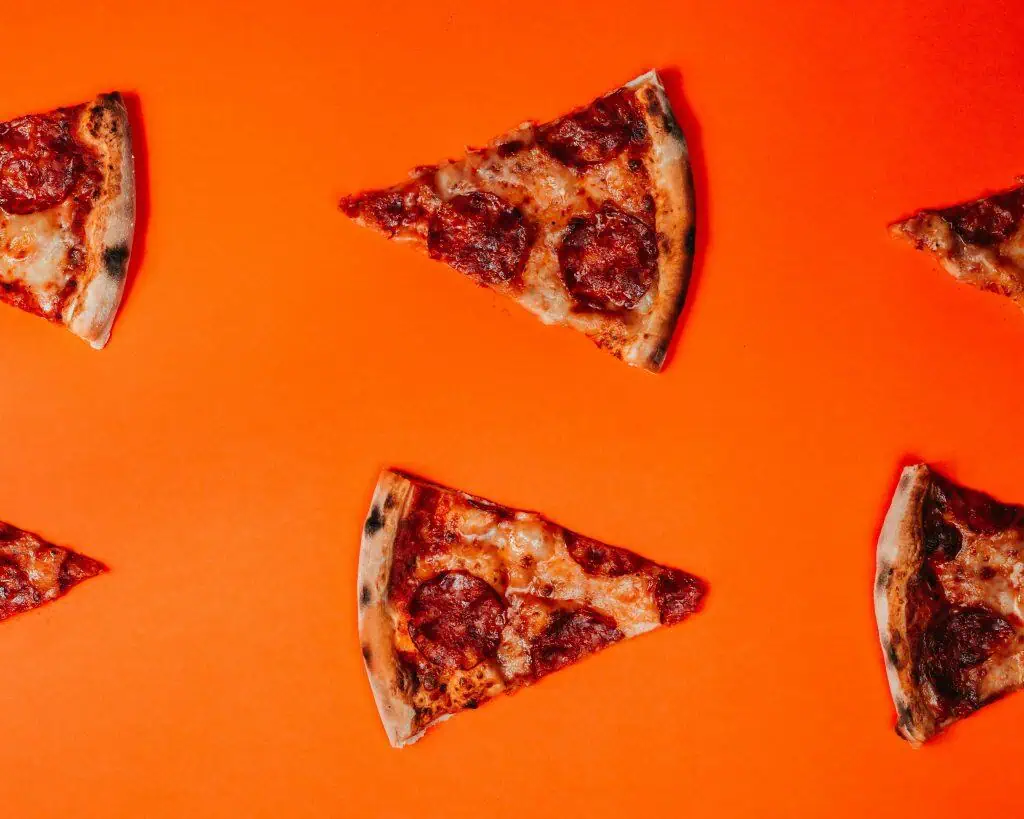
Many believe frozen pizza pales in comparison to fresh, but the difference lies in preparation. While fresh pizza offers a more customizable texture and flavor, modern freezing techniques preserve essential flavors and textures, providing a reliable alternative. Elevate frozen pizza by adding fresh toppings like basil or mozzarella before baking. Understanding oven temperatures is crucial, cook at a higher heat for crispy crusts or lower for softer textures. Both options have their merits; knowing how to enhance them is key to satisfaction.
The Myth of Healthy Vegetarian Pizza
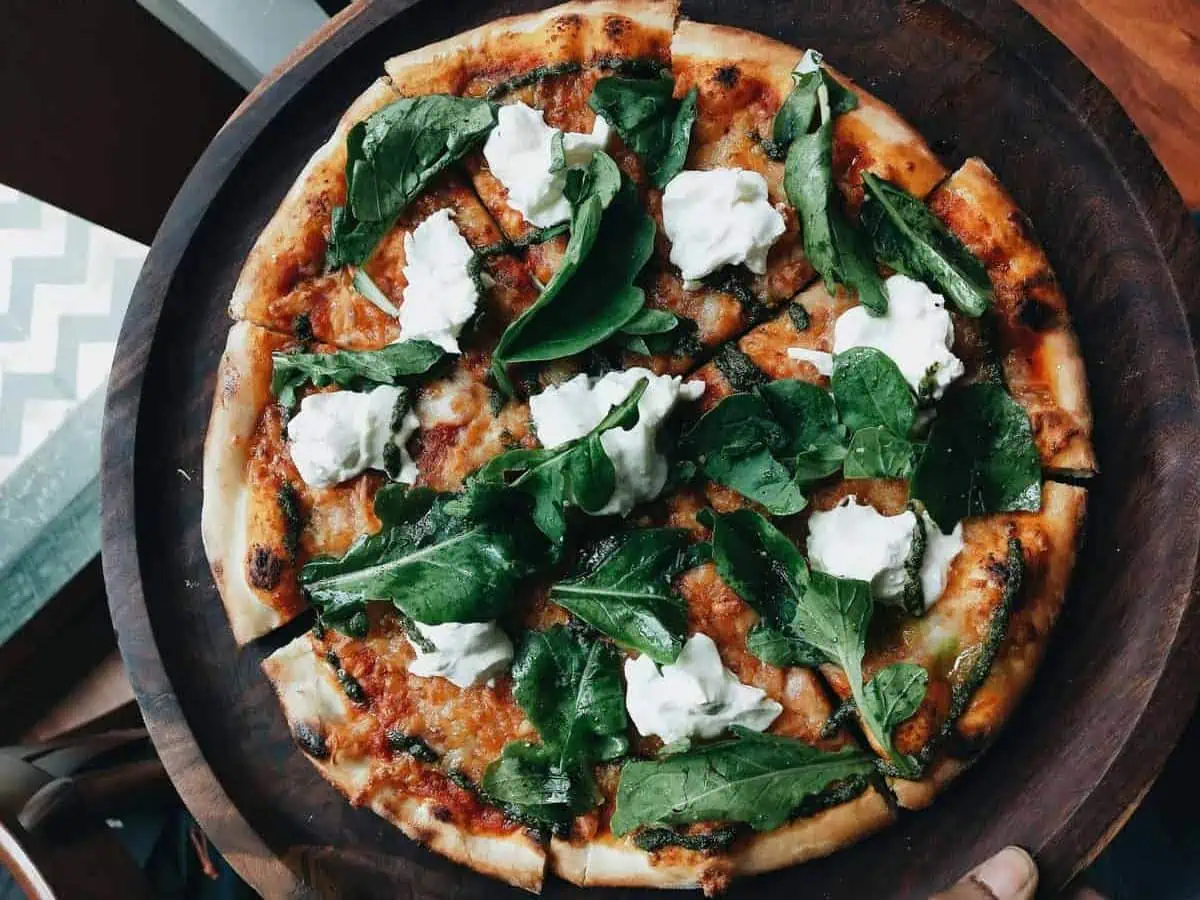
Not all vegetarian pizzas are inherently healthy. While vegetables add nutrients and fiber, calorie-dense ingredients like extra cheese or oily toppings can offset benefits. Focus on whole-grain crusts, which add fiber and nutrients. Opt for a variety of colorful vegetables, incorporating balance and depth in flavor. Avoid overloading on cheeses and creamy sauces. Use herbs like oregano and basil to enhance flavors without excess calories. By choosing ingredients thoughtfully, vegetarian pizza can truly be a healthy choice.
Gluten-Free Equals Healthier?
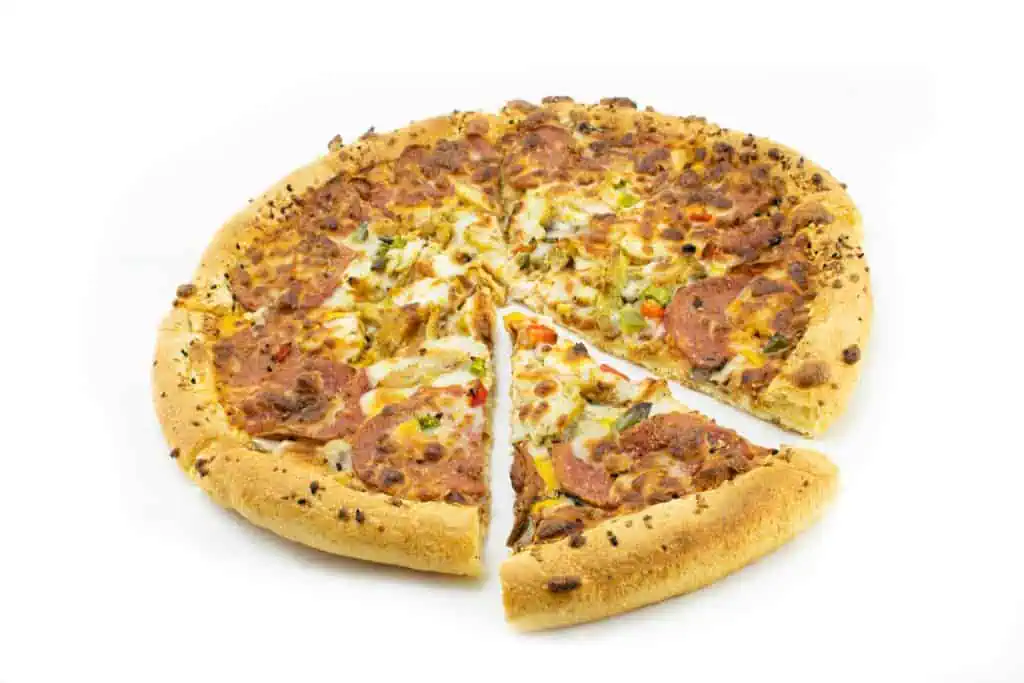
Gluten-free pizza isn’t automatically healthier. For those with celiac disease or gluten intolerance, it’s essential but the nutritional value varies. Many gluten-free crusts use refined starches, lacking fiber and nutrients. Opt for options made from almond or chickpea flour to benefit from protein and fiber. Watch for ingredients that add excessive sugars or fats. Flavor gluten-free crusts with herbs and olive oil to enhance taste without added calories. Being gluten-free addresses specific dietary needs but does not inherently offer greater health benefits.
Pizza and Acne: Linked or Not?
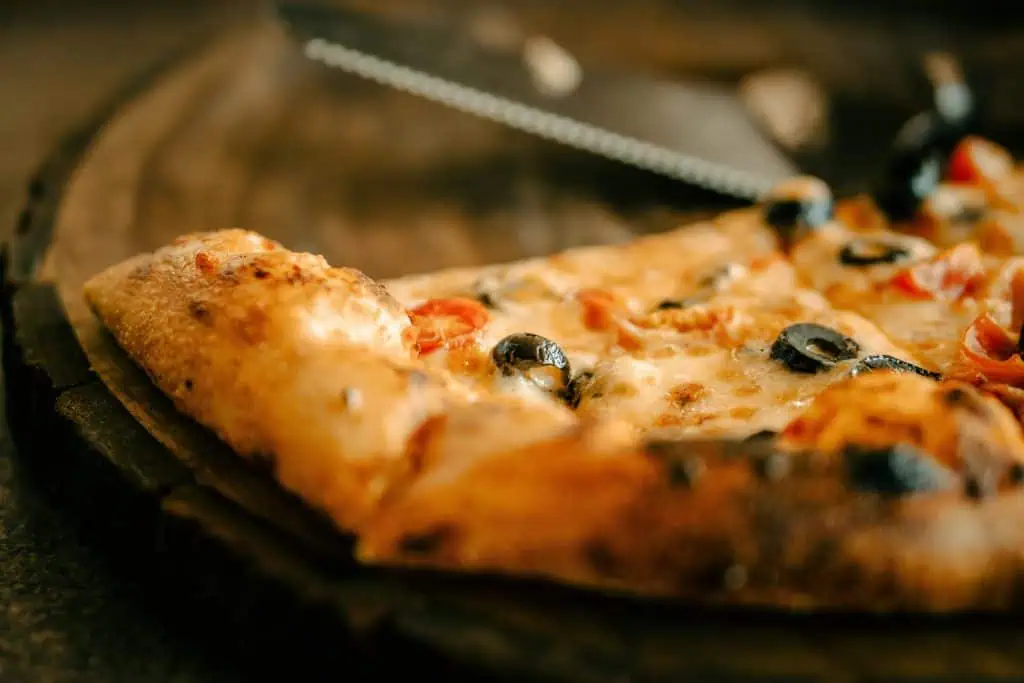
The connection between pizza and acne is often overstated. While individual reactions to dairy and oils may occur, no single food universally causes acne. It’s essential to consider overall diet and lifestyle. Overindulgence in greasy foods may affect skin, but balance is key. Choose pizzas rich in vegetables and limit fatty toppings to maintain dietary balance. Instead of eliminating, focus on moderation and variety in ingredients for a pizza that satisfies without contributing to skin issues. Holistic approaches to diet maintain both enjoyment and health.
Reheating Pizza: A Safety Concern?
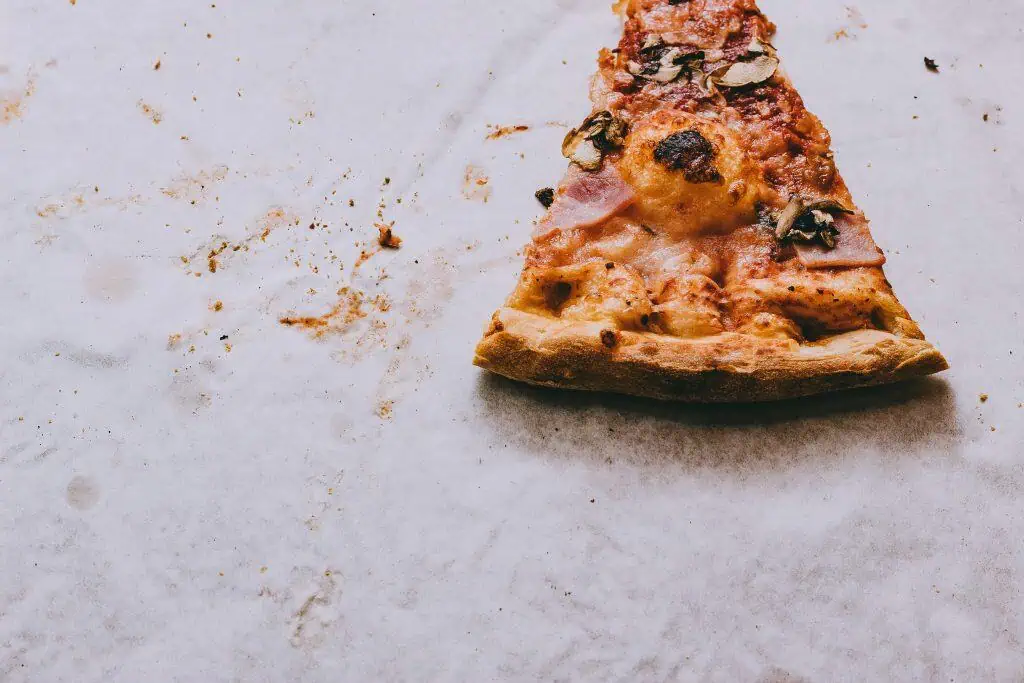
Reheating pizza is safe if done correctly, with temperature and technique being crucial. Reheat at 350°F (175°C) for optimal warmth without drying. Use a baking sheet to maintain crust texture, or try heating in a skillet for added crunch. Avoid microwaving as it can lead to uneven heating, resulting in soggy bases. Ensure internal temperatures reach 165°F (74°C) to eliminate bacteria. By understanding safe reheating practices, enjoy leftover pizza with the same quality and safety as when it was fresh.
Did Pizza Start in the USA?
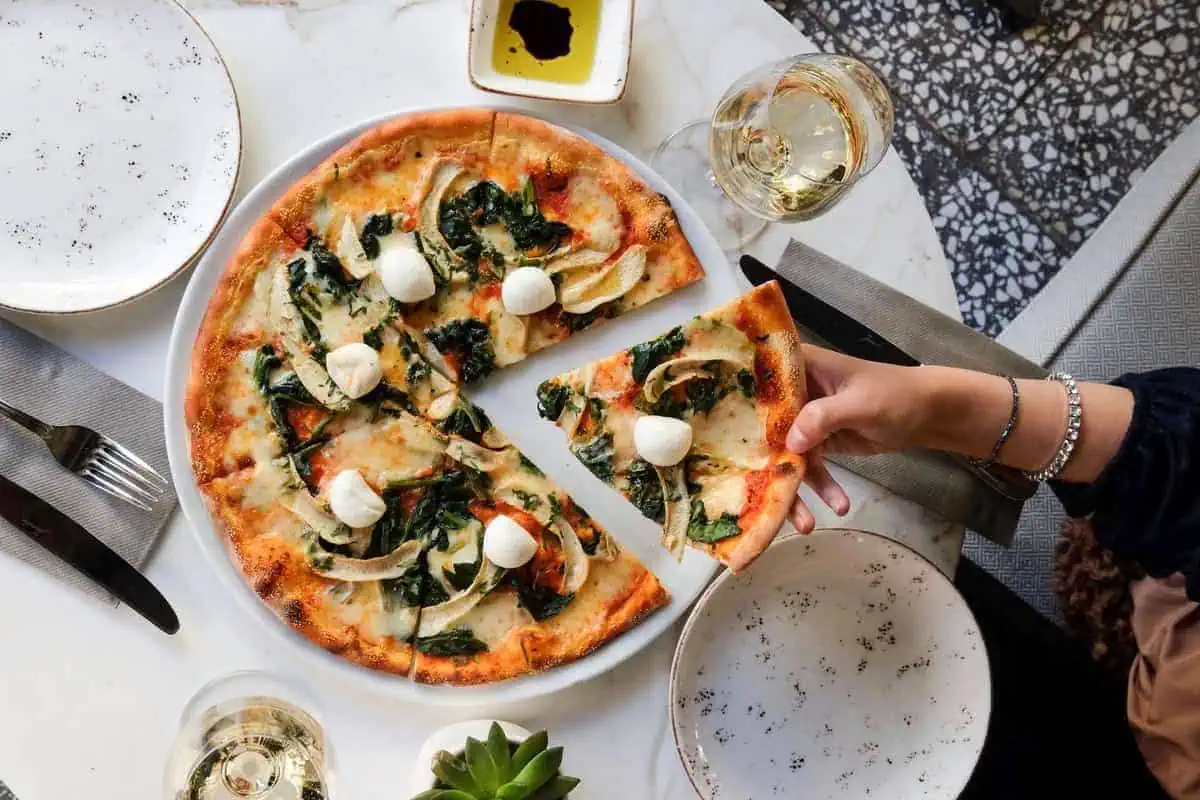
Pizza’s roots can be traced back to ancient civilizations, but its transformation into the dish we recognize today occurred in Naples, Italy. While the U.S. has significantly shaped pizza’s popular image, especially with variants like the Chicago deep-dish and New York-style thin crust, the essence of pizza as a flatbread with toppings began in Italy. This distinction is essential for understanding pizza’s global journey and its cultural adaptations.
Calories in Every Slice?
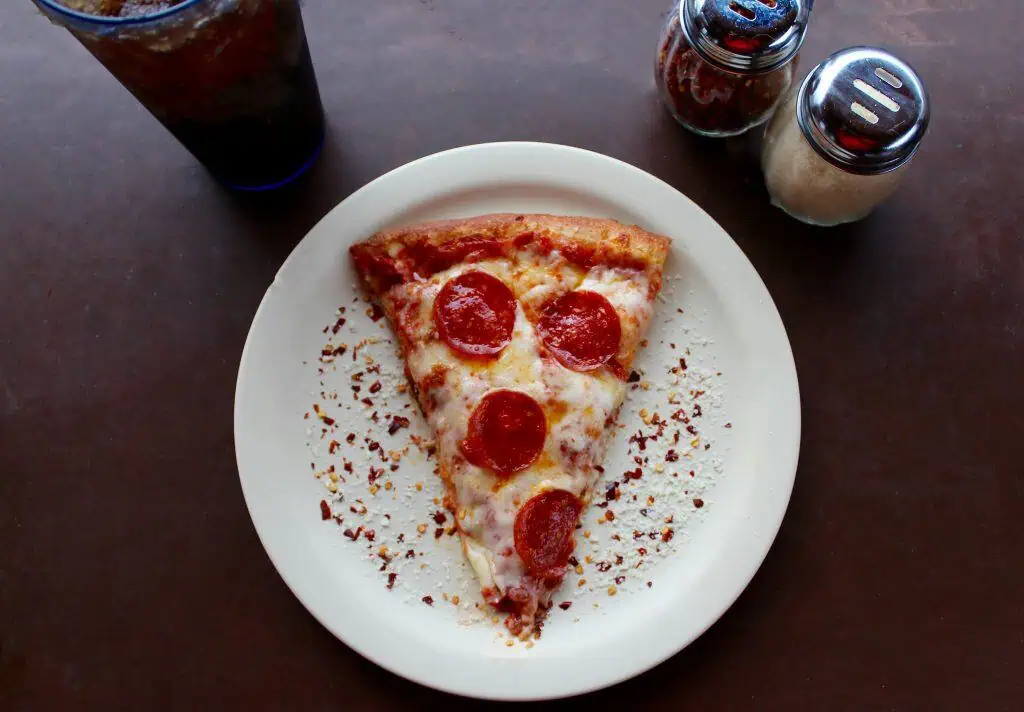
Every slice of pizza varies in calories based on its ingredients and preparation method. Thin-crust pizzas with vegetable toppings are lower in calories compared to deep-dish variations loaded with meats and cheeses. Understanding the impact of crust thickness and toppings helps in making health-conscious choices. Opt for whole-grain crusts and lean proteins to enjoy pizza while keeping calorie intake in check.
No Cheese, No Calories?
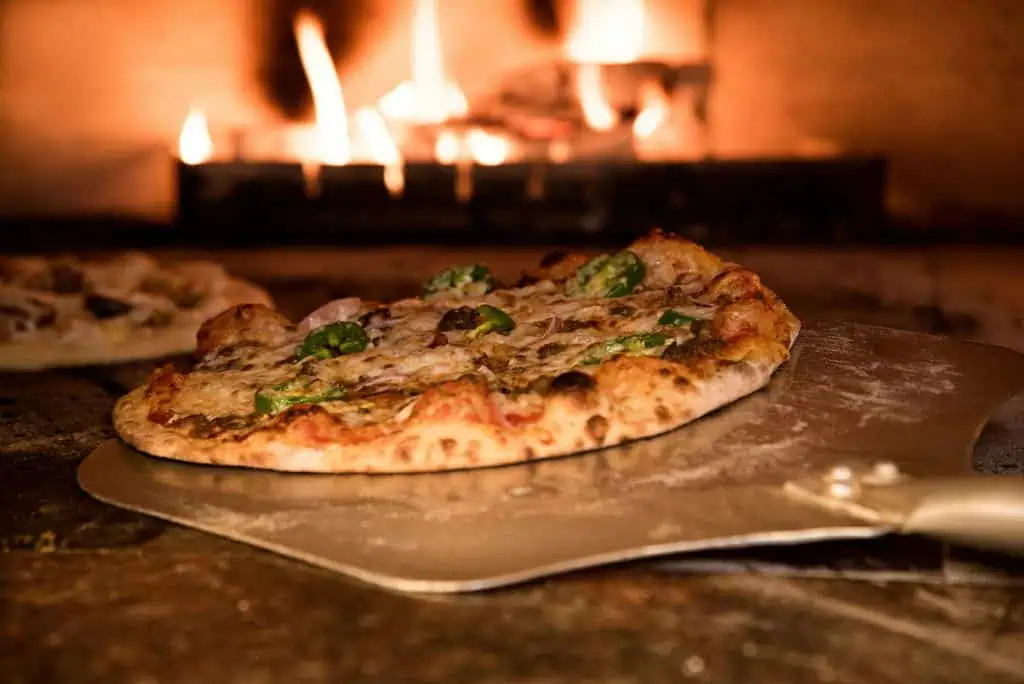
Removing cheese from pizza doesn’t eliminate all calories; the crust and sauce also contribute significantly. However, skipping cheese can reduce the calorie count while accommodating dietary restrictions or preferences. For flavor and texture without the cheese, consider using toppings like roasted veggies or a drizzle of balsamic glaze. This approach retains satisfaction and richness in each bite.
Pizza in a Balanced Diet?
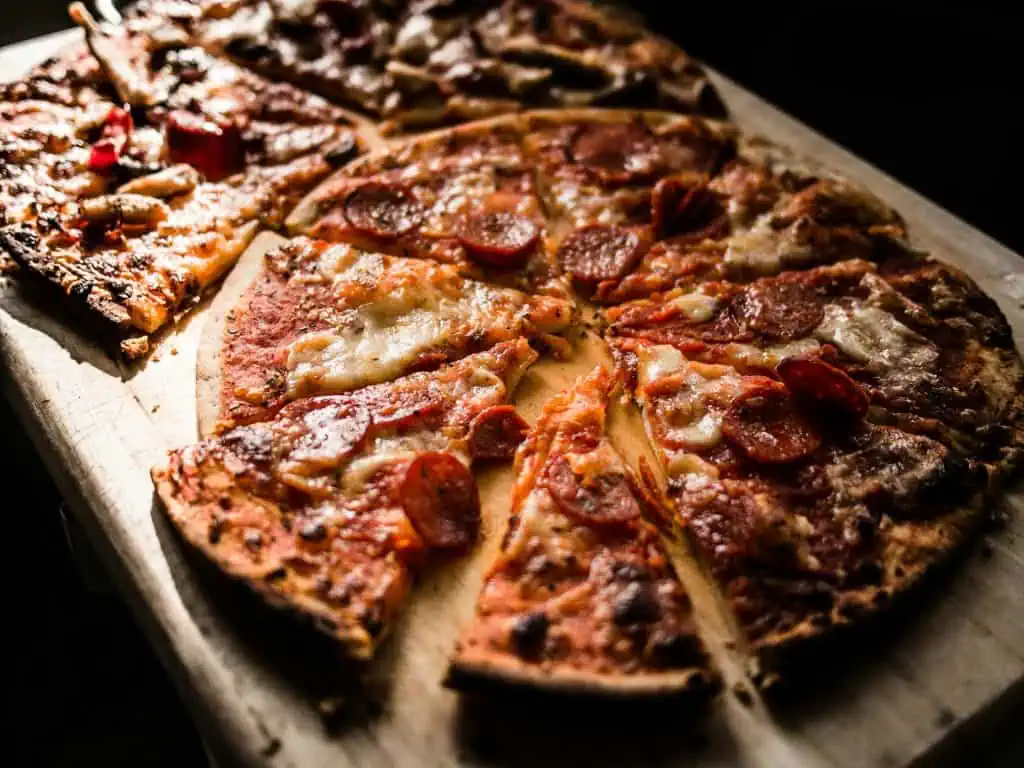
Incorporating pizza into a balanced diet is feasible with mindful choices. Opt for pizzas topped with vegetables and lean proteins to enhance nutritional value. Moderation is key; pair pizza with a simple arugula salad or roasted vegetables to create a well-rounded meal. Customize pizzas at home to control ingredient quality and portion size, ensuring they complement overall dietary goals.
Pineapple: Friend or Foe on Pizza?
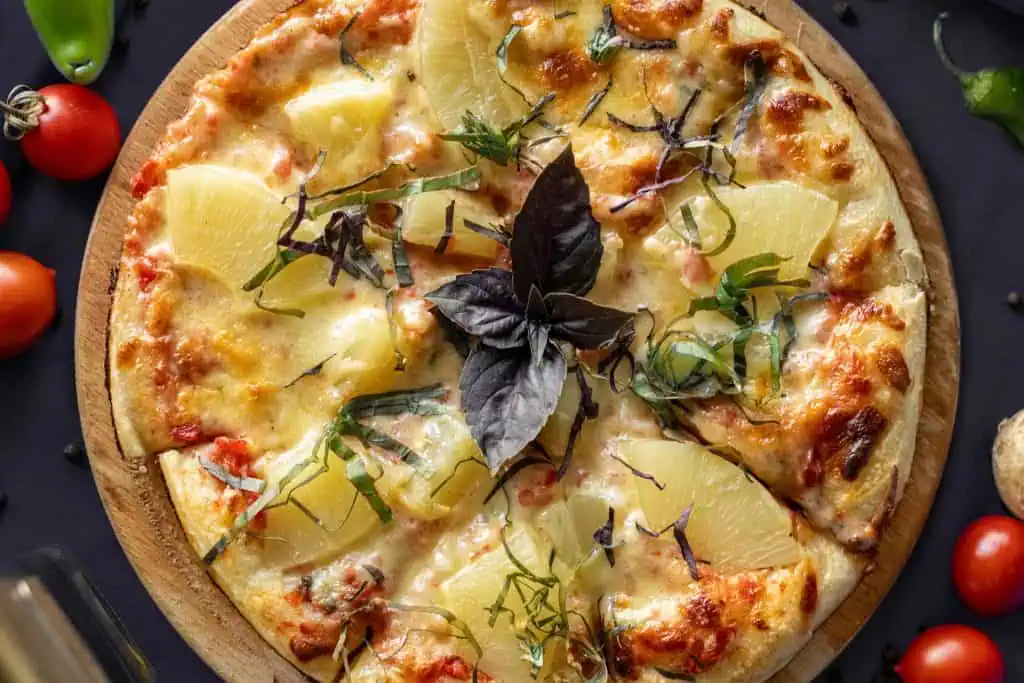
Pineapple on pizza is a divisive topic, but its sweet acidity complements savory and spicy toppings, offering a balanced flavor profile. When paired with salty ham or jalapeños, pineapple provides a unique twist that many find delightful. For those wary of fruit on pizza, trying a small amount may reveal a surprising harmony with the dish’s existing flavors.
