
12 nostalgic cafeteria foods that would trigger a school lockdown today
School cafeterias once operated with simpler rules and far fewer restrictions, offering meals that reflected the norms of past decades rather than modern safety expectations. Many foods were prepared in bulk, stored differently, or served without the strict labeling and allergy protections required today. While these items carry a sense of nostalgia for those who grew up with them, current policies around hygiene, nutrition, and ingredient transparency mean they would be quickly removed from menus. Their legacy now lives mostly in memory.
Unlabeled Peanut Butter Sandwiches
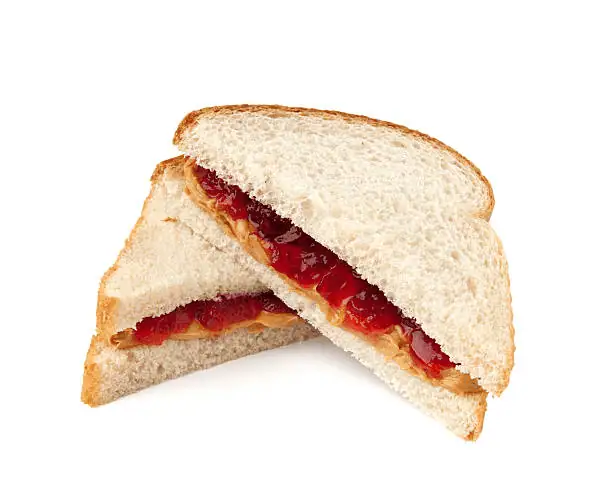
Peanut butter sandwiches were once a universal cafeteria staple, offered without any awareness of nut allergies. They were often piled onto trays for self-service, making cross-contact unavoidable. With today’s strict allergy protocols and designated nut-free zones, such casual handling would be considered unsafe. What once seemed like a simple lunch classic would now require extensive labeling and isolation, fundamentally changing how it was prepared and served.
Homemade Sloppy Joes in Open Pots
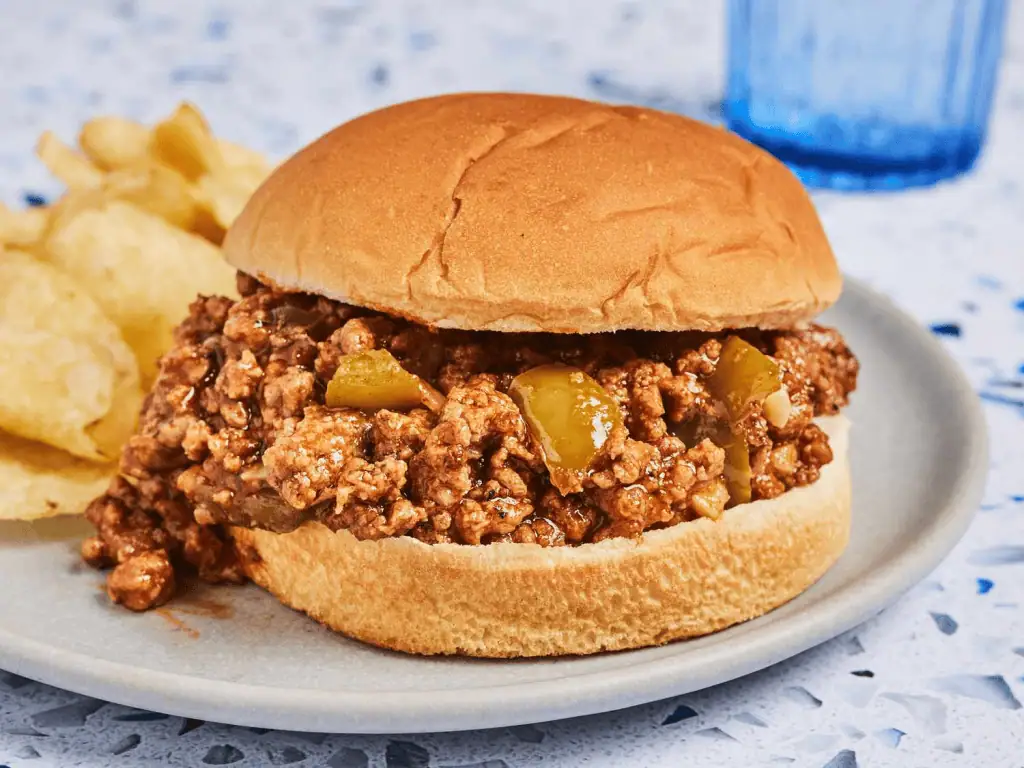
Large pots of Sloppy Joe filling simmered on cafeteria stoves, often left uncovered as staff assembled buns throughout the lunch rush. These setups lacked the temperature controls and closed containers required by modern food-safety guidelines. Despite their widespread popularity, such an open cooking method would not align with today’s hazard-prevention rules, making this once-common dish far more regulated in a contemporary cafeteria environment.
Room-Temperature Milk Cartons
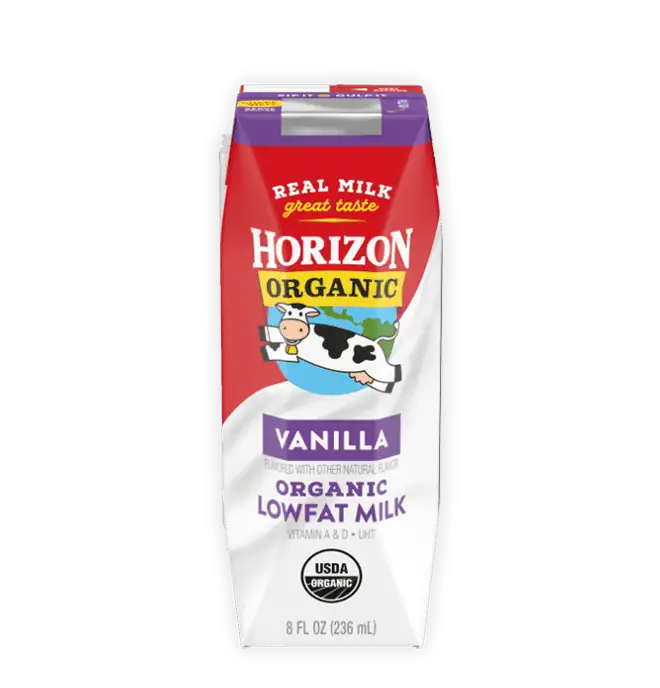
Milk cartons stored on rolling racks or left on counters were common in older cafeterias, especially during peak mealtime moments. Although they were usually consumed quickly, the lack of consistent refrigeration would violate current standards for handling perishable dairy. Modern rules require strict cold-chain management, making this once-normal practice incompatible with today’s emphasis on temperature control and foodborne illness prevention.
Mystery Meat Burgers
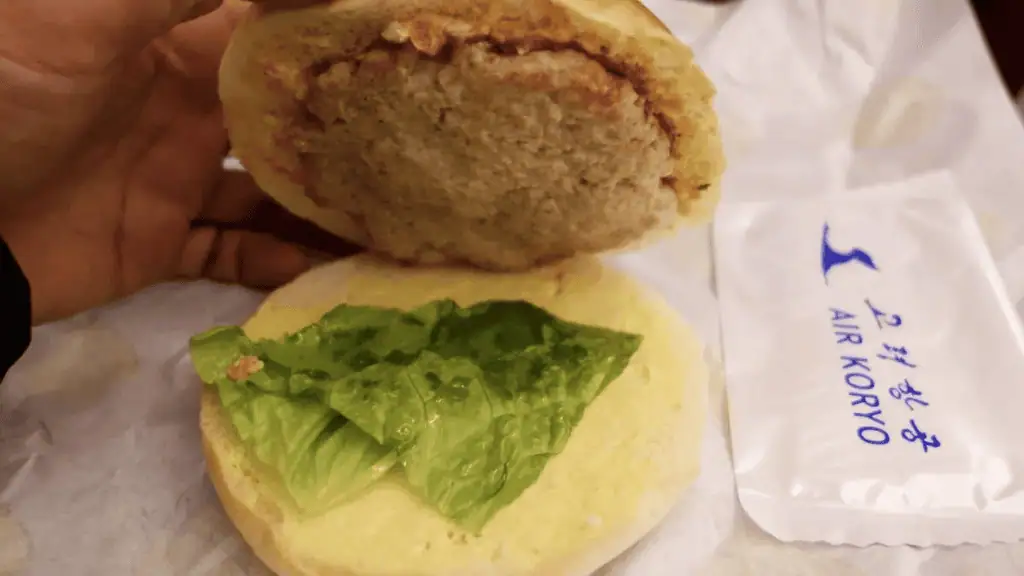
Burgers made from heavily processed meat blends were served in schools nationwide, often without clear ingredient lists or nutritional transparency. Their low cost and ease of bulk preparation made them a cafeteria favorite, but modern regulations demand clear labeling and higher quality standards. While the burgers themselves might still exist in updated forms, the older versions would face extensive scrutiny for both sourcing and preparation.
Ice Cream Bars Sold Before Lunch

Many schools once sold ice cream bars or frozen treats as standalone purchases, with students eating them before healthier lunch options. Today’s nutrition guidelines strictly regulate added sugars in school meals, and selling dessert ahead of main courses would be discouraged or entirely prohibited. Although fondly remembered, this practice conflicts with current efforts to structure balanced, nutrient-focused meal programs.
Unmonitored Salad Bars
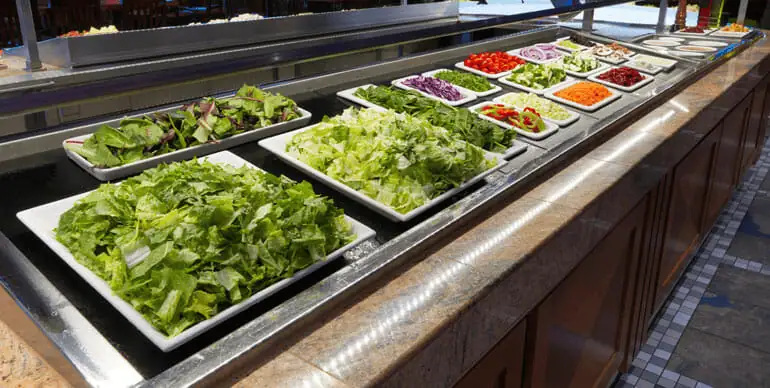
Self-serve salad bars were a fixture in some cafeterias, offering toppings in open containers that students handled with shared utensils. While they promoted variety, they also created opportunities for contamination. Under modern regulations emphasizing cross-contact prevention and utensil hygiene, such freely accessible setups would require constant monitoring and stricter sanitation, making the older version impractical in many schools today.
Pizza Squares with Unknown Toppings

Rectangular cafeteria pizzas often used generic topping blends without detailed ingredient information, making them difficult to evaluate for allergens or dietary restrictions. Although iconic in flavor and shape, the lack of transparent labeling would present challenges under current nutritional disclosure requirements. Updated versions still exist, but the original format would be heavily revised before meeting today’s food-service standards.
Open-Stack Hot Dog Stations
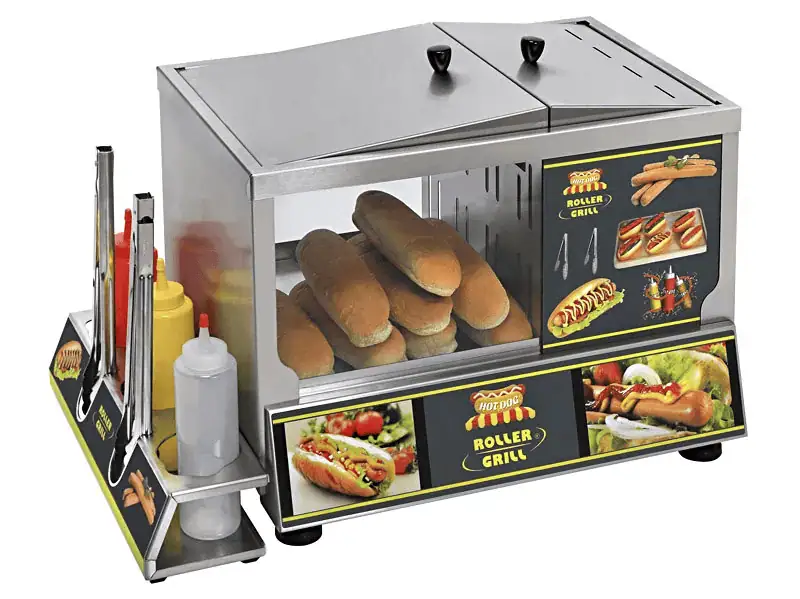
Hot dogs were frequently served from open metal trays, allowing students to grab buns, condiments, and sausages with minimal supervision. Modern health codes require more controlled handling of meat products, especially those held in warming equipment. This older system of open access and shared toppings would raise concerns today, even though the nostalgia attached to these lunches remains strong.
Giant Cinnamon Rolls as Full Meals
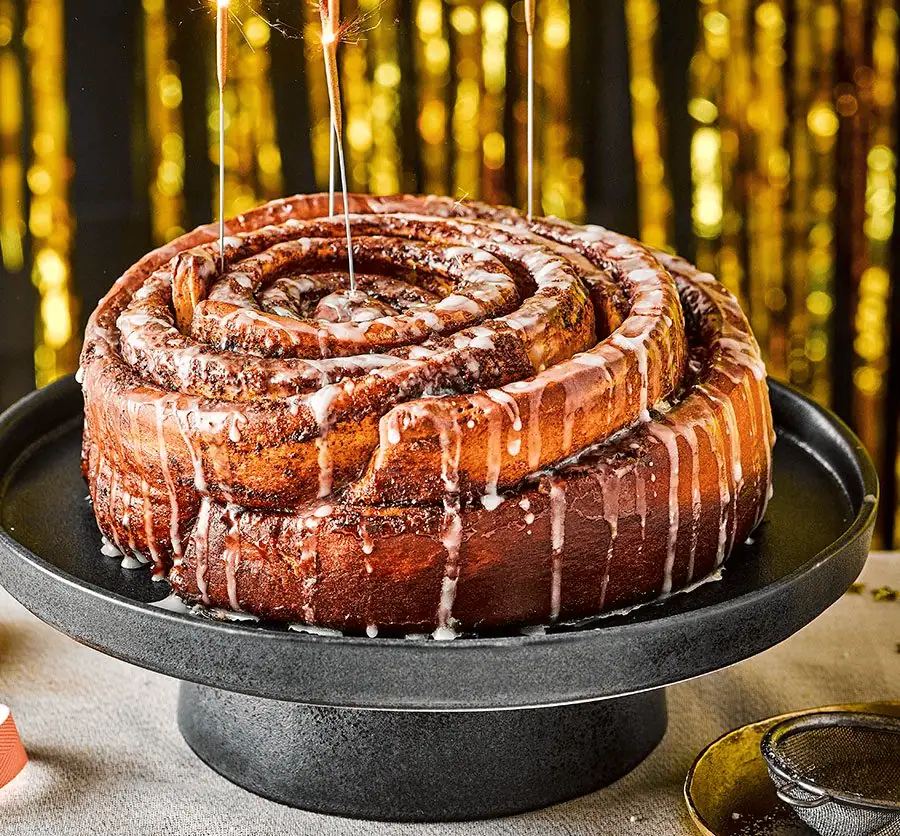
Large cinnamon rolls often appeared as standalone entrees, sometimes paired only with milk. Their high sugar content and minimal nutritional balance would be out of step with today’s requirements for whole grains, reduced sugars, and regulated portion sizes. While still fondly remembered as a comforting treat, serving them as a primary lunch item would violate modern dietary guidelines for school programs.
Unlimited Gravy Ladles

Cafeterias once offered large vats of gravy, allowing students to ladle generous amounts onto mashed potatoes or meats without strict portion limits. Today’s focus on sodium control and consistent serving sizes would make this approach unsuitable. Gravy itself remains common, but the free-pour style and loosely monitored quantities that once defined it would be replaced by regulated portions and controlled distribution.
Fish Sticks Fried on Site

Fish sticks were often fried directly in cafeteria kitchens using large oil vats, producing crisp, nostalgic textures. However, many schools have transitioned away from on-site frying due to safety concerns, equipment restrictions, and nutrition policies limiting added fats. Although baked versions remain common, the traditional fried preparation would be difficult to justify under current health and safety guidelines.
Chocolate Pudding in Reusable Cups

Reusable plastic cups filled with chocolate pudding were a typical dessert, prepared in bulk and stored without the sealed packaging used today. While convenient for cafeterias of the past, modern requirements emphasize single-serve packaging to reduce contamination risks and ensure accurate allergen labeling. The older approach lacks the safeguards now considered essential in institutional food service.
