
12 Foods That Were Banned in the U.S. (and Why)
America’s food laws haven’t always looked like they do today. Over the years, certain foods were banned or heavily restricted because of safety risks, health concerns, or questionable production methods. Some bans were brief and later overturned, while others remain in place to this day. From toxic additives to dangerous imports, here are the foods the U.S. once banned and the reasons behind each restriction.
Absinthe

Absinthe was banned in the U.S. for nearly a century because regulators believed its wormwood compound, thujone, caused hallucinations and erratic behavior. Later research showed the fears were exaggerated and based on myth rather than science. When producers reformulated the drink to meet thujone limits, the ban was lifted in 2007. Today it’s fully legal, but still tightly regulated.
Kinder Surprise Eggs
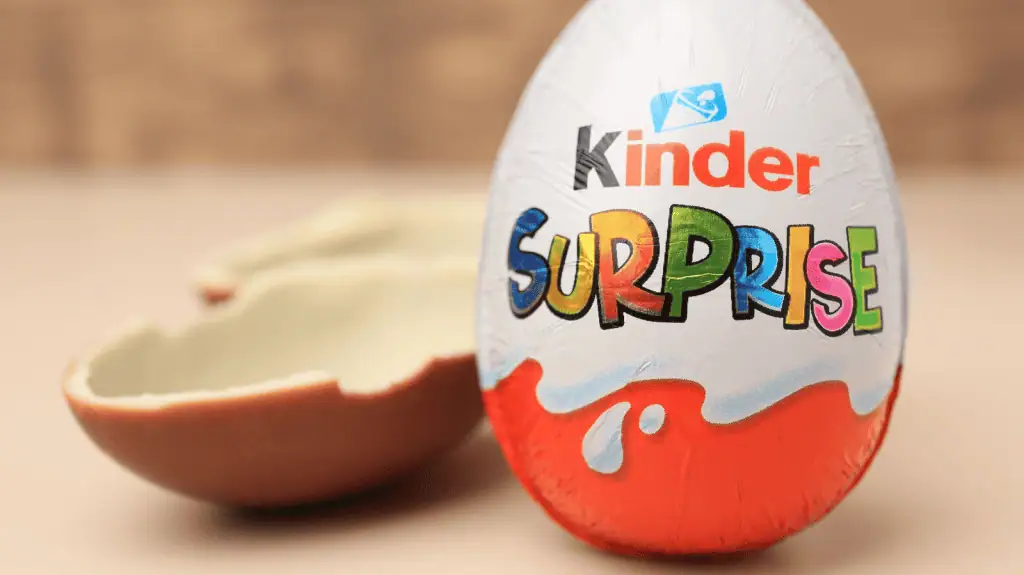
Kinder Surprise eggs were banned because U.S. law prohibits embedding non-edible objects inside edible products, citing choking hazards. The European-style toy-filled chocolate egg violated these rules for decades. Ferrero resolved the issue by redesigning Kinder Joy with the toy and chocolate separated, allowing it to be legally sold in the U.S.
Foie Gras
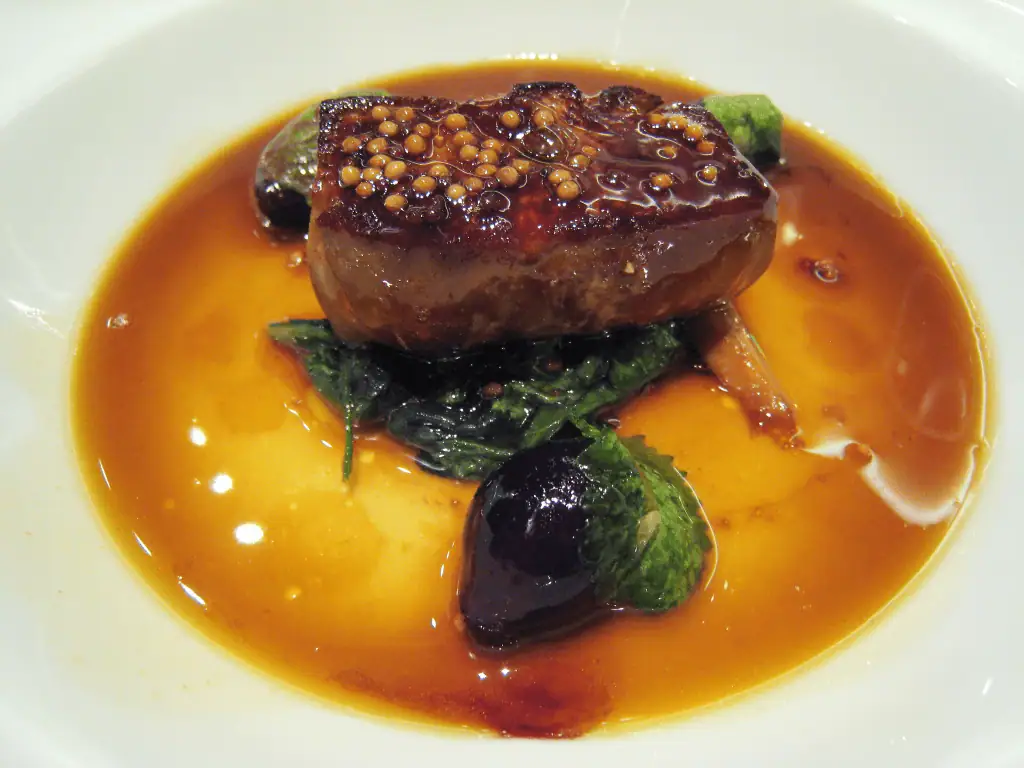
Foie gras has faced bans in parts of the U.S., including California and some major cities, due to concerns over animal welfare and force-feeding practices. While restrictions have been overturned or reinstated multiple times, the dish has a long history of legal battles. In some regions, it’s still prohibited, while in others it remains entirely legal.
Sassafras Oil

Used historically in root beer, sassafras oil was banned after research showed its compound safrole caused liver damage and was potentially carcinogenic. Producers switched to artificial or safrole-free flavorings to keep classic root beer alive. The traditional version remains banned, though safrole-free sassafras is permitted.
Fugu (Pufferfish)
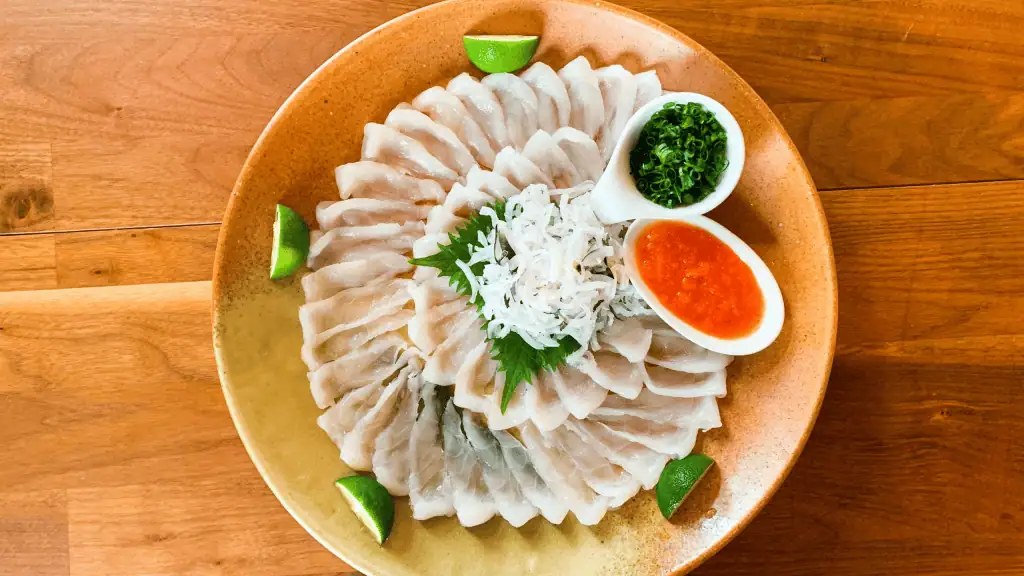
The delicacy fugu contains lethal tetrodotoxin, and improper preparation can be fatal. The U.S. banned it for decades due to the extreme risk. Today, only highly trained and certified chefs may import and serve it under strict regulations. Even then, only certain parts are allowed, making it one of the rarest legal foods in America.
Unpasteurized Milk (Raw Milk)
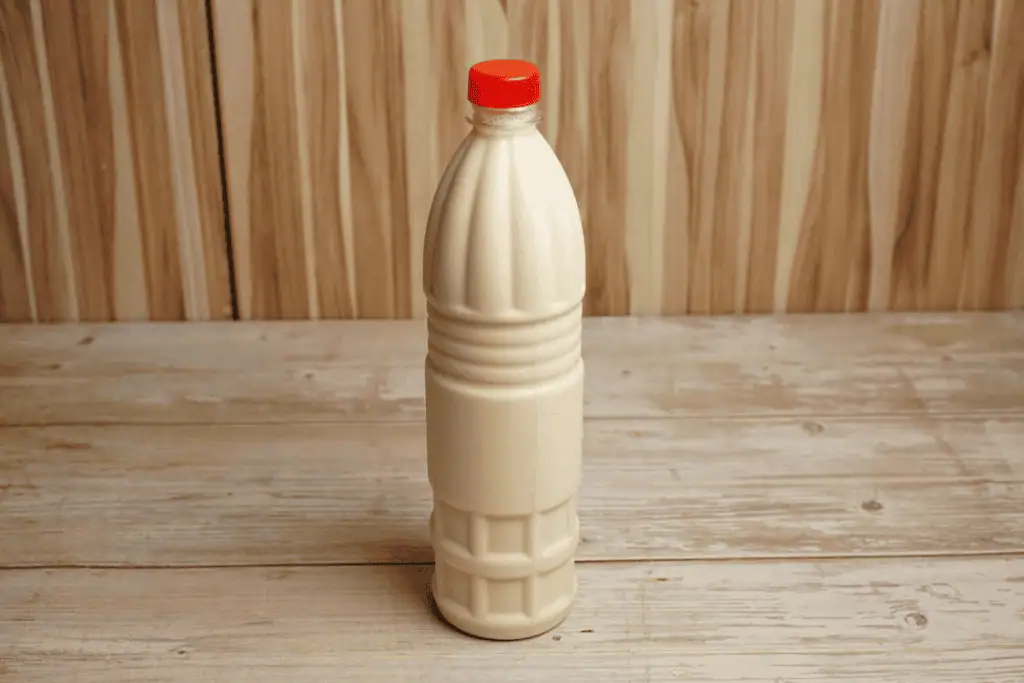
Raw milk is banned for retail sale in many states because of the risk of dangerous bacteria like E. coli, Listeria, and Salmonella. Some states allow limited farm sales or herd-share programs, but federal law prohibits interstate shipping for raw milk distribution. It remains one of the most debated food bans in the country.
Beluga Caviar
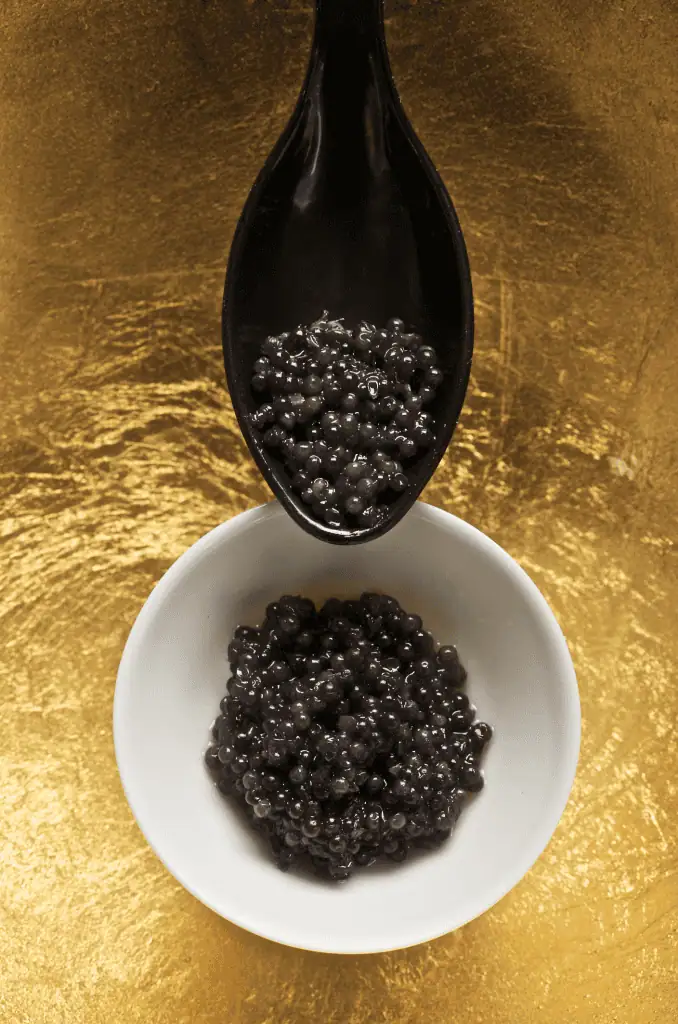
The U.S. banned import of beluga caviar in 2005 due to the endangered status of beluga sturgeon. Overfishing and habitat loss made the species critically threatened. Even today, the ban remains in place to protect global sturgeon populations, with only farm-raised alternatives allowed.
Ackee Fruit
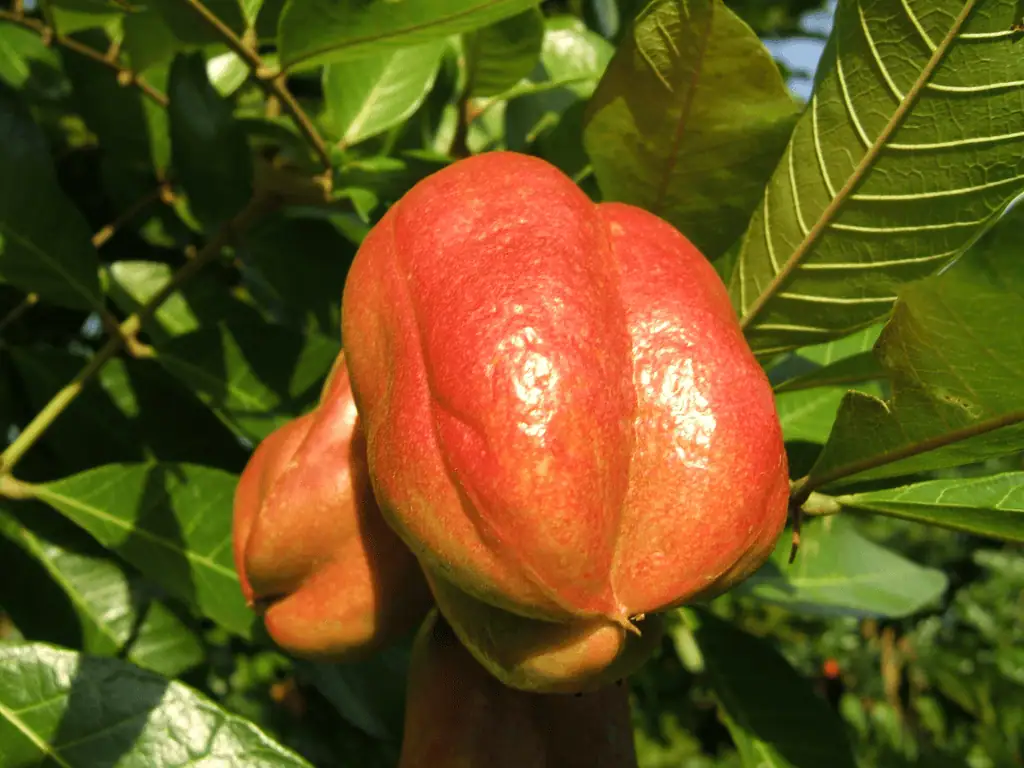
This Jamaican fruit was banned for decades because unripe ackee contains hypoglycin, a toxin that can cause severe vomiting or even death. The FDA lifted the ban only after strict import regulations were established. Today, only canned, properly processed ackee is permitted and shipments are still heavily inspected.
Haggis (Traditional Version)
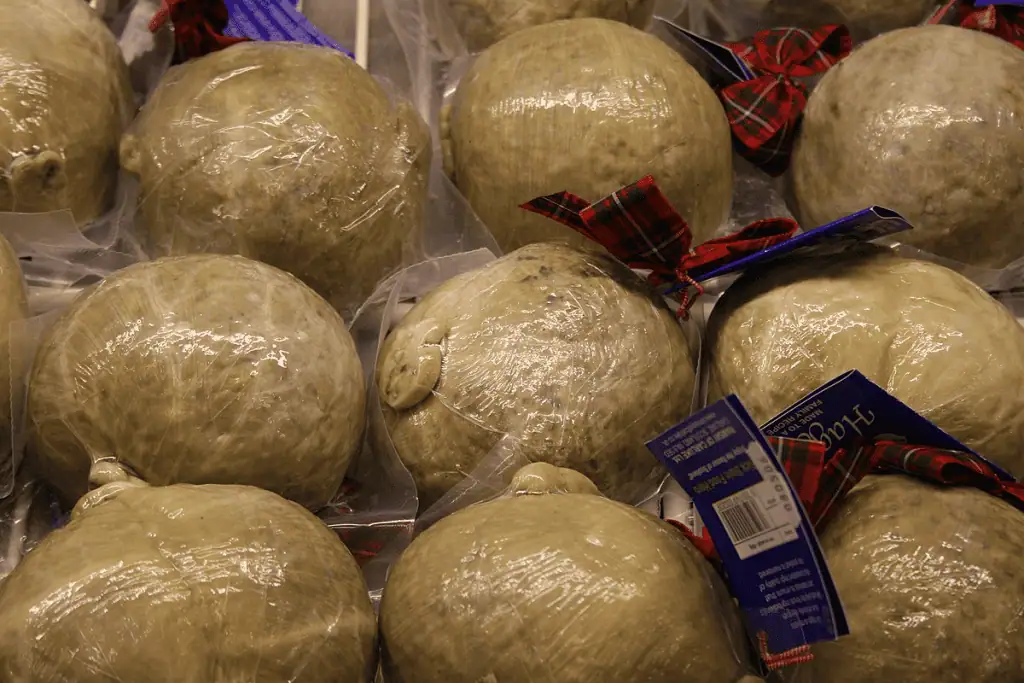
Traditional Scottish haggis, made with sheep lung, has been banned in the U.S. since 1971. The FDA prohibits the sale of lungs due to concerns about contamination and fluid accumulation. American versions exist using modified recipes, but authentic Scottish haggis remains illegal to produce or import.
Horse Meat
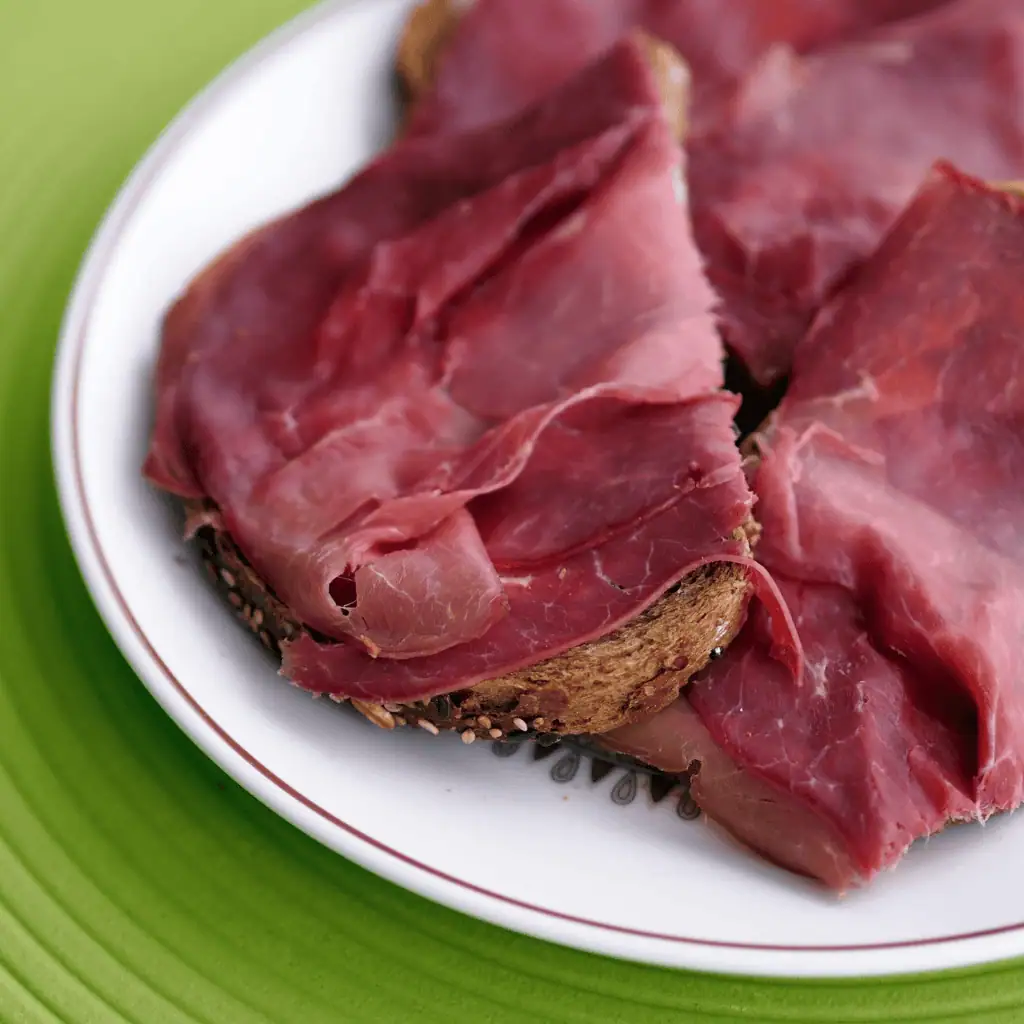
Horse slaughter for human consumption is banned in the U.S. due to a combination of animal welfare concerns and a lack of funding for USDA inspections. Without federal inspections, horse meat cannot be legally sold domestically. While not illegal to eat, it cannot be produced or sold commercially.
Mirabelle Plums
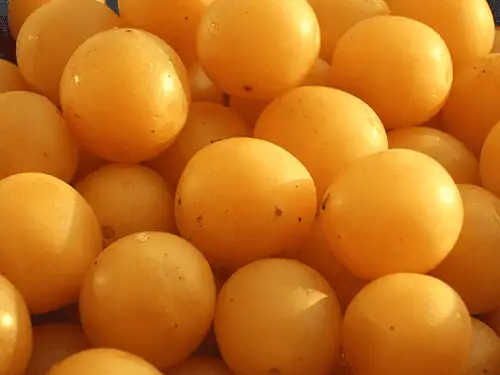
These prized French plums were banned for years because France did not have a recognized trade agreement with the U.S. allowing their import. Once customs classifications were updated and proper export certifications were established, the ban was lifted. Today they are imported in small, seasonal quantities.
Shark Fins
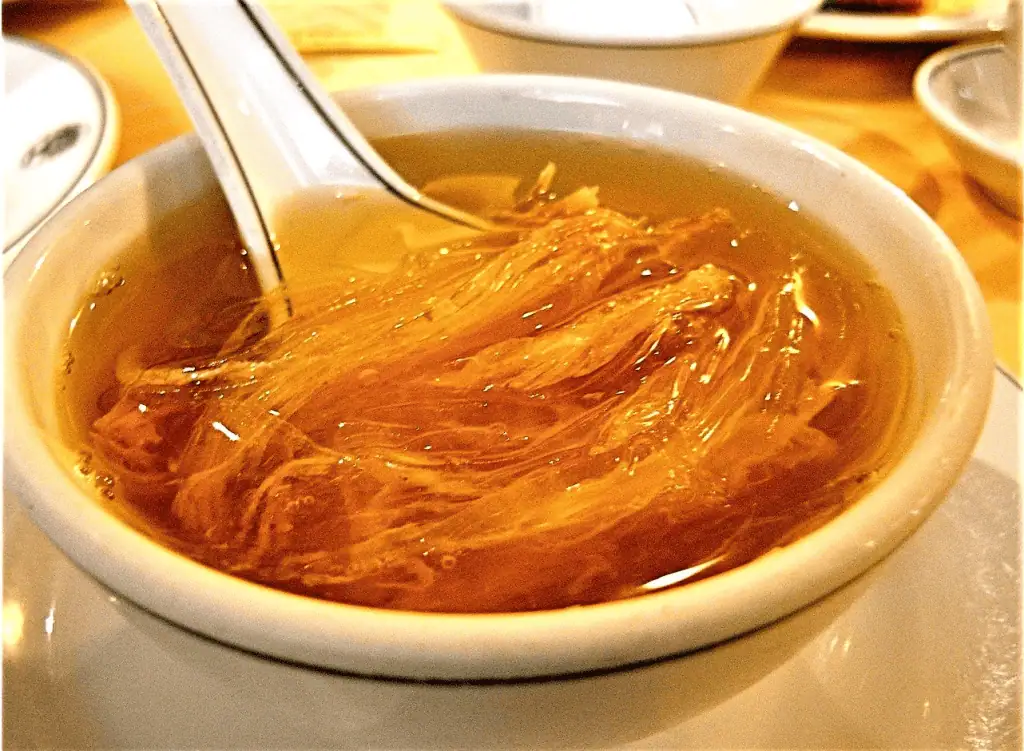
Many states ban the sale of shark fins due to ethical and environmental concerns linked to shark finning. While federal law doesn’t prohibit consumption outright, multiple state-level bans effectively restrict the trade. These laws aim to protect declining shark populations and discourage inhumane harvesting practices.
