
12 Everyday Foods That Were Banned at Some Point in America (and Why)
Food bans in the United States are often reactions to changing science, public health scares, or evolving ethics. Many foods Americans eat casually today were once restricted, tightly regulated, or completely banned for years at a time. Some bans were later reversed with new evidence, while others permanently reshaped recipes and food production. These twelve everyday foods reveal how laws, science, and culture have repeatedly changed what Americans are allowed to eat and why those decisions still influence modern cooking.
Sassafras Root (Traditional Root Beer)

Sassafras root was once a key ingredient in traditional root beer until the U.S. Food and Drug Administration banned safrole, a natural compound found in sassafras oil, in 1960 after studies showed it caused cancer in laboratory animals. The ban didn’t end root beer, but it forced manufacturers to reformulate using safrole-free flavoring. This permanently changed the taste of commercial root beer and set an early precedent that “natural” ingredients could still be legally restricted.
Saccharin

Saccharin, one of the earliest artificial sweeteners, faced major restrictions after studies in the 1970s linked it to bladder cancer in lab rats. The FDA attempted to ban it in 1977, but public backlash led instead to mandatory warning labels. While later research showed the cancer risk didn’t apply to humans, saccharin’s reputation never fully recovered. The controversy reshaped consumer trust in artificial sweeteners and pushed the food industry to develop alternatives like aspartame and sucralose.
Margarine (Colored Yellow)

In the late 1800s and early 1900s, several U.S. states banned yellow-colored margarine under pressure from the dairy industry. Some laws even required margarine to be dyed pink to make it unappealing. These bans weren’t about safety but economics and consumer confusion. The restrictions influenced baking and home cooking for decades, reinforcing butter’s dominance. Federal restrictions were eventually repealed in the 1950s, but the episode showed how food laws can shape taste preferences.
Raw Milk (Interstate Sales)

Raw, unpasteurized milk was common in early America but became restricted as pasteurization proved effective at preventing diseases like tuberculosis and brucellosis. In 1987, the FDA banned interstate sales of raw milk for human consumption. While some states still allow limited sales, the federal ban reshaped dairy consumption nationwide. It also fueled modern debates about food freedom versus safety and influenced how Americans view “natural” dairy products.
Shark Fin

Shark fin was once legally sold in the U.S., but growing concerns over shark finning—a practice involving cutting fins and discarding the shark—led to federal restrictions. The Shark Finning Prohibition Act of 2000 made the practice illegal in U.S. waters, and later laws restricted sales. The ban changed restaurant menus and accelerated the sustainable seafood movement, reshaping how Americans think about ethical consumption of traditional foods.
Horse Meat

Horse meat has never been illegal to eat in the U.S., but Congress effectively banned it for years by cutting funding for federal inspections in 2007. Without inspections, commercial sales became illegal. The ban reflected cultural discomfort rather than safety concerns. Although inspection funding was briefly restored, consumer resistance kept horse meat out of mainstream American diets, reinforcing cultural boundaries around what animals are considered “food.”
Foie Gras
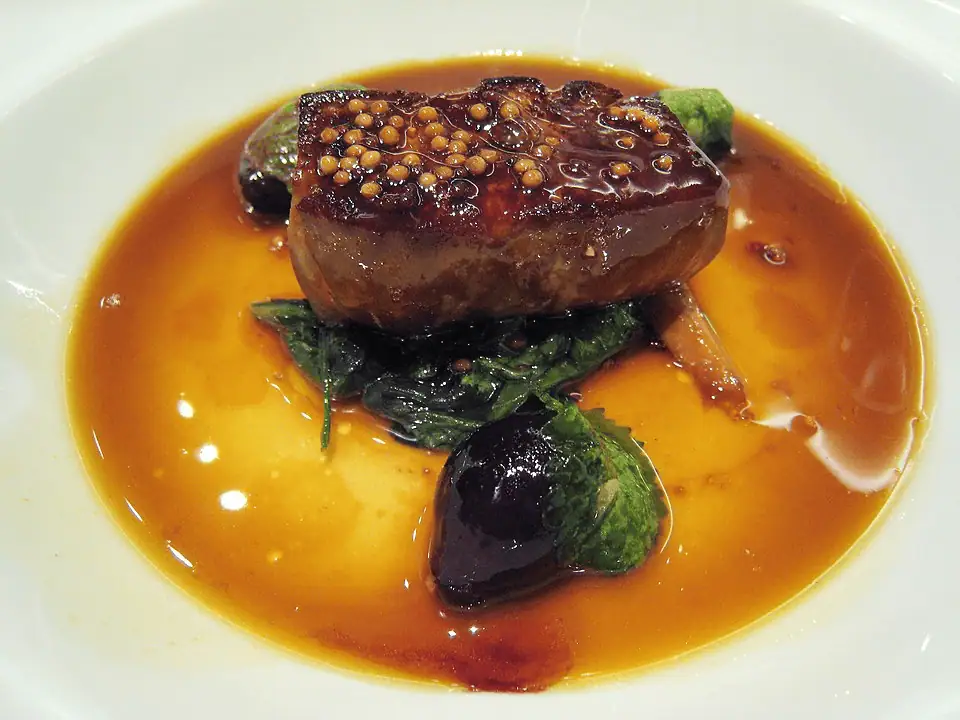
Foie gras has faced regional bans due to animal welfare concerns surrounding force-feeding ducks and geese. California enacted a ban on the sale of foie gras produced by force-feeding, effective in 2012. Although the law has faced legal challenges, it changed fine-dining menus nationwide. Chefs adapted by creating alternative pâtés, showing how ethical-driven bans can influence culinary creativity rather than eliminating luxury foods entirely.
Red Dye No. 2
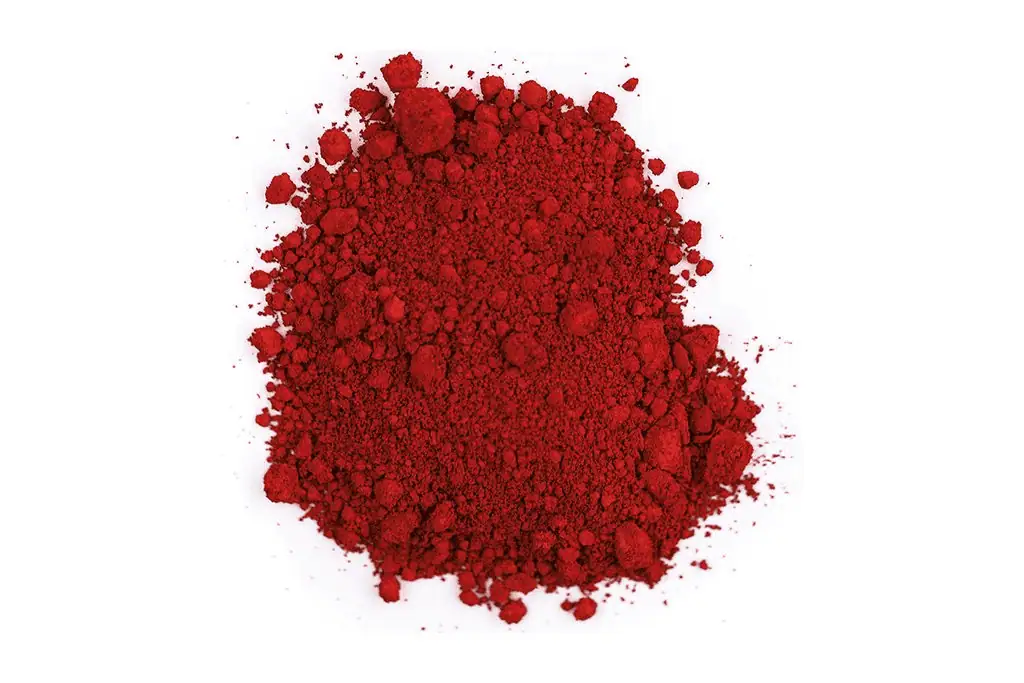
Red Dye No. 2 was banned by the FDA in 1976 after concerns about potential cancer risks emerged. Although evidence was inconclusive, public pressure pushed regulators to act. The ban forced widespread reformulation of candies, drinks, and baked goods. It marked a turning point in how Americans viewed food coloring and accelerated demand for alternative dyes, influencing food appearance standards that persist today.
Red Dye No. 3

Red Dye No. 3, long used in candies and decorations, was banned from cosmetics decades earlier due to cancer risks but remained legal in food. In the 2020s, renewed scrutiny led to regulatory moves to eliminate it from foods as well. This uneven timeline highlighted inconsistencies in food regulation and reinforced consumer demand for cleaner labels, affecting baking and candy production across the country.
Absinthe (Traditional Formulations)

Absinthe was banned in the U.S. in 1912 due to fears about thujone, a compound believed to cause hallucinations. The ban lasted nearly a century. Modern absinthe returned only after regulators clarified acceptable thujone limits. The ban shaped cocktail culture by removing a popular spirit and later sparked renewed interest in herbal, bitter flavors when absinthe re-entered the market under new rules.
Kinder Surprise Eggs

Kinder Surprise eggs were banned in the U.S. under laws prohibiting non-food objects embedded in food, due to choking hazards. While widely sold elsewhere, they were illegal for decades in America. The ban influenced how novelty candies were designed for U.S. markets and highlighted the country’s strict approach to food safety. Modified versions eventually entered the market, but the original remains restricted.
Sheep Lung (Traditional Haggis)

Sheep lung, a traditional ingredient in Scottish haggis, has long been banned for human consumption in the U.S. due to food safety regulations. This effectively banned authentic haggis imports for decades. The restriction forced producers to reformulate “legal” versions using other organs, permanently altering how Americans experience the dish and demonstrating how ingredient-level bans can reshape cultural foods abroad.
